If you’ve ever felt a sharp, shooting pain that travels from your lower back down through your leg, you’re not alone. Sciatica is one of the most common complaints we hear from patients here at Cityview Chiropractic in Fort Worth, TX. This nerve-related condition can range from a mild annoyance to a debilitating pain that affects every aspect of daily life. Understanding the different types of sciatica and what causes them is the first step toward finding relief and getting back to the activities you love. In this article, we’ll break down everything you need to know about sciatica, from its various forms to the underlying causes, and how chiropractic care can play a vital role in your recovery.
What Is Sciatica?
Sciatica refers to pain that radiates along the path of the sciatic nerve, which runs from your lower back through your hips, buttocks, and down each leg. It typically affects only one side of the body and occurs when the sciatic nerve becomes compressed or irritated. Sciatica is not a condition itself but rather a symptom of an underlying problem affecting the nerve.
Table of Contents
- Understanding the Sciatic Nerve and How It Works
- The Different Types of Sciatica
- Common Causes of Sciatica
- Signs and Symptoms to Watch For
- How Chiropractic Care Helps with Sciatica
- Practical Tips for Managing Sciatica at Home
- When to See a Chiropractor for Sciatica
- Types of Sciatica Comparison
- Myths vs. Facts About Sciatica
- Final Thoughts from Cityview Chiropractic
Understanding the Sciatic Nerve and How It Works
The sciatic nerve is the longest and thickest nerve in your body, about as wide as your thumb at its largest point. It originates in your lower spine, specifically from nerve roots at the L4, L5, S1, S2, and S3 levels. These nerve roots come together to form the sciatic nerve, which then travels through the pelvis, past the hip joint, and down the back of each leg.
This nerve is responsible for providing sensation to much of your lower body and controlling the muscles in your legs and feet. When something compresses, irritates, or inflames the sciatic nerve anywhere along its pathway, you experience what we call sciatica. The location and severity of your symptoms often depend on where the nerve is being affected.
Many patients here in Fort Worth describe sciatic pain as feeling like an electric shock, a burning sensation, or a deep ache that won’t go away. Because the sciatic nerve is so long and serves so many areas, symptoms can vary widely from person to person. Understanding the anatomy helps us appreciate why addressing the root cause is essential for lasting relief.
The Different Types of Sciatica
Not all sciatica is the same. The type of sciatica you have depends on how quickly it develops, how long it lasts, and what’s causing the nerve irritation. Let’s explore the main categories.
Acute Sciatica
Acute sciatica comes on suddenly and typically lasts anywhere from a few days to a few weeks. This type often results from a specific incident, such as lifting something heavy with poor form, twisting awkwardly, or experiencing a minor injury. The pain can be intense but usually improves with conservative care and time.
Most patients with acute sciatica respond well to rest, gentle movement, and professional care. The key is addressing it early before it has a chance to become a chronic problem. At Cityview Chiropractic, we often see patients with acute sciatica who benefit greatly from adjustments that help restore proper alignment and reduce nerve pressure.
Chronic Sciatica
Chronic sciatica persists for three months or longer. This type often develops when the underlying cause isn’t adequately addressed, or when there’s ongoing compression or irritation of the nerve. Chronic sciatica may involve episodes where the pain flares up and then subsides, but it never completely goes away.
People with chronic sciatica often experience changes in their daily routines and may develop compensatory movement patterns that create additional problems. The longer sciatica persists, the more important it becomes to identify and treat the root cause rather than just managing symptoms.
Alternating Sciatica
Alternating sciatica is less common but involves pain that switches from one leg to the other. This pattern often suggests a problem in the central spine, such as degeneration of the sacroiliac joint or issues affecting multiple nerve roots. It can also indicate instability in the pelvis or lower spine.
This type requires careful evaluation to determine why both sides are affected. The treatment approach may differ from typical one-sided sciatica because we need to address bilateral issues and ensure proper pelvic balance.
Neurogenic Sciatica vs. Referred Pain
True neurogenic sciatica involves actual compression or irritation of the sciatic nerve roots in the spine. However, some patients experience what’s called referred pain that mimics sciatica. This pain originates from muscles, joints, or other structures but creates symptoms that feel similar to nerve-related sciatica.
Distinguishing between true sciatica and referred pain is important because the treatment approaches differ. A thorough examination helps us determine whether nerve involvement is present or if the pain is coming from muscular trigger points, joint dysfunction, or other sources.
Common Causes of Sciatica
Understanding what’s causing your sciatica is essential for effective treatment. Here in Fort Worth, we see patients with sciatica from a variety of underlying conditions. Let’s examine the most common culprits.
Herniated or Bulging Discs
Intervertebral discs act as cushions between the bones of your spine. When the soft inner material of a disc pushes through its outer layer, it can press directly on the nerve roots that form the sciatic nerve. This is one of the most common causes of sciatica, particularly in people between the ages of 30 and 50.
A herniated disc can result from gradual wear and tear, repetitive stress, or a sudden injury. The location of the herniation determines which nerve roots are affected and where you’ll feel symptoms in your leg. Research indicates that conservative care, including chiropractic adjustments, can be effective for many patients with disc-related sciatica.
Spinal Stenosis
Spinal stenosis refers to a narrowing of the spaces within your spine, which can put pressure on the nerves that travel through the spine. This condition typically develops gradually as we age and is often related to arthritic changes in the spine. When stenosis affects the lower spine, it can compress the nerve roots that form the sciatic nerve.
Patients with spinal stenosis often report that their symptoms worsen with standing or walking and improve when sitting or leaning forward. This pattern helps distinguish stenosis from other causes of sciatica. While stenosis can’t be reversed, conservative care can help manage symptoms and improve function.
Piriformis Syndrome
The piriformis is a small muscle deep in the buttock that helps rotate the hip. The sciatic nerve typically passes underneath this muscle, but in some people, the nerve runs through it. When the piriformis becomes tight, inflamed, or spasms, it can compress the sciatic nerve, causing symptoms that are similar to sciatica originating from the spine.
Piriformis syndrome is often seen in people who sit for long periods, runners, or those who perform repetitive hip movements. At Cityview Chiropractic, we frequently work with patients whose sciatica symptoms stem from piriformis tightness rather than a spinal issue. The treatment approach focuses on releasing the muscle and restoring proper hip mechanics.
Degenerative Disc Disease
Despite its name, degenerative disc disease is not really a disease but rather a condition where the spinal discs break down over time. As discs degenerate, they can lose height, become less flexible, and develop small tears. These changes can lead to instability, inflammation, and nerve compression.
While disc degeneration is a normal part of aging, not everyone develops symptoms. When sciatica results from degenerative changes, treatment focuses on improving spinal function, reducing inflammation, and preventing further deterioration through proper movement and lifestyle modifications.
Spondylolisthesis
Spondylolisthesis occurs when one vertebra slips forward over the one below it. This misalignment can narrow the space available for nerves and lead to compression of the sciatic nerve roots. The condition can be present from birth, develop during childhood, or result from degeneration or injury in adults.
People with spondylolisthesis may experience lower back pain along with sciatica symptoms. The severity depends on how much slippage has occurred and whether the nerves are being compressed. Conservative care can be very effective for mild to moderate cases.
Sacroiliac Joint Dysfunction
The sacroiliac joints connect your sacrum to your pelvis on both sides. When these joints become misaligned or inflamed, they can refer pain into the buttocks and legs that mimics sciatica. While this isn’t true nerve compression, the symptoms can be just as uncomfortable.
SI joint dysfunction is common after pregnancy, following injuries, or in people with leg length discrepancies. Chiropractic adjustments to restore proper joint function can provide significant relief for this type of referred pain.
Pregnancy-Related Sciatica
Many pregnant women experience sciatica, especially during the second and third trimesters. The growing uterus can put pressure on the sciatic nerve, and hormonal changes that loosen ligaments can affect spinal alignment and pelvic stability. Weight gain and postural changes during pregnancy also contribute to nerve irritation.
Pregnancy-related sciatica typically resolves after delivery, but seeking care during pregnancy can help manage symptoms and ensure proper pelvic alignment for labor and delivery. Gentle chiropractic techniques are safe and effective for expectant mothers.
Signs and Symptoms to Watch For
Recognizing the signs of sciatica early can help you seek appropriate care before the problem becomes chronic. While everyone experiences sciatica differently, certain symptoms are common across all types.
The hallmark symptom is pain that radiates from your lower back through your buttock and down the back of your leg. This pain typically affects only one side of the body. The intensity can range from a mild ache to a sharp, burning sensation or excruciating discomfort. Some describe it as feeling like an electric shock shooting down the leg.
Numbness or tingling in the affected leg is another common symptom. You might feel pins and needles in your foot or toes, or experience areas of reduced sensation along the nerve pathway. This numbness can be constant or come and go depending on your position and activities.
Muscle weakness in the affected leg is a more serious symptom that indicates significant nerve involvement. You might notice difficulty lifting your foot, standing on your toes, or walking on your heels. Weakness should be evaluated promptly as it suggests more substantial nerve compression.
Many patients here in Fort Worth report that their sciatica symptoms worsen with certain movements or positions. Sitting, especially for extended periods, often aggravates symptoms. Coughing, sneezing, or straining can also increase pain by temporarily increasing pressure on the nerve. Conversely, some positions provide relief, such as lying down or standing and walking.
The distribution of symptoms can also provide clues about where the nerve is being compressed. Pain that extends all the way to the foot typically indicates more significant nerve involvement than pain that only reaches the thigh or knee. Buttock pain alone might suggest piriformis involvement rather than spinal nerve compression.
How Chiropractic Care Helps with Sciatica
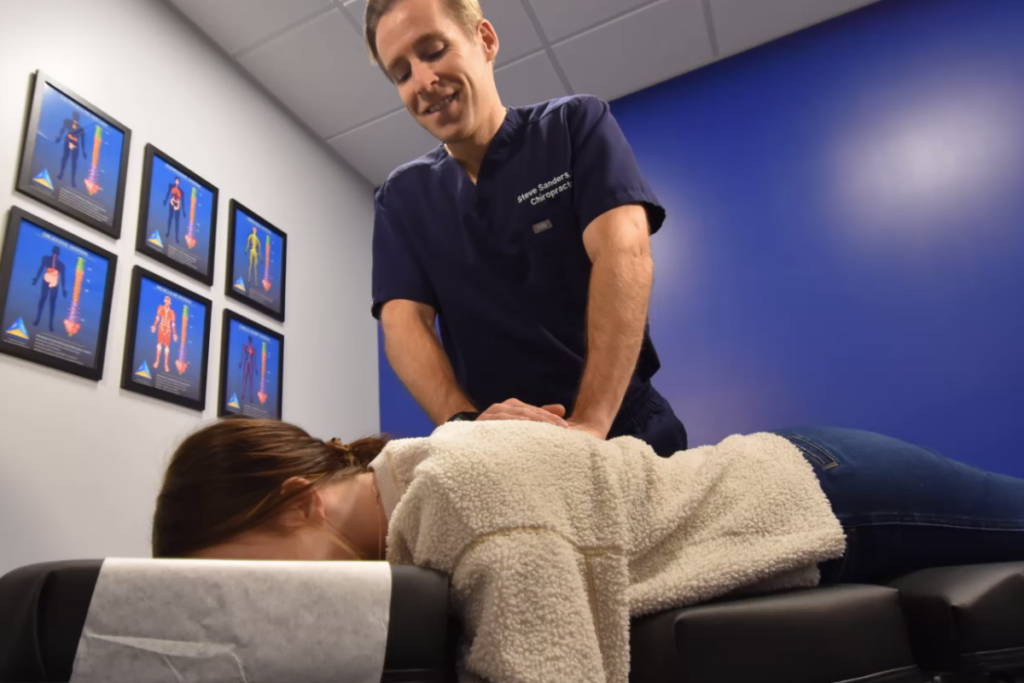
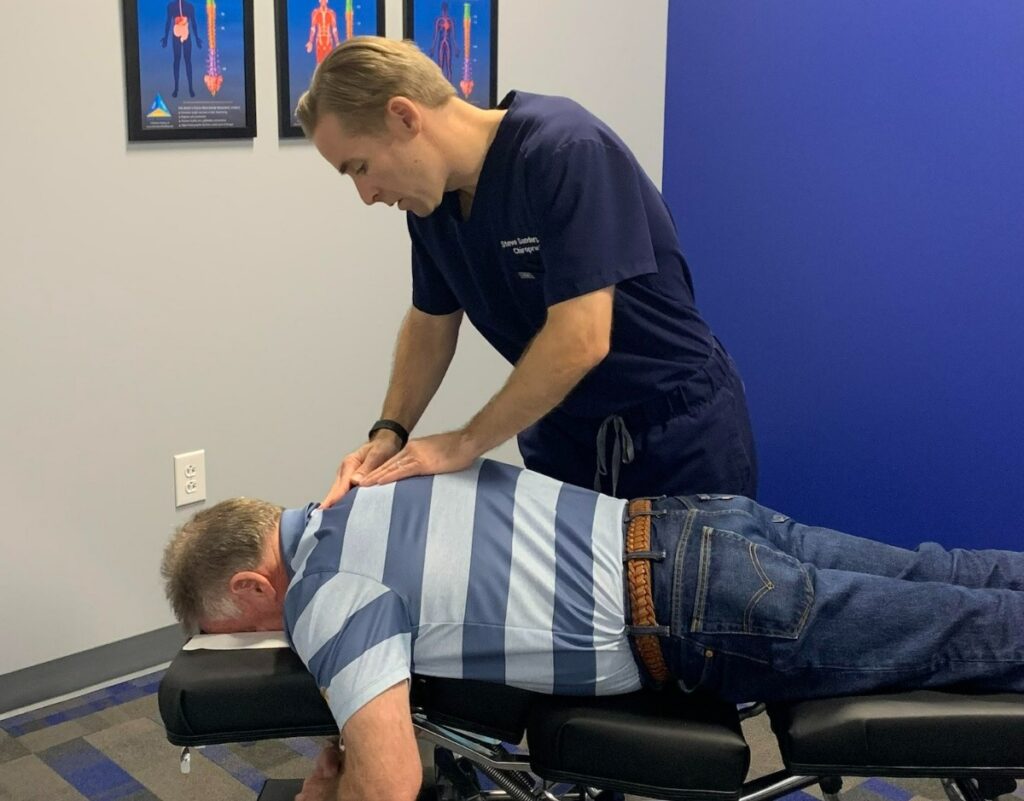
Chiropractic care offers a conservative, non-invasive approach to managing sciatica by addressing the underlying mechanical problems that contribute to nerve irritation. At Cityview Chiropractic in Fort Worth, we focus on restoring proper spinal alignment and function rather than simply masking pain.
The foundation of chiropractic care for sciatica is the spinal adjustment. When vertebrae are misaligned or not moving properly, they can contribute to disc problems, nerve compression, and inflammation. Gentle, specific adjustments help restore normal joint motion and alignment, which can reduce pressure on the sciatic nerve and allow the body’s natural healing processes to work more effectively.
Research suggests that spinal manipulation can be beneficial for certain types of lower back pain and sciatica, particularly when the problem is related to joint dysfunction or disc issues. Studies published in journals like Spine have shown that manipulation can provide pain relief and improved function for patients with sciatic symptoms.
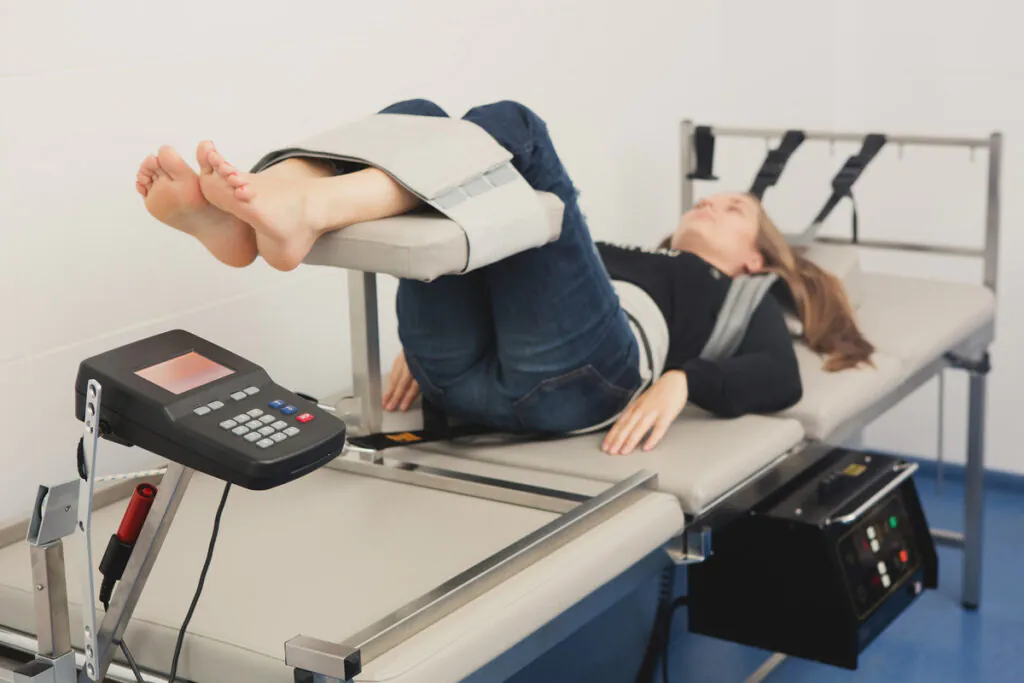
Beyond adjustments, we utilize complementary therapies that support healing and reduce nerve irritation. These may include soft tissue techniques to release tight muscles like the piriformis, therapeutic exercises to strengthen supporting muscles and improve stability, and ergonomic guidance to prevent recurring problems.
Each patient receives an individualized treatment plan based on their specific type of sciatica, underlying cause, severity of symptoms, and overall health. What works for one person may not be appropriate for another, which is why a thorough examination and accurate diagnosis are essential before beginning care.
During your visits to Cityview Chiropractic, we’ll also educate you about your condition and provide strategies for managing symptoms between appointments. This empowers you to take an active role in your recovery and helps prevent future episodes.
It’s important to understand that chiropractic care doesn’t “cure” structural problems like advanced disc degeneration or stenosis. However, it can significantly improve function, reduce pain, and help you avoid more invasive interventions in many cases. The goal is to optimize spinal health and mechanics so your body can function as well as possible despite any underlying structural changes.
Practical Tips for Managing Sciatica at Home
While professional care is important for sciatica, there’s much you can do at home to support your recovery and prevent flare-ups. These practical strategies complement your chiropractic care and promote long-term spinal health.
First, pay attention to your sitting posture and habits. Prolonged sitting is one of the worst aggravators of sciatica. If you work at a desk, set a timer to remind yourself to stand and move every 30 to 45 minutes. When you do sit, keep your feet flat on the floor, maintain the natural curve in your lower back, and avoid slouching or leaning to one side.
Consider your sleeping position as well. Many people with sciatica find relief by sleeping on their side with a pillow between their knees. This position helps maintain neutral spinal alignment and reduces pressure on the lower back and hips. If you prefer sleeping on your back, place a pillow under your knees to reduce lumbar strain.
Gentle movement is your friend when dealing with sciatica. While you might be tempted to stay in bed during a flare-up, prolonged rest can actually make symptoms worse. Short, frequent walks help maintain blood flow, reduce inflammation, and prevent stiffness. Listen to your body and don’t push through sharp or increasing pain, but do stay as active as possible within your comfort zone.
Apply ice during the first 48 to 72 hours of an acute flare-up to help reduce inflammation. After the acute phase passes, some people find heat more soothing. Heat can help relax tight muscles and increase blood flow to the area. Alternate between ice and heat to see what works best for you, applying each for 15 to 20 minutes at a time.
Be mindful of how you lift and move throughout the day. Always bend at your knees and hips rather than your waist when picking something up. Hold objects close to your body and avoid twisting while carrying loads. These simple biomechanical principles can prevent the sudden movements that often trigger sciatica episodes.
Maintain a healthy weight if possible. Excess body weight, particularly around the midsection, increases stress on your lower spine and can contribute to disc problems and nerve compression. Even modest weight loss can reduce symptoms for some people with sciatica.
Stay hydrated. Your spinal discs need water to maintain their height and cushioning ability. Proper hydration supports overall spinal health and may help prevent disc-related problems that lead to sciatica.
When to See a Chiropractor for Sciatica
Knowing when to seek professional care can make a significant difference in your recovery. While mild, occasional sciatic symptoms might resolve on their own, many situations warrant evaluation and treatment.
If your sciatica symptoms persist for more than a week despite rest and home care, it’s time to schedule an appointment. Persistent symptoms suggest an underlying problem that needs to be addressed rather than just waiting it out. Early intervention often leads to faster recovery and prevents the transition from acute to chronic sciatica.
Seek care promptly if you experience progressive weakness in your leg or foot. Muscle weakness indicates more significant nerve involvement and shouldn’t be ignored. The longer a nerve is compressed, the more difficult recovery can become, so don’t delay if you notice increasing difficulty with movements like walking or lifting your foot.
If your pain is severe and not responding to over-the-counter pain relievers or home remedies, professional evaluation is warranted. Severe pain affects your quality of life, disrupts sleep, and can lead to compensatory movement patterns that create additional problems.
Recurrent episodes of sciatica also indicate a need for professional care. If you’ve had multiple flare-ups, there’s likely an underlying mechanical problem that needs to be identified and corrected. Without addressing the root cause, you’ll continue to experience recurring episodes.
However, certain symptoms require immediate medical attention and shouldn’t wait for a chiropractic appointment. These red flags include loss of bladder or bowel control, saddle anesthesia (numbness in the area that would contact a saddle), sudden severe weakness in both legs, or sciatica following significant trauma. These symptoms could indicate cauda equina syndrome, a serious condition requiring emergency medical care.
At Cityview Chiropractic, we always conduct a thorough examination to determine whether chiropractic care is appropriate for your specific situation. If we identify any red flags or conditions outside our scope, we’ll refer you to the appropriate medical specialist to ensure you receive the care you need.
Types of Sciatica Comparison
| Type of Sciatica | Duration | Common Causes | Typical Symptoms |
|---|---|---|---|
| Acute Sciatica | Few days to 6 weeks | Sudden injury, lifting with poor form, awkward movement | Sudden onset, sharp pain, typically improves with rest and care |
| Chronic Sciatica | 3 months or longer | Degenerative disc disease, spinal stenosis, untreated acute episodes | Persistent or recurring pain, may include periods of remission and flare-ups |
| Alternating Sciatica | Varies | Central spinal issues, SI joint dysfunction, pelvic instability | Pain switches between legs, may involve both sides simultaneously |
| Neurogenic Sciatica | Varies | Direct nerve compression from herniated disc, stenosis, bone spurs | Radiating pain with numbness, tingling, possible weakness |
| Referred Pain (Non-Neurogenic) | Varies | Piriformis syndrome, SI joint, muscular trigger points | Pain pattern similar to sciatica but without true nerve involvement |
Myths vs. Facts About Sciatica
Myth: Sciatica Only Affects Older Adults
Fact: While certain causes of sciatica like spinal stenosis and degenerative disc disease are more common with aging, people of all ages can develop sciatica. Young adults and middle-aged people frequently experience disc-related sciatica from injuries, poor lifting techniques, or occupational demands. Pregnancy-related sciatica affects young women regardless of age.
Myth: Bed Rest Is the Best Treatment for Sciatica
Fact: Extended bed rest can actually worsen sciatica symptoms and delay recovery. While you should avoid activities that severely aggravate your pain, gentle movement and activity help maintain blood flow, prevent stiffness, and promote healing. Short rest periods are fine during acute flares, but staying active within your tolerance is important for recovery.
Myth: Sciatica Always Requires Surgery
Fact: The vast majority of sciatica cases resolve with conservative care, including chiropractic treatment, physical therapy, and lifestyle modifications. Surgery is typically reserved for severe cases with progressive neurological deficits or when conservative measures have failed after several months. Evidence suggests that conservative care should be the first approach for most patients.
Myth: You Should Push Through Sciatic Pain During Exercise
Fact: While staying active is important, you should never push through sharp or increasing pain. Pain is your body’s warning signal that something is wrong. Gentle movement and exercises within your comfort zone are beneficial, but aggravating the condition with inappropriate activities can worsen nerve irritation and delay healing.
Myth: Sciatica Is Always Caused by a Herniated Disc
Fact: Although herniated discs are a common cause of sciatica, many other conditions can produce sciatic symptoms, including piriformis syndrome, spinal stenosis, spondylolisthesis, SI joint dysfunction, and muscular trigger points. Proper diagnosis is essential to determine the actual source of your symptoms and provide appropriate treatment.
Final Thoughts from Cityview Chiropractic
Living with sciatica doesn’t have to be your new normal. Understanding the different types of sciatica and their causes is an important first step toward finding lasting relief. Whether you’re dealing with acute pain from a recent injury or chronic symptoms that have persisted for months, there are effective, conservative treatment options available.
Here at Cityview Chiropractic in Fort Worth, Texas, we’re committed to helping our patients understand their conditions and providing personalized care that addresses the root causes rather than just masking symptoms. Sciatica can be frustrating and debilitating, but with the right approach, most people can significantly improve their symptoms and return to the activities they enjoy.
If you’re experiencing sciatic pain, don’t wait for it to become a chronic problem. Early intervention typically leads to faster recovery and better outcomes. We encourage you to reach out for an evaluation so we can determine what’s causing your symptoms and develop a treatment plan tailored to your specific needs. Our Fort Worth community deserves to live pain-free and active, and we’re here to help make that possible.
Frequently Asked Questions About Sciatica
How long does sciatica typically last?
The duration of sciatica varies depending on the cause and severity. Acute sciatica often improves within a few weeks with proper care, while chronic sciatica can persist for months or longer. Most cases respond well to conservative treatment within six to twelve weeks, though some patients experience symptoms for longer periods.
Can sciatica occur in both legs at the same time?
True bilateral sciatica affecting both legs simultaneously is uncommon but can occur with conditions like central spinal stenosis or cauda equina syndrome. More often, people experience alternating sciatica where symptoms switch from one leg to the other. If you develop sciatic symptoms in both legs, especially with loss of bowel or bladder control, seek immediate medical attention.
Is walking good for sciatica?
Yes, gentle walking is generally beneficial for sciatica as it promotes blood flow, reduces inflammation, and prevents stiffness. Walking helps maintain mobility without putting excessive stress on the spine. Start with short distances and gradually increase as tolerated. If walking significantly increases your pain, stop and consult with a healthcare provider about appropriate activities for your specific condition.
Why does sciatica feel worse at night?
Sciatica often feels worse at night for several reasons. Lying down changes the pressure distribution on your spine and nerves. Inflammation tends to increase when you’re inactive. Additionally, without daytime distractions, you may become more aware of your pain. Finding a comfortable sleeping position with proper pillow support and using heat or ice before bed may help reduce nighttime symptoms.
Can stress or anxiety make sciatica worse?
Yes, stress and anxiety can intensify sciatica symptoms. Stress causes muscle tension, particularly in the back and hips, which can increase pressure on the sciatic nerve. Additionally, stress lowers your pain threshold and can amplify your perception of pain. Managing stress through relaxation techniques, adequate sleep, and appropriate care can help reduce overall symptom severity.
What’s the difference between sciatica and general lower back pain?
Lower back pain typically stays localized in the lower back region, while sciatica involves radiating pain that travels down the leg following the path of the sciatic nerve. Sciatica also often includes numbness, tingling, or weakness in the leg or foot, which aren’t typical features of general back pain. However, you can experience both conditions simultaneously, as lower back problems often cause sciatica.
TL;DR – Key Takeaways
- Sciatica refers to pain that radiates along the sciatic nerve from the lower back down the leg, caused by nerve compression or irritation rather than being a condition itself
- The main types include acute sciatica (lasting days to weeks), chronic sciatica (three months or longer), alternating sciatica (switching between legs), and neurogenic versus referred pain patterns
- Common causes include herniated discs, spinal stenosis, piriformis syndrome, degenerative disc disease, spondylolisthesis, and SI joint dysfunction
- Chiropractic care offers a conservative, non-invasive approach to sciatica by addressing mechanical problems, restoring proper alignment, and reducing nerve pressure
- Seek professional care if symptoms persist beyond a week, involve progressive weakness, are severe, or recur frequently – but seek emergency care for loss of bladder/bowel control or saddle anesthesia