If you’ve been told you or your child has scoliosis, you’re likely searching for answers. What does this diagnosis really mean? How serious is it? What caused it? These are all questions we hear regularly here at Cityview Chiropractic in Fort Worth, TX. Understanding the different types of scoliosis and what causes them can help you feel more confident about the next steps in care. While the word “scoliosis” might sound intimidating, knowledge is power—and the more you understand about this condition, the better equipped you’ll be to make informed decisions about managing it. Whether you’re a parent concerned about your teenager’s posture or an adult experiencing new spinal changes, this article will walk you through everything you need to know about scoliosis types and their causes.
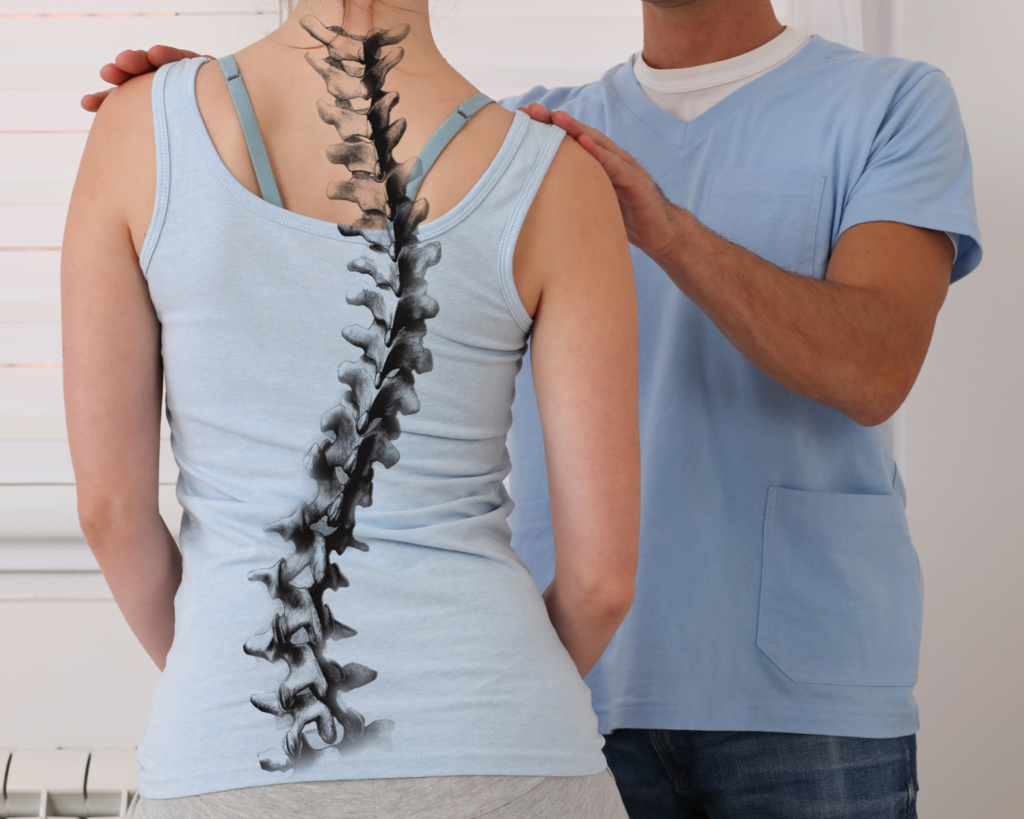
What is scoliosis? Scoliosis is a sideways curvature of the spine that measures 10 degrees or more when viewed on an X-ray. Instead of running straight down the middle of your back, the spine curves to the left or right, often forming a “C” or “S” shape. This condition can develop at any age and varies widely in severity.
Table of Contents
- Understanding Spinal Curvature: What Makes Scoliosis Different
- The Different Types of Scoliosis
- Common Causes Behind Each Type
- How Chiropractic Care Fits Into Scoliosis Management
- Practical Tips for Living with Scoliosis
- When to See a Chiropractor or Healthcare Provider
- Final Thoughts
Understanding Spinal Curvature: What Makes Scoliosis Different
Your spine naturally has curves when viewed from the side—a gentle forward curve in your neck and lower back, and a backward curve in your mid-back. These curves help absorb shock and maintain balance. Scoliosis is different. It’s an abnormal lateral (side-to-side) curvature that shouldn’t be there.
When we evaluate patients at Cityview Chiropractic, we look at the spine from both the front and side views. A scoliotic curve appears when looking at the back, creating that distinctive sideways bend. The vertebrae may also rotate, causing one shoulder blade to stick out more than the other or making the waist appear uneven.
Not all spinal curves are created equal. The location, direction, and degree of the curve all matter. Some curves are mild and stable throughout life. Others progress over time, especially during growth spurts. Understanding what type of scoliosis you’re dealing with is the first step toward appropriate care.
Many people in Fort Worth discover they have scoliosis during routine school screenings, sports physicals, or when seeking care for back pain. The earlier it’s detected, the more options are typically available for managing progression.
The Different Types of Scoliosis
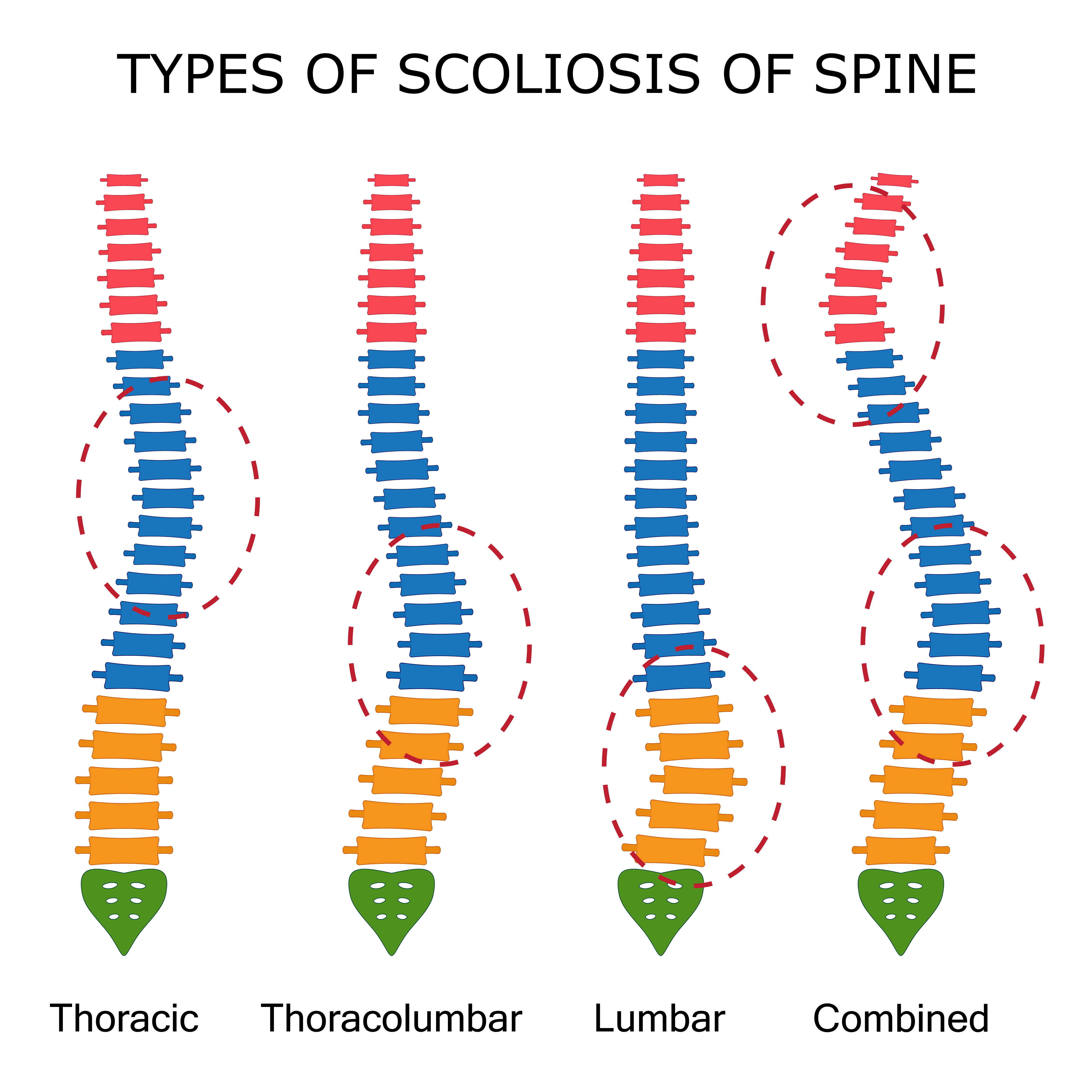
Scoliosis isn’t a single condition—it’s a term that describes different types of spinal curvatures with different origins. Let’s break down the main categories you should know about.
Idiopathic Scoliosis
This is by far the most common type, accounting for about 80-85% of all scoliosis cases. “Idiopathic” simply means the exact cause is unknown. While researchers have identified genetic factors and other influences, there’s no single definitive cause we can point to.
Idiopathic scoliosis is further divided by age of onset. Infantile idiopathic scoliosis appears before age three and is quite rare. Juvenile idiopathic scoliosis develops between ages three and ten. Adolescent idiopathic scoliosis—the most common form—appears between ages 10 and 18, typically during growth spurts. Adult idiopathic scoliosis refers to curves that either developed in youth and persisted or were discovered in adulthood.
Here at our Fort Worth practice, we see many teenagers with adolescent idiopathic scoliosis, particularly girls, who are more likely to have curves that progress and require monitoring.
Congenital Scoliosis
This type develops before birth due to malformed vertebrae. During fetal development, some vertebrae may not form completely or may fail to separate properly. These structural abnormalities create curves that are present from birth, though they may not become apparent until later in childhood.
Congenital scoliosis is much less common than idiopathic scoliosis. Because it’s caused by actual bone deformities rather than mysterious developmental factors, it may behave differently and sometimes requires different management approaches.
Neuromuscular Scoliosis
When conditions affecting the nerves or muscles are present, scoliosis may develop as a secondary problem. Cerebral palsy, muscular dystrophy, spinal muscular atrophy, and spina bifida can all lead to neuromuscular scoliosis.
In these cases, the muscles supporting the spine may be weak, imbalanced, or paralyzed, causing the spine to curve. The curves in neuromuscular scoliosis often progress more rapidly than idiopathic curves and may be more challenging to manage conservatively.
Degenerative Scoliosis
Also called adult-onset scoliosis or de novo scoliosis, this type develops later in life due to wear and tear on the spine. As we age, the discs between vertebrae can degenerate, facet joints can develop arthritis, and ligaments can weaken. These changes can cause the spine to shift and curve.
We see many patients at Cityview Chiropractic in Fort Worth experiencing degenerative changes as they reach their 50s, 60s, and beyond. Unlike curves that developed in youth, degenerative scoliosis often comes with more noticeable pain and stiffness.
Functional Scoliosis
This type appears to be a structural curve, but it’s actually the spine’s response to a problem elsewhere in the body. A difference in leg length, muscle spasm, or inflammation can cause the spine to curve temporarily. When the underlying issue is addressed, the curve typically resolves.
Functional scoliosis is important to distinguish from structural scoliosis because the management approach is completely different. Rather than focusing on the spine itself, we address the root cause—whether that’s a pelvic imbalance, leg length discrepancy, or muscle tension.
Common Causes Behind Each Type
Understanding what causes different types of scoliosis can help demystify this condition. While some causes remain unclear, research has given us valuable insights into many contributing factors.
Genetic and Hereditary Factors
Family history plays a significant role, especially in idiopathic scoliosis. If you have scoliosis, your children have a higher likelihood of developing it compared to the general population. Researchers have identified several genes that may contribute to scoliosis development, though it’s not a simple one-gene condition.
Studies suggest that idiopathic scoliosis has a strong hereditary component, with multiple genes and environmental factors working together. This explains why scoliosis often runs in families, even though we can’t predict exactly who will develop it or how severe it will be.
Developmental and Growth-Related Causes
Many cases of idiopathic scoliosis appear or worsen during periods of rapid growth. The adolescent growth spurt seems to be a particularly vulnerable time. While growth doesn’t cause scoliosis directly, it can accelerate curve progression in someone who already has a mild curve.
The relationship between growth and scoliosis progression is why monitoring is so important during the teenage years. Girls typically have their growth spurts earlier than boys, which is one reason why adolescent idiopathic scoliosis is more common and often more progressive in females.
Neuromuscular Conditions
When neurological or muscular diseases are present, the muscles that support the spine may not function properly. This imbalance can pull the spine into a curved position. Conditions like cerebral palsy affect muscle control and tone. Muscular dystrophy causes progressive muscle weakness. Spinal cord injuries or tumors can disrupt the nerve signals that coordinate spinal support.
In neuromuscular scoliosis, the curve is a consequence of the underlying condition rather than a primary problem. Management often requires a team approach involving neurologists, physical therapists, and other specialists in addition to conservative spinal care.
Structural Birth Defects
Congenital scoliosis results from vertebrae that didn’t develop normally in the womb. Sometimes vertebrae fail to form completely (called hemivertebra). Other times, vertebrae don’t separate properly and remain fused together. These structural abnormalities create fixed curves that won’t straighten on their own.
The severity of congenital scoliosis depends on which vertebrae are affected and how malformed they are. Some children with congenital curves also have abnormalities in other organ systems, particularly the kidneys and heart, which is why comprehensive evaluation is important.
Age-Related Degeneration
Degenerative scoliosis develops as the spine undergoes normal wear and tear with aging. Intervertebral discs lose height and water content. Facet joints develop osteoarthritis. Ligaments may weaken or thicken. These changes can cause the spine to shift asymmetrically, creating a curve.
Degenerative curves typically develop in the lumbar spine and are often accompanied by spinal stenosis—narrowing of the spaces where nerves pass through. Many patients we see in Fort Worth with degenerative scoliosis experience leg pain, numbness, or weakness in addition to back discomfort.
Secondary Causes and Functional Issues
Functional scoliosis can be triggered by various temporary or correctable conditions. A significant leg length difference forces the pelvis to tilt, which causes the spine to curve in compensation. Severe muscle spasms can pull the spine out of alignment. Inflammation from injury or infection can cause guarding and temporary curvature.
The good news about functional scoliosis is that addressing the underlying cause often resolves the curve. Correcting a leg length discrepancy with orthotics, reducing muscle spasm with appropriate care, or resolving inflammation can allow the spine to return to normal alignment.
How Chiropractic Care Fits Into Scoliosis Management
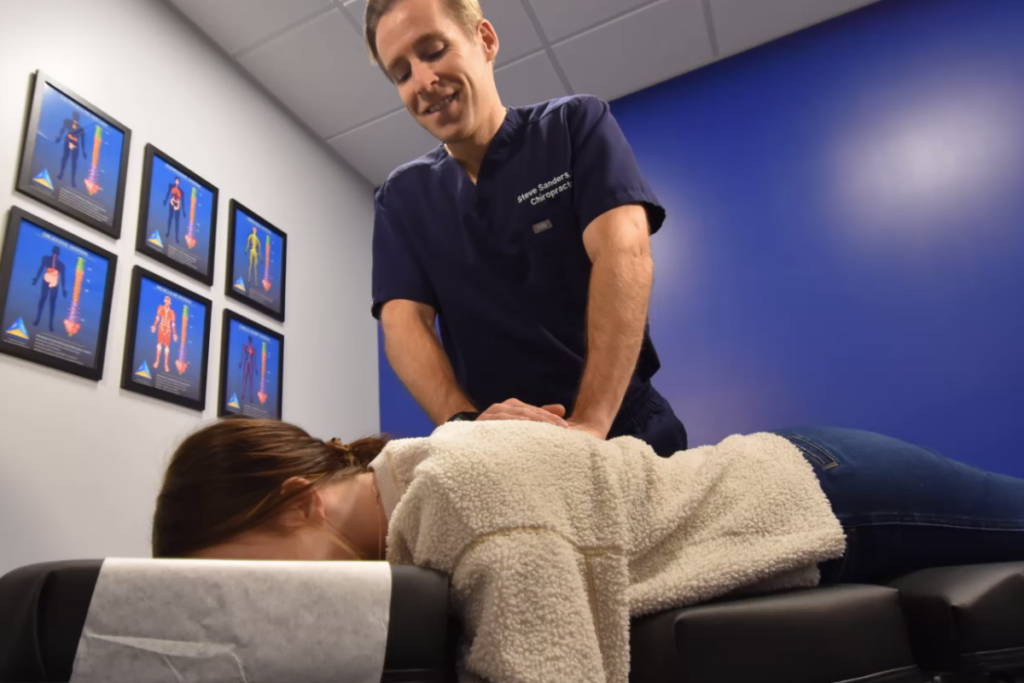
At Cityview Chiropractic in Fort Worth, we take a realistic, evidence-informed approach to scoliosis care. It’s important to understand that chiropractic care doesn’t “cure” scoliosis or make structural curves disappear. However, research suggests that chiropractic care can play a valuable role in comprehensive scoliosis management for many patients.
Our approach focuses on optimizing spinal function, reducing discomfort, and supporting overall musculoskeletal health. For patients with mild to moderate curves, particularly those experiencing pain or stiffness, chiropractic adjustments may help improve mobility and reduce muscle tension around the curved areas.
We use gentle, specific adjustments tailored to each patient’s unique spinal structure. For someone with scoliosis, this means working with the curve rather than against it, focusing on areas where joint restrictions or muscle imbalances contribute to discomfort or dysfunction.
Chiropractic care for scoliosis often includes more than just adjustments. We may incorporate exercises to strengthen supporting muscles, postural education, and lifestyle recommendations. The goal is to help you function at your best within your body’s current structural reality.
For adolescents with progressive curves, we work closely with families and other healthcare providers to monitor changes over time. Some research indicates that chiropractic care combined with specific exercises may help with curve stabilization in certain cases, though more studies are needed. We believe in a collaborative approach—sometimes the best care plan includes multiple providers working together.
For adults with degenerative scoliosis, conservative care including chiropractic adjustments has been shown to help many patients manage pain and maintain function. We focus on keeping you moving comfortably and participating in the activities that matter to you.
Practical Tips for Living with Scoliosis
Whether you have a mild curve or something more significant, these practical strategies can help you support your spine in daily life.
Stay active with spine-friendly movement. Regular physical activity helps maintain the strength and flexibility your spine needs. Swimming is excellent because it strengthens core muscles without impact. Walking, yoga, and Pilates can also be beneficial. Avoid prolonged sitting—get up and move every 30-40 minutes.
Focus on core strength. Strong abdominal and back muscles provide crucial support for a curved spine. Work with a physical therapist or qualified trainer who understands scoliosis to develop an appropriate strengthening program. Focus on exercises that promote balanced muscle development rather than one-sided activities.
Practice good ergonomics. Whether you’re working at a desk, driving, or sleeping, proper positioning matters. Set up your workspace so your screen is at eye level and your feet rest flat on the floor. When sleeping, find a position that feels comfortable—many people with scoliosis prefer side sleeping with a pillow between their knees.
Avoid carrying heavy bags on one shoulder. This creates asymmetrical loading that can stress a curved spine. Use a backpack with both straps, or alternate shoulders if you must use a single-strap bag. Better yet, use a rolling bag when possible.
Be mindful during growth spurts. If you have a child or teenager with scoliosis, pay extra attention during periods of rapid growth. These are the times when curves are most likely to progress. Regular monitoring becomes especially important during these phases.
Maintain a healthy weight. Extra body weight increases stress on spinal structures. A balanced diet and regular activity help keep weight in a healthy range, which supports overall spinal health.
Don’t let fear stop you from moving. Many people with scoliosis become overly cautious about physical activity. While certain high-impact or one-sided sports may need modification, most people with scoliosis can and should stay active. Movement is medicine for your spine.
Connect with others. Living with scoliosis can feel isolating, especially for teenagers. Support groups and online communities can provide valuable emotional support and practical tips from others who understand the experience.
When to See a Chiropractor or Healthcare Provider
Knowing when to seek professional evaluation is important for anyone with scoliosis or suspected spinal curvature.
Schedule an appointment if you notice visible signs like uneven shoulders, a prominent shoulder blade, an uneven waistline, or a visible curve when bending forward. These are classic screening signs that warrant professional assessment.
If you’re experiencing new or worsening back pain, especially if it’s associated with a visible postural change, evaluation is appropriate. While mild scoliosis often doesn’t cause pain, moderate to severe curves or degenerative scoliosis frequently do.
For children and teenagers, annual screening during growth years is wise if there’s any family history of scoliosis. Early detection allows for more management options and closer monitoring during vulnerable growth periods.
Adults experiencing new onset of leg pain, numbness, or weakness along with back discomfort should be evaluated promptly. These symptoms might indicate that a degenerative curve is affecting nerve structures.
If you’ve been diagnosed with scoliosis in the past but haven’t had it monitored in several years, a check-up can establish a current baseline. Curves can change over time, and knowing where you stand helps guide appropriate care decisions.
At Cityview Chiropractic, we perform thorough evaluations that may include postural analysis, range of motion testing, and when appropriate, referral for X-rays. We want to understand not just whether you have scoliosis, but what type it is, how it’s affecting your function, and what care approach makes sense for your situation.
There are also red flag symptoms that require immediate medical attention rather than waiting for a chiropractic appointment. Seek emergency care if you experience sudden severe back pain after trauma, loss of bowel or bladder control, progressive weakness in the legs, or severe pain that doesn’t improve with rest. These symptoms may indicate serious conditions requiring urgent medical intervention.
Understanding Different Scoliosis Types at a Glance
| Type of Scoliosis | Primary Cause | Typical Age of Onset | Key Characteristics |
|---|---|---|---|
| Idiopathic | Unknown (genetic factors likely) | Usually adolescence (10-18 years) | Most common type, often runs in families, more progressive in girls |
| Congenital | Malformed vertebrae from birth | Present from birth | Structural bone abnormalities, may be detected early or later in childhood |
| Neuromuscular | Nerve or muscle conditions | Varies with underlying condition | Associated with conditions like cerebral palsy or muscular dystrophy |
| Degenerative | Age-related wear and tear | Usually 50+ years | Often accompanied by arthritis and stenosis, more likely to cause pain |
| Functional | Leg length difference, muscle spasm, or inflammation | Any age | Temporary, resolves when underlying cause is addressed |
Myths vs. Facts About Scoliosis
Myth: Scoliosis is caused by poor posture or carrying heavy backpacks
Fact: While poor posture isn’t healthy for anyone, it doesn’t cause structural scoliosis. Idiopathic scoliosis develops due to factors we don’t fully understand—likely genetic and developmental—not from slouching or carrying backpacks. However, functional scoliosis can result from muscle imbalances that poor posture may worsen.
Myth: All scoliosis curves get worse over time
Fact: Many mild curves remain stable throughout life and never require treatment beyond monitoring. Curve progression depends on factors like skeletal maturity, curve magnitude, and curve location. Curves under 20 degrees at skeletal maturity rarely progress significantly in adulthood.
Myth: People with scoliosis can’t be athletic or active
Fact: Many professional athletes have scoliosis. Physical activity is generally encouraged for people with scoliosis because it helps maintain strength, flexibility, and overall health. Some activities may need modification based on curve severity, but most people with scoliosis can participate in regular sports and exercise.
Myth: Scoliosis always causes severe pain
Fact: Many people with mild to moderate scoliosis experience no pain at all, particularly adolescents with idiopathic curves. Pain is more common with degenerative scoliosis in adults or with larger curves that stress muscles and joints. Pain level doesn’t always correlate with curve severity.
Myth: Chiropractic care can completely straighten a scoliotic spine
Fact: Chiropractic care doesn’t cure structural scoliosis or eliminate curves. However, evidence indicates it may help with pain management, improve function, and in some cases support stabilization efforts when combined with exercises. Honest chiropractors will set realistic expectations about what care can and cannot accomplish.
Final Thoughts From Your Fort Worth Chiropractor
Understanding the different types of scoliosis and their causes empowers you to make informed decisions about your care or your child’s care. Whether you’re dealing with idiopathic scoliosis discovered during a school screening, degenerative changes that developed with age, or another form of spinal curvature, knowledge removes fear and opens the door to appropriate management.
Here at Cityview Chiropractic in Fort Worth, Texas, we’re committed to providing honest, evidence-based information and care. We believe in meeting each patient where they are, understanding their unique spinal structure, and developing realistic care plans that support function and quality of life.
If you have questions about scoliosis or would like to schedule an evaluation, we’re here to help. Our goal is to be a trusted resource for musculoskeletal health in the Fort Worth community—providing education, support, and conservative care options for those who can benefit.
Remember that a scoliosis diagnosis doesn’t define you. With appropriate monitoring, care when needed, and lifestyle strategies that support spinal health, most people with scoliosis live full, active, unrestricted lives. You’re not alone on this journey, and understanding your condition is a powerful first step.
Frequently Asked Questions About Scoliosis
Can scoliosis develop in adults who didn’t have it as children?
Yes, this is called degenerative or de novo scoliosis. It develops due to age-related changes in the spine including disc degeneration, arthritis, and ligament changes. It typically appears after age 50 and is different from curves that started in youth and continued into adulthood.
Will my child need surgery for their scoliosis?
Most children with scoliosis do not require surgery. Mild curves under 20-25 degrees typically just need monitoring. Moderate curves may benefit from bracing during growth. Surgery is generally reserved for severe curves over 45-50 degrees that are progressing despite other interventions, or curves causing significant functional problems.
Is scoliosis more common in girls or boys?
Both genders develop scoliosis at similar rates when curves are very mild. However, girls are significantly more likely to have curves that progress and require treatment. The reason for this gender difference isn’t completely understood but may relate to hormonal factors and growth patterns.
Can scoliosis affect pregnancy?
Most women with scoliosis have normal, healthy pregnancies. Mild to moderate curves typically don’t interfere with pregnancy or delivery. Some women experience increased back discomfort during pregnancy due to the added stress on a curved spine, but this is manageable with appropriate care and support.
Does scoliosis qualify as a disability?
Scoliosis itself doesn’t automatically qualify as a disability. However, severe cases that significantly limit function or cause chronic pain may qualify for disability accommodations or benefits. Most people with mild to moderate scoliosis are not considered disabled and function normally in work and daily activities.
How often should scoliosis be monitored?
Monitoring frequency depends on age, curve severity, and skeletal maturity. Adolescents with curves during growth spurts may need evaluation every 4-6 months. Once growth is complete and curves are stable, annual or even less frequent check-ups may be sufficient. Adults with stable curves may only need monitoring if symptoms change.
TL;DR – Key Takeaways
- Scoliosis is a sideways spinal curvature of 10 degrees or more, appearing as a “C” or “S” shape rather than a straight line down the back.
- The main types are idiopathic (unknown cause, most common), congenital (present from birth), neuromuscular (caused by nerve/muscle conditions), degenerative (age-related), and functional (temporary, caused by issues elsewhere).
- Idiopathic scoliosis has strong genetic factors and often appears during adolescent growth spurts, particularly in girls.
- Chiropractic care doesn’t cure scoliosis but may help manage discomfort, improve function, and support overall spinal health as part of a conservative approach.
- Most people with mild to moderate scoliosis live active, normal lives with appropriate monitoring and lifestyle strategies that support spinal health.