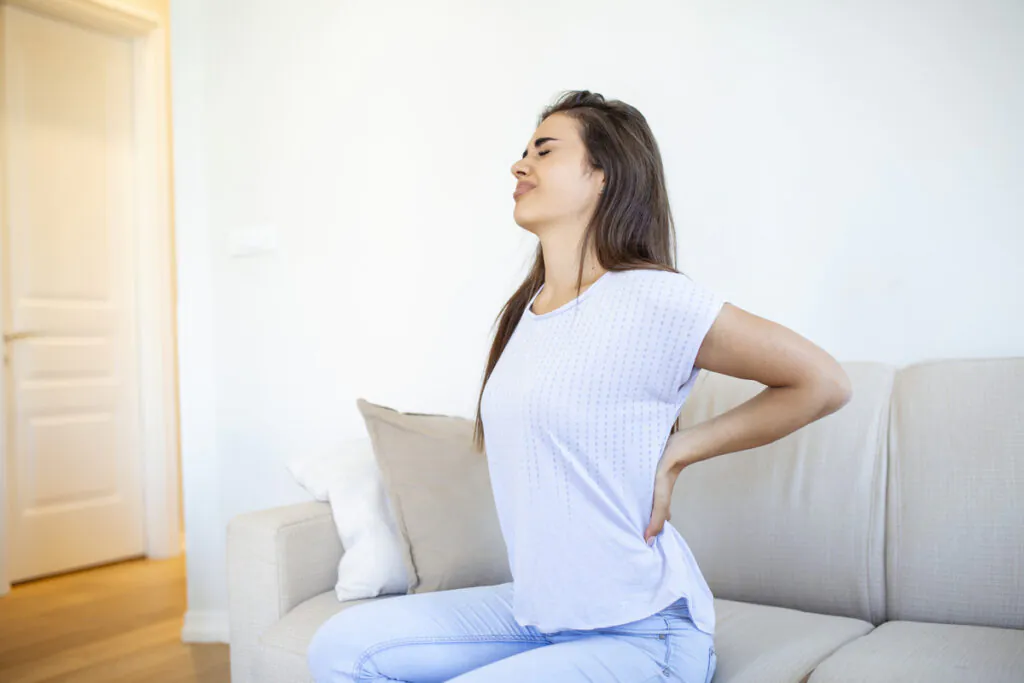
You might be feeling overwhelmed by the demands of daily life, and finding effective ways to relax can seem challenging. However, incorporating natural methods into your routine can provide a much-needed reprieve from stress. By exploring practices like deep breathing, mindfulness, and gentle movement, you can create a calmer environment for yourself. Curious about how these techniques can transform your approach to stress relief? Let's examine five practical tips that can help you regain your balance and enhance your well-being.
Deep Breathing Exercises
Deep breathing exercises are one of the simplest and most effective ways to combat stress. When you focus on your breath, you can quickly shift your mind away from stressors and bring a sense of calm. It's easy to integrate these exercises into your daily routine, whether you're at home, in the office, or even on the go.
To start, find a comfortable position. You can either sit or lie down, whichever feels best for you. Close your eyes and take a slow, deep breath in through your nose, filling your lungs completely. Allow your abdomen to expand as you inhale. Hold your breath for a moment, then slowly exhale through your mouth. Focus on the feeling of the air leaving your body. Repeat this process several times.
You can also try the 4-7-8 technique. Inhale deeply for a count of four, hold your breath for seven counts, then exhale for eight counts. This method helps to slow your heart rate and promotes relaxation. Consider practicing these techniques for just a few minutes each day. Gradually, you'll notice how much better you feel, both mentally and physically.
If you find your thoughts wandering, gently bring your focus back to your breath. The more you practice, the easier it becomes to manage stress through deep breathing.
Mindfulness and Meditation
After practicing deep breathing exercises, you might find that incorporating mindfulness and meditation can further enhance your stress relief efforts.
Mindfulness involves being fully present in the moment, acknowledging your thoughts and feelings without judgment. It's simple to practice—you can start by focusing on your breath. Find a quiet space, sit comfortably, and take a few deep breaths. Allow your thoughts to come and go, but gently bring your focus back to your breath whenever your mind starts to wander.
Meditation, on the other hand, can take various forms, from guided sessions to silent contemplation. You don't need any special equipment; all you need is a few minutes each day. Start with short sessions, perhaps five to ten minutes, and gradually increase the time as you become more comfortable. You can use apps or online resources to find guided meditations that resonate with you.
Both mindfulness and meditation help you cultivate a sense of awareness, helping you understand your stress triggers better. By practicing these techniques regularly, you can build resilience against stress and improve your overall well-being.
Remember, it's about consistency rather than perfection. Even if your mind wanders during meditation, that's completely normal. Just acknowledge it and redirect your focus.
Over time, you'll notice a greater sense of calm and clarity, making it easier to handle life's ups and downs. So, embrace mindfulness and meditation as powerful tools in your journey toward stress relief.
Nature Walks and Fresh Air
Stepping outside for a nature walk can work wonders for your stress levels and overall mood. When you immerse yourself in nature, you allow your mind to escape the hustle and bustle of daily life. Just a short stroll through a park or along a wooded trail can help clear your head and boost your spirits.
As you walk, focus on your surroundings. Listen to the rustle of leaves and the chirping of birds. Breathe deeply, inhaling the fresh air that surrounds you. This simple act of connecting with nature can lower your heart rate and reduce feelings of anxiety. You might notice how the colors of the flowers and the greenery around you can uplift your mood, making you feel more alive and present.
Try to incorporate mindfulness into your walk. Pay attention to each step you take, the rhythm of your breath, and the sensations in your body. This practice not only grounds you in the moment but also allows your mind to unwind, releasing tension and worries.
You could even set a goal to walk a certain distance or explore new trails, turning your nature walks into an enjoyable adventure. Whether you walk alone or with a friend, make it a routine.
Regular exposure to fresh air and natural beauty can greatly improve your mental health. So, lace up your shoes, step outside, and let nature work its magic on your stress.
Herbal Teas for Calmness
Herbal teas can be a soothing remedy for stress and anxiety. When you sip on a warm cup, you're not just enjoying a flavorful drink; you're also inviting a wave of calm into your life. Certain herbs are known for their relaxing properties, making them ideal choices for your daily routine.
Chamomile is a classic option. Its mild sedative effects can help reduce anxiety, allowing you to unwind after a hectic day. Try brewing a cup before bed to promote better sleep.
Lavender tea also offers aromatic tranquility. The scent of lavender alone can lower stress levels, and sipping it can enhance your sense of peace.
Another great choice is passionflower tea. This lesser-known herb is effective for relieving anxiety symptoms and may help you feel more relaxed in stressful situations.
You might also consider lemon balm tea. Its gentle flavor and calming effects can help lift your mood and ease tension.
For an invigorating twist, try a blend that includes peppermint. While it's often recognized for its digestive benefits, peppermint can also help clear your mind, making it easier to focus and stay calm.
As you explore these herbal teas, remember to take a moment to breathe deeply and savor each sip. Allow the warmth to envelop you, and let your worries fade away.
Incorporating herbal teas into your daily routine can be a simple yet powerful way to cultivate calmness and relieve stress naturally.
Gentle Stretching and Yoga
Gentle stretching and yoga can be incredibly effective for relieving stress and promoting relaxation. When you incorporate these practices into your routine, you create a sanctuary for both your mind and body. Stretching helps release tension stored in your muscles, while yoga encourages mindfulness, allowing you to focus on your breath and the present moment.
Start with simple stretches that target areas where you typically hold tension, like your neck, shoulders, and back. Try gentle neck rolls or shoulder shrugs to loosen up.
Then, move into poses like Child's Pose or Cat-Cow. These positions not only stretch your body but also encourage deep breathing, which can greatly reduce your stress levels.
As you practice yoga, remember to listen to your body. Don't push yourself too hard; instead, focus on how each pose feels. This mindful approach helps you connect with your body and releases emotional stress.
Consider joining a local class or following online videos that guide you through gentle routines designed for relaxation.
To deepen your experience, consider incorporating calming music or essential oils into your practice. These elements can enhance your sense of tranquility, helping you unwind even further.
Conclusion
By incorporating these five natural relaxation tips into your routine, you can effectively manage stress and enhance your well-being. Try deep breathing exercises to center your mind, practice mindfulness for clarity, take nature walks to rejuvenate your spirit, sip calming herbal teas, and engage in gentle stretching or yoga. Embracing these techniques not only helps you unwind but also promotes a healthier, more balanced life. Remember, small changes can lead to significant improvements in how you feel.