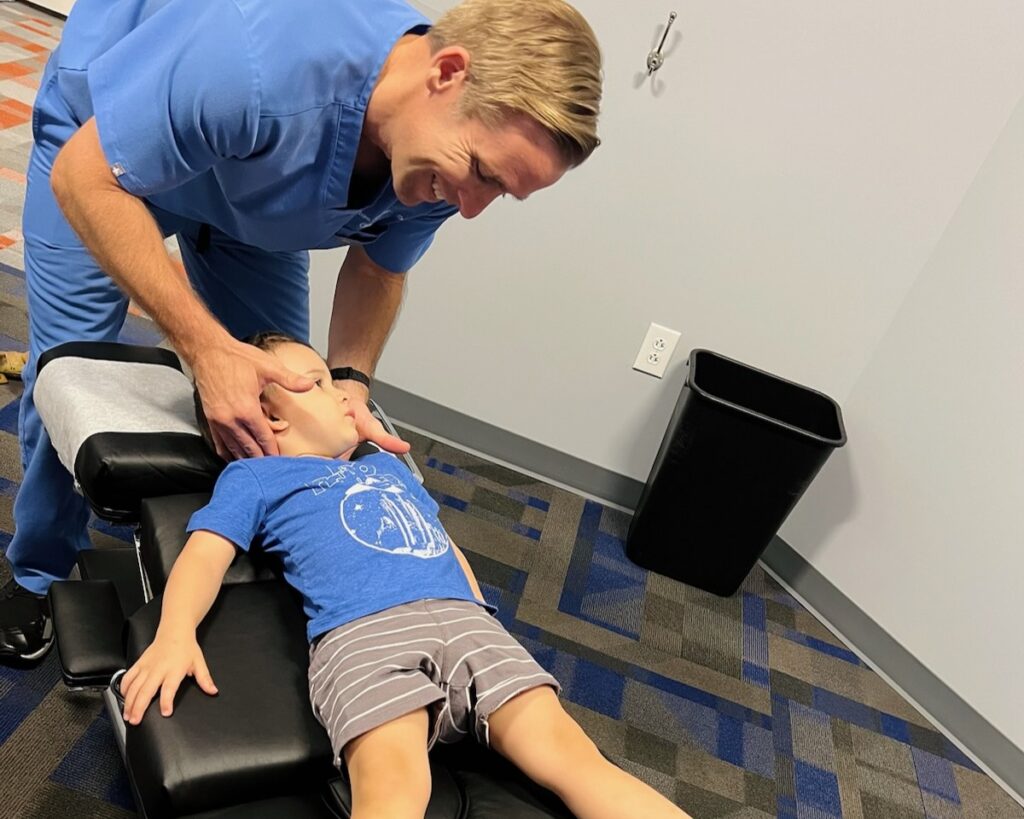
As an athlete, you know how vital recovery is to maintaining peak performance, and chiropractors can be an essential part of that process. They offer a range of techniques that not only enhance your physical recovery but also support your mental resilience. From spinal adjustments to specialized soft tissue therapies, each method serves a specific purpose in helping you bounce back stronger. Curious about the specific strategies they employ and how they can tailor their approach to your needs? Let's explore the seven best ways chiropractors can support your athletic recovery journey.
Spinal Adjustments
When you experience the physical demands of athletic training, spinal adjustments can play an important role in your recovery. Your spine is the backbone of your entire body, and its alignment greatly impacts your overall performance. Misalignments can lead to pain, reduced mobility, and even hinder your ability to train effectively. By visiting a chiropractor, you can guarantee your spine is properly aligned, which helps restore your body's natural function.
Chiropractors use specific techniques to adjust your spine, targeting misaligned vertebrae. These adjustments can alleviate pressure on nerves, reduce inflammation, and enhance blood circulation. As a result, you may notice a decrease in pain and an increase in your range of motion. When you're more flexible and pain-free, you can train harder and recover faster.
In addition to improving your physical performance, spinal adjustments can also positively influence your mental state. When you're not dealing with discomfort or pain, you're likely to feel more motivated and focused during your training sessions. This mental clarity can be just as important as physical readiness in achieving your athletic goals.
Moreover, regular spinal adjustments can prevent injuries by maintaining your spine's health. Keeping your body in ideal alignment reduces the risk of strain on muscles and joints, allowing you to push your limits safely.
Soft Tissue Therapy
Soft tissue therapy focuses on muscle relaxation techniques that help relieve tension and improve recovery.
By incorporating these strategies, you can enhance your athletic performance and reduce the risk of injuries.
Understanding how to implement these methods can be a game changer for your training regimen.
Muscle Relaxation Techniques
Muscle relaxation techniques, particularly soft tissue therapy, play an essential role in enhancing athletic recovery. When you're pushing your physical limits, your muscles can become tight and fatigued. That's where these techniques come in handy. Soft tissue therapy focuses on relieving tension in your muscles, fascia, and tendons, promoting faster healing.
During your sessions, chiropractors use various methods, such as massage, myofascial release, and trigger point therapy. These techniques help reduce muscle tightness and improve blood flow, leading to quicker recovery times. You'll likely feel more relaxed and experience decreased soreness after just a few sessions.
Incorporating muscle relaxation techniques into your routine can also improve your overall performance. When your muscles are relaxed, you'll find it easier to move and execute athletic movements with greater precision.
Additionally, reducing tension can help prevent the build-up of stress, which often leads to injuries.
#
Injury Prevention Strategies
Injury prevention is an essential aspect of maintaining peak athletic performance, and soft tissue therapy offers effective strategies to help you stay in the game. By addressing muscle imbalances and tightness, you can greatly reduce your risk of injuries.
Regular soft tissue therapy, such as massage or myofascial release, promotes better circulation and improves flexibility, enabling your muscles to perform at their best.
Incorporating soft tissue techniques into your training regimen can help identify and alleviate potential problem areas before they escalate into serious injuries. Your chiropractor can assess your biomechanics and develop a tailored treatment plan that focuses on your specific needs.
This proactive approach guarantees that your body remains resilient against the stresses of athletic activities.
Additionally, soft tissue therapy can enhance your recovery between workouts. By breaking down scar tissue and releasing tension in the muscles, you'll feel less fatigued and more prepared for your next performance.
Remember, the goal is to keep your body functioning at its best, so don't overlook the benefits of integrating soft tissue therapy into your injury prevention strategy.
Prioritize your health, and you'll enjoy a longer, more successful athletic career.
## Injury Prevention Strategies
To keep injuries at bay, focusing on posture and alignment is essential.
You can benefit from customized stretching programs tailored to your specific needs.
Posture and Alignment Training
How can proper posture and alignment make a difference in your athletic performance? When you focus on these elements, you pave the way for greater efficiency and reduced injury risk.
Poor posture can lead to muscle imbalances, affecting your strength and stamina during workouts.
Here's how chiropractors can help you improve your posture and alignment:
- Assessment: They evaluate your spinal health and identify misalignments or postural issues that could hinder your performance.
- Corrective Exercises: Chiropractors often provide targeted exercises to strengthen weak muscles and stretch tight ones, facilitating better alignment.
- Education: They teach you about body mechanics, helping you understand how to maintain proper posture during training and daily activities.
- Ongoing Support: Regular adjustments and follow-up visits guarantee that your body stays aligned, allowing you to focus on your athletic goals without distractions from pain or discomfort.
Customized Stretching Programs
A well-structured stretching program can considerably enhance your athletic performance and reduce the likelihood of injuries. As an athlete, you need to understand that every sport demands different muscle groups and movements. Customized stretching programs cater to your specific needs, addressing the unique demands of your sport while focusing on your individual flexibility and strength.
When working with a chiropractor, they'll evaluate your movement patterns, identify areas of tension, and tailor a stretching routine that targets those weaknesses. This personalized approach not only improves your range of motion but also prepares your body for the physical demands of training and competition.
Incorporating dynamic stretches before activity warms up your muscles and increases blood flow. Meanwhile, static stretches post-activity help in muscle recovery and flexibility maintenance.
Consistent practice of these tailored routines can help prevent common injuries like strains and sprains, which often arise from tight or imbalanced muscles.
Enhanced Flexibility Techniques
In the domain of athletic recovery, enhanced flexibility techniques play an essential role in optimizing performance and preventing injuries.
These techniques can help you improve your range of motion, reduce muscle tension, and enhance overall physical performance. By incorporating flexibility routines into your training regimen, you'll not only recover faster but also elevate your game.
Here are four key enhanced flexibility techniques that chiropractors often recommend:
- Dynamic Stretching: Before workouts, engage in dynamic stretches to warm up your muscles. This helps increase blood flow and prepares your body for more intense activity.
- Static Stretching: After exercise, static stretches can be beneficial. Hold each stretch for 15-30 seconds to elongate muscles and improve flexibility over time.
- Foam Rolling: Utilize foam rollers to release muscle tightness and knots. This self-myofascial release technique can enhance blood circulation and promote muscle recovery.
- Proprioceptive Neuromuscular Facilitation (PNF): This advanced stretching technique involves a combination of stretching and contracting your muscles. Partner up for this method, as it can greatly increase flexibility and range of motion.
Nutritional Guidance
Proper nutrition is essential for athletes looking to enhance recovery and performance. When you push your body to its limits, the right nutrients can make all the difference in how quickly you bounce back. Chiropractors often provide nutritional guidance tailored to your specific needs, ensuring you fuel your body effectively after intense training sessions or competitions.
You'll want to focus on a balanced diet that includes an array of macronutrients and micronutrients. Carbohydrates are vital for replenishing glycogen stores, while protein aids in muscle repair and growth. Healthy fats should also be part of your regimen, supporting overall energy levels and joint health. Your chiropractor can help you identify the ideal ratios of these nutrients based on your sport and personal goals.
Hydration is another important aspect of recovery. Dehydration can hinder your performance and prolong recovery time. Your chiropractor might recommend specific hydration strategies, including electrolyte-rich beverages, to maintain the best fluid balance during and after activity.
Additionally, timing matters. Consuming a well-balanced meal or snack within 30 minutes post-exercise can greatly enhance recovery. Your chiropractor can guide you on the best foods to eat during this window, helping you maximize your recovery efforts.
Performance Optimization
Enhancing your performance involves a thorough approach that encompasses more than just physical training. To truly excel in your sport, you need to address various aspects of your health and well-being.
Chiropractors play a crucial role in this enhancement process, helping you improve your athletic capabilities while reducing the risk of injury. Here are four key ways they can assist you:
- Improved Range of Motion: Chiropractic adjustments can restore and maintain proper joint function, leading to an increased range of motion. This flexibility allows you to execute movements more efficiently and effectively during your performance.
- Enhanced Neuromuscular Coordination: By addressing misalignments in your spine, chiropractors help improve communication between your brain and muscles. This can result in better coordination, balance, and overall athletic performance.
- Injury Prevention: Regular chiropractic care can help identify potential issues before they develop into serious injuries. By keeping your body aligned and functioning effectively, you minimize the chances of experiencing setbacks that can derail your training.
- Posture and Mechanics Improvement: Chiropractors can analyze your posture and biomechanics, providing tailored adjustments and exercises to correct any inefficiencies. This leads to improved movement patterns and greater efficiency in your athletic performance.
Incorporating chiropractic care into your training regimen can be a game-changer. By focusing on these areas, you can access your full potential and enjoy a more successful, injury-free athletic experience.
Stress Relief and Relaxation
Athletes often face significant stress from training, competition, and the pressure to perform. Managing this stress is essential for maintaining peak performance and overall well-being. Chiropractors play an important role in helping you achieve stress relief and relaxation, allowing you to focus on your goals without the burden of anxiety.
Chiropractic adjustments can alleviate muscle tension and improve your body's overall alignment. When your spine is in proper alignment, it can enhance your nervous system's function, leading to better stress management. By addressing physical issues, chiropractors help you feel more relaxed and reduce the mental strain associated with athletic demands.
In addition to adjustments, chiropractors often guide you through various relaxation techniques. These might include deep breathing exercises, stretching, or even mindfulness practices. Incorporating these strategies into your routine can help you unwind after intense training sessions, promoting recovery and enhancing your mental clarity.
Moreover, regular chiropractic care can contribute to better sleep quality, which is essential for managing stress levels. When you're well-rested, your body can recover more effectively, and your mind can approach challenges with a clearer perspective.
Using chiropractic care as part of your recovery regimen not only promotes physical health but also supports your mental well-being. By prioritizing stress relief and relaxation, you'll find yourself better equipped to tackle the demands of training and competition, ultimately leading to improved athletic performance.
Conclusion
Incorporating chiropractic care into your recovery routine can notably enhance your athletic performance and overall well-being. By focusing on spinal adjustments, soft tissue therapy, and personalized strategies, chiropractors help you bounce back faster from injuries and prevent future ones. Embrace the benefits of improved flexibility, nutrition, and stress relief to optimize your athletic journey. Trust in your chiropractor's expertise, and you'll not only recover more effectively but also reach new heights in your performance.