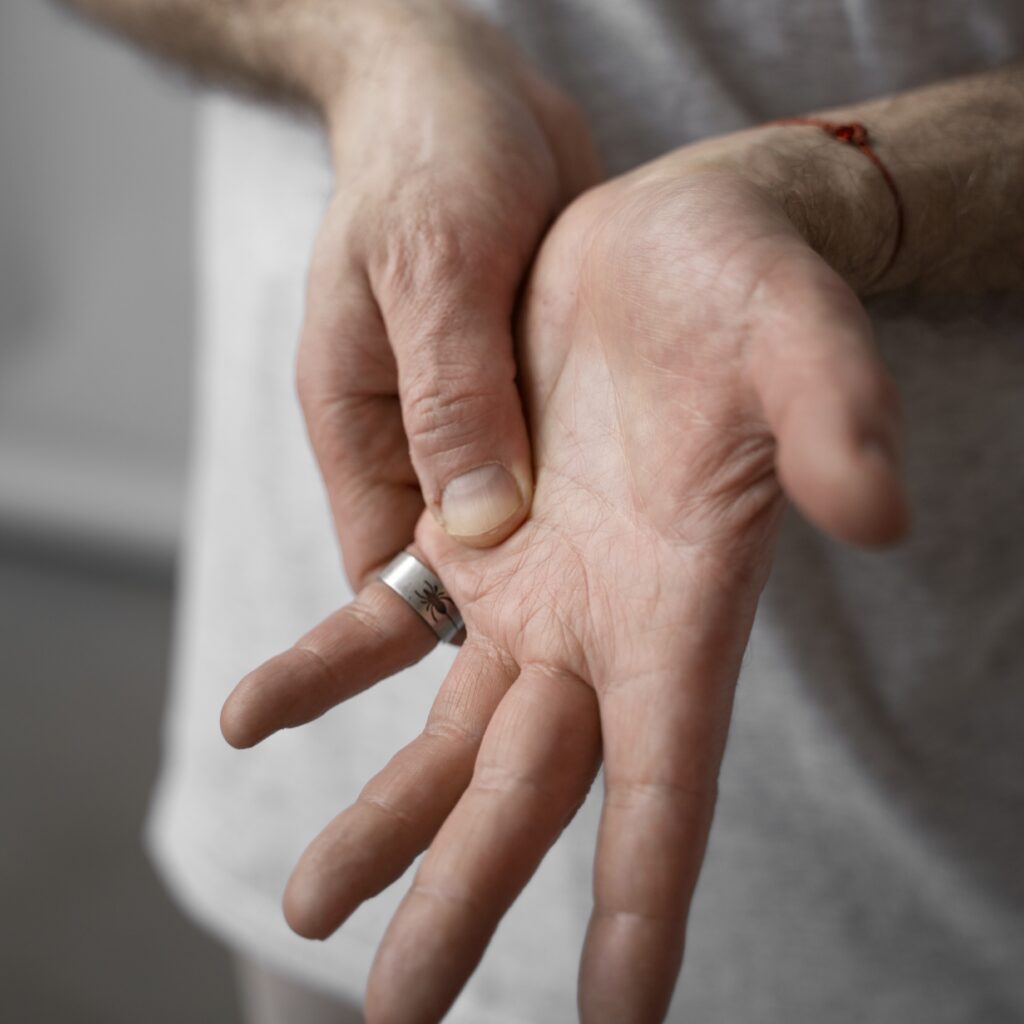
If you're tired of relying on over-the-counter medications for your headaches, you might find natural relief more appealing. There are several effective strategies that can help ease your discomfort without the side effects of pharmaceuticals. From staying hydrated to incorporating essential oils, these tips can fit easily into your daily routine. Curious about how simple adjustments can make a significant impact on your well-being? Understanding the right techniques could be the key to finding lasting relief.
Stay Hydrated
Your body's hydration levels play an essential role in preventing headaches. When you're even slightly dehydrated, your brain can temporarily shrink from fluid loss, causing pain and discomfort. To keep those headaches at bay, it's vital to drink enough water throughout the day. Aim for at least eight 8-ounce glasses daily, but remember that your specific needs may vary depending on factors like activity level, climate, and overall health.
Start your day by drinking a glass of water first thing in the morning. This simple habit can kickstart your hydration for the day. Carry a reusable water bottle with you to make it easier to sip throughout the day, and set reminders on your phone if you often forget.
If plain water doesn't excite you, try adding slices of lemon, cucumber, or berries for a revitalizing twist. Pay attention to your body's signals. If you feel thirsty, don't ignore it; drink water immediately. You might also want to keep an eye on the color of your urine. Light yellow indicates good hydration, while dark yellow suggests you need to drink more fluids.
Additionally, be mindful of your caffeine and alcohol intake, as both can contribute to dehydration. If you consume these beverages, counterbalance with extra water. By prioritizing hydration, you're not only supporting overall health but also reducing the likelihood of headaches.
Practice Relaxation Techniques
While headaches can stem from various triggers, practicing relaxation techniques can be a powerful way to alleviate tension and stress that often contribute to discomfort. Incorporating these techniques into your daily routine can help you manage headaches more effectively.
Start by trying deep breathing exercises. Find a quiet space, close your eyes, and take slow, deep breaths. Inhale through your nose for a count of four, hold for four, and exhale through your mouth for another four. Repeat this several times. The focus on your breath can help calm your mind and reduce tension.
Progressive muscle relaxation is another effective method. Begin with your toes and work your way up your body, tensing each muscle group for a few seconds before releasing. This helps you become more aware of physical tension and promotes relaxation.
Mindfulness meditation can also be beneficial. Set aside a few minutes each day to sit quietly and focus on the present moment. Observe your thoughts and feelings without judgment. This can create a sense of peace and reduce the likelihood of stress-induced headaches.
Lastly, consider gentle yoga or stretching. These activities not only promote relaxation but also increase blood flow and flexibility, which can help ease headache symptoms. Even a few minutes of stretching can make a significant difference.
Apply Cold or Warm Compress
After practicing relaxation techniques, you might find that applying a cold or warm compress can further ease headache discomfort. Both methods can help reduce tension and alleviate pain, but it's crucial to choose the right one based on your headache type.
Cold compresses are often best for migraines or tension headaches, while warm compresses may work better for sinus headaches or muscle tension.
To apply a cold compress, wrap ice or a cold pack in a cloth and place it on your forehead or the back of your neck. Keep it there for about 15-20 minutes, allowing your body to adjust. If you prefer heat, a warm compress can be made using a warm towel or heating pad. Apply it similarly, focusing on the areas that feel tense or painful.
Here are some tips to keep in mind when using compresses for headache relief:
- Experiment with temperature: You might find one temperature works better for you than the other.
- Use a timer: Set a timer to avoid overdoing it; too much cold or heat can be counterproductive.
- Stay hydrated: Drinking water while using a compress can help enhance your relief.
- Combine techniques: Alternate between cold and warm compresses for a more thorough approach.
With the right application, you can find significant relief from headache discomfort and improve your overall well-being. Give it a try and see which method works best for you!
Explore Aromatherapy
Aromatherapy can be a powerful tool for headache relief, and essential oils play a key role in that.
You'll learn effective inhalation techniques to maximize their benefits, along with recommendations for diffusers to enhance your experience.
Let's explore how these natural scents can help ease your discomfort.
Essential Oils for Relief
When you're searching for natural headache relief, essential oils can be a powerful ally. These concentrated plant extracts offer soothing properties that can help alleviate headaches and promote relaxation.
Here are some popular essential oils you might want to try:
- Peppermint Oil: Known for its invigorating scent, peppermint oil can help improve circulation and reduce tension.
- Lavender Oil: With its calming aroma, lavender oil is perfect for relieving stress and promoting a sense of tranquility.
- Eucalyptus Oil: This oil can help clear your sinuses and ease congestion, which might be contributing to your headache.
- Rosemary Oil: Rosemary is known for its ability to enhance mental clarity and relieve tension headaches.
To use these oils effectively, you can add a few drops to a diffuser, mix them with a carrier oil for a gentle massage on your temples, or simply inhale them directly from the bottle.
Remember to always do a patch test before applying them to your skin. With these simple methods, you can harness the power of essential oils and find the relief you need naturally.
Inhalation Techniques Explained
Access the soothing benefits of aromatherapy through effective inhalation techniques. Inhaling essential oils can provide quick relief from headaches and promote relaxation.
To start, choose a calming scent like lavender or peppermint. Place a few drops of the chosen oil onto a cotton ball or a tissue. Hold it close to your nose, and take deep, slow breaths. This method allows the scent to reach your olfactory receptors, triggering a calming response.
Another technique involves steam inhalation. Boil water and carefully pour it into a bowl. Add a few drops of your favorite essential oil to the water. Lean over the bowl, covering your head and the bowl with a towel to trap the steam. Inhale deeply for several minutes, letting the aromatic steam clear your sinuses and ease tension.
You can also try using an inhaler. Fill a small inhaler with your chosen essential oil blend and keep it handy for when headaches strike. Just a few quick inhales can help alleviate discomfort and uplift your mood.
Experiment with different oils and techniques to find what works best for you, and enjoy the natural relief that aromatherapy offers.
Diffuser Recommendations Offered
Inhaling essential oils can be a fantastic way to relieve headaches, but using a diffuser takes your aromatherapy experience to another level. A diffuser disperses essential oils into the air, creating a calming environment that helps ease tension and promote relaxation.
When choosing a diffuser, consider these factors to find the best fit for your needs:
- Ultrasonic Diffuser: This type uses water to create a fine mist, which helps maintain the oil's therapeutic properties while providing humidity to the air.
- Nebulizing Diffuser: Ideal for those looking for pure aroma, it disperses undiluted essential oils without heat or water, ensuring maximum potency.
- Heat Diffuser: Perfect for those who want a more budget-friendly option, it gently heats the oil, releasing its fragrance. Just be cautious, as heat can alter the oil's properties.
- Car Diffuser: If you often get headaches on the go, a car diffuser allows you to enjoy your favorite essential oils while driving, helping you stay relaxed and focused.
Maintain Good Posture
How often do you find yourself slumped over your desk or craning your neck to see your screen? If you're like most people, it's probably more often than you'd like to admit.
Good posture is essential for preventing tension headaches and promoting overall well-being. When you maintain proper alignment, you reduce strain on your neck and back, which can alleviate discomfort and keep headaches at bay.
Start by ensuring your chair supports your lower back. Sit all the way back in your chair, so your spine is aligned with the backrest. Your feet should rest flat on the floor or on a footrest, with your knees at hip level.
Adjust your desk height to keep your elbows at a comfortable angle, ideally around 90 degrees. Your monitor should be at eye level, so you don't have to tilt your head up or down to see it.
When you work at a computer, take regular breaks to stretch and reset your posture. Stand up, move around, and do some gentle neck rolls to relieve tension.
Pay attention to how you sit and adjust your posture as needed throughout the day.
Being mindful of your body alignment won't only help reduce headaches but also improve your focus and productivity. Make a conscious effort to maintain good posture, and you might just find that your headaches become less frequent and less intense.
Take control of your posture today and enjoy the relief it can bring!
Incorporate Regular Exercise
Regular exercise plays an essential role in alleviating headaches and enhancing your overall health. When you make physical activity a regular part of your routine, you can reduce the frequency and intensity of your headaches.
Exercise promotes better blood circulation, reduces tension, and helps release endorphins, which are natural pain relievers. This combination can lead to fewer headache episodes and improved mood.
To get the most out of your exercise routine, consider the following tips:
- Choose activities you enjoy: Whether it's walking, cycling, swimming, or dancing, find something that makes you excited to move.
- Start slow: If you're new to exercising, ease into it. Gradually increase the intensity and duration to avoid overexertion, which can trigger headaches.
- Stay consistent: Aim for at least 150 minutes of moderate aerobic activity each week. Consistency helps your body adapt and reap the benefits of exercise.
- Incorporate stretching and relaxation: Activities like yoga or Pilates can help relieve muscle tension, which is often a headache trigger.
Consider Dietary Adjustments
Making dietary adjustments can greatly impact your headache management. You mightn't realize it, but certain foods and drinks can trigger headaches or exacerbate existing ones. By identifying and modifying your diet, you can potentially reduce the frequency and severity of your headaches.
Start by keeping a food diary. Track what you eat and drink, along with when you experience headaches. This can help you pinpoint any patterns or specific triggers. Common culprits include aged cheeses, processed meats, alcohol, caffeine, and artificial sweeteners. Once you identify these triggers, consider eliminating or reducing them from your diet.
On the flip side, incorporating headache-friendly foods can also make a difference. Focus on whole, unprocessed foods, including fruits, vegetables, whole grains, and lean proteins. Foods rich in magnesium, such as spinach, nuts, and seeds, may help prevent headaches. Stay hydrated, too; dehydration is a well-known headache trigger. Aim to drink plenty of water throughout the day.
Don't forget about meal timing. Skipping meals can lead to low blood sugar, which can trigger headaches. Regular, balanced meals can help maintain stable blood sugar levels.
Lastly, consider consulting a healthcare professional or a nutritionist. They can provide personalized advice based on your specific needs and help you create a diet plan that supports your headache relief goals.
Making these dietary changes can lead to significant improvements in your overall well-being.
Conclusion
By following these seven tips for natural headache relief, you can take charge of your well-being and reduce discomfort. Staying hydrated, practicing relaxation techniques, and using compresses can make a significant difference. Don't forget to explore the benefits of aromatherapy, maintain good posture, engage in regular exercise, and consider dietary adjustments to boost your overall health. With these simple strategies, you'll be better equipped to manage headaches and enjoy a more comfortable, pain-free life.