You might be surprised to learn that around 75% of athletes find substantial relief through alternative pain management techniques. Methods like acupuncture, massage therapy, and yoga not only address pain but can also enhance recovery and performance. As these athletes increasingly turn to holistic approaches, it raises questions about the effectiveness of traditional treatments. What specific benefits do these alternatives offer, and how can they be integrated into a standard training regimen? Exploring these aspects could change the way you think about pain relief in sports.
Overview of Alternative Pain Relief
Pain management is essential for athletes looking to maintain peak performance and recover quickly from injuries. When conventional methods like medication or physical therapy don't quite cut it, many athletes turn to alternative pain relief options. These alternatives can provide unique benefits, helping you manage discomfort while supporting your overall well-being.
Alternative pain relief methods often focus on natural and holistic approaches. You might consider options like acupuncture, which uses thin needles to stimulate specific points in your body, promoting healing and reducing pain.
Another popular choice is massage therapy, known for its ability to alleviate muscle tension and improve circulation, allowing for faster recovery.
Additionally, practices such as yoga and mindfulness meditation can help you develop a better connection with your body. These techniques not only reduce stress and anxiety but also enhance your body's natural pain-relieving capabilities.
You may find that incorporating these practices into your routine allows you to perform better and feel more balanced.
Herbal remedies and essential oils are also gaining traction among athletes. Many find relief from topical applications or tinctures made from natural ingredients like arnica or turmeric.
These substances can reduce inflammation and support healing in a more natural way.
Ultimately, exploring alternative pain relief options can empower you to take control of your recovery. By integrating these methods into your routine, you'll likely find an approach that complements your training and helps you stay on top of your game.
Popular Methods Among Athletes
Many athletes frequently explore various alternative pain relief methods to enhance their performance and recovery. One popular method is the use of CBD oil, which many athletes swear by for its anti-inflammatory properties. You might find that it helps alleviate pain without the psychoactive effects associated with THC.
Another method gaining traction is the practice of yoga. Not only does it improve flexibility, but it also aids in reducing stress and managing pain through controlled breathing and mindfulness techniques.
Massage therapy is another widely embraced alternative. You can opt for deep tissue or sports massage to target specific areas of tension, promoting blood flow and aiding muscle recovery.
Many athletes also turn to cryotherapy, where you expose your body to extremely cold temperatures for a short period. This method can considerably reduce soreness and inflammation, allowing you to bounce back faster.
Moreover, some athletes are incorporating essential oils into their recovery routines. Oils like lavender and peppermint are known for their soothing properties and can be used topically or in diffusers.
Acupuncture, while not discussed here, is also a popular choice among athletes looking for relief from chronic pain and injuries.
Lastly, nutritional supplements, such as turmeric and omega-3 fatty acids, are often included in athletes' diets for their anti-inflammatory benefits. By exploring these methods, you can discover what works best for you and optimize your performance while managing pain effectively.
Benefits of Acupuncture
Acupuncture offers numerous benefits for athletes seeking relief from chronic pain and injuries. This ancient practice involves inserting thin needles into specific points on your body, promoting healing and relaxation.
One of the most significant advantages is its ability to reduce pain effectively. By stimulating the nervous system, acupuncture releases endorphins, your body's natural painkillers, helping you manage discomfort without relying solely on medication.
Moreover, acupuncture enhances blood circulation, which accelerates recovery from injuries. Improved blood flow means more nutrients and oxygen reach damaged tissues, speeding up healing and reducing inflammation. As an athlete, this can mean a quicker return to training and competition.
You'll also find that acupuncture can help with muscle tension and stiffness. Regular sessions can keep your muscles relaxed and flexible, which is essential for peak performance.
Additionally, it aids in stress reduction, allowing you to stay mentally sharp and focused during competitions. Mental clarity is as essential as physical readiness, and acupuncture can play a key role in maintaining that balance.
Lastly, many athletes report improved sleep quality after acupuncture treatments. Quality rest is essential for recovery and performance, so this benefit shouldn't be overlooked. When you're well-rested, you'll be more energetic and ready to tackle your training sessions.
Incorporating acupuncture into your routine can provide a holistic approach to pain management and overall athletic performance, ensuring you stay at the top of your game.
Chiropractic Care Insights
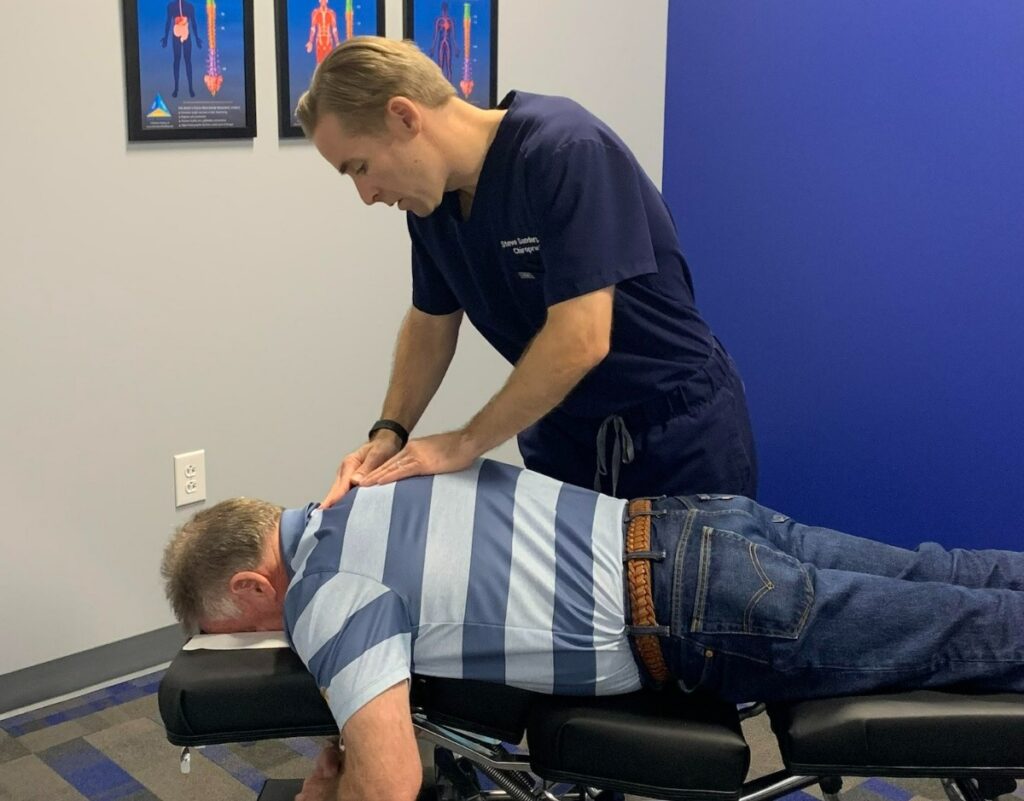
Chiropractic care offers valuable insights for athletes looking to enhance their performance and alleviate discomfort. By focusing on the spine and its relationship to the nervous system, chiropractic adjustments can help improve your overall body mechanics. When your spine is aligned, your body functions more efficiently, which can lead to better athletic performance.
Regular chiropractic visits can help you identify and address any misalignments or dysfunctions before they escalate into more serious injuries. This proactive approach not only helps in injury prevention but also aids in faster recovery from existing injuries. When you're in alignment, your body can heal more effectively, allowing you to get back to your training routine sooner.
Moreover, chiropractic care can enhance your flexibility and range of motion. This is especially vital for athletes who rely on these attributes to perform at their best. With improved mobility, you can execute movements more fluidly, reducing the risk of strains and sprains.
In addition, many athletes experience muscle tension due to intense training regimens. Chiropractors often incorporate techniques like soft tissue therapy to relieve this tension, helping you feel more relaxed and ready to tackle your next workout.
Herbal Remedies Explained
When considering herbal remedies for pain relief, you'll find a variety of popular options at your disposal.
Each herb comes with its own set of benefits and potential risks, so it's essential to understand what you're using.
Let's explore these remedies to help you make informed choices for your athletic needs.
Popular Herbal Options
Exploring alternative pain relief methods can lead you to a variety of effective herbal options that athletes have relied on for centuries.
One popular choice is arnica, a flowering plant often used in topical creams and gels. It's known for reducing inflammation and soothing sore muscles, making it a go-to for post-workout recovery.
Another option is ginger, which has anti-inflammatory properties that can alleviate pain. Whether you consume it as a tea, supplement, or in your meals, ginger's benefits are well-documented.
Turmeric is also worth mentioning, thanks to its active compound, curcumin, which has powerful anti-inflammatory effects.
You might consider using willow bark, often referred to as "nature's aspirin," for its pain-relieving qualities. Many athletes find it effective for managing joint pain.
Finally, don't overlook the power of peppermint. Its menthol content provides a cooling sensation and can help reduce muscle tension.
Incorporating these herbal remedies into your routine can offer a natural alternative to conventional pain relief methods.
Always consult with a healthcare professional before starting any new treatment to verify it's the right fit for your needs.
Benefits and Risks
While herbal remedies offer a range of benefits for pain relief, it's vital to weigh their advantages against potential risks. Many athletes turn to these natural options for their ability to alleviate discomfort without the side effects often associated with pharmaceuticals. For instance, herbs like turmeric and ginger possess anti-inflammatory properties that can help reduce pain and promote recovery.
However, there are risks involved. Not all herbal remedies are safe for everyone; they can cause allergic reactions or interact negatively with other medications. It's important to evaluate the quality and source of the herbs you choose, as contamination or improper dosing can lead to adverse effects.
Additionally, the efficacy of these remedies can vary from person to person, making it necessary to monitor your body's responses closely. Before starting any herbal regimen, consulting with a healthcare professional is a smart move.
They can help you navigate the potential benefits and risks tailored to your needs. By understanding both sides, you can make informed decisions that enhance your athletic performance while keeping your health in check.
The Role of Nutrition
When it comes to managing pain, what you eat plays a vital role in your recovery. Nutrient-dense foods can support your body, while staying hydrated helps reduce inflammation and speeds up healing.
You might also consider specific supplements that target pain relief, enhancing your overall nutrition plan.
Nutrient-Dense Foods Matter
Athletes' performance and recovery hinge greatly on their nutrition, making nutrient-dense foods essential. When you fuel your body with whole, unprocessed foods rich in vitamins, minerals, and antioxidants, you're setting yourself up for success. These foods not only support your energy levels but also aid in reducing inflammation and speeding up recovery.
Incorporating foods like leafy greens, lean proteins, whole grains, nuts, and seeds into your diet will provide the nutrients your muscles need to repair after intense workouts. For example, dark leafy greens are packed with antioxidants that combat oxidative stress, while lean proteins help rebuild muscle tissue. Whole grains offer sustained energy, ensuring you maintain peak performance throughout your training.
Don't overlook the importance of healthy fats, either. Foods like avocados, olive oil, and fatty fish can help reduce inflammation, allowing you to recover faster.
Hydration's Impact on Recovery
Nutrition isn't just about what you eat; it also encompasses how you hydrate. Staying properly hydrated is essential for your recovery as an athlete. Water plays an important role in transporting nutrients, regulating body temperature, and maintaining joint lubrication.
When you're dehydrated, your performance can suffer, and your recovery time may increase. After intense workouts or competitions, your body needs to replenish lost fluids. You'll want to drink water and consider electrolyte-rich beverages, especially if you've sweated heavily.
Electrolytes help restore balance and support muscle function, which can reduce soreness and speed up recovery. Listening to your body is key. If you're feeling fatigued or experiencing headaches, you might need more fluids.
Aim for consistent hydration throughout the day, not just during workouts. Incorporating hydrating foods like fruits and vegetables can also aid your recovery. Foods such as watermelon, cucumbers, and oranges provide hydration and essential nutrients that support your overall health.
Ultimately, hydration is an integral part of your nutrition strategy. Prioritizing it will enhance your recovery, keeping you at your best for the next challenge. Stay hydrated, and your body will thank you.
Supplements for Pain Relief
Exploring the benefits of supplements can greatly enhance your pain relief strategy as an athlete. Many athletes overlook the power of nutrition in managing pain, but specific supplements can make a significant difference. Omega-3 fatty acids, found in fish oil, are well-known for their anti-inflammatory properties, helping to reduce joint pain and soreness.
Turmeric, another popular supplement, contains curcumin, which has been shown to alleviate pain and inflammation. You might also consider glucosamine and chondroitin, which support joint health and can diminish discomfort over time.
Additionally, magnesium plays an essential role in muscle function and can help prevent cramps and spasms. Taking a high-quality multivitamin can also guarantee you're not missing out on essential nutrients that could aid your recovery process.
Before incorporating any new supplements, it's wise to consult with a healthcare professional or a nutritionist tailored to your specific needs. They can help you navigate the myriad options and create a personalized plan that optimizes your performance while managing pain effectively.
Mindfulness and Mental Health
Mindfulness can be a powerful tool for enhancing mental health, especially for athletes who often face intense pressure and stress. By practicing mindfulness, you can cultivate greater awareness of your thoughts and feelings, which allows you to manage anxiety, improve focus, and enhance your overall performance. It's about being present in the moment, letting go of distractions, and tuning into your body and mind.
When you incorporate mindfulness techniques into your routine, you're not just improving your athletic skills; you're also nurturing your mental well-being. Techniques like meditation, deep breathing, and body scans can help you ground yourself and reduce overwhelming emotions. Instead of spiraling into negative thoughts, you learn to observe them without judgment, which can greatly alleviate stress.
Moreover, mindfulness fosters resilience. As you face challenges in your sport, being mindful helps you respond thoughtfully rather than react impulsively. This mental clarity can lead to more strategic decision-making during competitions, ultimately boosting your performance.
Additionally, mindfulness can improve your recovery process. By focusing on your breath and being present during downtime, you allow your body to heal more effectively. It also promotes a sense of gratitude for your abilities and achievements, enhancing your overall enjoyment of the sport.
Incorporating mindfulness into your daily routine isn't just an additional practice; it's a lifestyle change that can lead to lasting benefits for both your mental health and athletic performance.
Case Studies and Testimonials
Athletes from various sports have shared powerful stories about how alternative pain relief methods have transformed their approach to recovery and performance.
You might find inspiration in the experience of a professional runner who turned to acupuncture after facing chronic knee pain. Within just a few sessions, she noticed significant improvements, allowing her to train without the persistent discomfort that had plagued her for years. This newfound freedom not only enhanced her physical performance but also boosted her confidence on the track.
Similarly, a football player found relief through chiropractic adjustments, which helped alleviate his recurring back injuries. After incorporating regular visits into his routine, he experienced enhanced mobility and reduced pain, leading to better on-field performance. He credits these adjustments for prolonging his athletic career and maintaining peak performance during vital games.
You can also consider the story of a swimmer who embraced mindfulness and meditation techniques. By focusing on breath control and mental clarity, he conquered the anxiety associated with competition and managed pain more effectively. His ability to stay calm and centered during races allowed him to achieve personal bests, showcasing the profound impact of mental wellness on physical performance.
These testimonials highlight that alternative pain relief methods can empower you to reclaim control over your body and your sport.
Athletes like you're discovering that exploring different healing modalities can lead to remarkable shifts in both recovery and performance, ultimately enhancing their athletic journeys.
Research and Scientific Evidence
Scientific research increasingly supports the efficacy of alternative pain relief methods for athletes. Studies show that techniques like acupuncture, massage therapy, and herbal treatments can greatly reduce pain and enhance recovery. For instance, a systematic review of acupuncture found it effective in managing chronic pain, with many athletes reporting reduced muscle soreness and improved flexibility after sessions.
Moreover, research highlights the benefits of mindfulness and meditation practices. A study published in the Journal of Sports Medicine showed that athletes who engaged in mindfulness-based stress reduction experienced lower levels of perceived pain and anxiety, leading to better performance. This suggests that mental approaches can complement physical treatments, creating a holistic strategy for pain management.
In addition, the use of CBD oil has garnered attention. Several studies indicate that cannabinoids can help alleviate inflammation and pain without the side effects associated with traditional pain medications. Athletes utilizing CBD report quicker recovery times and improved overall well-being.
Furthermore, nutrition plays a critical role in pain management. Research indicates that diets rich in omega-3 fatty acids can help reduce inflammation, providing another layer of support for athletes dealing with chronic pain.
Integrating Alternatives Into Training
Incorporating alternative pain relief methods into your training regimen can enhance performance and recovery. Whether you're dealing with soreness, fatigue, or minor injuries, these techniques can provide significant benefits. Techniques like acupuncture, massage therapy, and yoga not only alleviate pain but also promote relaxation and flexibility, which are vital for peak athletic performance.
Start by evaluating your current training routine. Identify any persistent pain points or areas where you feel tightness. Consider scheduling regular sessions with a qualified massage therapist to address these issues. Not only will this help in recovery, but it can also improve your range of motion, allowing you to train harder and smarter.
You might also explore acupuncture. Many athletes swear by its effectiveness in pain management and injury prevention. Integrating this into your training schedule can help you maintain peak physical condition while reducing reliance on medications.
Yoga is another fantastic alternative. It enhances flexibility, balance, and mental focus, all of which are essential for athletes. Try incorporating a weekly yoga class to complement your training. You'll find that the mindfulness aspect can also help you manage stress, allowing you to stay focused during competitions.
Lastly, don't forget about nutrition. Foods rich in omega-3 fatty acids, turmeric, and antioxidants can help reduce inflammation. By integrating these alternative pain relief methods into your training, you'll likely notice improved performance and quicker recovery times, keeping you at the top of your game.
Conclusion
Incorporating alternative pain relief methods into your training can greatly enhance your performance and recovery. With 75% of athletes reaping the benefits from techniques like acupuncture, massage, and mindfulness, it's worth exploring these holistic approaches. By addressing both physical discomfort and mental well-being, you can improve focus and reduce muscle soreness. Don't hesitate to integrate these natural remedies into your routine; they might just be the key to releasing your full athletic potential!