
If you’ve been dealing with tingling fingers, a weak grip, or that nagging numbness that wakes you up in the middle of the night, you may already suspect carpal tunnel syndrome is to blame. It’s one of the most common nerve conditions affecting working adults today, and it can make even simple tasks — like typing, cooking, or holding a cup of coffee — genuinely painful. The good news is that you don’t have to jump straight to surgery or rely on pain medication to find relief. Here in Fort Worth, TX, many patients visit Cityview Chiropractic to explore conservative, non-invasive options for managing carpal tunnel syndrome, and they’re often surprised by how much help is available.
What Is Carpal Tunnel Syndrome?
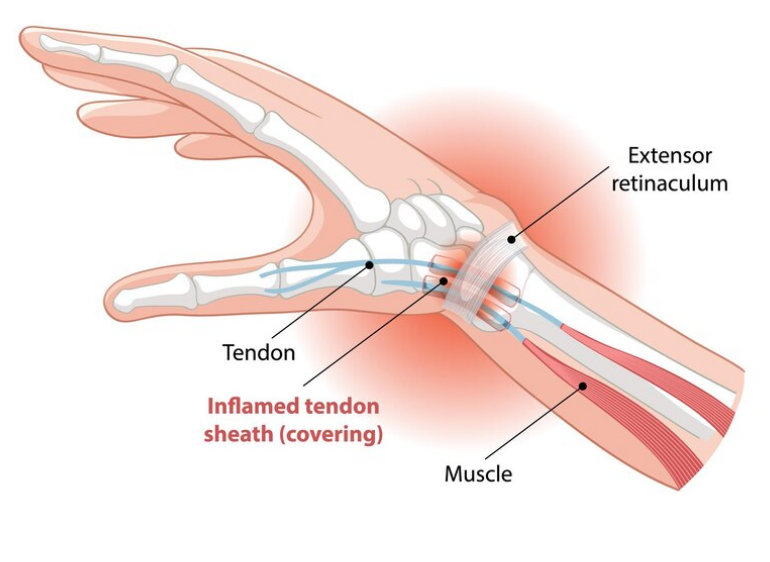
Carpal tunnel syndrome occurs when the median nerve — which runs from your forearm through a narrow passageway in the wrist called the carpal tunnel — becomes compressed or irritated. This compression leads to symptoms like numbness, tingling, burning, and weakness in the hand and fingers. It is a musculoskeletal and neurological condition that chiropractors are well-positioned to assess and support through conservative care.
What Causes Carpal Tunnel Syndrome?
Carpal tunnel syndrome doesn’t usually develop overnight. It tends to build slowly over time, often as a result of repetitive hand and wrist movements, sustained awkward positions, or underlying health factors that increase nerve sensitivity. Understanding the root cause is one of the first steps in addressing it effectively.
Repetitive motion is one of the most well-recognized contributors. People who spend long hours typing, using a computer mouse, playing an instrument, or working with vibrating tools are particularly vulnerable. The repeated flexion and extension of the wrist can gradually irritate the tendons and soft tissue inside the carpal tunnel, leaving less room for the median nerve to pass through comfortably.
It’s also worth noting that carpal tunnel syndrome isn’t always just a wrist problem. The median nerve originates in the cervical spine — specifically in the lower neck region — and travels all the way down through the shoulder, elbow, forearm, and into the hand. If there is nerve irritation or restricted movement anywhere along that pathway, it can contribute to or worsen symptoms at the wrist. This is sometimes referred to as a “double crush” phenomenon, and it’s one reason why a thorough chiropractic evaluation looks at the entire upper kinetic chain, not just the wrist.
Other contributing factors can include fluid retention during pregnancy, hypothyroidism, diabetes, and inflammatory conditions like rheumatoid arthritis. These systemic issues can cause tissue swelling that further narrows the carpal tunnel. Dr. Steve Sanders takes all of these factors into account during a comprehensive intake at Cityview Chiropractic to make sure nothing is missed.
Signs and Symptoms to Watch For
Recognizing carpal tunnel syndrome early can make a meaningful difference in how well conservative treatments work. The earlier you address it, the more options you have — and the less likely it is to progress to a more serious stage.
The most common symptom is numbness or tingling in the thumb, index finger, middle finger, and part of the ring finger. These are the fingers supplied by the median nerve. Many people notice these sensations most strongly at night, which is partly because we tend to sleep with our wrists bent, increasing pressure on the nerve.
Weakness in the hand is another hallmark symptom. You might find yourself dropping objects more often, struggling to open jars, or losing your grip unexpectedly. In more advanced cases, some people notice that the muscle at the base of the thumb (the thenar eminence) begins to flatten out due to prolonged nerve compression.
Pain can also radiate up the forearm toward the elbow. This is a clue that the median nerve is being affected along its course, not just at the wrist. If you’re experiencing any of these symptoms, it’s worth getting a proper evaluation. At Cityview Chiropractic in Fort Worth, Dr. Steve Sanders uses orthopedic tests and a detailed history to help determine whether carpal tunnel syndrome is truly the culprit — or whether something else is going on.
How Chiropractic Care Can Help Treat Carpal Tunnel
When most people think of chiropractic care, they picture spinal adjustments. And while that’s certainly a core part of what chiropractors do, the scope of chiropractic care extends well beyond the spine. Chiropractors are trained in the assessment and management of musculoskeletal conditions throughout the entire body, including the wrist, elbow, and shoulder — all of which can play a role in carpal tunnel syndrome.
Evidence from sources like the National Center for Complementary and Integrative Health (NCCIH) and several peer-reviewed journals suggests that conservative, non-surgical approaches — including chiropractic care — can be beneficial for mild to moderate carpal tunnel syndrome. It’s not a cure-all, but for many patients, it offers meaningful relief without the risks associated with surgery or the side effects of long-term medication use.
Here’s how chiropractic care typically addresses carpal tunnel syndrome:
Wrist and Hand Manipulation: Dr. Steve Sanders may use gentle manipulation or mobilization of the bones and joints of the wrist to help restore normal joint motion and reduce mechanical stress on the carpal tunnel. When the small carpal bones are not moving properly, they can contribute to increased pressure within the tunnel. Restoring proper alignment and motion can help reduce that pressure.
Cervical Spine Adjustments: Because the median nerve originates in the neck, spinal dysfunction in the cervical region can sensitize the nerve and make carpal tunnel symptoms worse. Chiropractic adjustments to the cervical and upper thoracic spine may help reduce nerve irritability along the entire pathway, addressing one potential contributing cause rather than just treating the symptoms at the wrist.
Elbow and Forearm Mobilization: The median nerve passes through several tight spots on its way from the neck to the fingers. The area near the elbow — called the pronator teres muscle — is another place where compression can occur. Chiropractors may use soft tissue techniques and joint mobilization in this region to relieve tethering or restriction along the nerve’s path.
Soft Tissue Therapy: Techniques such as myofascial release, trigger point therapy, or instrument-assisted soft tissue mobilization (IASTM) can help loosen tight muscles and fascia that may be contributing to nerve compression or restricted movement in the wrist and forearm.
Therapeutic Exercises and Nerve Gliding: Chiropractors often incorporate specific stretches and nerve gliding exercises into a care plan. Nerve gliding exercises are gentle movements designed to encourage the median nerve to move freely through its surrounding tissues, which can help reduce symptoms over time.
What to Expect at Cityview Chiropractic
If you come into Cityview Chiropractic in Fort Worth with carpal tunnel concerns, Dr. Steve Sanders will start with a thorough consultation and physical examination. This typically includes orthopedic tests specific to carpal tunnel syndrome — such as Phalen’s test and Tinel’s sign — as well as an evaluation of your neck, shoulder, and elbow to check for contributing factors up the chain.
From there, a personalized care plan is developed based on your specific presentation. No two patients are exactly alike, and what works well for one person may not be the right fit for another. The goal is always to find the most targeted, effective, and least invasive approach to help you feel better and function well in daily life.
Care at Cityview Chiropractic is collaborative. Dr. Steve Sanders will walk you through what’s happening in your body, explain the reasoning behind any recommended treatments, and encourage you to ask questions. Patients who understand their condition tend to get better results — because they’re empowered to take an active role in their recovery.
Practical Tips for Managing Carpal Tunnel at Home
Chiropractic care works best when it’s supported by good daily habits. There’s a lot you can do at home and at work to reduce the strain on your wrist and support your recovery.
Workstation ergonomics matter enormously. If you spend long hours at a desk, your keyboard should be at a height that allows your wrists to remain in a neutral, flat position — not bent upward or downward. A wrist rest may help during breaks, but using it while actively typing can actually increase pressure in the carpal tunnel, so use it mindfully.
Taking regular micro-breaks is one of the most effective and underutilized strategies for people who do repetitive hand work. Every 30 to 45 minutes, step away from the keyboard, shake out your hands gently, and stretch your fingers and wrists. These brief interruptions give the median nerve a chance to decompress.
Wrist splints worn at night can help some people by keeping the wrist in a neutral position during sleep, which reduces the nighttime compression that causes that familiar tingling. This is a low-cost, non-invasive tool worth discussing with Dr. Steve Sanders to see if it’s appropriate for your case.
Finally, pay attention to posture throughout your day. Rounded shoulders and a forward head posture can increase tension along the entire length of the median nerve. Keeping your chest open, your shoulders back, and your neck in a neutral position can reduce this kind of whole-body nerve tension — and that’s something the team at Cityview Chiropractic in Fort Worth emphasizes for virtually every patient.

When to See a Chiropractor for Carpal Tunnel Syndrome
If your symptoms are mild to moderate and have been present for a few weeks, chiropractic evaluation is a very reasonable first step. Conservative care is generally most effective when started early, before significant nerve damage has occurred.
Consider making an appointment if you notice persistent numbness or tingling in your fingers, especially at night or after repetitive hand use. If your grip is weakening, or if you’ve had to give up activities you enjoy because of hand discomfort, that’s a meaningful sign worth addressing rather than ignoring.
However, there are some situations that warrant prompt medical attention rather than chiropractic care alone. If you’re experiencing severe weakness in your hand, rapid muscle wasting at the base of the thumb, or complete loss of sensation, it’s important to see a medical physician for further evaluation. These can be signs of significant nerve damage that may require additional diagnostic testing or specialist referral. Dr. Steve Sanders will never hesitate to refer a patient to the appropriate provider when the situation calls for it — patient safety always comes first.
Treatment Approaches at a Glance
|
Approach |
What It Involves |
Invasiveness |
Best For |
|---|---|---|---|
|
Chiropractic Care |
Joint manipulation, soft tissue therapy, nerve gliding exercises, ergonomic guidance |
Non-invasive |
Mild to moderate cases; whole-body approach |
|
Night Splinting |
Wrist brace worn during sleep to maintain neutral position |
Non-invasive |
Nighttime symptom relief; early-stage cases |
|
Physical Therapy |
Strengthening exercises, stretching, modalities |
Non-invasive |
Moderate cases; post-surgical rehabilitation |
|
Corticosteroid Injections |
Anti-inflammatory medication injected into the carpal tunnel |
Minimally invasive |
Short-term symptom reduction in moderate cases |
|
Surgery (Carpal Tunnel Release) |
Cutting the transverse carpal ligament to decompress the median nerve |
Invasive |
Severe or unresponsive cases; significant nerve damage |
Myths vs. Facts About Carpal Tunnel Syndrome
Myth: Carpal tunnel syndrome always requires surgery to fix.
Fact: Surgery is typically considered a last resort after conservative treatments have been tried without success. Research suggests that many patients with mild to moderate carpal tunnel syndrome respond well to non-invasive approaches, including chiropractic care, splinting, and activity modification. Surgery may be necessary in severe cases, but it is far from the only option.
Myth: Only people who type all day get carpal tunnel syndrome.
Fact: While repetitive keyboard use is a well-known risk factor, carpal tunnel syndrome can affect anyone — musicians, mechanics, hairstylists, construction workers, parents carrying infants, and even people with no occupational risk factors at all. Hormonal changes, systemic health conditions, and anatomical variation all play a role.
Myth: Chiropractic care is only for back pain and can’t help wrist problems.
Fact: Chiropractors are trained to assess and treat musculoskeletal conditions throughout the entire body. The wrist, elbow, and cervical spine are all within the scope of chiropractic practice. Many patients at Cityview Chiropractic in Fort Worth seek care specifically for extremity conditions like carpal tunnel syndrome.
Myth: If you have carpal tunnel, you just have to live with it until you need surgery.
Fact: Many people experience significant improvement with consistent conservative care. Early intervention gives you the best chance of managing symptoms effectively without progressing to a surgical stage. Waiting too long, however, can allow nerve damage to accumulate — so early evaluation is important.
Myth: Resting your hand completely is the best way to heal carpal tunnel.
Fact: While reducing aggravating activities is helpful, complete rest and immobilization is not always the best approach. Targeted movement, nerve gliding exercises, and therapeutic care are often more effective than pure rest, and can help the nerve move more freely through the surrounding tissues.
Final Thoughts from Cityview Chiropractic in Fort Worth
Carpal tunnel syndrome can be frustrating, disruptive, and at times discouraging — especially when it starts interfering with your work, hobbies, or sleep. But it doesn’t have to define your daily life. There is a thoughtful, evidence-informed, conservative path forward, and chiropractic care is a meaningful part of that path for many people.
At Cityview Chiropractic, Dr. Steve Sanders is committed to helping the Fort Worth community understand their bodies and make informed decisions about their health. Whether you’re just starting to notice symptoms or you’ve been dealing with carpal tunnel discomfort for a while, a comprehensive chiropractic evaluation can help clarify what’s going on and what your options are.
You deserve care that addresses the root cause — not just temporary relief. If you’re in the Fort Worth area and wondering whether chiropractic care might be right for your carpal tunnel symptoms, Cityview Chiropractic is here to help you take that next step with confidence.
Frequently Asked Questions
Can a chiropractor actually treat carpal tunnel syndrome?
Yes. Chiropractors are trained to assess and treat musculoskeletal conditions affecting the wrist, elbow, and cervical spine — all of which can contribute to carpal tunnel syndrome. Research indicates that conservative chiropractic care can be helpful for mild to moderate cases, particularly when started early.
How many chiropractic visits does it take to see improvement in carpal tunnel symptoms?
This varies depending on the severity of your condition, how long you’ve had symptoms, and how your body responds to care. Some patients notice improvement within a few weeks, while others may need a longer course of treatment. Dr. Steve Sanders will reassess your progress regularly and adjust your care plan accordingly.
Is chiropractic care for carpal tunnel safe?
Chiropractic care is generally considered safe when provided by a licensed, trained professional. Dr. Steve Sanders will conduct a thorough evaluation before beginning any treatment to make sure chiropractic care is appropriate for your specific situation.
What’s the difference between carpal tunnel syndrome and general wrist pain?
Carpal tunnel syndrome specifically involves compression of the median nerve and typically presents with numbness, tingling, or weakness in the thumb, index, middle, and part of the ring finger. General wrist pain may come from tendons, ligaments, or joints and often doesn’t involve those neurological symptoms. A proper evaluation can help distinguish between the two.
Can poor posture really contribute to carpal tunnel symptoms?
Yes. Because the median nerve originates in the cervical spine and travels down through the shoulder, elbow, and wrist, poor posture — especially rounded shoulders and forward head position — can create tension along the nerve’s entire pathway. Addressing postural habits is an important part of a comprehensive carpal tunnel care plan.
Should I see a chiropractor or a medical doctor first for carpal tunnel?
Either is a reasonable starting point for mild to moderate symptoms. A chiropractor like Dr. Steve Sanders can provide a thorough evaluation and conservative care, and will refer you to a medical specialist if your case requires additional testing or treatment beyond chiropractic scope. The key is not to ignore symptoms and wait until they become severe.
TL;DR
-
Carpal tunnel syndrome is caused by compression of the median nerve at the wrist, but the entire nerve pathway — from the neck to the fingers — can play a role.
-
Chiropractic care for carpal tunnel may include wrist manipulation, cervical spine adjustments, soft tissue therapy, and nerve gliding exercises.
-
Conservative care is generally recommended before considering surgery, and early intervention tends to produce the best outcomes.
-
Good ergonomics, regular breaks, and neutral wrist positioning are essential daily habits that support chiropractic treatment.
-
Dr. Steve Sanders at Cityview Chiropractic in Fort Worth offers comprehensive evaluations to determine whether chiropractic care is right for your carpal tunnel symptoms.