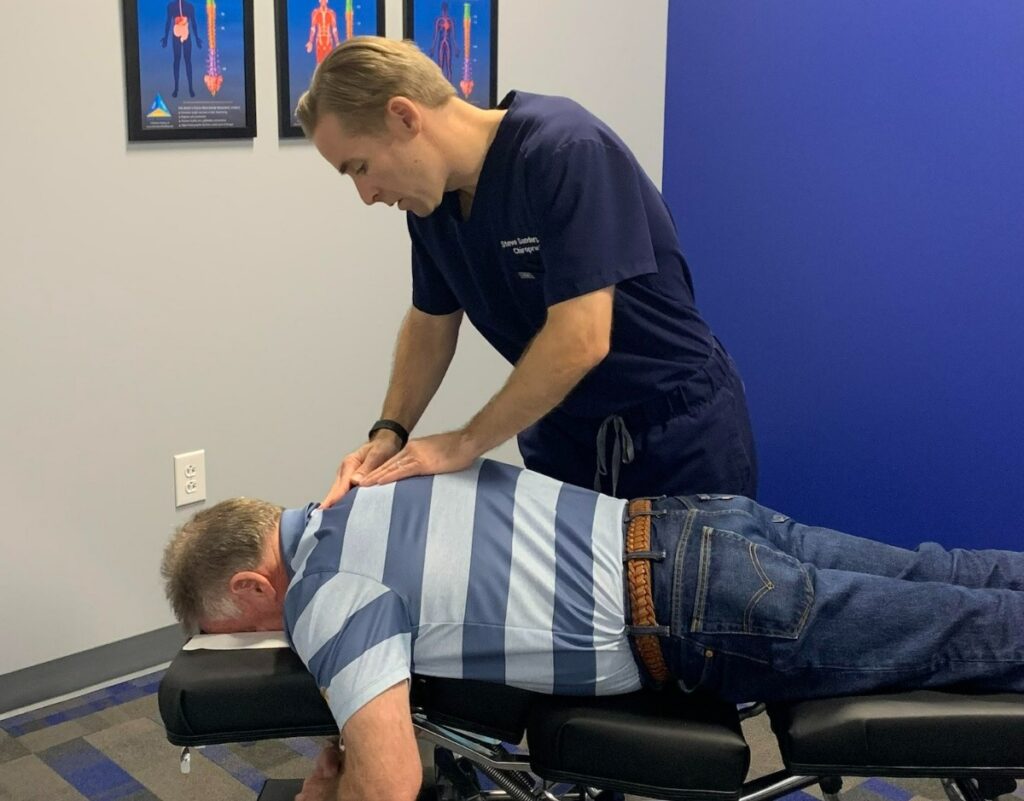
As a local chiropractor, I understand that many of you may be dealing with persistent back pain, and you’re certainly not alone in this struggle. It’s important to recognize that discomfort in the back can significantly impact your daily activities and overall quality of life. The good news is that there are natural techniques available that can help relieve your pain without the need for medications.
In my practice, I’ve seen how regular exercise can be a game-changer for back pain relief. Engaging in appropriate physical activity not only strengthens your muscles but also promotes flexibility and enhances your spine’s health. Additionally, incorporating herbal remedies can provide soothing effects and support your body’s healing processes.
Let’s delve into some of the most effective strategies that I recommend to my patients for managing back pain naturally. Through a combination of chiropractic adjustments, exercise, and holistic approaches, we can work together to improve your well-being and help you regain control over your life.
Regular Exercise and Stretching
As a local chiropractor, I want to emphasize the vital role that regular exercise and stretching play in managing and preventing back pain. By establishing a consistent routine, you not only strengthen your muscles but also enhance your flexibility and provide essential support to your spine.
I recommend aiming for at least 30 minutes of moderate activity—such as walking, swimming, or cycling—most days of the week. Engaging in these activities increases blood circulation, which is crucial for nourishing your muscles and facilitating quicker recovery.
Equally important is the practice of stretching. Targeting your back, hips, and legs can significantly relieve tension and improve your range of motion. Simple stretches, like the cat-cow, child’s pose, and hamstring stretches, can yield remarkable benefits for your body.
It’s essential to listen to your body. If something doesn’t feel right while exercising or stretching, don’t hesitate to modify your movements or seek guidance from a healthcare professional.
Staying active not only enhances your physical health but also elevates your mood and energy levels. By committing to a routine of regular exercise and stretching, you’ll be taking significant steps toward achieving a stronger, pain-free back.
Proper Posture and Ergonomics
As your local chiropractor, I want to emphasize the crucial role your desk setup plays in maintaining good posture and preventing back pain. Many people may not realize that simple adjustments can significantly improve your comfort and well-being.
By ensuring your chair is at the correct height and positioning your screen at eye level, you can create an ergonomic workspace that aligns with your body’s natural biomechanics. This is key to reducing strain on your spine and muscles.
Moreover, I encourage you to be mindful of your standing posture throughout the day. Proper alignment while standing can further enhance your comfort and support your overall health.
Desk Setup Tips
As a chiropractor, I often see patients who underestimate the importance of a well-organized desk setup in relation to their overall health. Proper posture and ergonomics are crucial in preventing back pain and other musculoskeletal issues.
To start, it’s essential to adjust your chair so that your feet are flat on the ground and your knees are bent at a 90-degree angle. This positioning helps to support your lower back and encourages a more upright posture.
Additionally, make sure your monitor is at eye level and approximately an arm’s length away from you. This distance helps to minimize neck strain, which is common among those who spend long hours at their desks.
It’s also important to use a keyboard and mouse that allow your wrists to remain straight and aligned with your elbows. This alignment can help prevent repetitive strain injuries that may lead to discomfort or pain over time.
Lastly, don’t overlook the importance of taking regular breaks. Stretching and moving your body throughout the day can significantly improve your comfort and overall well-being.
These simple adjustments to your workspace can make a world of difference in how you feel, both during and after your workday. Remember, maintaining good posture and ergonomic practices is a key step toward a healthier lifestyle.
Standing Posture Guidelines
As your local chiropractor, I want to emphasize the importance of maintaining proper standing posture for your overall health and comfort. Good posture is crucial in preventing back pain and can enhance your well-being.
When you stand, aim to keep your feet about shoulder-width apart and distribute your weight evenly across both feet. Engaging your core muscles is vital; try to avoid locking your knees as this can lead to discomfort.
It’s important to keep your hips level and your shoulders relaxed but aligned over your hips. Make sure your head is held high, with your ears in line with your shoulders. This alignment helps to reduce strain on your spine and can minimize fatigue throughout the day.
If you find yourself standing for extended periods, consider shifting your weight from one foot to the other or utilizing a footrest to help ease the pressure. Additionally, wearing supportive shoes can significantly improve your posture and comfort.
Heat and Cold Therapy
As a local chiropractor, I often see patients struggling with back pain, and I want to share some valuable insights about heat and cold therapy. These methods can truly be transformative for your recovery.
Applying heat can work wonders by relaxing tight muscles, which in turn helps to enhance blood circulation. This increased blood flow delivers essential nutrients and can promote healing in the affected areas.
On the other hand, cold therapy is excellent for reducing inflammation and numbing sharp pain, which can provide immediate relief.
Interestingly, many of my patients find that a combination of both heat and cold therapies offers the most effective relief. By understanding how to use these techniques properly, you can take an active role in your healing journey and complement your chiropractic care.
If you have any questions or want to learn more about how to incorporate these therapies into your routine, feel free to reach out during your next visit!
Benefits of Heat Application
As a local chiropractor, I want to share the benefits of heat application for those of you who may not be familiar with chiropractic care and the natural healing methods we advocate.
Heat can be a wonderful tool to help relieve back pain, especially when you’re experiencing tight or tense muscles. Here’s how heat therapy works to enhance your comfort and promote healing:
- Increases Blood Flow: Applying heat causes your blood vessels to widen, which boosts circulation to the affected areas. This increased blood flow is essential for healing and recovery.
- Relaxes Muscles: When you apply heat, it helps to relax and loosen tight muscles. This process reduces stiffness and encourages greater flexibility, making it easier for you to move comfortably.
- Blocks Pain Signals: Heat works by interfering with the transmission of pain signals in your body, providing you with immediate relief from discomfort. This can be particularly beneficial for those struggling with chronic back pain.
- Enhances Tissue Elasticity: The warmth from heat therapy makes your tissues more pliable. This can help prevent further injury during movement, allowing you to engage in daily activities without fear of exacerbating your pain.
Incorporating heat therapy into your self-care routine can be a simple and effective way to manage and alleviate your back pain.
If you have any questions or would like to explore more natural healing methods, feel free to reach out to our chiropractic office for guidance!
Cold Therapy Techniques
As a local chiropractor, I want to introduce you to the benefits of cold therapy, especially when it comes to managing back pain.
While many people are familiar with heat therapy for relaxing tight muscles, cold therapy is a powerful alternative that can significantly alleviate discomfort and reduce inflammation in your back.
To get started with cold therapy, you can use an ice pack or even a bag of frozen vegetables wrapped in a towel. It’s important to apply it directly to the affected area for about 15-20 minutes at a time.
Be sure to take breaks in between applications to protect your skin from potential damage. If you prefer something more convenient, a cold compress or gel pack can also be effective.
In my practice, I often recommend utilizing a cold therapy unit, as it can provide continuous cold treatment for more persistent pain.
Remember, the key to effective cold therapy is timing—it’s most beneficial within the first 48 hours following an injury or flare-up, so don’t hesitate to reach for it when you need relief.
Understanding and utilizing cold therapy can be a valuable part of your natural healing journey.
If you have any questions about how to integrate this technique into your pain management routine, feel free to ask during your next visit!
Combining Heat and Cold
As a local chiropractor, I often see patients who’ve their own preferences for either heat or cold therapy when it comes to managing back pain.
However, I want to share with you the benefits of combining both methods, as this approach can significantly enhance your relief. Alternating between heat and cold not only helps reduce inflammation but also relaxes tight muscles.
Here’s how you can effectively use both therapies:
- Begin with cold therapy: Start by applying a cold pack to the affected area for about 15-20 minutes. This will help numb the area and minimize any swelling you may be experiencing.
- Transition to heat therapy: After you’ve completed the cold application, switch to a heating pad for another 15-20 minutes. The heat will increase blood flow to the area, promoting healing and easing muscle tension.
- Repeat as necessary: You can continue to alternate between heat and cold throughout the day. Just be sure to allow your body some time between applications to get the most benefit from each treatment.
- Tune into your body: It’s important to listen to how your back responds to these therapies. Adjust your routine as needed to ensure you’re getting the best relief possible.
By incorporating both heat and cold into your self-care routine, you can take a proactive step towards managing your back pain naturally.
If you have any questions or need further guidance, feel free to reach out during your next visit!
Mindfulness and Meditation
As a chiropractor, I want to share with you the benefits of mindfulness and meditation in managing back pain. These practices can be incredibly effective for cultivating awareness of your body and reducing stress levels, both of which are essential for healing.
By learning to focus on the present moment, you can enhance your connection to your physical sensations. This awareness can help you identify areas of tension or discomfort that may contribute to your back pain.
I recommend finding a quiet space where you can sit comfortably. Close your eyes and take deep, intentional breaths, allowing any distractions to fade away.
As you breathe, visualize the release of tension from your back and the surrounding muscles. This mindful practice not only promotes relaxation but also supports the body’s natural healing processes.
Regular meditation can transform your perspective on pain, enabling you to respond to discomfort with a sense of calm rather than anxiety.
Incorporating mindfulness into your daily routine can empower you to take control of your back pain and improve your overall well-being.
I encourage you to make this a regular practice and observe the positive changes in how you feel. By combining mindfulness techniques with chiropractic care, you can achieve a more holistic approach to managing your pain and enhancing your quality of life.
Herbal Remedies and Supplements
As your local chiropractor, I want to share some valuable insights on how herbal remedies and supplements can be a natural and effective way to manage back pain. Many of my patients have found relief through various plants and nutrients, which not only support their recovery but also promote overall health and wellness.
Here are some herbal options I recommend you consider:
- Turmeric: This vibrant spice is known for its active ingredient, curcumin, which possesses strong anti-inflammatory properties. Incorporating turmeric into your diet may help reduce pain and inflammation in your back.
- Willow Bark: Often dubbed “nature’s aspirin,” willow bark has a long history of being used to relieve pain and inflammation. It can be a natural alternative for those seeking relief without pharmaceutical options.
- Ginger: Recognized for its anti-inflammatory effects, ginger can be beneficial in easing back pain. You can enjoy it as a tea or in supplement form to help support your body’s healing process.
- Boswellia: Sourced from the resin of the Boswellia tree, this supplement may help reduce inflammation and improve joint function, which can be particularly helpful for those experiencing back discomfort.
By incorporating these herbal remedies and supplements into your wellness routine, you might find the relief you’ve been searching for.
However, I always encourage my patients to consult with their healthcare provider before starting any new treatment, ensuring it aligns with their unique health needs. Together, we can explore the best options for your recovery and well-being.
Acupuncture and Acupressure
As a local chiropractor, I want to take a moment to educate you about some effective natural therapies that can help manage back pain. One approach that has gained popularity is acupuncture, as well as its closely related technique, acupressure.
Acupuncture involves the insertion of thin needles into specific points on your body. This ancient practice is designed to stimulate healing and relieve pain. Many of my patients have experienced significant relief from chronic back pain through acupuncture, and it can be a powerful tool in your wellness journey.
On the other hand, acupressure offers a needle-free alternative. Instead of needles, this technique uses your fingers to apply pressure to key points on your body. This can help to release tension and promote relaxation, making it a great option for those who may be hesitant about needles.
Both acupuncture and acupressure work to restore balance to your body’s energy flow, which can play a crucial role in alleviating discomfort.
While everyone’s experience may differ, I’ve seen many individuals report positive outcomes from both practices. If you’re interested in exploring these options further, I recommend seeking a qualified practitioner or even trying some self-acupressure techniques at home.
Incorporating acupuncture and acupressure into your back pain management toolkit could be a valuable step towards feeling better.
Massage Therapy
As your local chiropractor, I want to share how massage therapy can be a powerful ally in your journey toward back health.
While many people associate massage with relaxation, it serves as an effective natural treatment for back pain as well. By reducing muscle tension, improving blood circulation, and enhancing flexibility in the muscles surrounding your spine, massage therapy can alleviate pain and promote healing in a natural way.
Here are four types of massage techniques that I recommend for specifically addressing back pain:
- Swedish Massage: This method employs gentle, long strokes that not only relax your muscles but also promote better circulation throughout your body.
- Deep Tissue Massage: This technique delves into the deeper layers of muscle tissue to relieve chronic pain and tension that may be contributing to your back issues.
- Trigger Point Therapy: By focusing on specific tight spots in the muscles, this targeted approach can help reduce referred pain and restore function to affected areas.
- Sports Massage: Although designed for athletes, this technique is beneficial for anyone looking to prevent and treat injuries, as well as to enhance overall performance and mobility.
Incorporating regular massage therapy into your wellness routine can significantly improve your back health and overall well-being.
As you consider your options for natural healing, massage therapy is a valuable tool that works hand-in-hand with chiropractic care to support your body’s healing processes.
Conclusion
As a local chiropractor, I want to share with you some natural techniques that can significantly help manage and relieve your back pain. By integrating these approaches into your daily routine, you can take an active role in your back health.
First and foremost, regular exercise and maintaining proper posture are essential. These practices not only strengthen your body but also help keep your spine aligned, reducing the risk of pain.
Additionally, heat and cold therapy can be very effective in soothing discomfort. Applying heat can relax tense muscles, while cold therapy can reduce inflammation and numb sharp pain.
Don’t overlook the benefits of mindfulness and herbal remedies; they can play a crucial role in your overall wellness. Techniques such as meditation or herbal supplements can complement your healing journey.
Furthermore, therapies like acupuncture and massage can provide deeper relief by targeting specific areas of tension in your body.
With consistency and care in these natural techniques, you can take control of your back health and experience a more comfortable, pain-free life. I’m here to guide you through this process and help you understand how chiropractic care can support you on your path to wellness.