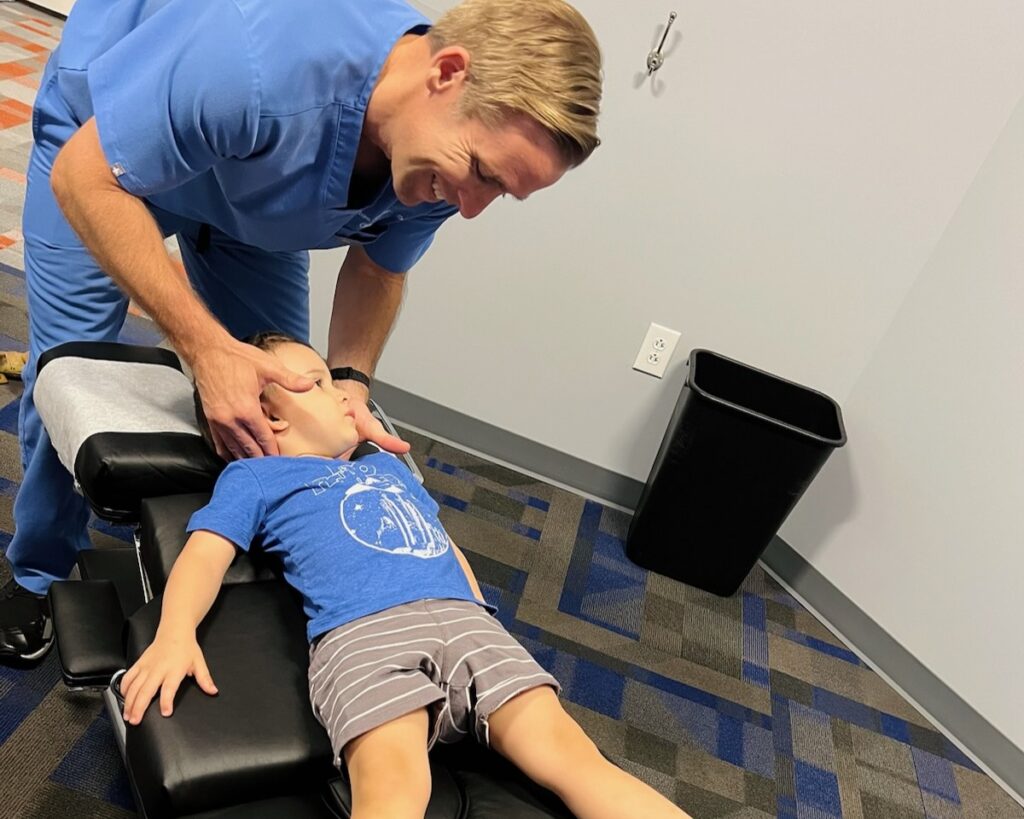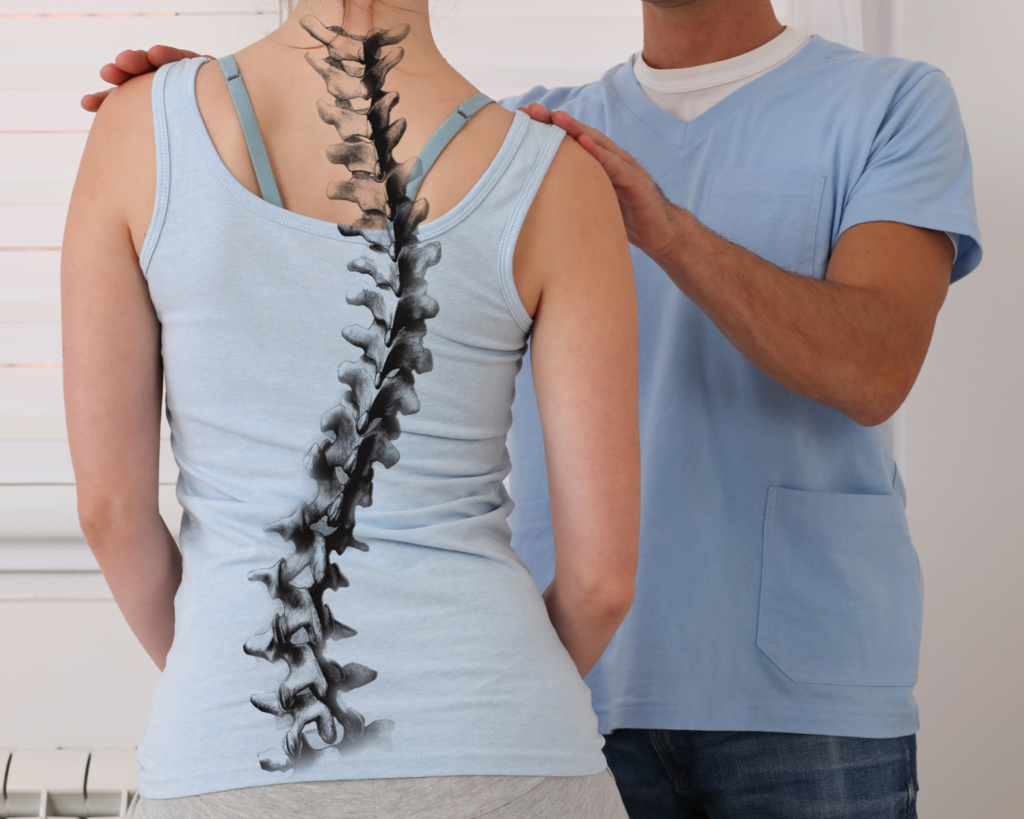
As a local chiropractor, I understand that muscle strain and back pain can significantly impact your daily life. Many of my patients come to me seeking relief from discomfort, and I’m here to share that there are natural and effective strategies to address these issues. By focusing on improving your posture and incorporating specific exercises tailored to your needs, we can work together to enhance your comfort and mobility. Are you curious about how simple lifestyle adjustments can lead to substantial improvements in your well-being? Let’s dive into some of the best approaches we can take to help you find relief and restore balance in your body.
Stretching Exercises for Flexibility
As a local chiropractor, I want to emphasize the importance of incorporating stretching exercises into your daily routine. Not only can these exercises significantly enhance your flexibility, but they also play a crucial role in reducing the risk of muscle strains and alleviating back pain. By regularly engaging in stretching, you help maintain the elasticity of your muscles and connective tissues, which is essential for overall well-being.
It’s vital to target the major muscle groups, such as your hamstrings, quadriceps, and back muscles. I recommend starting with dynamic stretches prior to your workouts to properly warm up your muscles. After your activities, incorporate static stretches to cool down and enhance your flexibility. Aim to hold each stretch for 15-30 seconds, and remember to focus on your breathing; this will help relax your body and deepen the stretch.
Always listen to your body during these exercises. You should stretch to a point of mild discomfort but never to the point of pain. Consistency is crucial for seeing improvements; I recommend aiming for at least three times a week. With dedicated practice, you’ll likely notice an increased range of motion, which can make daily activities easier and more enjoyable.
Strengthening Your Core
As a chiropractor, I want to emphasize the importance of strengthening your core for better back support and pain reduction. A strong core is essential for stabilizing your spine and ensuring that weight is distributed evenly across your body, which, in turn, minimizes strain on your back.
I recommend starting with exercises such as planks, bridges, and pelvic tilts. These movements not only engage your abdominal muscles but also activate your lower back and hips, creating a solid foundation for your entire body.
Consistency is key; dedicating just 10-15 minutes daily can lead to significant improvements in your core strength. As you become more comfortable, consider gradually increasing the intensity by incorporating weights or more advanced variations.
It’s crucial to maintain proper form during these exercises to avoid injury. If you have any doubts, I encourage you to consult with a personal trainer or me, as we can ensure you’re performing the exercises correctly and safely.
Additionally, don’t overlook the importance of flexibility exercises. Pairing your core workouts with flexibility routines will help maintain balance and prevent tightness, creating a more well-rounded approach to your fitness.
Strengthening your core not only enhances your overall stability but also provides vital support for your back, contributing to your long-term health and well-being.
Applying Heat and Cold Therapy
As a local chiropractor, I want to share with you the incredible benefits of heat and cold therapy for relieving muscle strain and back pain. Many of my patients have found that these simple techniques can significantly enhance their comfort and recovery.
When you apply heat, such as a warm towel or heating pad, it helps to relax tight muscles and increases blood flow to the affected area. This promotes healing and can provide much-needed relief. I recommend using heat for about 15 to 20 minutes at a time, but make sure it’s warm, not hot, to prevent any risk of burns.
On the other hand, cold therapy—like ice packs or cold compresses—works wonders for reducing inflammation and numbing sharp pain. I usually suggest applying cold for 10 to 15 minutes, allowing your skin to return to normal temperature between applications to avoid any adverse effects.
A great approach is to alternate between heat and cold therapy. Start with cold to help decrease any swelling, then transition to heat for muscle relaxation.
Always pay attention to your body’s signals; if something feels off, it’s important to stop.
Practicing Good Posture
As a local chiropractor, I want to emphasize the importance of practicing good posture for your overall health and well-being. Maintaining proper posture is crucial for preventing muscle strain and alleviating back pain, as it helps to keep your spine in its natural alignment.
When you’re sitting, standing, or walking, it’s vital to pay attention to your body posture. Make sure to keep your shoulders back and your head level. Ideally, your ears should align with your shoulders, and your hips should be positioned directly beneath your shoulders to support your spine effectively.
If you find yourself sitting for extended periods, opt for a chair that offers support for your lower back. It’s important to keep your feet flat on the floor with your knees at a right angle to promote good circulation and reduce strain.
When standing, try to distribute your weight evenly across both feet to maintain balance. Remember to take regular breaks and change your position to prevent stiffness and discomfort.
Engaging your core muscles can also provide additional support to your spine, which is essential for maintaining good posture. By consistently practicing these habits, you’ll not only reduce the risk of muscle strain but also enhance your overall comfort and health throughout the day.
Your body will thank you for it!
Incorporating Regular Movement
As your local chiropractor, I want to emphasize the importance of not only maintaining good posture but also incorporating regular movement into your daily routine. Many patients are surprised to learn that prolonged sitting can lead to muscle strain and exacerbate back pain. When you sit for long periods, your muscles can become tight and uncomfortable.
To alleviate this, I recommend that you stand up and move around every 30 to 60 minutes. Simple activities like stretching, walking, or performing light exercises can greatly enhance your muscle engagement and flexibility.
I encourage you to integrate short movement breaks into your workday. Setting reminders on your phone or using a timer can be effective ways to prompt you to get up and stretch.
At home, consider staying active through engaging in activities such as gardening, cleaning, or playing with your children. Not only do these actions help you remain physically active, but they also contribute positively to your overall well-being.
Using Proper Lifting Techniques
As your local chiropractor, I want to emphasize the importance of using proper lifting techniques to protect your body and prevent injuries.
When you lift heavy objects, it’s essential to bend at your knees rather than your waist. This technique helps to engage your leg muscles, which are much stronger and better suited for lifting.
Additionally, always keep the load close to your body. This reduces the strain on your back and makes it easier to maintain balance.
Remember to maintain a straight back throughout the lift; this alignment is crucial for minimizing the risk of muscle strain and back pain.
By following these simple yet effective steps, you can significantly reduce your chances of injury and promote overall spinal health.
I’m here to support you in your journey towards natural healing and wellness, so please feel free to reach out with any questions or concerns about your lifting techniques or overall health!
Bend at the Knees
As a chiropractor, I want to share some essential tips for lifting heavy objects safely to protect your spine and promote natural healing. One of the most important techniques is to bend at your knees instead of your waist. This method not only helps you maintain your balance but also significantly reduces the strain on your lower back, which is crucial for your overall spine health.
When preparing to lift something heavy, start by standing close to the object. Position your feet shoulder-width apart and squat down by bending your knees while keeping your back straight. This is vital for maintaining the natural curve of your spine. Firmly grip the object and engage your core muscles to provide additional support.
As you begin to lift, remember to push through your heels and straighten your legs. This technique allows you to utilize the strength of your legs rather than straining your back.
It’s also important to avoid twisting your body while lifting; instead, pivot your feet to change direction. By incorporating these practices into your routine, you’ll not only protect your back but also significantly reduce the risk of injury, promoting a healthier spine and overall well-being.
Keep Load Close
As a local chiropractor, I want to share an important principle for lifting safely and protecting your body: keeping the load close to your body. This technique is essential not just for preventing injury but also for maintaining overall spinal health. When you pull an item close to your center of gravity, you significantly reduce the strain on your back and surrounding muscles.
Many people make the mistake of reaching out or extending their arms too far when lifting, which places excessive pressure on the spine and can lead to discomfort or injury. Instead, I encourage you to position yourself so that the load rests against your body as you lift. This not only helps with balance but also engages your core muscles, providing additional support that’s crucial for a safe lift.
Before lifting something heavy, take a moment to assess your grip and stance. This brief preparation can make a significant difference in how you feel afterward.
Remember, lifting isn’t just about brute strength; it’s about using proper technique. By keeping the load close to your body, you’re prioritizing your safety and well-being, which aligns with the principles of natural healing that we promote in chiropractic care.
Taking these steps can help you maintain a healthy spine and prevent injury in the long run.
Maintain a Straight Back
As a local chiropractor, I want to emphasize the importance of maintaining a straight back, not just for lifting but for overall spinal health. Proper lifting techniques can significantly reduce your risk of injury and discomfort.
When you bend your knees and keep your back straight, you’re distributing the weight evenly across your body, which minimizes strain on your spine and muscles.
Before you lift anything, it’s crucial to position yourself close to the object and engage your core muscles. This adds stability and support to your spine.
As you lift, avoid twisting your torso; instead, pivot with your feet. This simple adjustment helps you maintain proper posture throughout the movement and protects your back.
Remember, lifting isn’t just about brute strength; it’s about lifting smart. If you ever feel the load is too heavy, please don’t hesitate to ask for assistance or consider using tools designed to help.
Staying Hydrated
As a chiropractor, I want to emphasize the importance of staying hydrated for your overall health, particularly when it comes to managing muscle strain and back pain. Proper hydration plays a crucial role in maintaining muscle function and aiding in recovery.
When your body isn’t receiving enough water, it can lead to muscle cramps and stiffness, which can worsen your discomfort.
Here are some practical tips to help you stay hydrated:
- Aim to drink water consistently throughout the day, not just when you feel thirsty. This proactive approach helps ensure your body is well-hydrated.
- Incorporate hydrating fruits into your diet, such as watermelon and oranges, which can provide additional fluids while also offering vital nutrients.
- Keep a reusable water bottle with you as a reminder to drink water regularly throughout the day.
- Be mindful of your caffeine and alcohol intake, as these can contribute to dehydration and may hinder your recovery process.
- Listen to your body; if you experience fatigue or dizziness, it might be a signal that you need to increase your fluid intake.
By prioritizing hydration, you can better support your body’s healing process and enhance your overall wellness.
Exploring Massage Therapy
As a local chiropractor, I want to emphasize the importance of hydration and how it complements the benefits of chiropractic care and massage therapy in your recovery from muscle strain and back pain. Incorporating these therapies can significantly enhance your healing journey.
Massage therapy, in particular, is a hands-on approach that promotes relaxation, reduces tension, and increases blood flow to the affected areas, which can speed up the healing process. There are various massage techniques to consider, such as Swedish, deep tissue, and trigger point therapy. Each of these methods targets different layers of muscle and fascia, allowing you to discover the best fit for your specific needs.
Regular massage sessions can help alleviate tightness and improve flexibility, making everyday movements more comfortable. It’s essential to recognize the value of professional assistance; a trained massage therapist can customize treatments to address your unique concerns and enhance the results of chiropractic adjustments.
In addition to professional massage, I encourage my patients to explore self-massage techniques that can easily be integrated into your daily routine for immediate relief.
By incorporating both chiropractic care and massage therapy into your recovery plan, you’ll likely experience greater relaxation and feel better equipped to manage your daily activities.
Considering Over-the-Counter Pain Relievers
As a local chiropractor, I often emphasize the importance of a holistic approach to managing muscle strain and back pain. While many people are familiar with the benefits of massage therapy, it’s also crucial to understand how over-the-counter pain relievers can fit into your pain management strategy when used appropriately.
These medications can offer quick relief, allowing you to engage in your daily activities, but it’s vital to choose the right options and use them responsibly.
Here are some common over-the-counter pain relievers that you might consider:
- Ibuprofen: This non-steroidal anti-inflammatory drug (NSAID) not only alleviates pain but also helps reduce inflammation, which can be especially beneficial for muscle strain.
- Acetaminophen: This option is effective for general pain relief and is a good choice for those who may want to avoid anti-inflammatory medications.
- Naproxen: Another NSAID, naproxen provides longer-lasting relief for pain and inflammation, making it a good option for ongoing discomfort.
- Aspirin: While it can effectively relieve pain, keep in mind that it may irritate the stomach lining, so use it with caution.
- Topical analgesics: These creams or patches can be applied directly to the skin over painful areas, providing localized pain relief.
It’s essential to always follow the recommended dosage instructions and consult with a healthcare professional if you have any concerns or existing health conditions.
Remember, while these over-the-counter options can provide relief, they’re best utilized alongside other therapies, such as chiropractic care, for optimal recovery and long-term wellness.
My goal is to help you understand that managing pain isn’t just about masking symptoms; it’s about enhancing your overall health and well-being.
Seeking Professional Help
When you’re grappling with persistent muscle strain and back pain, seeking professional help can truly transform your experience. As a chiropractor, I specialize in identifying the underlying issues that contribute to your discomfort, ensuring you receive the most effective treatment tailored to your specific needs.
Chiropractic care focuses on the relationship between the spine and the nervous system. By gently adjusting misalignments in your spine, I can help alleviate pain, improve mobility, and enhance overall function.
It’s important to communicate openly about your symptoms and concerns; this dialogue is essential for effective treatment.
In our sessions, I may recommend specific exercises to strengthen your back, manual adjustments, or other natural therapies that can significantly improve your condition. If your pain is a symptom of a deeper issue, I can guide you in addressing that root cause, promoting long-term wellness and preventing future problems.
Remember, self-diagnosis often leads to ineffective treatments that can prolong your discomfort. By choosing to invest in chiropractic care, you’re taking a proactive step toward achieving lasting relief and improved mobility.
Seeking help isn’t a sign of weakness; it’s a wise decision for your health and wellbeing. Let’s work together to restore your body’s natural balance and help you feel your best.
Conclusion
As a local chiropractor, I want to share some valuable tips that can significantly alleviate your muscle strain and back pain. It’s essential to incorporate strategies that focus on flexibility, core strength, and maintaining good posture into your daily routine. These practices are foundational for a healthier back and overall well-being.
Staying hydrated is equally important; it helps keep your muscles and joints functioning optimally. Pay attention to your body’s signals—if something doesn’t feel right, it’s crucial to listen to those cues.
You may find relief through various methods, such as heat therapy, which can soothe tight muscles, or by seeking a professional consultation. Each individual is unique, so it’s about discovering what works best for you. By embracing these holistic approaches, you can pave the way for lasting relief and a more vibrant life. Remember, chiropractic care can play a significant role in your journey to recovery and wellness.