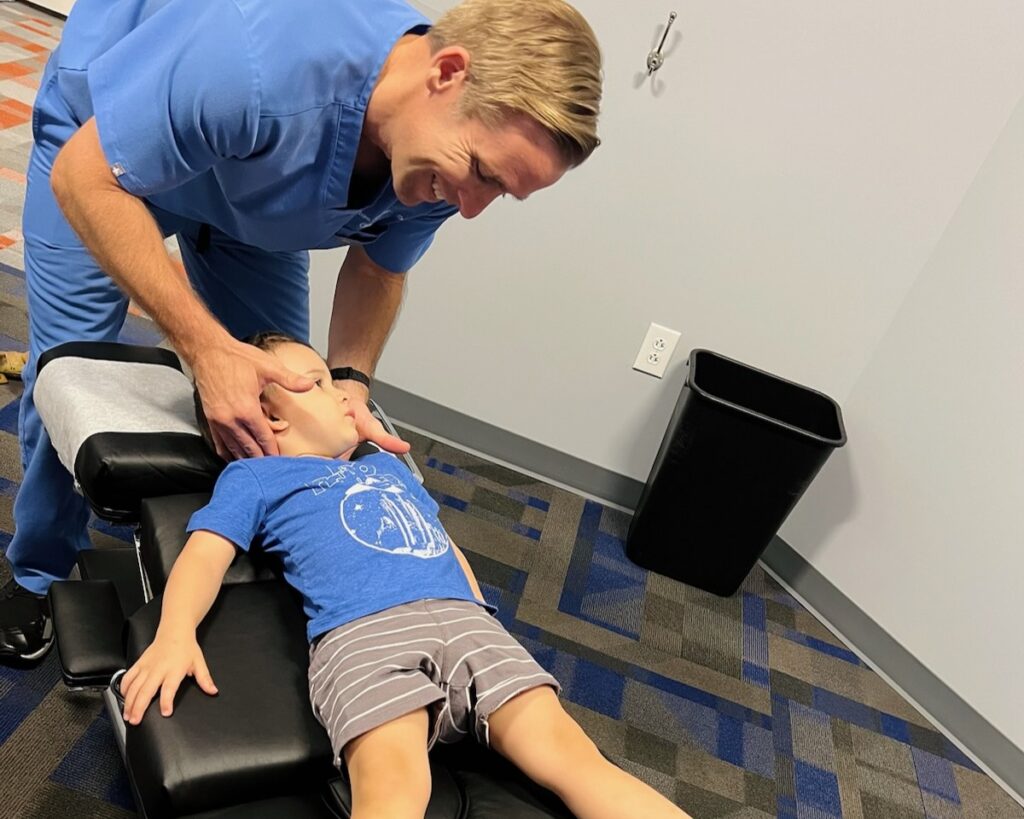
If you've ever felt restricted by stiffness or limited mobility, you might be surprised to learn how chiropractic care can help. By focusing on spinal alignment and joint function, chiropractors use targeted techniques to enhance your overall movement. This not only supports better posture but also reduces the risk of injuries that can derail your active lifestyle. As you consider how these adjustments can benefit you, it's important to explore the specific methods and practices that make chiropractic care so effective. What might you discover about your own body and its potential for improved flexibility?
Understanding Chiropractic Care
Chiropractic care is often misunderstood, but it plays an essential role in enhancing mobility and flexibility. Many people think it only involves cracking bones or treating back pain, but it's much more than that. As you explore chiropractic care, you'll discover it focuses on the relationship between your spine and nervous system, aiming to improve your overall health and function.
When you visit a chiropractor, they assess your posture, movement patterns, and any discomfort you might experience. They use various techniques, including spinal adjustments, soft tissue therapy, and rehabilitative exercises, to address the root causes of your mobility issues. By realigning your spine and improving joint function, chiropractors help restore your body's natural balance, allowing you to move more freely.
You might be surprised to learn that chiropractic care isn't just for those with chronic pain. Athletes, weekend warriors, and anyone looking to enhance their physical performance can benefit. Regular chiropractic adjustments can enhance your body's range of motion, reduce muscle tension, and promote better coordination. This holistic approach can keep you active and engaged in your daily activities.
Moreover, chiropractic care emphasizes prevention. By maintaining spinal health, you can avoid potential injuries and improve your body's resilience.
The Importance of Mobility
Mobility is essential for maintaining an active and fulfilling lifestyle. When you move freely and easily, you can engage in daily activities, enjoy hobbies, and participate in social events without limitations. Whether it's playing with your children, going for a walk, or hitting the gym, good mobility enhances your overall quality of life.
Improved mobility also supports your physical health. When you can move well, your body functions more efficiently. This means better circulation, increased strength, and a reduced risk of injuries. You'll find that performing tasks becomes less taxing, allowing you to stay active longer.
Plus, staying mobile can contribute to better posture and spinal health, which are vital for preventing discomfort and pain.
Additionally, mobility plays a significant role in your mental well-being. Engaging in physical activity releases endorphins, which boost your mood and reduce stress. You'll feel more energized and motivated when you can move without restrictions. This sense of freedom can also enhance your confidence, encouraging you to try new activities and meet new people.
Incorporating mobility-enhancing practices, like stretching or chiropractic care, into your routine can lead to long-term benefits. It's never too late to start prioritizing mobility; even small changes can yield significant improvements.
Common Causes of Stiffness
Stiffness can creep in from various sources, impacting your ability to move comfortably.
Whether you're waking up in the morning or getting up from your desk, feeling tightness in your joints or muscles can be frustrating. Identifying the common causes of stiffness can help you take proactive steps to alleviate it and boost your mobility.
Here are some of the most common culprits that might be contributing to your stiffness:
- Sedentary Lifestyle: Sitting for long periods can lead to tight muscles and stiff joints.
- Aging: As you age, your joints lose flexibility, and muscles can become more rigid.
- Injury: Previous injuries can lead to lingering stiffness due to scar tissue or muscle imbalances.
- Poor Posture: Slouching or maintaining awkward positions can put strain on your muscles and joints, leading to discomfort.
Understanding these factors can empower you to make lifestyle adjustments.
Incorporating regular movement throughout your day, ensuring proper hydration, and even practicing good posture can help mitigate stiffness.
It's vital to listen to your body and recognize when stiffness is affecting your daily activities.
How Chiropractic Adjustments Work
When stiffness and discomfort start to hinder your daily activities, finding effective relief becomes a priority. Chiropractic adjustments are a powerful tool designed to restore your body's natural alignment and improve mobility. These adjustments focus on the spine, but they can also target other joints throughout your body. By applying controlled force to specific joints, chiropractors help to realign misaligned vertebrae and relieve pressure on nerves.
As you undergo chiropractic adjustments, your chiropractor assesses your posture and movement patterns to identify areas that need attention. They use their hands or specialized instruments to apply precise pressure, promoting better joint function. This process not only alleviates pain but also enhances your overall range of motion. You might feel immediate relief after an adjustment as tension releases and blood flow increases to the affected areas.
Moreover, chiropractic adjustments stimulate the body's healing processes. They encourage the release of endorphins, which are natural painkillers, and can help reduce inflammation. Regular adjustments can also prevent future injuries by maintaining proper alignment and function.
It's essential to remember that each adjustment is tailored to your specific needs, considering your unique condition and health goals. By incorporating chiropractic care into your wellness routine, you can experience improved mobility, flexibility, and a better quality of life.
With consistent care, you're not just treating symptoms; you're investing in your long-term health and well-being.
Techniques Used in Chiropractic Care
Chiropractic care employs a variety of techniques designed to enhance your overall health and well-being. Each technique targets specific issues related to mobility and flexibility, ensuring a personalized approach to your care.
Here are some common techniques you might encounter during your chiropractic visits:
- Spinal Manipulation: This hands-on technique aims to align the spine and improve joint function, helping to alleviate pain and enhance mobility.
- Soft Tissue Therapy: This involves massages or stretches that focus on the muscles, tendons, and ligaments, promoting relaxation and increasing flexibility.
- Active Release Technique (ART): This method targets specific areas of tension in muscles and fascia, releasing tight spots and improving range of motion.
- Cupping Therapy: By creating suction on the skin, this technique helps to increase blood flow and reduce muscle tension, contributing to better mobility.
Each of these methods addresses different aspects of your physical health. Your chiropractor will assess your needs and may combine techniques to create a customized treatment plan.
They'll guide you through exercises to strengthen your muscles and improve flexibility, allowing you to maintain your progress outside of the office.
With a tailored approach, chiropractic care can effectively help you move better and feel your best. So don't hesitate to explore these techniques with your chiropractor and discover how they can support your journey toward enhanced mobility and flexibility.
Benefits of Improved Flexibility
Improved flexibility offers numerous benefits that can markedly enhance your daily life. When you increase your flexibility, you'll notice you can perform everyday tasks with greater ease. Simple activities like bending down to tie your shoes or reaching for items on a high shelf become less challenging. This newfound ease helps reduce the risk of injury, as your muscles and joints can move freely without unnecessary strain.
Additionally, enhanced flexibility can lead to better posture. When your muscles are flexible, they can support your spine more effectively, reducing the likelihood of discomfort or pain. You might find that you sit, stand, and walk more confidently, positively impacting your overall well-being.
Furthermore, improved flexibility often contributes to better circulation. As your muscles stretch and contract, blood flow increases, which can help reduce muscle soreness and promote quicker recovery after physical activities. You may even notice that you sleep better, as relaxed muscles can lead to a more restful night.
Incorporating flexibility exercises into your routine can also provide mental benefits. The focus required during stretching can serve as a form of mindfulness, helping to reduce stress and anxiety levels. You might discover that taking a few moments to stretch each day gives you a mental reset, making it easier to tackle challenges head-on.
Ultimately, enhancing your flexibility is a straightforward way to improve your quality of life, helping you feel more agile, confident, and ready to take on the world.
Enhancing Athletic Performance
Many athletes find that enhancing flexibility can considerably boost their performance. When you're flexible, you can achieve a greater range of motion, allowing for more effective movements in your sport. This not only helps you perform better but also reduces the risk of injury.
Here's how chiropractic care can enhance your athletic performance:
- Improved Range of Motion: Chiropractic adjustments can help realign your spine and joints, leading to increased mobility.
- Enhanced Muscle Function: By ensuring that your nerves are functioning effectively, chiropractic care can improve muscle coordination and strength.
- Better Posture: Proper alignment from chiropractic sessions can lead to better posture, which directly impacts your athletic performance.
- Increased Endurance: With greater flexibility and reduced tension in your muscles, you'll likely experience less fatigue during intense physical activity.
Incorporating chiropractic care into your training regimen can make a significant difference in your athletic performance.
You'll not only feel more agile but also more confident in your movements. Regular adjustments can help maintain your body's alignment, allowing you to train harder and smarter.
As you improve your flexibility, you might notice enhanced speed, agility, and overall athleticism.
So, if you want to take your performance to the next level, consider how chiropractic care can play an essential role in your journey.
Prioritize your mobility, and watch your performance soar!
Chiropractic Care for Injury Recovery
When you're recovering from an injury, personalized treatment plans can make all the difference in your healing process.
Chiropractic care offers effective pain management techniques that target your specific needs, helping you regain mobility and flexibility.
Let's explore how these tailored approaches can support your recovery journey.
Personalized Treatment Plans
Creating a personalized treatment plan is essential for effective injury recovery in chiropractic care. Each individual's injury and recovery process is unique, so a tailored approach can greatly enhance your healing.
Here's what a customized plan often includes:
- Comprehensive Assessment: Your chiropractor will evaluate your specific injury, medical history, and lifestyle.
- Targeted Adjustments: Based on your assessment, you'll receive spinal adjustments and other techniques that address your unique needs.
- Rehabilitation Exercises: You'll be guided through exercises that strengthen affected areas and improve mobility.
- Progress Tracking: Regular check-ins allow your chiropractor to adjust your plan as needed and guarantee you're on the right track.
Pain Management Techniques
Effective pain management techniques are essential for anyone recovering from an injury, and chiropractic care offers a variety of options tailored to your needs. One effective approach is spinal manipulation, which helps realign your spine, relieving pressure on nerves and reducing pain. Through adjustments, chiropractors can improve mobility while addressing the root cause of your discomfort.
In addition to spinal manipulation, soft tissue therapies like massage can aid in healing. These techniques help to relax tight muscles, increase blood flow, and promote recovery. Stretching exercises prescribed by your chiropractor can also enhance flexibility and prevent future injuries.
Another valuable method is the use of ice and heat therapy. Applying ice can reduce inflammation, while heat can alleviate muscle tension. Your chiropractor will guide you on when to use each for best results.
Finally, incorporating lifestyle changes, such as ergonomic adjustments at work or home, can further support your recovery. By following a thorough pain management plan, you'll not only alleviate your current symptoms but also build a stronger foundation for long-term health.
Embrace these chiropractic techniques, and you'll be on your way to a more comfortable and active life.
Tips for Maintaining Mobility
To keep your mobility in top shape, you need to incorporate regular stretching exercises into your routine.
Being aware of your posture throughout the day can also make a big difference in how you feel.
Plus, don't forget the importance of consistent chiropractic visits to maintain your overall flexibility.
Regular Stretching Exercises
Regular stretching exercises play an essential role in maintaining mobility and flexibility. By incorporating these movements into your routine, you can enhance your overall well-being and reduce the risk of injury.
Here are some key benefits of regular stretching that you should consider:
- Improves range of motion: Stretching helps lengthen muscles and joints, allowing for greater flexibility.
- Reduces muscle tension: Regularly stretching can alleviate tightness in your muscles, promoting relaxation.
- Enhances circulation: Increased blood flow to your muscles can improve your overall physical performance.
- Boosts athletic performance: A flexible body can lead to better performance in sports and daily activities.
To get started, try dedicating just 10 to 15 minutes each day to stretching. Focus on major muscle groups like your back, legs, and arms.
Don't forget to listen to your body; you should feel a gentle stretch, not pain. Incorporating a variety of stretches, both static and dynamic, will keep your routine engaging and effective.
Proper Posture Awareness
Being aware of your posture is essential for maintaining mobility and preventing discomfort. Good posture aligns your body correctly, reducing strain on muscles and joints. To improve your posture, start by standing tall with your shoulders back and your chin parallel to the ground. Engage your core muscles to provide stability and support for your spine.
When sitting, make sure that your back is straight, and your feet are flat on the floor. Use a chair that supports your lower back, and avoid slouching or leaning forward. If you work at a desk, consider using ergonomic tools like a chair with lumbar support and a desk that allows you to alternate between sitting and standing.
While walking, keep your head up and your shoulders relaxed. This helps maintain balance and reduces the risk of falls.
Remember to take breaks during long periods of sitting or standing. Stretch and move around to keep your muscles active and prevent stiffness.
Consistent Chiropractic Visits
For ideal mobility and flexibility, consistent chiropractic visits play an essential role in your overall health.
Regular adjustments help realign your spine, improve joint function, and enhance your body's ability to move freely.
To maximize your results, consider these tips for maintaining mobility:
- Schedule Regular Appointments: Aim for consistent visits, whether weekly or monthly, to keep your body aligned.
- Communicate Openly: Share any changes in your body or discomfort with your chiropractor to tailor your treatment effectively.
- Incorporate Home Exercises: Your chiropractor may recommend specific exercises to strengthen your muscles and support your adjustments.
- Stay Active: Engage in activities that promote movement, such as walking, swimming, or yoga, to complement your chiropractic care.
Finding the Right Chiropractor
Finding the right chiropractor can greatly impact your mobility and flexibility. When you're searching for a chiropractor, consider their qualifications and experience. Look for someone who's a degree from an accredited chiropractic college and is licensed in your state. This guarantees they've the foundational knowledge and skills necessary to help you effectively.
Next, think about the chiropractor's approach to care. Different practitioners have various specialties and techniques, from spinal adjustments to soft tissue therapies. It's crucial to find someone whose methods align with your specific needs. If you have a particular condition or injury, look for a chiropractor with experience in that area.
Don't underestimate the importance of a personal connection. Schedule an initial consultation to see how comfortable you feel with them. Communication is key in any healthcare relationship, so you want a chiropractor who listens to your concerns and explains treatment options clearly.
Additionally, consider patient reviews and recommendations. Hearing from others about their experiences can give you insight into the chiropractor's effectiveness and bedside manner. Online platforms and social media can be useful resources for this information.
Finally, think about logistics like location and office hours. You'll want a chiropractor whose office is convenient for you, making it easier to keep up with your visits.
Conclusion
Incorporating chiropractic care into your routine can greatly enhance your mobility and flexibility. By addressing spinal alignment and joint function, you'll not only feel more agile but also reduce the risk of injury. Regular adjustments and personalized exercises keep you active and help you maintain a fulfilling lifestyle. So, take the step to prioritize your movement health and find a chiropractor who can guide you on this journey to better mobility and overall well-being.