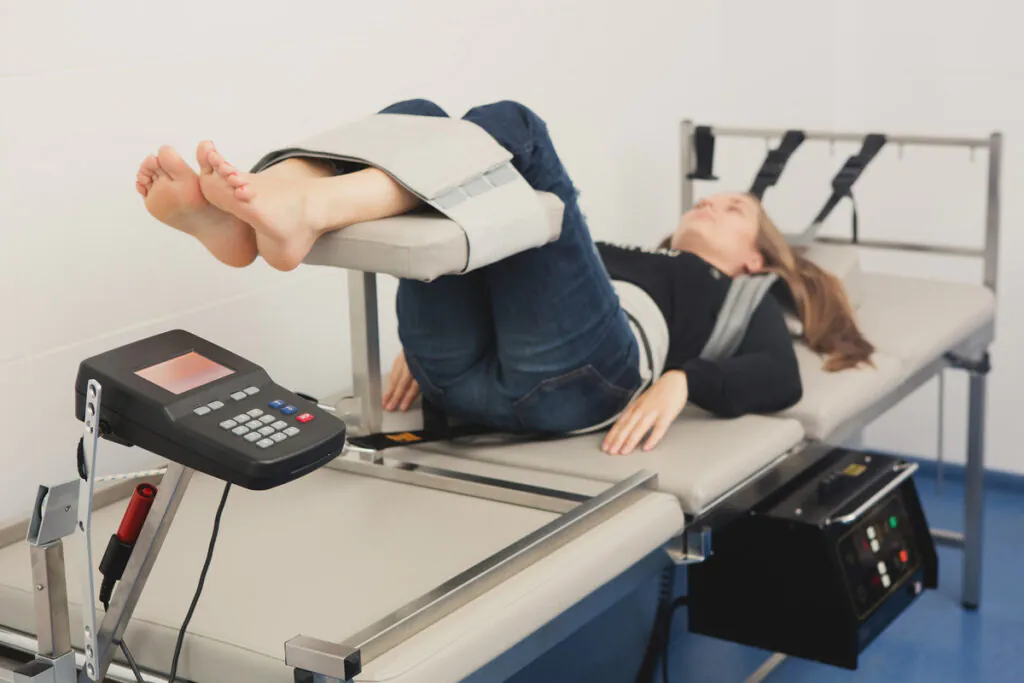
If you want to enhance your physical performance and reduce the risk of injury, boosting your flexibility is an essential step. You might be surprised by how a consistent routine of stretching can transform your movement quality. By incorporating both dynamic and static techniques, you can tailor your approach to fit your specific needs. But where do you begin? Understanding the fundamentals of flexibility and the techniques that work best for you can set the stage for significant improvement, and there's more to discover about creating an effective plan.
Understanding Flexibility
Flexibility is essential for overall physical health and well-being. It refers to the ability of your muscles and joints to move through their full range of motion. When you think of flexibility, you might picture a gymnast or a yoga instructor, but it's important for everyone, regardless of fitness level. Achieving and maintaining flexibility can help you perform everyday activities with ease and reduce the risk of injuries.
You might wonder how flexibility works. It involves the lengthening of muscles and the loosening of the connective tissues around your joints. The more adaptable your muscles are, the easier it's for you to bend, stretch, and twist without discomfort.
Factors affecting flexibility include genetics, age, and activity level. As you age, your muscles can become stiffer, making it vital to incorporate flexibility training into your routine.
To gauge your flexibility, try simple stretches and movements. If you struggle to reach your toes or find certain movements painful, your flexibility may need improvement.
It's also important to note that different areas of your body can have varying levels of flexibility. For example, your lower back might be tighter than your hamstrings or shoulders.
Benefits of Increased Flexibility
Increased flexibility can greatly enhance your range of motion, making everyday movements easier and more fluid.
It also plays an essential role in reducing your risk of injury, allowing you to engage in physical activities with confidence.
Plus, if you're an athlete, improved flexibility can boost your performance, helping you reach your goals faster.
Enhanced Range of Motion
When you incorporate flexibility training into your routine, you'll notice a significant enhancement in your range of motion. This improvement allows your joints to move more freely, making daily activities easier and more enjoyable.
Whether you're reaching for something on a high shelf or bending down to tie your shoes, increased flexibility can make these movements feel effortless.
Enhanced range of motion also plays a vital role in your physical performance. If you're an athlete, greater flexibility can improve your technique and efficiency, allowing you to execute movements more smoothly.
Even if you're just exercising for fun, being more flexible can help you perform a wider variety of activities, from yoga to weightlifting.
Moreover, as you gain flexibility, you may find that you can engage in deeper stretches and positions without discomfort. This means you can achieve better alignment and posture, which contributes to overall body awareness.
Ultimately, enhancing your range of motion through flexibility training not only makes you feel better physically but also boosts your confidence in your movement capabilities.
Reduced Injury Risk
A greater range of motion doesn't just enhance your daily activities; it also plays a significant role in reducing your injury risk. When your muscles and joints are more flexible, they can absorb shock better and respond more effectively to sudden movements. This means you're less likely to strain a muscle or pull a ligament during everyday tasks or workouts.
Incorporating flexibility exercises into your routine helps maintain the health of your joints and muscles. As you stretch, you're not only improving flexibility but also promoting blood flow to your muscles. This increased circulation warms up your tissues, making them more resilient to injuries.
Moreover, flexibility training helps you develop better body awareness. By understanding how your body moves, you can identify imbalances or weaknesses that could lead to injuries. When you're aware of your body mechanics, you can adjust your movements, reducing the chances of mishaps.
Improved Athletic Performance
Flexibility can greatly enhance your athletic performance, allowing you to execute movements with greater ease and efficiency. When you're flexible, your body can move through a full range of motion, which is essential in sports like basketball, soccer, and gymnastics. This increased range enables you to perform skills like jumps, sprints, and turns more effectively.
Improved flexibility also helps you maintain balance and stability during physical activities. When your muscles and joints are flexible, you're less likely to experience awkward positions that can lead to falls or poor performance. Additionally, flexibility improves your muscle coordination, allowing your body to work as a cohesive unit, which can greatly boost your reaction times.
In addition, engaging in flexibility training can help you recover faster after strenuous workouts. It promotes blood circulation and reduces muscle soreness, so you'll be ready for your next training session sooner.
Ultimately, by incorporating flexibility exercises into your routine, you'll not only enhance your athletic performance but also enjoy a more fulfilling and sustainable fitness journey. So, start stretching—it's a game-changer!
Key Stretching Techniques
Incorporating key stretching techniques into your routine can greatly enhance your range of motion and overall performance. Start with the basic static stretch, where you hold a position for 15 to 30 seconds. For instance, try the hamstring stretch: sit on the floor with one leg extended and reach towards your toes. This helps lengthen the muscle and improve flexibility.
Next, consider the dynamic stretch. This involves moving parts of your body through a full range of motion. Arm circles and leg swings are great examples. They warm up the muscles while promoting flexibility and mobility, preparing your body for more intense physical activity. Remember, these should be done in a controlled manner to avoid injury.
Don't forget about the importance of the PNF (Proprioceptive Neuromuscular Facilitation) stretch. This technique combines stretching and contracting the muscle group, which can lead to greater flexibility gains. You'll typically need a partner for this one. They'll help you hold a stretch, then apply resistance while you contract the muscle, followed by additional stretching.
Finally, include the foam roller technique in your routine. Foam rolling helps release muscle tightness and improves blood flow. Roll over tight spots for about 30 seconds, focusing on areas that feel particularly tense.
Dynamic vs. Static Stretching
Understanding the differences between dynamic and static stretching is key to optimizing your flexibility routine. Dynamic stretching involves moving parts of your body through a full range of motion, gradually increasing your reach and speed. Think of it as a warm-up that prepares your muscles for activity. For example, leg swings, arm circles, and walking lunges are all dynamic stretches. They help improve blood flow, increase heart rate, and enhance your overall performance during workouts.
On the other hand, static stretching is all about holding a stretch in a fixed position. You typically perform static stretches after your workout when your muscles are warm. This type of stretching is effective for improving overall flexibility and increasing muscle elasticity. Examples include the seated hamstring stretch or the standing quadriceps stretch, where you hold the position for 15 to 30 seconds to elongate the muscles.
Incorporating both dynamic and static stretching into your routine can maximize your flexibility gains. Use dynamic stretches to warm up before exercising, ensuring your muscles are primed for movement.
After your workout, switch to static stretches to cool down, helping your muscles relax and recover. Remember, dynamic stretching is more about movement and preparation, while static stretching focuses on lengthening and recovery.
Creating a Flexibility Routine
A well-structured flexibility routine can greatly enhance your overall physical performance and prevent injuries. To create an effective routine, start by identifying your specific flexibility goals. Are you looking to improve your range of motion for a particular sport, or do you want to alleviate muscle tightness from daily activities? Knowing your objectives helps tailor your routine to meet your needs.
Next, choose a variety of stretches that target different muscle groups. Incorporate both static and dynamic stretches to guarantee a balanced approach. Static stretches, like the hamstring stretch or quadriceps stretch, are great for improving flexibility over time. Dynamic stretches, such as leg swings or arm circles, can help warm up your muscles and prepare them for more intense activity.
Aim to dedicate at least 10 to 15 minutes to your routine, ideally after a warm-up or workout. Consistency is key, so try to stretch at least three to four times a week. Listen to your body and avoid pushing yourself to the point of pain. Hold each static stretch for about 20-30 seconds, and repeat two to three times for maximum benefit.
Finally, track your progress. Keep a journal to note improvements in your flexibility and any areas that still need work. By regularly revisiting and adjusting your routine, you'll stay motivated and continue enhancing your flexibility.
Incorporating Flexibility Into Workouts
Flexibility plays an essential role in enhancing your workouts and overall performance. By incorporating flexibility exercises into your routine, you can improve your range of motion, reduce the risk of injury, and boost your endurance. Here's how you can seamlessly integrate flexibility into your workouts.
First, start each session with a dynamic warm-up focusing on flexibility. Incorporate movements like arm circles, leg swings, and torso twists to prepare your muscles and joints for the workout ahead. This not only increases blood flow but also enhances your flexibility right from the start.
During strength training, consider adding flexibility-focused exercises. For instance, pair squats with a deep lunge stretch or incorporate yoga poses like downward dog between sets. This approach allows you to maintain your heart rate while actively working on your flexibility.
If you're engaging in cardio workouts, use intervals to inject flexibility work. After each high-intensity interval, take a moment to perform a static stretch for the targeted muscle group. This helps to elongate the muscles you've just worked and can enhance your recovery.
Finally, dedicate a specific day to flexibility training, such as yoga or Pilates. These practices not only improve your flexibility but also promote relaxation and mindfulness, which can be beneficial for your overall workout regimen.
Tracking Your Progress
When it comes to tracking your progress in flexibility, keeping a detailed log can make all the difference. By recording your workouts, stretches, and any improvements, you're setting a clear roadmap to success. Start by noting the specific stretches you perform, the duration, and the number of repetitions. This not only helps you stay organized but also allows you to see patterns over time.
You might also want to include your feelings after each session. Did you notice any tightness in specific areas? Were you able to reach a deeper stretch than last week? Documenting these details will help you identify what works best for your body.
Consider taking measurements of your flexibility in key areas, like your hamstrings or hips, at regular intervals. This quantifiable data provides concrete evidence of your progress.
In addition to your written log, using an app for tracking can be a great option. Many fitness apps allow you to set goals, schedule reminders, and even analyze your progress over time. Visualizing your journey can be incredibly motivating.
Finally, don't forget to celebrate your achievements, no matter how small. Whether it's holding a stretch longer or gaining greater range of motion, recognizing these wins will keep you motivated.
Conclusion
Boosting your flexibility is a journey that enhances your movement and reduces injury risk. By understanding the benefits and key techniques, you can create a routine that fits seamlessly into your workouts. Remember to track your progress and stay motivated as you work towards your specific flexibility goals. With consistency and dedication, you'll notice improvements that not only elevate your physical performance but also make everyday movements feel easier and more fluid. Keep stretching and enjoy the benefits!