You might not realize how expert adjustments can transform your mobility and overall well-being. By working with trained professionals, you can address issues like joint stiffness and discomfort effectively. These adjustments not only relieve pain but also help prevent future injuries, enabling you to move more freely and confidently. However, understanding the specific techniques used and how to choose the right specialist for your needs is essential. What if a tailored approach could unleash your body's full potential?
Understanding Expert Adjustments
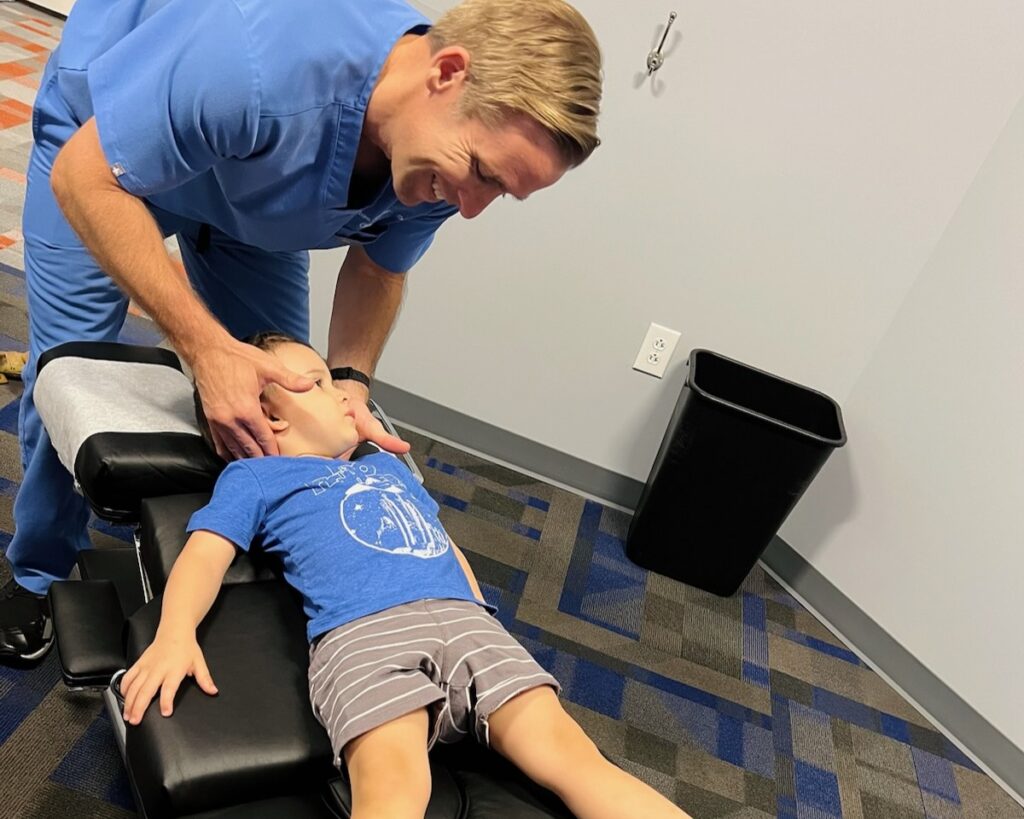
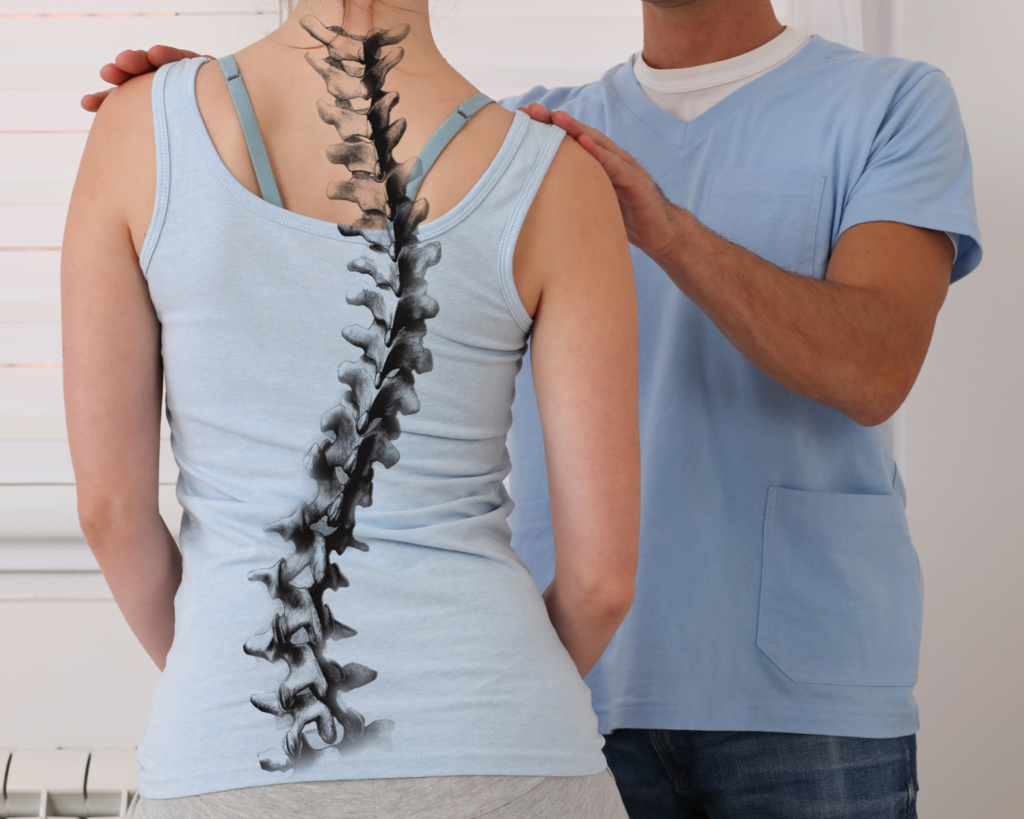
When you think about expert adjustments, it's essential to recognize how these changes can greatly enhance your mobility. Expert adjustments encompass a range of techniques used by professionals, such as chiropractors and physical therapists, to realign your body and maximize its function. They focus on correcting misalignments in your spine and joints, which can lead to improved movement patterns and reduced pain.
You might wonder how these adjustments work. They involve targeted pressure and manipulation of specific areas in your body, aiming to restore balance and relieve tension. For instance, if you've been experiencing discomfort in your lower back, an expert can assess your posture and alignment, identifying areas that need adjustment. By realigning these structures, you'll likely notice an increase in your overall flexibility and range of motion.
It's important to understand that expert adjustments aren't just about addressing existing issues; they're also preventative. Regular visits can help maintain ideal alignment, reducing the risk of injuries related to poor posture or overuse.
Plus, these adjustments can enhance your body's natural ability to heal itself, allowing you to recover faster from strains or injuries.
Incorporating expert adjustments into your routine can lead to a more active lifestyle. By understanding the significance of these changes, you can take proactive steps toward improving your mobility and overall well-being.
Embracing this approach may open new doors for your physical capabilities, empowering you to engage in activities you love without limitation.
Benefits of Enhanced Mobility
Enhanced mobility can transform your daily life in remarkable ways.
You'll find it easier to engage in physical activities, leading to improved health and energy.
Ultimately, these changes can boost your overall quality of life, giving you the freedom to enjoy each moment.
Improved Daily Functionality
Improving your mobility can greatly boost your daily functionality, making everyday tasks easier and more enjoyable. When you're able to move freely and comfortably, simple actions like getting out of bed, dressing, or cooking become less of a challenge.
You'll find that you can complete tasks more efficiently, saving you time and reducing frustration. Enhanced mobility also means you're less likely to experience fatigue, allowing you to maintain your energy throughout the day.
This newfound energy can lead to increased participation in family activities, social outings, or hobbies you love. You won't just be going through the motions; you'll be fully engaged and enjoying life.
Moreover, improved mobility can lead to better posture and balance, reducing your risk of falls or injuries. You'll feel more confident in your movements, whether you're maneuvering stairs or simply walking around your home.
This confidence translates into a more positive outlook on life, as you no longer feel restricted by physical limitations. Ultimately, enhanced mobility transforms your daily routine, making tasks feel effortless and enjoyable.
You'll reclaim your independence and enhance the quality of your life, allowing you to thrive in every moment.
Increased Physical Activity
With increased mobility, you can engage in physical activities that once felt challenging or impossible. Whether it's taking a brisk walk, dancing, or playing a sport, enhanced mobility opens up a world of opportunities for you to stay active and fit.
As your body moves more freely, you'll find yourself enjoying activities that elevate your heart rate and improve your overall health.
Being physically active not only strengthens your muscles and bones but also boosts your endurance and flexibility. You'll notice that everyday tasks become easier, and you'll have more energy to spend on the things you love.
This newfound ability to participate in physical activities can also help you establish a routine, making it easier to stay consistent and committed to your fitness goals.
Additionally, increased mobility encourages social interactions, allowing you to join friends or family in various activities. You might even discover new hobbies that ignite your passion for movement.
Enhanced Quality of Life
Mobility can greatly elevate your quality of life in numerous ways. When you're able to move freely and comfortably, everyday tasks become easier and more enjoyable. You can engage in activities you love, whether it's playing with your kids, gardening, or simply taking a stroll in the park. Enhanced mobility can help you maintain independence, reducing the need for assistance and allowing you to control your daily life.
Moreover, improved mobility can boost your mental health. When you're active, your body releases endorphins, which can lift your mood and reduce feelings of anxiety or depression. Social interactions often flourish when you're more mobile, as you're more likely to participate in community events or visit friends, strengthening your connections.
You'll also find that with better mobility, your overall health improves. Regular movement can lead to better cardiovascular health, weight management, and increased strength, which all contribute to a longer, healthier life.
Ultimately, enhanced mobility doesn't just transform how you move; it enriches your entire existence, making every moment more fulfilling. Embrace the benefits of mobility adjustments, and watch your quality of life soar.
Common Mobility Issues Addressed
Many people face common mobility issues that can hinder their daily activities and overall quality of life. Whether it's due to age, injury, or lifestyle choices, these challenges can considerably impact your ability to move freely.
Recognizing these issues is the first step toward finding solutions that work for you.
Here are four common mobility issues you might experience:
- Joint Pain: Chronic discomfort in joints can make even simple tasks, like walking or climbing stairs, feel overwhelming.
- Muscle Weakness: Weakness in your legs or core can affect your balance and stability, making you more prone to falls.
- Stiffness: If you find it hard to move certain parts of your body, stiffness can limit your range of motion and affect your daily routines.
- Posture Problems: Poor posture can lead to tension and discomfort, impacting your mobility and overall comfort throughout the day.
These issues can create a cycle of frustration and limitation, but they don't have to define your life.
By understanding the common mobility challenges you face, you can take proactive steps to address them. Engaging with professionals who specialize in mobility can lead to tailored interventions that promote enhanced movement and comfort.
You deserve to enjoy life without being held back by mobility issues.
Techniques Used by Practitioners
To enhance your mobility, practitioners utilize a variety of techniques tailored to individual needs. One common approach is manual therapy, which involves hands-on manipulation of muscles and joints. This technique can alleviate pain, improve flexibility, and restore range of motion. You might find that a gentle mobilization helps ease tightness in your body and allows for smoother movement.
Another effective method is proprioceptive neuromuscular facilitation (PNF). This technique combines stretching and contracting of muscles, which can greatly improve your flexibility and strength. Practitioners often guide you through targeted stretches that engage multiple muscle groups, making your mobility more efficient.
You may also experience the benefits of myofascial release, a technique that focuses on relieving tension in the fascia—the connective tissue surrounding muscles. By applying sustained pressure to specific areas, practitioners can help release built-up tension and improve your overall movement quality.
Additionally, practitioners may incorporate therapeutic exercises into your treatment plan. These exercises are often specifically designed to target areas of weakness or stiffness, helping to strengthen muscles and improve coordination. You'll likely work closely with your practitioner to ascertain each exercise aligns with your mobility goals.
Lastly, practitioners often use modalities like ultrasound or electrical stimulation to complement their manual techniques. These tools can aid in reducing inflammation and promoting healing, which supports your journey toward enhanced mobility.
Through these diverse techniques, practitioners aim to create a thorough approach to improving your movement and overall well-being.
Choosing the Right Specialist
When it comes to enhancing your mobility, selecting the right specialist is vital for achieving your goals. You'll want someone who understands your unique needs and can guide you through the process of improvement.
Here are four key factors to reflect on when making your choice:
- Qualifications: Look for a specialist with the right credentials. They should have relevant certifications and training in mobility enhancement techniques, ensuring they're well-equipped to help you.
- Experience: Think about their experience level. A specialist who's successfully worked with other clients facing similar mobility challenges will have the practical knowledge needed to tailor their approach effectively.
- Approach: Evaluate their treatment philosophy. Does it align with your values? Some specialists may focus on holistic methods, while others might emphasize specific techniques. Finding someone whose approach resonates with you can lead to a more successful partnership.
- Communication: Effective communication is vital. You should feel comfortable discussing your concerns and asking questions. A good specialist will listen attentively and explain their strategies clearly, making you feel involved in your journey.
Personalizing Your Treatment Plan
When it comes to personalizing your treatment plan, an individual assessment is essential.
By understanding your unique needs, you'll receive tailored exercise recommendations that fit your lifestyle and goals.
Plus, ongoing progress monitoring guarantees that your plan evolves as you do, keeping you on track for enhanced mobility.
Individual Assessment Techniques
Effective individual assessment techniques are essential for personalizing your treatment plan and ensuring ideal outcomes. By understanding your unique needs, a practitioner can tailor adjustments that enhance your mobility.
Here are four key techniques you may encounter:
- Physical Examination: Your practitioner will evaluate your posture, range of motion, and muscle strength. This hands-on approach reveals areas needing focus.
- Functional Movement Assessment: You'll perform specific movements to identify limitations or imbalances. This reveals how well your body performs daily tasks.
- Patient History Review: Sharing your medical history and any past injuries helps the practitioner understand your background and tailor treatments accordingly.
- Lifestyle Evaluation: By discussing your daily routines, work habits, and physical activities, your practitioner can pinpoint factors impacting your mobility.
These assessment techniques provide a thorough understanding of your body and needs.
They'll guide the development of a customized treatment plan that aligns with your goals. By investing time in these assessments, you're setting the stage for enhanced mobility and overall well-being.
Tailored Exercise Recommendations
Tailoring exercise recommendations to fit your specific needs is crucial for maximizing your mobility and achieving your goals. By focusing on what works best for you, you can enhance your strength, flexibility, and overall function.
Start by identifying your current fitness level and any limitations you may have. This personalized approach guarantees you won't push yourself too hard or do exercises that could lead to injury.
Next, consider incorporating a mix of cardiovascular, strength, and flexibility exercises into your routine. Cardiovascular activities, like walking or cycling, can improve endurance, while strength training can help build muscle and support joint stability.
Don't forget to add stretching or yoga to increase your flexibility and promote relaxation.
It's also important to set realistic, achievable targets that keep you motivated. Break larger goals into smaller milestones, and celebrate your progress along the way.
Remember, consistency is key. Aim to establish a regular exercise schedule that fits seamlessly into your daily life, allowing you to maintain your commitment.
Ongoing Progress Monitoring
Ongoing progress monitoring is essential for personalizing your treatment plan and ensuring you're on track to meet your mobility goals. By regularly evaluating your progress, you can make necessary adjustments that enhance your outcomes and keep you motivated.
Here's how you can effectively monitor your progress:
- Set Specific Milestones: Break down your overall mobility goals into smaller, achievable milestones. This way, you'll clearly see how far you've come.
- Track Your Exercises: Keep a log of your exercises, noting the duration, intensity, and any improvements. This helps you identify which routines work best for you.
- Evaluate Pain Levels: Regularly assess any pain or discomfort during activities. This feedback is vital for adjusting your treatment plan to prevent setbacks.
- Schedule Regular Check-ins: Meet with your healthcare professional at set intervals. They can provide insights and make recommendations based on your progress.
Success Stories and Testimonials
Many individuals have experienced remarkable transformations through adjustments in their mobility strategies. You might find inspiration in the stories of people who faced mobility challenges and turned their lives around with expert guidance.
Take, for instance, Sarah, a 45-year-old teacher who struggled with chronic back pain. After receiving personalized adjustments to her posture and movement patterns, she not only regained her flexibility but also improved her energy levels. Now, she enjoys an active lifestyle, participating in yoga classes and hiking trips with friends.
Another compelling story comes from Tom, a 60-year-old retiree who'd difficulty walking due to arthritis. With tailored adjustments focusing on joint health and strength training, he discovered newfound mobility. Tom now walks his dog every day and even took up dancing, activities he never thought possible before. His friends often comment on his improved vigor and zest for life.
Then there's Emma, a young athlete who faced setbacks due to sports injuries. After working closely with mobility experts, she learned techniques to enhance her recovery and prevent future injuries. Emma's performance on the field skyrocketed, leading her team to victory and earning her a scholarship.
These success stories highlight the power of individualized mobility adjustments. Your journey could be next, proving that with the right strategies and support, you can achieve extraordinary improvements in your mobility and overall quality of life.
Integrating Adjustments Into Daily Life
To seamlessly integrate mobility adjustments into your daily life, start by incorporating small, manageable changes into your routine.
These adjustments don't have to be overwhelming; instead, think of them as stepping stones toward a more active and fulfilling lifestyle.
Here are four simple ways to make these adjustments work for you:
- Morning Stretching: Begin each day with a series of light stretches. This can help loosen your muscles and improve flexibility, setting a positive tone for the day ahead.
- Mindful Walking: Whether you're walking to your car or taking a stroll during lunch, focus on your posture. Keep your shoulders back, and engage your core to enhance stability and reduce strain.
- Ergonomic Workspaces: If you spend long hours at a desk, adjust your workspace. Make certain your chair supports your lower back and your computer screen is at eye level to prevent discomfort.
- Scheduled Breaks: Set a timer to remind yourself to take breaks throughout the day. Use these moments to stand, walk, or stretch. Regular movement can invigorate your body and mind.
Maintaining Long-Term Mobility Health
Maintaining long-term mobility health requires a proactive approach that prioritizes regular physical activity and mindful practices. You can start by incorporating exercises that enhance strength, flexibility, and balance into your routine. Aim for at least 150 minutes of moderate aerobic activity each week, along with muscle-strengthening exercises on two or more days. Simple activities like walking, swimming, or yoga can work wonders for your mobility.
Don't forget the importance of proper posture and body mechanics in your daily life. Whether you're sitting at a desk or lifting heavy objects, using correct techniques can prevent strain and injury. Pay attention to your body's signals; if something doesn't feel right, don't hesitate to adjust your movements or seek professional advice.
In addition to physical activity, nutrition plays a vital role in maintaining mobility health. A balanced diet rich in vitamins, minerals, and antioxidants supports joint health and reduces inflammation. Stay hydrated, as proper hydration is essential for overall bodily function.
Regular check-ins with a healthcare professional can also help you stay on track. They can assess your mobility and offer tailored recommendations or adjustments to your routine.
Finally, prioritize rest and recovery. Your body needs time to heal and rebuild after physical activity. Incorporating techniques like stretching, foam rolling, or massage can enhance recovery and promote long-term mobility.
Conclusion
Incorporating expert adjustments into your routine can truly transform your mobility and overall well-being. By addressing pain and stiffness, these specialized techniques empower you to move freely and confidently. Remember, choosing the right practitioner and personalizing your treatment plan are key to achieving lasting results. With commitment and the right guidance, you can maintain long-term mobility health, allowing you to enjoy an active lifestyle and prevent future injuries. Embrace the journey to enhanced mobility today!