You might not realize it, but small adjustments in your daily routine can profoundly affect your posture and overall well-being. By recognizing common habits that contribute to poor alignment, you can begin to implement changes that enhance your health. From optimizing your workspace to choosing the right footwear, each decision plays a role in how you carry yourself. Curious about how these adjustments can lead to lasting benefits? Let's explore the fundamental shifts that not only improve your posture but also elevate your quality of life.
Understanding Posture Basics
Posture plays an essential role in your overall health and well-being. It's not just about how you sit or stand; it affects your muscles, joints, and even your mood. When you maintain good posture, your body aligns itself properly, allowing your spine to support your body weight effectively. This alignment helps reduce strain on your muscles and ligaments, minimizing the risk of injury and chronic pain.
You may not realize it, but your posture influences how you breathe. Standing tall or sitting up straight opens up your chest, enabling deeper breaths. Improved oxygen flow can enhance your energy levels and focus throughout the day. Additionally, good posture contributes to a confident appearance, which can positively impact your social interactions and self-esteem.
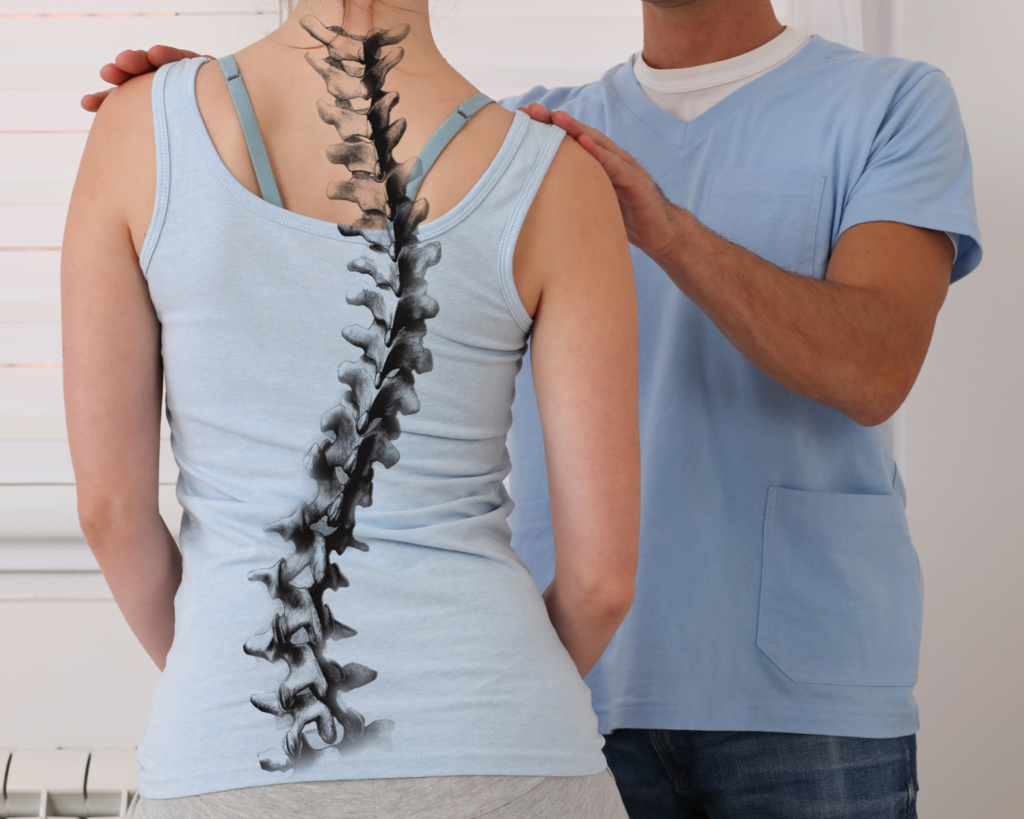
Understanding the basics of posture involves recognizing the natural curves of your spine. Your spine has three key curves: the cervical (neck), thoracic (mid-back), and lumbar (lower back). When these curves are in balance, your body functions effectively. You should be mindful of how you position your head, shoulders, and pelvis in relation to your spine.
To foster better posture, you can incorporate simple practices into your daily routine. Regularly check in with your body, making adjustments to your sitting and standing positions when necessary. Strengthening your core muscles can also provide the support your spine needs to maintain proper alignment.
Common Posture Issues
You mightn't realize it, but slouching and rounded shoulders are common posture issues that can affect your daily life.
Forward head posture can also creep in when you're hunched over screens for too long.
Let's explore these problems and how they impact your overall well-being.
Slouching and Rounded Shoulders
Slouching and rounded shoulders often creep in unnoticed, leading to discomfort and potential long-term health issues. You might find yourself hunching over at your desk or slumping on the couch, unaware of the strain you're putting on your body.
This poor posture can contribute to muscle imbalances, pain, and reduced mobility.
To combat slouching and rounded shoulders, consider these simple strategies:
- Strengthen your upper back: Incorporate exercises that target your rhomboids and trapezius muscles, helping to pull your shoulders back into alignment.
- Stretch your chest: Regularly stretching your pectoral muscles can alleviate tightness, making it easier to maintain an upright posture.
- Be mindful of your sitting habits: Adjust your workstation to encourage good posture, ensuring your chair supports your back and your screen is at eye level.
Forward Head Posture
Another common issue that often accompanies slouching is forward head posture. You mightn't even realize it, but this condition can greatly affect your overall posture and well-being. When your head juts forward, it places extra strain on your neck and spine, leading to discomfort and potential long-term problems.
You may notice symptoms like neck pain, headaches, or even tingling in your arms. This position often arises from spending long hours hunched over screens or devices, which has become a norm in today's digital age.
To combat forward head posture, start by being mindful of your head's alignment. Keep your ears aligned with your shoulders while sitting or standing. Incorporating stretches and strengthening exercises into your routine can also help.
Focus on strengthening your upper back and neck muscles, which can counteract the forward pull of gravity. Regular adjustments from a chiropractor can also assist in correcting your posture, ensuring your spine stays aligned.
Importance of Ergonomics
Understanding ergonomics is vital for maintaining proper posture and preventing discomfort during daily activities.
You'll discover how an ergonomic workspace can enhance your productivity and well-being while identifying common posture mistakes to avoid.
Let's explore the essential elements that can make a significant difference in your posture and overall health.
Benefits of Proper Posture
Proper posture offers numerous benefits that can greatly enhance your overall well-being. When you maintain good posture, you're not just standing tall; you're also supporting your body in ways that can improve your physical and mental health.
By being mindful of your alignment, you can experience a wide range of advantages.
- Reduced Pain: Proper posture minimizes strain on your muscles and joints, leading to less discomfort in your back, neck, and shoulders.
- Increased Energy: With your body aligned correctly, you'll find it easier to breathe and circulate blood, helping you feel more energized throughout the day.
- Boosted Confidence: Standing or sitting up straight can enhance your self-esteem and make you appear more confident, which can positively impact your interactions with others.
Adopting better posture habits is a simple yet effective way to improve your quality of life.
Whether you're at work, home, or socializing, integrating proper posture into your daily routine can help you feel better physically and mentally.
Ergonomic Workspace Essentials
Creating an ergonomic workspace is crucial for maintaining good posture and overall health, especially if you spend long hours at a desk. Start by adjusting your chair to support your lower back and keep your feet flat on the floor. Your knees should be at or just below hip level to promote proper alignment.
Next, position your monitor at eye level about an arm's length away. This setup helps reduce neck strain and keeps you from leaning forward. If you use a laptop, consider using a separate keyboard and mouse to achieve this height.
Your keyboard should be placed so your elbows remain at a 90-degree angle, allowing your wrists to stay straight while typing.
Don't forget to take regular breaks to stretch and move around, as this can help alleviate tension and refresh your focus.
Lastly, guarantee good lighting to minimize glare on your screen and prevent eye strain. By incorporating these ergonomic essentials, you'll create a workspace that not only boosts your productivity but also promotes your physical well-being.
Common Posture Mistakes
Even with an ergonomic workspace in place, many people still fall into common posture mistakes that can undermine their efforts. You might think you're sitting pretty, but small habits can add up to significant issues.
Here are a few mistakes to watch out for:
- Slouching: Leaning forward or hunching over your desk can strain your back and neck. Make sure you sit up straight, keeping your shoulders relaxed.
- Prolonged Sitting: Staying seated for hours on end can lead to stiffness and discomfort. Set a timer to remind yourself to stand, stretch, or take a quick walk every hour.
- Improper Screen Height: If your monitor's too low or too high, you might find yourself tilting your head, which can cause tension in your neck. Adjust your screen so it's at eye level.
Daily Habits for Better Posture
To boost your posture throughout the day, it helps to incorporate a few simple habits into your routine.
First, be mindful of your sitting position. When you sit, keep your feet flat on the floor, with your knees at a right angle. Use a chair that offers good lumbar support, or place a small cushion behind your lower back to encourage a natural curve.
Next, take regular breaks from sitting. Stand up, stretch, or walk around for a few minutes every hour. This helps to alleviate tension and reset your posture. If you work at a desk, consider using a standing desk or a desk converter to alternate between sitting and standing.
When using your phone or computer, keep the screen at eye level. This way, you won't have to lean forward or hunch your shoulders. If you're reading, hold the book or device at a comfortable height to prevent slouching.
Pay attention to your body when you're walking. Keep your head up, shoulders back, and engage your core. This alignment not only looks confident but also supports proper spinal alignment.
Finally, practice deep breathing. It helps you relax and encourages good posture by allowing your chest to expand fully.
Exercises to Strengthen Core
A strong core is essential for maintaining good posture and overall body stability. It's not just about looking good; a well-developed core supports your spine and helps you perform daily activities with ease.
By incorporating specific exercises into your routine, you can enhance your core strength, which in turn improves your posture. Here are three effective exercises to get you started:
- Plank: The plank engages multiple muscle groups, including your abs, back, and shoulders. Start in a push-up position, keeping your body straight and holding for 30 seconds to a minute.
- Bridges: Bridges work your glutes and lower back while also engaging your core. Lie on your back with your knees bent. Lift your hips toward the ceiling, hold for a moment, then lower back down.
- Bird-Dog: This exercise promotes balance and core stability. Start on all fours, extend one arm forward while extending the opposite leg back. Hold for a few seconds, then switch sides.
Incorporating these exercises into your workout routine just a few times a week can lead to significant improvements in your core strength.
As your core strengthens, you'll notice better posture, reduced back pain, and increased stability during other physical activities.
Stretching Techniques for Flexibility
Stretching is essential for improving your flexibility and overall posture.
By incorporating effective stretching routines into your daily practice, you can enhance your performance and reduce the risk of injury.
Remember to prioritize safety while stretching to maximize the benefits and prevent any strain.
Importance of Stretching
Incorporating stretching into your routine is essential for enhancing flexibility and preventing injury. Stretching helps maintain the elasticity of your muscles and tendons, which plays an important role in your overall mobility.
When you commit to regular stretching, you'll notice significant improvements in your body's range of motion. This can lead to better performance in physical activities and everyday tasks.
Here are a few key benefits of stretching:
- Increased Blood Flow: Stretching boosts circulation, delivering more oxygen and nutrients to your muscles, which aids in recovery and growth.
- Improved Posture: Regular stretching helps align your body properly, reducing the strain on your spine and promoting better posture.
- Reduced Muscle Tension: Stretching can alleviate tightness and discomfort, helping you to feel more relaxed and comfortable throughout the day.
Effective Stretching Routines
To achieve ideal flexibility, you can integrate a variety of effective stretching routines into your daily regimen. Start by incorporating dynamic stretches, which are perfect for warming up. These involve movements like arm circles or leg swings that gently increase your range of motion.
Next, focus on static stretches. Hold each position for about 15 to 30 seconds, targeting major muscle groups such as your hamstrings, quadriceps, and shoulders. For instance, try the standing quadriceps stretch or seated forward bend to lengthen those muscles effectively.
Another technique is PNF (Proprioceptive Neuromuscular Facilitation) stretching. This method involves contracting the muscle before stretching it, which can enhance flexibility more efficiently. You can partner with someone or use a resistance band to assist with this technique.
Finally, don't forget about yoga. It combines stretching with balance and strength, promoting overall flexibility while calming your mind. Incorporate poses like downward dog or pigeon pose to deepen your practice.
Safety Tips for Stretching
Practicing safe techniques during your stretching routine is essential for preventing injuries and maximizing benefits. By following a few simple guidelines, you'll guarantee that your body remains healthy while you increase flexibility.
Here are some safety tips to keep in mind:
- Warm up first: Always start with a brief warm-up to get your blood flowing. This can be a light jog, brisk walk, or any activity that raises your heart rate for a few minutes.
- Listen to your body: Pay attention to how your body feels during each stretch. If you experience pain or discomfort, ease off. Stretching shouldn't hurt; you should feel a gentle pull, not sharp pain.
- Hold, don't bounce: When you stretch, hold the position for at least 15-30 seconds. Avoid bouncing, as it can lead to muscle strain and injury.
Adjusting Your Workspace
Your workspace plays an essential role in maintaining good posture and preventing discomfort. If you spend long hours sitting at a desk, it's important to create an environment that supports your body's natural alignment.
Start by adjusting your chair. Make sure it provides adequate lumbar support, keeping your lower back supported and your spine in a neutral position. Your feet should rest flat on the floor or on a footrest, with your knees at or slightly below hip level.
Next, position your computer monitor at eye level. This'll help you avoid straining your neck. The top of the screen should be at or just below eye level, and about an arm's length away. If you use a laptop, consider investing in a stand or an external monitor to achieve the ideal height.
Your keyboard and mouse should be within easy reach, allowing your arms to rest comfortably at your sides. Keep your elbows close to your body and bent at about 90 degrees. If you notice your shoulders creeping up towards your ears, take a moment to adjust your setup.
Lastly, don't forget about lighting. Proper illumination can reduce eye strain, allowing you to maintain focus without leaning forward.
Footwear's Impact on Posture
The right footwear can greatly influence your posture and overall comfort throughout the day. When you wear shoes that fit properly and provide adequate support, you're more likely to maintain a balanced and healthy posture.
Poor footwear choices can lead to misalignments in your body, which can strain your muscles and joints, ultimately impacting your posture negatively.
Here are a few key factors to take into account when selecting your shoes:
- Arch Support: Good arch support helps distribute your weight evenly across your feet, reducing the risk of overpronation or supination.
- Cushioning: Shoes with proper cushioning absorb shock, which can alleviate pressure on your joints and lower back, promoting better alignment.
- Heel Height: Opt for shoes with a moderate heel height. Extremely high or flat shoes can contribute to poor posture by altering your body's natural alignment.
When you make footwear choices that prioritize comfort and support, you'll likely notice a significant improvement in your posture. A well-fitted shoe can enhance your gait, help you stand taller, and reduce fatigue throughout the day.
Remember, your feet are the foundation of your body; taking care of them will pay off in better posture and overall well-being.
Mindfulness and Body Awareness
While engaging in daily activities, tuning into your body can greatly enhance your posture and overall well-being. Mindfulness helps you become aware of your body's positioning and alignment, allowing you to make conscious adjustments throughout the day. When you pay attention to how you sit, stand, and move, you'll start to notice habits that may be contributing to poor posture.
Take a moment to check in with yourself. Are your shoulders hunched? Is your back slouched? By acknowledging these positions, you can begin to correct them. Simple practices, like taking a few deep breaths or rolling your shoulders back, can make a significant difference.
Incorporating mindfulness into your routine doesn't have to be complicated. You can practice while waiting in line or during a meeting. Just focus on your body—feel your feet grounding you to the floor, your spine lengthening, and your head balanced over your shoulders.
This awareness won't only improve your posture but also reduce tension and discomfort.
Additionally, you can use reminders throughout your day. Set alarms on your phone or place sticky notes in your workspace to prompt you to check in with your posture. Over time, these small adjustments, fueled by mindfulness, can lead to better body awareness and healthier habits.
Long-Term Benefits of Good Posture
Consistently maintaining good posture can lead to a range of long-term benefits that greatly enhance your quality of life. When you stand tall and sit properly, you're not just looking confident; you're also promoting better health.
Good posture can positively impact your physical and mental well-being in several ways. First, you'll likely experience reduced pain, especially in your back and neck. Proper alignment alleviates strain on your muscles and joints, helping you avoid chronic discomfort.
Second, improved posture can enhance your breathing. When your spine is aligned, your lungs have more room to expand, allowing for deeper and more efficient breaths.
Finally, good posture can boost your confidence. When you carry yourself well, you often feel more self-assured, which can lead to better interactions in both personal and professional settings.
Here are some long-term benefits you can expect:
- Enhanced circulation: Proper posture encourages blood flow, which helps keep your organs healthy and energized.
- Improved digestion: Sitting and standing correctly allows your digestive system to function effectively, reducing issues like bloating and heartburn.
- Increased energy levels: When your body is aligned, it uses energy more efficiently, helping you feel more alert and less fatigued throughout the day.
Conclusion
By making small adjustments to your daily habits and workspace, you can greatly improve your posture and overall well-being. Embracing ergonomic setups, practicing mindfulness, and integrating core-strengthening exercises into your routine will help alleviate discomfort and enhance your energy levels. Remember, good posture isn't just about standing tall—it's about fostering a healthier lifestyle that boosts your confidence and outlook. Start today, and enjoy the long-term benefits that come with a more aligned and vibrant you!