When you're dealing with sports-related pain, it's crucial to know that effective treatments go beyond just popping a couple of painkillers. You've got a variety of options, from medication and physical therapy to alternative therapies that can enhance your recovery. Each approach has its benefits, and the right combination might be what you need to get back in the game. But how do you determine which treatment is most effective for your specific situation? The answer might surprise you, and it could change how you approach your recovery.
Understanding Sports Injuries
When you engage in sports, the risk of injuries is ever-present, and understanding these injuries is essential for effective recovery. Recognizing the types of injuries you might encounter helps you respond appropriately and speed up your healing process.
Sports injuries typically fall into two categories: acute and chronic.
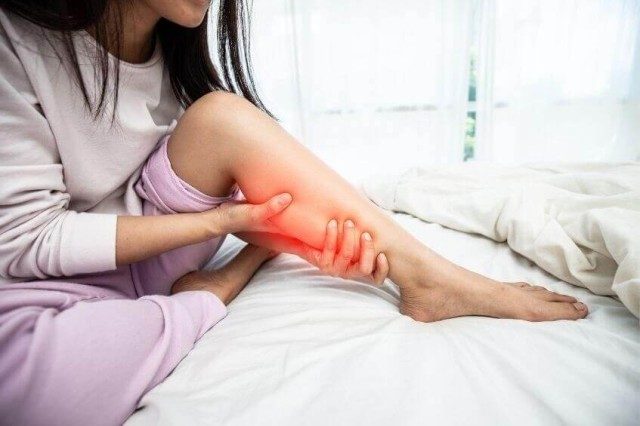
Acute injuries occur suddenly, often due to a specific impact or fall. Sprains, strains, and fractures are common examples. You might feel immediate pain, swelling, or difficulty using the affected area, signaling the need for immediate attention.
On the other hand, chronic injuries develop gradually over time, often due to repetitive motion or overuse. Conditions like tendonitis or stress fractures can silently creep up on you, making it vital to listen to your body and adjust your training routine.
Paying attention to warning signs—like persistent pain or swelling—can help you identify injuries early on. Ignoring these signals can lead to more severe problems down the line.
Additionally, understanding the mechanism of injury can aid in preventing them in the future. For example, if you know that poor form while running can lead to shin splints, you can work on your technique to minimize that risk.
Ultimately, being aware of the nature of sports injuries empowers you to take control of your health. It allows you to make informed decisions about when to seek professional help and how to approach your recovery.
Traditional Pain Relief Methods
For many athletes, traditional pain relief methods serve as the first line of defense against discomfort caused by injuries. These methods typically involve over-the-counter medications, ice applications, and rest, each playing a significant role in managing pain and promoting recovery.
Nonsteroidal anti-inflammatory drugs (NSAIDs) like ibuprofen and naproxen can effectively reduce swelling and alleviate pain. When you're dealing with a sprain or strain, taking these medications as directed can help you get back on your feet faster. However, it's important to use them judiciously, as overuse can lead to side effects.
Applying ice to the affected area is another straightforward yet effective method. Ice helps constrict blood vessels, reducing inflammation and numbing pain. It's best to apply ice for 15-20 minutes at a time, allowing your skin to return to normal temperature before reapplying. This method is particularly useful right after an injury occurs.
Rest is equally important. Giving your body time to heal is essential in preventing further injury. You might feel tempted to push through the pain, but listen to what your body is telling you. Taking a break doesn't mean giving up; it's a smart strategy to guarantee long-term performance.
Incorporating these traditional pain relief methods into your routine can provide immediate comfort and help you regain your strength, allowing you to return to the sports you love with renewed vigor.
Physical Therapy Options
While traditional pain relief methods provide immediate support, physical therapy options can enhance recovery and prevent future injuries. Engaging with a physical therapist allows you to develop a tailored plan that addresses your specific needs and goals. Through targeted exercises, you'll strengthen muscles, improve flexibility, and regain mobility, all crucial for a successful return to your sport.
One key aspect of physical therapy is manual therapy, which involves hands-on techniques to alleviate pain and restore function. Your therapist may use techniques like joint mobilization or soft tissue manipulation to enhance circulation and reduce stiffness. These methods can accelerate your healing process and make it easier for you to return to peak performance.
Additionally, therapeutic exercises are essential in physical therapy. Your therapist will introduce specific routines that focus on strengthening weak areas and stretching tight muscles. These exercises not only promote recovery but also help you develop better body mechanics, reducing the risk of re-injury.
Another important element is education. Your therapist will teach you about your condition, movement patterns, and strategies to avoid future injuries. Understanding your body's limits and how to listen to it can make a world of difference in your athletic journey.
Incorporating physical therapy into your recovery plan can be a game-changer. By focusing on rehabilitation, you'll not only address current pain but also set a solid foundation for long-term health and performance enhancement.
Take charge of your recovery – it's an investment in your future as an athlete.
Medication for Pain Management
Medication plays an essential role in managing sports-related pain, offering quick relief that can enhance your overall recovery process. When you're dealing with discomfort from injuries or strains, the right medications can help you get back to your activities sooner.
It's important to consult a healthcare professional before starting any medication, but here's a brief overview of common options:
- Nonsteroidal Anti-Inflammatory Drugs (NSAIDs): Medications like ibuprofen or naproxen can reduce inflammation and alleviate pain. They're often the first line of defense for acute injuries.
- Acetaminophen: If you're looking for pain relief without the anti-inflammatory effect, acetaminophen can be effective. It's generally easier on the stomach than NSAIDs and can be a good option for mild to moderate pain.
- Topical Analgesics: Creams or gels containing ingredients like menthol or capsaicin can provide localized pain relief. These are particularly useful for muscle strains or joint pain without the systemic effects of oral medications.
Alternative Therapies
When you're looking for relief from sports-related pain, alternative therapies like acupuncture and massage therapy can be game changers.
These methods not only target pain but also promote overall well-being.
Let's explore how they can enhance your recovery and performance.
Acupuncture for Pain Relief
Many athletes seek acupuncture as an effective alternative therapy for pain relief. This ancient practice involves inserting thin needles into specific points on your body, promoting natural healing and reducing pain.
You might find acupuncture particularly beneficial if you're dealing with chronic pain, muscle soreness, or injury recovery.
Here are three key benefits of acupuncture for athletes:
- Pain Reduction: Acupuncture stimulates the release of endorphins, your body's natural painkillers, helping to alleviate discomfort without relying on medications.
- Improved Circulation: The treatment enhances blood flow, which can expedite recovery times and help with muscle repair after intense workouts or injuries.
- Stress Relief: Acupuncture can reduce anxiety and stress levels, allowing you to focus better on your training and performance.
Incorporating acupuncture into your routine can complement your overall wellness strategy.
It's important to consult with a licensed practitioner to guarantee a treatment plan tailored to your specific needs.
Massage Therapy Benefits
Massage therapy offers a powerful way to relieve sports-related pain and enhance recovery. When you engage in regular massage sessions, you're not just pampering yourself; you're actively helping your body heal. The manipulation of soft tissues increases blood flow, which can reduce inflammation and improve oxygen delivery to sore muscles.
As you experience this increased circulation, you'll likely notice a decrease in muscle tension and stiffness. This can lead to improved flexibility and range of motion, making it easier for you to return to your favorite activities.
Additionally, massage therapy helps release endorphins, your body's natural painkillers, which can elevate your mood and reduce anxiety. This psychological benefit is essential, as mental well-being plays a significant role in physical recovery.
If you're dealing with chronic pain or soreness from intense workouts, incorporating massage therapy into your routine can provide long-term benefits. By connecting with a skilled therapist, you can tailor each session to target your specific needs, ensuring you get the most out of your recovery process.
Embrace this alternative therapy to enhance your athletic performance and overall well-being.
Cryotherapy and Heat Therapy
Although athletes often push their bodies to the limit, effective pain relief techniques like cryotherapy and heat therapy can help you recover quicker. Both methods offer unique benefits that can alleviate discomfort and enhance your performance.
Cryotherapy, which involves exposing your body to cold temperatures, reduces inflammation and numbs pain. When you apply ice or use a cryo chamber, you constrict blood vessels, leading to decreased swelling. This technique is particularly useful after intense workouts or injuries.
On the other hand, heat therapy increases blood flow and relaxes sore muscles. Applying heat, whether through a heating pad or warm bath, can help you loosen stiff joints and promote healing. It's especially effective for chronic pain or muscle strains.
To maximize your pain relief strategy, consider these key points:
- Timing Matters: Use cryotherapy immediately after a workout to reduce swelling, while heat therapy is best for muscle recovery a day or two after the activity.
- Listen to Your Body: Pay attention to how your body responds to each treatment. If swelling persists after cryotherapy, confirm you're applying it correctly.
- Combine Techniques: Don't hesitate to alternate between cryotherapy and heat therapy. This combination can address different types of pain effectively.
Incorporating both cryotherapy and heat therapy into your routine can greatly enhance your recovery process, helping you get back to your game stronger and faster.
Prevention Strategies
Preventing sports-related pain starts with proactive strategies that keep your body in peak condition. First and foremost, you should prioritize a proper warm-up before any physical activity. This increases blood flow to your muscles and prepares them for the demands ahead. Incorporate dynamic stretches and light aerobic exercises to get your heart rate up and muscles ready.
Next, focus on strengthening the muscles relevant to your sport. Targeted strength training not only enhances performance but also provides better support to your joints, reducing the risk of injuries. Balance training can also improve your stability, which is essential in preventing falls and strains.
Pay attention to your technique. Whether you're running, swimming, or playing a team sport, proper form is vital. Incorrect techniques often lead to overuse injuries, so consider working with a coach or trainer to refine your skills.
Don't underestimate the importance of rest and recovery. Your body needs time to heal and adapt, so incorporate rest days into your training schedule. Listen to your body; if you feel persistent pain or discomfort, take a step back.
Hydration and nutrition play key roles, too, as staying hydrated and fueling your body with the right nutrients supports muscle function and recovery.
Lastly, invest in quality equipment that's suitable for your sport. Proper footwear and gear can make a notable difference in preventing injuries. By adopting these strategies, you can greatly reduce the likelihood of experiencing sports-related pain.
When to Seek Professional Help
Knowing when to seek professional help for sports-related pain is essential for your long-term health and performance. Ignoring persistent pain can lead to more severe injuries and longer recovery times.
It's important to recognize the signs that indicate it's time to consult a healthcare professional.
Here are three key situations when you should seek help:
- Persistent Pain: If you experience pain that lasts more than a few days despite rest and home treatment, don't hesitate to get it checked out. Chronic pain could signal an underlying issue that needs attention.
- Swelling or Bruising: Noticeable swelling or bruising around the affected area is a red flag. This could indicate a more serious injury, such as a fracture or ligament tear, that requires professional assessment.
- Loss of Function: If you find it hard to move a joint or perform normal activities, it's time to see a professional. Loss of range of motion or strength can lead to further complications if left untreated.
Conclusion
In summary, effectively managing sports-related pain involves a mix of medication, physical therapy, and alternative therapies. By understanding your injury and exploring various treatment options, you can find relief and enhance your recovery. Don't overlook the importance of prevention strategies to minimize future injuries. If your pain persists or worsens, seeking professional help is essential. Remember, taking proactive steps now can keep you in the game and performing at your best.