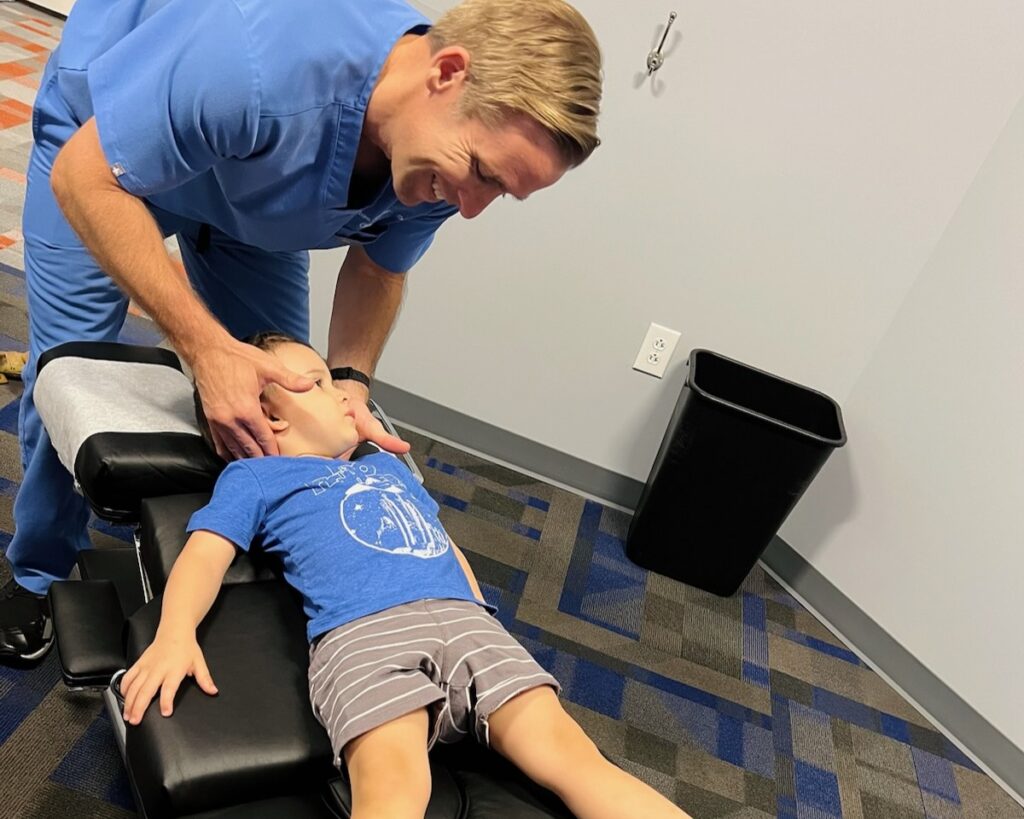
As a local chiropractor, I want to take a moment to share how regular chiropractic adjustments can significantly contribute to your mental well-being. Many people may not realize that by aligning your spine, we aren't just focusing on your physical health; we're also laying the groundwork for improved mood and mental clarity. This holistic approach can empower you to manage stress more effectively and cultivate resilience as you navigate life's ups and downs.
To truly enhance your mental health journey, there are several practices and techniques you can incorporate alongside your chiropractic adjustments. For example, mindfulness exercises, proper nutrition, and regular physical activity can all complement the benefits of chiropractic care. By embracing these natural healing methods, you can create a well-rounded strategy for improving your overall mental health. If you have any questions or would like to learn more about how chiropractic care can support your well-being, feel free to reach out!
Understanding Mental Well-being
What does mental well-being truly mean? As a chiropractor, I view it as an essential aspect of your overall health, intertwining the emotional, psychological, and physical components of your being. It's about how you feel and function daily, including your capacity to manage stress, cultivate relationships, and tackle life's challenges.
When you prioritize your mental well-being, you're not only caring for your mind but also supporting your body's natural healing processes, much like how we approach chiropractic care.
Understanding mental well-being goes beyond merely avoiding mental illness; it's about thriving and flourishing in your life. Just as you may experience physical discomfort, you can also encounter emotional ups and downs. Maintaining mental well-being allows you to bounce back from setbacks and fully embrace positive experiences.
It's about finding that balance that suits you, similar to achieving spinal alignment, and developing habits that nurture both your emotional and physical health.
Your thoughts and feelings serve as vital indicators of your mental state. By being mindful of your emotions, you can better manage them, just as chiropractic care helps manage physical discomfort. This awareness empowers you to create effective coping strategies for stress and anxiety.
Engaging in enjoyable activities, practicing mindfulness, and fostering connections with others can significantly enhance your mental well-being.
Setting personal goals that encourage growth and fulfillment can also be beneficial. These goals don't have to be monumental; even small, achievable objectives can contribute to a sense of purpose and well-being.
Ultimately, understanding mental well-being is about recognizing its significance in your overall health and making conscious choices that promote a positive mindset. By doing so, you lay the groundwork for a happier, more balanced life, which aligns perfectly with the principles of chiropractic care and natural healing.
Importance of Regular Adjustments
As a local chiropractor, I want to emphasize the importance of regular adjustments in your daily routine for enhancing mental clarity and managing stress.
Many may not realize that chiropractic care goes beyond just physical alignment; it plays a significant role in promoting overall well-being.
By integrating adjustments and other natural healing techniques into your life, you can foster a healthier mindset and improve your body's function.
It's crucial to discover what methods resonate with you and prioritize those changes.
Mental Clarity Boost
As a local chiropractor, I want to share three important adjustments you can make to significantly enhance your mental clarity and overall well-being.
First, it's essential to prioritize regular breaks throughout your day. Taking a step back from your tasks, even for just a few minutes, can refresh your mind and help prevent cognitive overload. Use this time to stretch your body—perhaps with some gentle chiropractic exercises—hydrate, or take a quick walk. You'll be surprised at how a brief pause can sharpen your focus and improve your mental clarity.
Second, I encourage you to establish a consistent sleep schedule. Quality sleep is vital for your mental clarity because it allows your brain to process information and restore itself. Aim for 7-9 hours of restorative sleep each night, and create a routine that signals to your body when it's time to wind down. When your body is properly aligned and your sleep is consistent, you'll notice a significant boost in your cognitive performance and decision-making abilities.
Lastly, consider incorporating mindfulness practices into your daily routine. Engaging in mindfulness activities, such as meditation or deep-breathing exercises, can greatly enhance your awareness and concentration.
Stress Reduction Techniques
As a chiropractor, I often see the impact that stress can have on both mental and physical health. It's crucial to recognize that stress can manifest in various ways, and understanding your personal triggers is the first step in managing it effectively.
One of the simplest yet most powerful techniques is deep breathing exercises. Taking a few moments each day to inhale deeply and exhale slowly can significantly calm your mind and body. Additionally, incorporating mindfulness meditation can help you stay present and alleviate anxiety. Even dedicating just five to ten minutes a day can yield noticeable improvements in your overall well-being.
Engaging in regular physical activity is another essential component of stress reduction. Whether you prefer a brisk walk, yoga, or a vigorous gym session, moving your body releases endorphins—those wonderful chemicals that enhance your mood and promote a sense of relaxation.
Establishing a consistent routine can also support your stress management efforts. By organizing your daily schedule to include time for relaxation, hobbies, or social interactions, you create a balanced lifestyle that can mitigate stress.
Lastly, I encourage you to reach out for support when needed. Whether it's chatting with friends, family, or seeking guidance from a professional, discussing your feelings can open up new perspectives and coping strategies.
Mindfulness Practices to Implement
As a chiropractor dedicated to supporting your overall health and well-being, I want to share how mindfulness practices can play a vital role in enhancing your mental and physical wellness.
These practices can help you stay grounded in the present moment, reduce stress, and promote a more balanced life, which is essential for optimal spinal health.
One effective mindfulness practice I recommend is mindful breathing. It's a simple yet powerful technique that you can easily incorporate into your daily routine.
Set aside a few minutes each day to focus on your breath. Inhale deeply through your nose, hold for a moment, and then exhale slowly through your mouth. This exercise not only calms your mind but also helps you reconnect with your body, which is essential for maintaining proper alignment and function.
Another technique to consider is body scanning. Lie down comfortably and mentally scan your body from head to toe.
Pay attention to any areas of tension or discomfort, and consciously work on releasing that tension. This practice enhances your awareness of your body and encourages relaxation, aiding in the healing process of any musculoskeletal issues you might be experiencing.
Mindful walking is another practice that can be beneficial. Take a stroll in a peaceful environment, concentrating on how your feet feel as they touch the ground, the rhythm of your breath, and the various sights and sounds around you.
This active form of mindfulness allows you to engage with your surroundings, promoting mental clarity and reducing stress, which is crucial for maintaining a healthy spine.
Lastly, I encourage you to incorporate gratitude into your daily life. Each day, take a moment to reflect on three things you're grateful for.
This practice shifts your perspective from what may be lacking in your life to appreciating the abundance around you, fostering a positive mindset that can enhance your overall health and wellness.
Self-Reflection Techniques
As a chiropractor, I believe that self-reflection techniques can greatly enhance your journey toward personal growth and holistic well-being. Taking the time to look inward not only aids in mental clarity but also complements the physical healing process we focus on in chiropractic care.
I encourage you to set aside a few minutes each day for quiet reflection. Find a comfortable spot where you won't be disturbed, allowing your mind to settle. This could be as simple as sitting in a chair or lying on the floor.
One highly effective method is journaling. Keep a notebook handy and write down your thoughts without holding back. Let your pen move freely across the page, capturing whatever comes to mind. This practice can help you process emotions and pinpoint any patterns in your thinking. You may uncover recurring themes that require attention or positive aspects of your life that deserve celebration.
Another beneficial technique is asking yourself insightful questions. Reflect on what experiences have shaped your current mindset and health. Questions like, "What am I grateful for today?" or "What challenges have I faced, and how did I handle them?" can provide significant clarity. By contemplating your answers, you can better understand your motivations and how they impact your overall health and well-being.
Meditation is another powerful practice that I recommend. Focus on your breath, allowing your thoughts to drift by without judgment. This not only cultivates awareness but also helps you observe your mental processes, which can be very beneficial when managing stress or pain.
Lastly, don't hesitate to share your reflections with a trusted friend or mentor. Discussing your insights can lead to new perspectives and deeper understanding.
Engaging in these self-reflection techniques can greatly support your chiropractic care by enhancing your self-awareness and promoting mental well-being. Together, we can work towards achieving a balanced and healthier you.
Setting and Reevaluating Goals
As a local chiropractor, I want to emphasize the importance of setting and reevaluating your health goals, particularly in relation to your overall well-being. When you establish clear, achievable health goals, you create a roadmap for your wellness journey. This roadmap not only guides your choices but also enhances your motivation and confidence as you reach important milestones in your health journey.
It's crucial to set health goals that align with your personal values and aspirations, making them more meaningful and motivating. For instance, if your goal is to improve your mobility or reduce pain, these objectives should resonate with your lifestyle and overall aspirations for better health.
However, it's important to remember that life is ever-changing, and so are our health needs. This is why regularly reevaluating your health goals is essential. By assessing your progress, you can determine what's working and what may need adjustment. Are your goals still relevant to your current health status? If you find they no longer serve you, don't hesitate to modify them. Creating flexible health goals allows you to adapt and stay focused on your journey toward improved well-being.
To effectively set and reevaluate your health goals, consider using the SMART criteria: Specific, Measurable, Achievable, Relevant, and Time-bound. This approach ensures that your health goals are clear and attainable.
Once you've established your goals, make it a habit to regularly check in with yourself. Reflect on your progress, celebrate your achievements, and recognize any challenges you may encounter along the way.
As your chiropractor, I'm here to help you navigate this journey, providing support and guidance to ensure your goals align with your path to natural healing and wellness. Together, we can work towards a healthier, more vibrant you!
Building Resilience Through Change
Change can feel overwhelming, especially when it comes to your health and well-being. However, embracing uncertainty is an essential first step in building resilience, not just in life but also in how we approach our bodies and their needs.
As a chiropractor, I want to help you understand that when you adapt to new challenges—like trying chiropractic care or exploring natural healing methods—you open yourself up to significant growth and learning.
Cultivating a growth mindset is crucial; it enables you to view obstacles, such as pain or discomfort, as opportunities for healing and improvement.
By addressing these issues through chiropractic adjustments and holistic practices, you can become stronger and more resilient, better equipped to navigate life's ups and downs.
Embracing Uncertainty in Life
Life's unpredictable nature can often feel daunting, but embracing that uncertainty is key to unlocking your body's natural healing potential. As a chiropractor, I encourage you to lean into the unknown aspects of your health journey. By doing so, you allow yourself to explore new therapies and treatments that can enhance your well-being and resilience.
Think of your body as a vast ocean, with each wave representing a different opportunity for healing and growth. Just like the thrill of a rollercoaster ride, chiropractic care may involve twists and turns, but each adjustment brings you closer to feeling your best.
Imagine a blank canvas, where your body has the potential to create a vibrant picture of health, guided by the gentle hands of a chiropractor.
Consider the feeling of warmth from the sun as you embark on a new wellness adventure, trusting your body's ability to adapt and heal. Remember that, just like wrapping yourself in a cozy blanket on a chilly night, seeking chiropractic care can provide comfort and support through life's changes.
Embracing the uncertainties of your health can lead to a transformative journey towards a stronger, healthier you.
Adapting to New Challenges
Embracing uncertainty often highlights the importance of resilience, especially when navigating new challenges in your health journey. As a chiropractor, I want to emphasize that adapting to changes in your body and lifestyle isn't merely about coping; it's about thriving. Each time you face a health challenge, view it as an opportunity to enhance your adaptability and well-being.
Start by acknowledging how you feel—it's perfectly normal to feel overwhelmed when dealing with pain or discomfort. Accepting these emotions is a vital step that enables you to take control of your health journey.
Next, let's break down your health challenges into manageable steps. When dealing with pain or discomfort, focusing on small, specific goals can make the process feel less daunting. Whether it's improving your posture, increasing your mobility, or alleviating pain, setting realistic goals and celebrating even the smallest achievements can significantly boost your confidence in managing your health.
Don't hesitate to reach out for support. Engaging with friends, family, or even health professionals like me can provide you with valuable insights and encouragement. Surrounding yourself with a supportive community can greatly enhance your resilience and commitment to your health.
Lastly, prioritize self-care in your routine. Engage in activities that rejuvenate you, whether it's gentle exercise, relaxation techniques, or pursuing hobbies you enjoy. Taking care of your mental and physical well-being is essential to facing health challenges with a positive mindset.
Embrace this journey of change, and you may be surprised at how resilient you truly are. Remember, chiropractic care is here to support you every step of the way.
Cultivating a Growth Mindset
A growth mindset can significantly influence how you handle health challenges and setbacks. Instead of viewing pain or discomfort as mere obstacles, consider them as valuable opportunities for healing and personal growth. This shift in perspective not only strengthens your resilience but also contributes to your overall well-being.
Imagine yourself:
- Embracing discomfort as a natural part of the healing journey, leading to better health outcomes.
- Finding joy in the process of understanding your body, rather than solely focusing on immediate relief.
- Seeking feedback from your chiropractor as a crucial element for your improvement and recovery.
- Celebrating small milestones in your healing process that pave the way for greater health achievements.
- Cultivating curiosity about your body's potential and the holistic approaches available to enhance your wellness.
Conclusion
As your local chiropractor, I want to share how regular chiropractic adjustments can significantly enhance your mental well-being. When you focus on aligning your spine, you're not just taking care of your physical health; you're also supporting your mental health. Many of my patients notice an improvement in their mood and resilience, which helps them handle life's challenges more effectively.
In addition to chiropractic care, incorporating mindfulness practices and self-reflection techniques can pave the way to achieving your personal goals. Taking a proactive approach to your health by prioritizing spinal alignment can lead to a more balanced and fulfilling life. If you're curious about how chiropractic care can benefit you, I encourage you to reach out and start your journey toward improved mental wellness today!