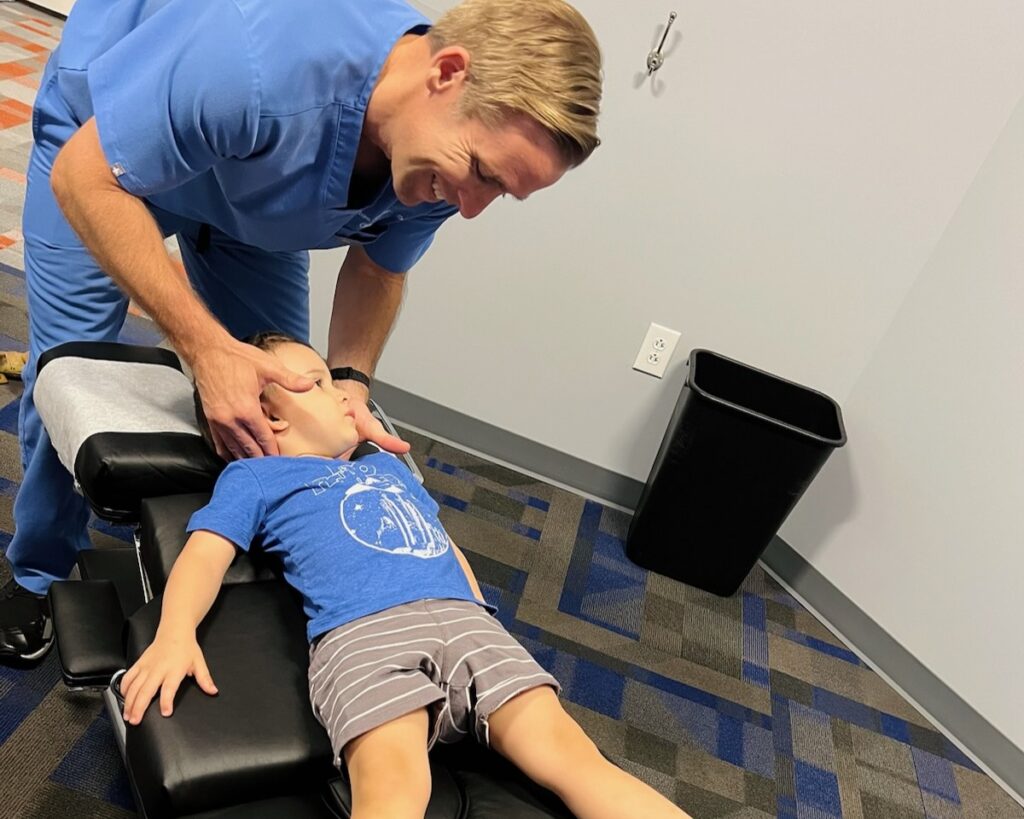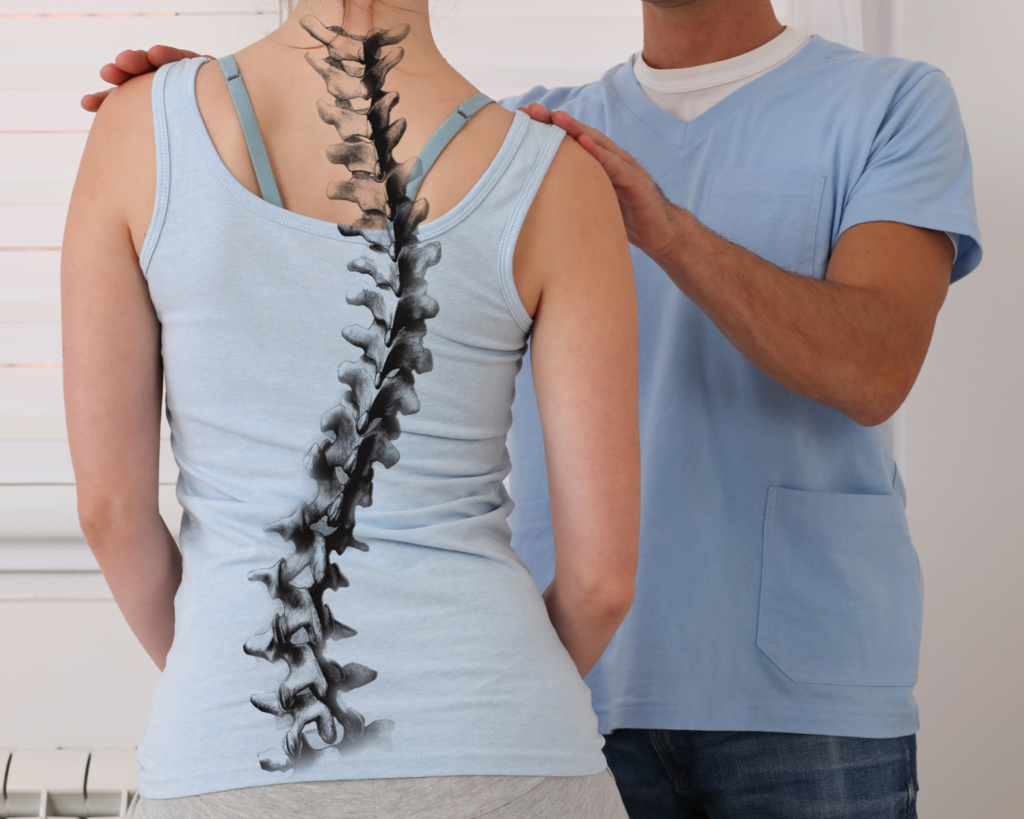
As a local chiropractor, I understand that dealing with a neck injury can be daunting, especially with so many options available for relief. It's important to know that gentle techniques can significantly aid in your recovery process. These methods, which include stretching, self-massage, and mindfulness practices, can effectively alleviate discomfort and promote healing.
Incorporating simple movements like neck tilts and mindful breathing into your daily routine can enhance your flexibility and help reduce tension in your neck. You don't have to navigate this journey alone; I'm here to guide you through tailored strategies that not only focus on pain management but also elevate your overall well-being.
Embracing natural healing methods can empower you to take control of your recovery. Together, we can explore how chiropractic care and these gentle techniques can work in harmony to support your healing journey.
Understanding Neck Injuries
As a local chiropractor, I want to help you understand neck injuries and how they can affect your overall health. Neck injuries often arise unexpectedly, whether from sports activities, accidents, or even poor posture during daily tasks. The range of these injuries can vary from mild strains to more serious conditions, such as herniated discs or whiplash. It's crucial to grasp the nature of your neck injury to facilitate effective treatment and recovery.
When you start experiencing neck pain, it's essential to recognize the symptoms. You may notice stiffness, sharp pain, or even headaches that seem to radiate from your neck to your head. In some cases, tingling or numbness in your arms can indicate that the nerves in your neck are compromised. This nerve involvement often results from compression or irritation, which can be quite debilitating.
One prevalent cause of neck injuries is repetitive strain, particularly from spending long hours in front of screens or maintaining improper ergonomic positions while working. If you find yourself hunched over your computer for extended periods, the muscles in your neck can become fatigued and lead to discomfort.
Additionally, accidents, like car collisions, can result in more severe injuries, such as whiplash, where your neck is abruptly thrust back and forth.
Understanding the type and severity of your neck injury is critical in determining the right course of action for care. Whether you choose to consult with a healthcare professional like myself or make necessary lifestyle adjustments, being informed about your condition empowers you to take meaningful steps toward relief.
Gentle Stretching Exercises
As a local chiropractor, I want to share with you the incredible benefits of gentle stretching exercises, especially when it comes to relieving neck pain and enhancing your overall flexibility.
Many of my patients have found that by incorporating specific neck stretching techniques into their daily routine, they not only experience immediate relief but also enjoy long-term improvements in their well-being.
It's important to understand how often you should be practicing these stretches and the ideal duration for each session to maximize their effectiveness.
Regularly engaging in these gentle stretches can significantly alleviate tension and promote better posture, which is essential for maintaining a healthy neck.
Let's delve into the frequency and duration of these exercises to ensure you get the most out of your stretching routine.
Your body will thank you!
Neck Stretching Techniques
As a local chiropractor, I want to share some effective and gentle stretching techniques that can help alleviate neck discomfort. Many individuals aren't familiar with the benefits of stretching and how it can contribute to your overall well-being, so let's explore a few simple exercises you can incorporate into your daily routine.
First, find a comfortable position—this could be sitting or standing—while ensuring your posture is straight. Let's begin with a neck tilt. Slowly drop your right ear toward your right shoulder and hold this position for about 15-30 seconds. You should feel a gentle stretch along the left side of your neck. After that, repeat the same stretch on the opposite side. This exercise can help release tension and improve flexibility.
Next, we'll work on neck rotations. Turn your head to the right as if you're looking over your shoulder and hold for 15-30 seconds. Then, switch to looking over your left shoulder. This movement isn't only beneficial for mobility but also helps keep your neck joints functioning optimally.
Another beneficial technique is the chin tuck. Sit up tall and gently tuck your chin towards your chest, holding this position for a few seconds. This exercise strengthens the muscles that support your neck and helps maintain proper alignment.
Lastly, don't forget about shoulder rolls. Lift your shoulders towards your ears, then roll them back and down in a circular motion. Repeat this 5-10 times. This simple movement can release tension in your upper back and neck area.
As you practice these stretches, always listen to your body. It's crucial to avoid pushing into any pain. These gentle stretching techniques can significantly ease tension and enhance the flexibility of your neck. Incorporating them into your routine can complement the chiropractic care you receive, promoting natural healing and overall health.
Benefits of Gentle Stretching
As a local chiropractor dedicated to your health and well-being, I want to share the incredible benefits of incorporating gentle stretching into your daily routine, especially for your neck. Many of my patients are surprised to learn that simple stretching exercises can greatly improve flexibility and enhance blood circulation in the neck area. This increased blood flow is essential, as it can help alleviate stiffness and promote quicker healing for any injuries you may be experiencing.
If you often experience tightness or discomfort in your neck, gentle stretching can be a game-changer. These stretches are designed to relax tense muscles, providing immediate relief and helping you feel more at ease. As you practice these movements regularly, you'll likely notice a reduction in pain and an improved range of motion, enabling you to move your neck more freely.
Additionally, I want to emphasize how gentle stretching can positively impact your posture. Many neck issues arise from poor posture habits that we may not even be aware of. By integrating regular stretching into your routine, you can help realign your spine and strengthen the supporting muscles, which minimizes strain on your neck and encourages better alignment throughout your entire body.
Lastly, taking the time for gentle stretching can also help you cultivate a sense of calm and relaxation. In our fast-paced lives, managing stress is crucial, as it often contributes to neck tension. By dedicating a few moments each day to stretch, you can create a soothing practice that not only benefits your neck but also supports your overall mental well-being.
I encourage you to explore these gentle stretching techniques as part of your journey towards better health. If you have any questions or need guidance, feel free to reach out—I'm here to help you on your path to natural healing!
Frequency and Duration Tips
As a local chiropractor dedicated to helping you achieve optimal neck health, I want to emphasize the importance of gentle stretching as part of your wellness routine. Regular neck stretches can significantly improve flexibility and alleviate tension.
Here are some tailored frequency and duration tips to help you effectively integrate these exercises into your life:
- Frequency: I recommend aiming for at least 3-5 stretching sessions each week. This consistent practice helps keep your neck muscles supple and reduces tension over time, leading to better overall comfort.
- Duration: You don't need to set aside a large chunk of your day for these stretches. Spending just 5-10 minutes on your routine can bring about remarkable benefits without adding stress to your schedule.
- Hold Each Stretch: When you engage in these gentle stretches, be sure to hold each position for 15-30 seconds. This duration allows your muscles to relax and lengthen effectively, promoting better flexibility.
- Listen to Your Body: It's crucial to be mindful of how your neck feels during these exercises. If you encounter any pain, please ease off or adjust the stretch. Prioritizing your comfort is essential, and avoiding overexertion is key to your healing journey.
By incorporating these simple practices into your routine, you can support your neck health and enhance your overall well-being.
If you have any questions or need personalized guidance, don't hesitate to reach out!
Heat and Cold Therapy
As a local chiropractor, I want to share how essential heat and cold therapy can be in managing neck injuries and promoting your recovery. Many of my patients aren't familiar with these natural healing methods, so let me explain.
Heat therapy is excellent for relaxing tight muscles and increasing blood circulation to the affected area. This can help alleviate discomfort and prepare your body for healing.
On the other hand, cold therapy is effective in reducing inflammation and numbing pain, which can be especially beneficial immediately after an injury.
By combining these two therapies, you can maximize your relief and enhance your healing process. It's a simple yet powerful approach that can complement your chiropractic care and aid in your overall recovery.
If you're curious about how to incorporate these therapies into your routine, feel free to ask during your next visit!
Benefits of Heat Therapy
As a local chiropractor, I'm here to educate you on the benefits of heat therapy for relieving neck injuries and discomfort. Many of my patients find heat therapy to be an effective and comforting approach to recovery.
Let's explore how applying heat to your neck can aid in your healing journey:
- Increased Blood Flow: When you apply heat to your neck, it helps to dilate blood vessels, which boosts circulation in the affected area. This enhanced blood flow brings essential nutrients and oxygen that are crucial for healing.
- Muscle Relaxation: Heat therapy is excellent for soothing tight, tense muscles. By reducing tension and stiffness, you'll find that movement becomes easier, allowing you to perform your daily activities with greater ease.
- Pain Relief: The warmth from heat therapy can help to dull the pain signals your body sends, providing you with temporary relief from discomfort. This can be especially beneficial as you work on your recovery without being distracted by persistent pain.
- Enhanced Flexibility: Applying heat can improve the elasticity of your muscles and connective tissues, which is vital for regaining mobility in your neck. With increased flexibility, you may find it easier to stretch and move comfortably.
Incorporating heat therapy into your recovery routine can significantly enhance your comfort and expedite the healing process.
It's important, however, to use it safely and remain attentive to your body's signals to avoid any irritation. If you're new to chiropractic care and natural healing, I encourage you to explore how heat therapy can complement your overall wellness strategy.
Advantages of Cold Therapy
As a local chiropractor, I want to share with you the importance of incorporating cold therapy into your recovery process for neck injuries. While many people are familiar with the benefits of heat therapy, cold therapy also plays a crucial role in healing.
When you apply cold packs to your neck, you're able to significantly reduce inflammation and swelling—two common responses your body has when injured. This is especially vital during the initial stages of an injury when blood flow and swelling can increase rapidly.
Cold therapy works by constricting blood vessels, which slows down the inflammatory process and helps to alleviate pain. This means that you can find some relief from those sharp or throbbing pains without relying on medication.
I often recommend applying a cold pack for about 15-20 minutes at a time, as this can provide substantial relief and allow you to continue your daily activities more comfortably.
Moreover, cold therapy can help reduce muscle spasms by relaxing the tight muscles surrounding the injury. It's a straightforward and effective method that can easily fit into your recovery routine.
Just remember to wrap the cold source in a cloth to protect your skin, and avoid applying it for too long to prevent frostbite.
Incorporating cold therapy alongside chiropractic care can enhance your overall healing process, and I'm here to guide you through it every step of the way.
Combining Both Approaches
As your local chiropractor, I want to share with you the benefits of combining heat and cold therapy in your recovery from neck injuries. Many people may not realize that these two methods can work together to create a powerful synergy that aids in healing.
Let me guide you on how to incorporate both approaches into your recovery routine:
- Begin with Cold Therapy: Right after an injury, it's important to apply a cold pack to your neck for about 15-20 minutes. This step helps numb the area and reduces swelling, providing immediate relief.
- Transition to Heat Therapy: Once you've completed the cold treatment, it's time to switch gears. Use a warm towel or heating pad on your neck for another 15-20 minutes. This warmth will help relax tight muscles and promote better blood flow, which is essential for healing.
- Incorporate Alternating Treatments: For ongoing relief, consider alternating between heat and cold every hour. This method not only keeps your muscles relaxed but also effectively manages inflammation, fostering a better healing environment for your neck.
- Tune into Your Body's Signals: It's crucial to listen to how your neck feels during these treatments. If you experience any increase in pain or discomfort, don't hesitate to adjust the duration or frequency of your applications. Your comfort and recovery are my top priorities.
By understanding and utilizing these techniques, you can enhance your healing process and regain your mobility more efficiently.
If you have any questions or need further guidance, feel free to reach out!
Mindfulness and Relaxation Techniques
As a local chiropractor, I want to share how mindfulness and relaxation techniques can significantly help with neck pain and tension. Incorporating these practices into your daily routine can foster a sense of calm and awareness, which is essential for reducing stress and its physical symptoms in your body.
One of the simplest yet most effective methods is deep breathing. I encourage you to take a moment to find a comfortable position, whether sitting or lying down. Close your eyes and focus on your breath. Inhale deeply through your nose, allowing your abdomen to rise, and then exhale slowly through your mouth. Repeat this process for several minutes, consciously releasing any tightness you may feel in your neck and shoulders.
Another valuable technique is progressive muscle relaxation. Begin by tensing the muscles in your neck and shoulders for a few seconds, then completely release them. Pay attention to how your body feels before and after this practice. Gradually work your way down your body, tensing and relaxing each muscle group. This approach not only alleviates physical tension but also enhances the connection between your mind and body, which is vital for holistic healing.
Mindfulness meditation can also play a key role in your wellness journey. Set aside some quiet time to focus on the present moment. If your thoughts drift, gently redirect your attention to your breath or the sensations in your neck. This practice can increase your awareness of how stress impacts your body, enabling you to respond more effectively to discomfort.
Posture Correction Strategies
As a local chiropractor, I want to emphasize the importance of good posture in preventing and alleviating neck pain. Maintaining proper alignment not only reduces strain on your neck muscles and joints but also plays a significant role in your overall well-being.
Here are some effective strategies to help improve your posture throughout your daily activities:
- Adjust Your Workspace: It's crucial to set up your workspace correctly. Ensure your computer screen is at eye level and your chair provides support for your lower back. This will help you avoid leaning forward, which can lead to discomfort.
- Practice the Chin Tuck: One simple technique I recommend is the chin tuck. While sitting or standing, gently draw your chin back towards your neck. This action helps align your head with your spine, relieving tension in your neck muscles.
- Strengthen Your Core: A strong core is vital for supporting your spine and promoting good posture. I encourage you to incorporate exercises like planks and bridges into your routine. These exercises can help build the strength needed to maintain proper alignment.
- Be Mindful of Your Phone Use: With the prevalence of smartphones, it's important to be mindful of how you use them. Hold your phone at eye level instead of bending your neck down to look at it. This small adjustment can significantly reduce strain on your neck.
By implementing these strategies, you can take proactive steps towards better posture and a healthier neck.
If you have any questions or need further guidance, feel free to reach out!
Massage and Self-Massage Tips
As a chiropractor, I want to help you understand how massage and self-massage techniques can play a significant role in alleviating neck pain. Alongside proper posture correction, these gentle methods can help relieve tension, boost circulation, and encourage relaxation in your neck muscles.
Begin by practicing gentle kneading. Use your fingertips to apply pressure along the muscles that run from the base of your skull down to your shoulders. This technique can effectively release built-up tension. You might also find it beneficial to use your thumbs to make small circular motions on any particularly tight spots. Remember to breathe deeply during this process; it will help you relax and enhance the effectiveness of the massage.
For self-massage, consider using common household items, such as a tennis ball or foam roller. Position the ball between your neck and a wall, then lean into it to target those tight areas. Gently roll the ball in circular motions to help break up knots in your muscles. Be sure to adjust the pressure according to what feels comfortable for you.
In addition to kneading, gentle stretching is an effective technique for neck relief. Try tilting your head to one side, bringing your ear toward your shoulder. Hold this position for about 15-30 seconds before switching sides. This not only stretches the neck muscles but also improves flexibility, which can help reduce your discomfort over time.
Lastly, consider incorporating warm compresses before or after your massage. Applying heat can help further relax your muscles, making your massage even more beneficial.
It's crucial to listen to your body and avoid any movements that cause pain. With consistent practice of these techniques, you may find significant relief and improved comfort in your neck. As your chiropractor, I'm here to support you on your journey to natural healing and wellness.
When to Seek Professional Help
As a local chiropractor, I want to help you understand when it's important to seek professional care for neck pain. While self-care techniques like massage can be helpful, there are specific signs that indicate it's time to consult a healthcare provider like me.
Here are four key indicators that suggest you should reach out for chiropractic evaluation:
- Persistent Pain: If you've been experiencing neck pain for several days without any signs of improvement, or if the pain seems to be getting worse, it's crucial to get a professional assessment. Chronic neck pain can be a sign of underlying issues that may require specialized treatment to promote healing.
- Radiating Symptoms: Should you notice pain, numbness, or tingling sensations that extend down your arms or into your hands, it's essential to seek help. These symptoms can indicate nerve compression or other serious conditions that I can help diagnose and treat effectively.
- Limited Range of Motion: Difficulty turning your head or looking up and down can signal a more significant problem. As a chiropractor, I can assess your range of motion and identify any underlying issues that may be contributing to these limitations, providing you with tailored treatment options.
- Accompanying Symptoms: If your neck pain is accompanied by headaches, dizziness, or vision changes, it's critical to consult a healthcare professional. These symptoms may point to more complex medical concerns that require a thorough evaluation, and chiropractic care can play a vital role in addressing them.
Don't wait too long if you notice any of these signs. Seeking chiropractic help early can lead to a quicker recovery and prevent further complications.
Your neck health is important, and by addressing issues promptly, you can regain your quality of life. Let's work together to help you feel your best!
Conclusion
As a local chiropractor, I want to share some gentle techniques that can significantly support your recovery from neck injuries. Incorporating simple practices like stretching, heat and cold therapy, and mindfulness into your daily routine can help relieve tension and promote healing in your neck.
It's essential to maintain good posture throughout the day, as this can greatly influence your recovery. Additionally, self-massage can be an effective way to ease discomfort and improve mobility in the affected area.
If you find that your symptoms persist or worsen despite these efforts, I encourage you to seek professional help. Chiropractic care is designed to address these issues holistically and can be a valuable part of your journey to relief and recovery. Remember, prioritizing your health is crucial, and taking these steps can lead to meaningful improvements in your well-being.