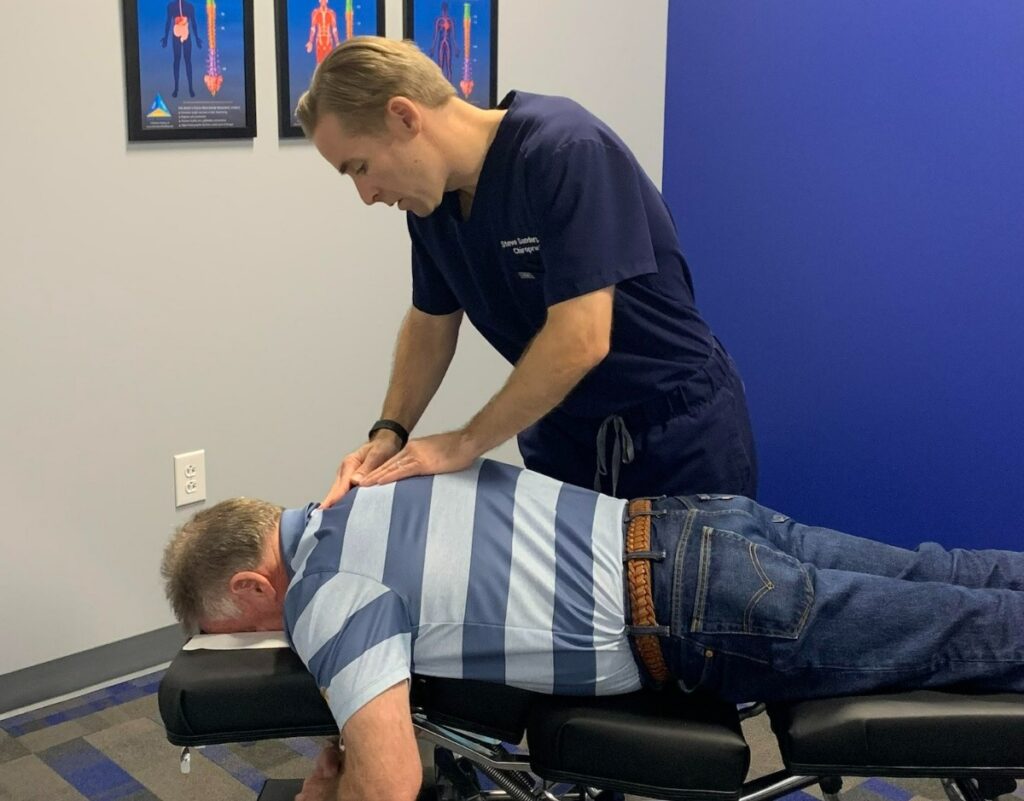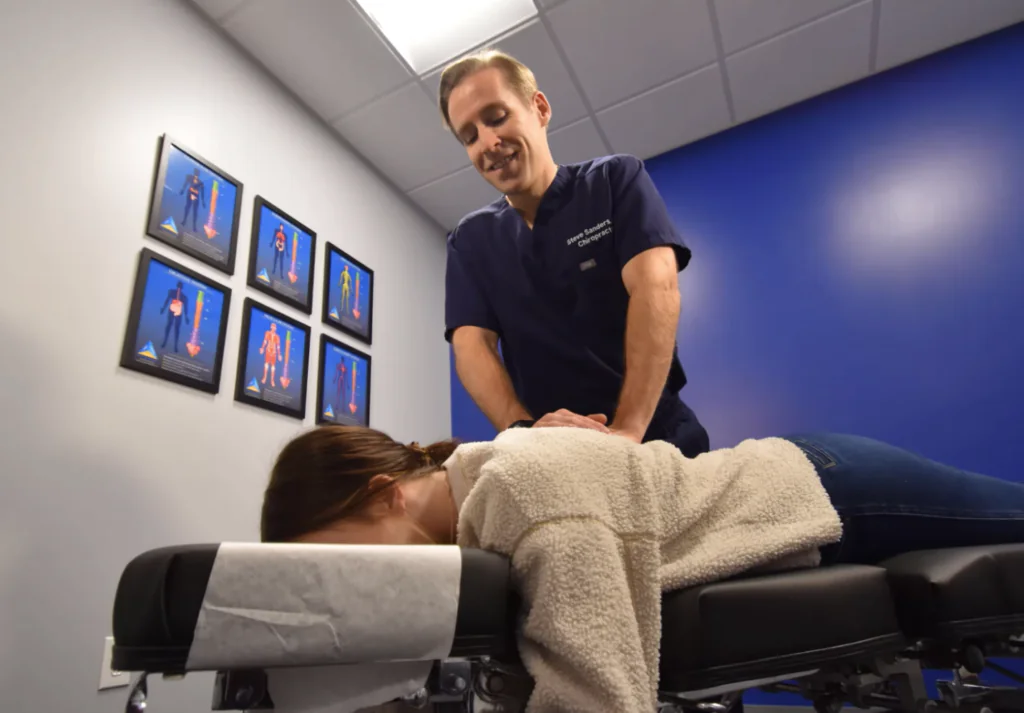
If you're looking to genuinely boost your mobility and flexibility, it's crucial to establish a consistent routine that incorporates both stretching and strength training. These practices not only enhance your range of motion but also improve overall stability and balance. You might be surprised at how small lifestyle adjustments can lead to significant improvements. By focusing on effective techniques and integrating them into your daily life, you can access a new level of physical capability. So, what specific strategies can you implement to start seeing those changes?
Importance of Mobility and Flexibility
Mobility and flexibility are essential for maintaining an active lifestyle and overall well-being. They directly impact your ability to perform daily tasks, engage in recreational activities, and prevent injuries. When you're mobile and flexible, you can move with ease, whether it's bending down to tie your shoes or reaching for something on a high shelf. This ease of movement not only enhances your physical capabilities but also boosts your confidence.
Improving your mobility and flexibility can considerably enhance your athletic performance. If you're an athlete, you know that being able to stretch your muscles and joints can lead to better outcomes in your sport. Increased range of motion helps with speed, agility, and strength, allowing you to excel in your chosen activities.
Even if you're not an athlete, having good mobility and flexibility can help you stay active and enjoy life to the fullest, making it easier to participate in hobbies and social gatherings.
Additionally, maintaining good mobility and flexibility can contribute to better posture and alignment, reducing the risk of chronic pain and discomfort. It helps your body cope with the stresses of everyday life, whether from sitting for long periods or lifting heavy objects.
Effective Stretching Techniques
To enhance your mobility and flexibility, incorporating effective stretching techniques into your routine is essential. Start with dynamic stretches, which are perfect for warming up your muscles. These movements, like leg swings or arm circles, help increase blood flow and prepare your body for activity. Aim for 5-10 minutes of dynamic stretching before workouts.
Once you've warmed up, focus on static stretches. Hold each stretch for 15-30 seconds, targeting major muscle groups such as your hamstrings, quadriceps, and shoulders. It's vital to breathe deeply during these stretches, as this helps your muscles relax and elongate. Remember to never bounce; instead, ease into the stretch to avoid injury.
Incorporate PNF (Proprioceptive Neuromuscular Facilitation) stretching for even greater flexibility gains. This technique involves contracting a muscle before stretching it, which can enhance your range of motion. Partner up for this one—have someone apply gentle pressure to your stretched muscle while you resist for a few seconds, then relax and allow a deeper stretch.
Lastly, don't forget about consistency. Set aside time at least three times a week for your stretching routine. As your flexibility improves, you'll notice how it positively impacts your overall movement and daily activities.
Stay patient and committed; flexibility is a gradual process. By incorporating these effective stretching techniques, you'll be well on your way to boosting your mobility and flexibility.
Strength Training for Better Movement
Incorporating strength training into your fitness routine can greatly enhance your movement quality and overall physical performance. When you engage in strength training, you're not just building muscle; you're also reinforcing the connections between your brain and body. This improved neuromuscular coordination translates to better control over your movements, making tasks like lifting, bending, or reaching feel effortless.
Additionally, strength training helps in developing joint stability. The stronger your muscles are around your joints, the less strain you place on them during everyday activities. This stability can reduce your risk of injury, allowing you to move more freely and confidently.
Compound movements like squats, deadlifts, and bench presses engage multiple muscle groups, promoting functional strength that enhances your ability to perform daily tasks.
It's also essential to focus on your core when strength training. A strong core supports your spine, improves balance, and contributes to better posture, all of which are vital for efficient movement. Incorporate exercises like planks, Russian twists, and leg raises to target this area effectively.
Don't forget about progression. As you become stronger, gradually increase the weight or resistance you're using. This not only challenges your muscles but also encourages them to adapt and grow stronger over time, further enhancing your mobility.
Incorporating Mobility Exercises
Flexibility and mobility exercises are essential components of a well-rounded fitness routine. They help improve your range of motion, reduce the risk of injury, and enhance performance in various activities. To incorporate mobility exercises effectively, start by identifying the key areas where you feel tight or restricted. Focus on these areas during your warm-up or cooldown sessions.
Begin with dynamic stretches like leg swings, arm circles, or torso twists. These movements increase blood flow and prepare your muscles and joints for more intense activity. Aim to perform these dynamic stretches for about 5 to 10 minutes before your workout.
After your workout, dedicate time to static stretches that target specific muscle groups. Hold each stretch for 15 to 30 seconds, and don't forget to breathe deeply. This helps promote relaxation and deeper stretching. You can use foam rollers or massage balls to work out muscle knots and increase flexibility in problem areas.
Integrate mobility exercises into your routine at least three times a week. You can perform them on their own or combine them with strength training or cardio sessions. Consider joining a yoga or Pilates class, as these disciplines emphasize mobility, flexibility, and core strength.
Lastly, listen to your body. If you feel pain or discomfort during any mobility exercise, stop and reassess your form. Consistency is key, so keep at it, and over time, you'll notice significant improvements in your mobility and flexibility.
Lifestyle Changes for Enhanced Flexibility
Making small lifestyle changes can greatly enhance your flexibility over time. Start by incorporating regular stretching into your daily routine. Whether it's a few minutes in the morning or evening, dedicating time to stretch can improve your range of motion and reduce muscle tension.
Focus on dynamic stretches before workouts and static stretches afterward for ideal results.
You should also consider your posture throughout the day. Poor posture can lead to muscle imbalances that impede flexibility. Sit and stand tall, keeping your shoulders back and your spine aligned.
Investing in ergonomic furniture or adjusting your workspace can help maintain proper posture and encourage movement.
Hydration plays an essential role as well. Drinking enough water keeps your muscles hydrated and pliable, which is vital for flexibility. Aim for at least eight glasses a day, or more if you're active.
Incorporate physical activities that promote flexibility, like yoga or Pilates. These practices emphasize stretching and can greatly improve your flexibility while also enhancing your overall strength and balance.
Lastly, pay attention to your nutrition. A balanced diet rich in vitamins and minerals supports muscle health. Foods high in omega-3 fatty acids, antioxidants, and vitamins can help combat inflammation and promote recovery.
Conclusion
Incorporating these strategies into your routine will substantially enhance your mobility and flexibility. By committing to regular stretching, strength training, and mindful lifestyle changes, you'll notice improvements in your overall movement and well-being. Remember, consistency is key! Stay dedicated to your practice, and you'll reap the benefits of a more flexible and mobile body, making daily activities easier and more enjoyable. Embrace this journey toward better movement, and you'll feel the positive changes in no time!