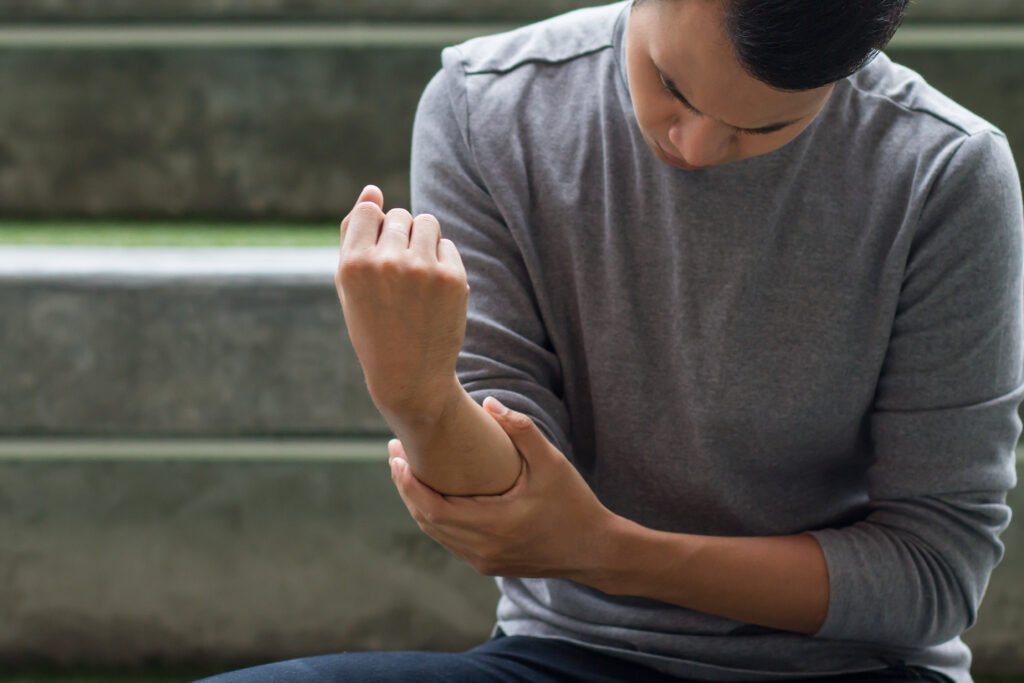
As a local chiropractor, I want to share some valuable insights on managing sports-related back pain naturally. Many athletes often underestimate how crucial elements like posture, flexibility, and nutrition can be in their recovery journey. By focusing on these aspects, you can make meaningful progress in alleviating your discomfort.
So, what specific strategies can you adopt to support your healing and build resilience? Let’s discuss the key components of a natural approach to treating back pain, emphasizing the importance of chiropractic care in promoting overall well-being and recovery. Together, we can explore techniques that not only relieve pain but also improve your athletic performance and enhance your quality of life.
Understanding the Causes of Sports-Related Back Pain
As a local chiropractor, I want to take a moment to educate you on the common causes of sports-related back pain and how understanding these factors can help you prevent discomfort while enjoying your favorite activities.
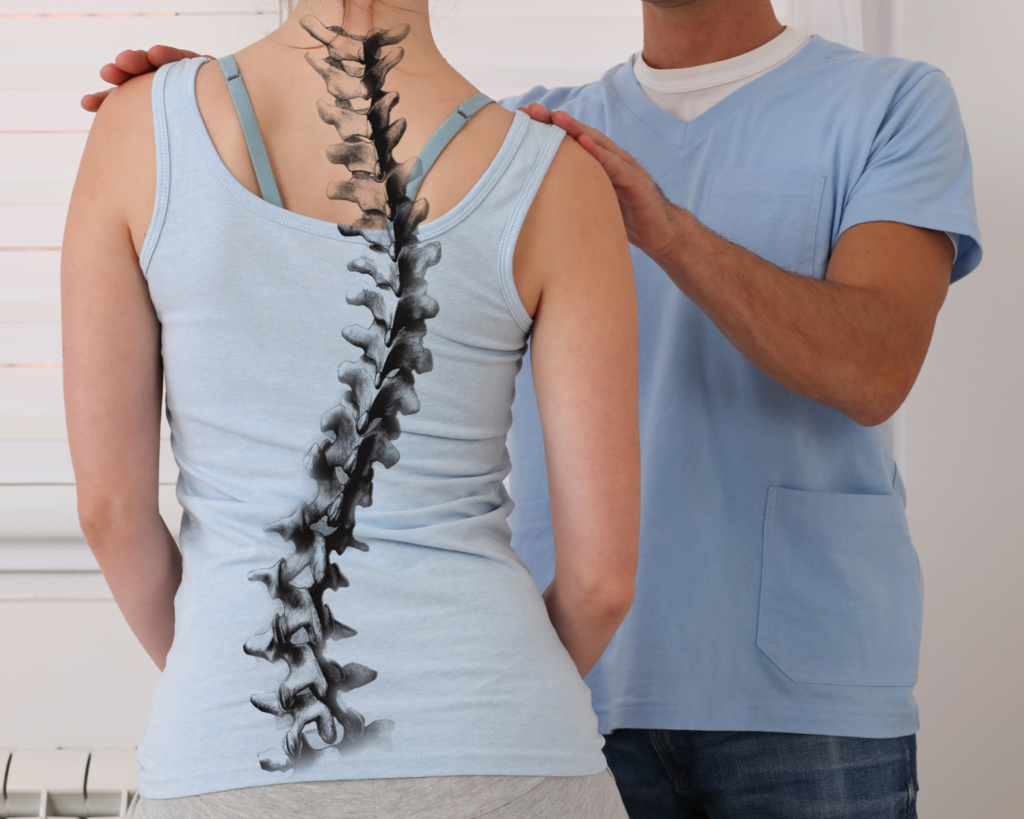
One significant contributor to back pain is poor posture during sports. Many individuals unknowingly slouch or fail to maintain a neutral spine position, which places unnecessary strain on the back. It’s essential to be mindful of your posture – keeping your spine aligned can make a considerable difference.
Another cause of back pain is overexertion. When you push your body beyond its limits without adequate conditioning, you risk straining your muscles and ligaments. It’s crucial to listen to your body and gradually build your strength and endurance to avoid injuries.
Repetitive movements, such as twisting or bending during certain sports, can also lead to wear and tear on your back. These actions can stress the muscles and ligaments over time, resulting in pain.
Additionally, inadequate core strength significantly impacts your spine’s stability. If your core muscles are weak, they may not provide the necessary support for your spine, increasing your likelihood of discomfort.
Lastly, using improper equipment—like ill-fitting shoes or outdated gear—can lead to alignment issues that contribute to back pain. It’s vital to ensure that your sports gear is appropriate and supportive.
By recognizing these causes, you can take proactive steps to modify your technique, strengthen your core, and choose suitable equipment.
If you’re experiencing back pain, I encourage you to consider chiropractic care as a natural healing option. Together, we can work towards reducing your risk of injury and enhancing your overall sports experience.
Importance of Stretching and Flexibility
As a local chiropractor, I want to emphasize the crucial role of stretching and flexibility in preventing sports-related back pain. Many people don’t realize that tight muscles can create imbalances in the body, putting unnecessary stress on the spine.
By integrating regular stretching into your daily routine, you can significantly enhance your range of motion and alleviate muscle tension. This not only supports proper posture but also fosters better alignment during physical activities.
It’s especially beneficial to focus on key muscle groups such as your hamstrings, hip flexors, and lower back. Improving flexibility in these areas can greatly reduce discomfort.
Simple stretches, like the cat-cow or child’s pose, are excellent tools for relieving tightness and enhancing your mobility.
I encourage you to dedicate just a few minutes each day to stretching. This small commitment can lead to noticeable improvements in how your body feels during workouts and everyday activities.
By adopting a consistent stretching routine, you’re likely to experience better overall performance and a lower risk of developing back pain.
Strengthening Exercises for a Resilient Back
As a local chiropractor, I want to emphasize the importance of a resilient back for your overall health and well-being.
To achieve this, it’s essential to focus on strengthening exercises that promote core stability. These exercises not only support your spine but also help in preventing injuries.
In addition to strength training, incorporating flexibility and mobility drills into your routine is vital for maintaining a healthy back.
These practices can significantly enhance your sports performance and assist in managing pain effectively.
By integrating these workouts, you can improve your back health and enjoy a more active lifestyle.
Core Stability Workouts
As a local chiropractor, I want to emphasize the importance of core stability workouts for your overall health and well-being. Strengthening your back is crucial not only for preventing sports-related injuries but also for enhancing your daily activities. These exercises specifically target your core muscles, which play a vital role in supporting your spine and pelvis during movement.
To get started, I recommend incorporating basic exercises like planks and bridges into your routine. These foundational moves will help improve your stability and provide a solid base for more advanced workouts.
Additionally, exercises such as bird-dogs and dead bugs are excellent for promoting coordination and balance, which are essential for injury prevention. As you become more comfortable with these exercises, consider adding resistance or increasing the duration to challenge yourself further.
Always remember to maintain proper form throughout each movement; this is key to maximizing the effectiveness of your workouts while minimizing the risk of injury.
By regularly integrating core stability workouts into your lifestyle, you can’t only enhance your physical strength but also experience improved performance in your sports activities and daily life.
If you have any questions about incorporating these exercises or how they relate to your chiropractic care, feel free to reach out. Your journey to better health is a priority for us!
Flexibility and Mobility Drills
As your local chiropractor, I want to emphasize the importance of not only strengthening your back but also incorporating flexibility and mobility drills into your routine.
These exercises can significantly enhance your overall performance and help reduce the risk of injuries. By maintaining a full range of motion, you can improve your athletic capabilities and overall well-being.
Here are three effective flexibility and mobility drills I recommend you try:
- Cat-Cow Stretch: This dynamic movement is excellent for increasing spinal flexibility and warming up your back muscles. It promotes healthy movement in the spine, which is essential for maintaining good posture and alignment.
- Hip Flexor Stretch: Many people experience tightness in their hip flexors, which can lead to discomfort and back pain. By stretching these muscles, you can improve your mobility and alleviate tension, which is crucial for a healthy back.
- Seated Forward Bend: This gentle stretch targets both your back and hamstrings, promoting increased flexibility. It’s an effective way to relieve tightness and improve your overall mobility.
Incorporating these drills into your daily routine can be a natural and effective way to enhance your spinal health and overall physical performance.
If you have any questions or would like personalized guidance, feel free to reach out!
The Role of Nutrition in Recovery
As a local chiropractor, I want to emphasize the significant role nutrition plays in recovering from sports-related back pain. Many people may not realize that what you eat can greatly influence your body’s healing process. It’s crucial to focus on a balanced diet that’s abundant in vitamins, minerals, and antioxidants. Incorporating foods like fresh fruits, colorful vegetables, whole grains, and lean proteins into your meals can help reduce inflammation and support tissue repair.
Hydration is another key factor in your recovery journey. Drinking adequate amounts of water is essential, as it keeps your muscles and joints well-lubricated, which is vital for healing. Additionally, omega-3 fatty acids, commonly found in fish, flaxseeds, and walnuts, are known for their anti-inflammatory properties and can help alleviate pain.
Don’t overlook the importance of calcium and vitamin D in maintaining strong bones. Including dairy products or fortified non-dairy alternatives in your diet can be beneficial.
Lastly, I encourage you to consider the timing of your meals. Eating smaller, more frequent meals throughout the day can provide your body with a consistent supply of nutrients, which can enhance your recovery process.
Exploring Alternative Therapies
As a local chiropractor, I want to share some insights on how alternative therapies can be beneficial for those suffering from sports-related back pain. Many patients may not be familiar with chiropractic care, but it can be an effective method for finding relief.
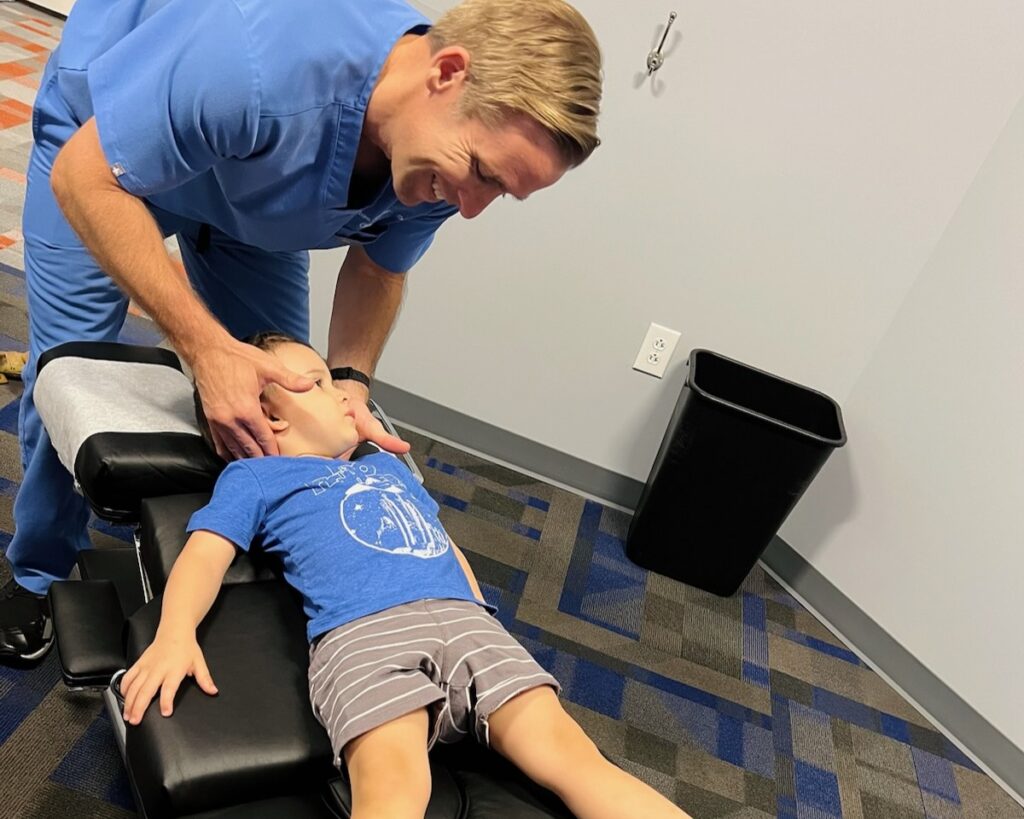
Through gentle chiropractic adjustments, we work to realign your spine, which can greatly improve mobility and reduce discomfort.
Additionally, therapies such as acupuncture can pinpoint specific pain areas, enhancing your overall recovery process. Embracing these natural healing options not only addresses the symptoms but also promotes a holistic approach to your health.
If you’re looking for a way to manage your back pain without relying solely on medication, I encourage you to explore these alternatives with me. Together, we can pave the way to a healthier, pain-free lifestyle!
Acupuncture for Pain Relief
As a local chiropractor, I want to share with you a natural approach to managing sports-related back pain that you may not be familiar with—acupuncture.
This ancient practice can complement chiropractic care by stimulating specific points on your body to promote healing and relaxation.
Here are three compelling reasons to consider incorporating acupuncture into your wellness routine:
1. Pain Reduction: Many athletes have experienced significant relief from back pain after just a few acupuncture sessions.
This can help you get back to the activities you love much sooner, enhancing your overall performance and enjoyment.
2. Stress Relief: Acupuncture is known to help calm the mind and reduce anxiety.
By enhancing your mental well-being, it can create a more positive environment for healing, which is crucial for athletes facing the physical demands of their sport.
3. Improved Flexibility: This therapy can improve blood circulation and decrease muscle tension, helping you regain your range of motion.
This increase in flexibility makes movement more comfortable and enjoyable, allowing you to perform at your best.
Consider exploring acupuncture as part of your holistic approach to health—it may provide the natural relief you’ve been seeking alongside your chiropractic care!
Chiropractic Adjustments Benefits
As a local chiropractor, I want to take a moment to explain how chiropractic adjustments can significantly aid your recovery from sports-related back pain. Our primary goal is to realign your spine and enhance your overall function. By doing so, we can help reduce inflammation, increase your mobility, and relieve tension in your muscles.
When you choose chiropractic care, you’re not merely treating the symptoms; you’re addressing the underlying causes of your discomfort. Regular adjustments can lead to better posture and improved balance, which are crucial for achieving peak athletic performance. Many of my patients notice that they recover more quickly from injuries and encounter fewer setbacks along the way.
Additionally, numerous athletes have shared that after a series of chiropractic adjustments, they experience enhanced flexibility and strength. By making chiropractic care a part of your routine, you can improve your overall well-being and continue engaging in the activities you love, all while minimizing the impact of back pain.
I encourage you to explore the benefits of chiropractic care as a natural healing option for your body.
Proper Posture and Body Mechanics
As your local chiropractor, I want to emphasize the importance of maintaining proper posture and body mechanics to help prevent and alleviate sports-related back pain. Many people may not realize how crucial alignment is when standing, sitting, or moving, but it plays a significant role in how your body feels during and after physical activity.
Here are three essential points to keep in mind:
- Engage Your Core: Strengthening your core muscles is vital. A strong core provides essential support for your spine, which can help reduce the strain on your back while engaging in sports activities. Think of your core as your body’s natural stabilizer.
- Keep Your Shoulders Back: Proper shoulder alignment is key. When your shoulders are back and aligned, weight is distributed evenly across your body, helping you avoid slouching. Slouching can lead to discomfort and pain, especially during physical activity, so it’s important to maintain good posture.
- Bend Your Knees: When lifting or reaching for something, always remember to bend at the knees. This technique helps protect your lower back from unnecessary stress and strain. Using your legs to lift rather than your back can make a significant difference in how you feel after physical activity.
By incorporating these simple yet effective strategies into your daily routine, you can enhance your sports performance while minimizing the risk of injury.
If you have any questions about how proper posture and body mechanics can benefit you, please feel free to reach out. Your health and wellness are my top priorities!
Creating a Sustainable Pain Management Plan
As a local chiropractor, I believe in the importance of creating a sustainable pain management plan for those suffering from sports-related back pain.
It’s crucial for you to take an active role in your recovery journey. Start by identifying your pain triggers and consider keeping a journal to monitor your symptoms, activities, and any patterns you notice.
Incorporating a blend of rest, ice application, and gentle stretching can help alleviate your discomfort. I often recommend low-impact exercises, such as swimming or cycling, as they can strengthen your back without putting added strain on it.
Additionally, regular mindfulness practices or meditation can be beneficial in managing pain and reducing stress levels.
It’s essential to consult with a healthcare professional—like myself—who can provide personalized strategies tailored to your specific needs. Together, we can set realistic goals and ensure you remain patient with your progress, as healing takes time.
Remember to regularly reevaluate your pain management plan to adapt it to your evolving needs. By staying committed and proactive, you can effectively manage your pain and improve your overall well-being naturally.
Embracing chiropractic care can be an integral part of this journey, helping you achieve a healthier, pain-free lifestyle.
Conclusion
As a local chiropractor, I want to emphasize the benefits of a natural approach to managing sports-related back pain. Many of my patients are surprised to learn how effective simple lifestyle adjustments can be for enhancing recovery and overall well-being.
Firstly, focusing on proper posture is essential. Many athletes overlook this crucial aspect, but it can significantly impact your back health. Secondly, incorporating regular stretching and strengthening exercises into your routine is vital. These exercises not only help alleviate pain but also prevent future injuries.
Nutrition plays a key role as well. Fueling your body with anti-inflammatory nutrients can make a noticeable difference in how you feel.
Additionally, I encourage you to consider alternative therapies such as chiropractic care or acupuncture. These treatments can provide targeted support and relief, especially when combined with a proactive mindset and a personalized pain management plan.
My goal is to help you lead a healthier, pain-free lifestyle while staying active in the sports you love. Remember, natural healing is within your reach, and I’m here to guide you on this journey.