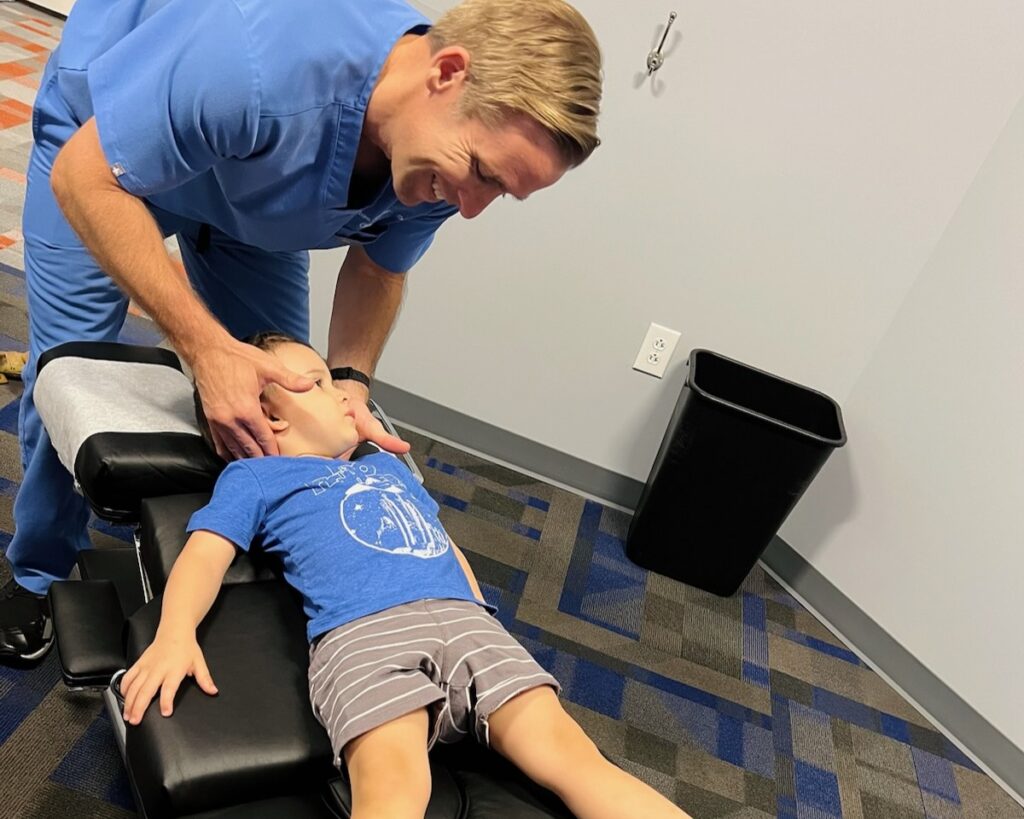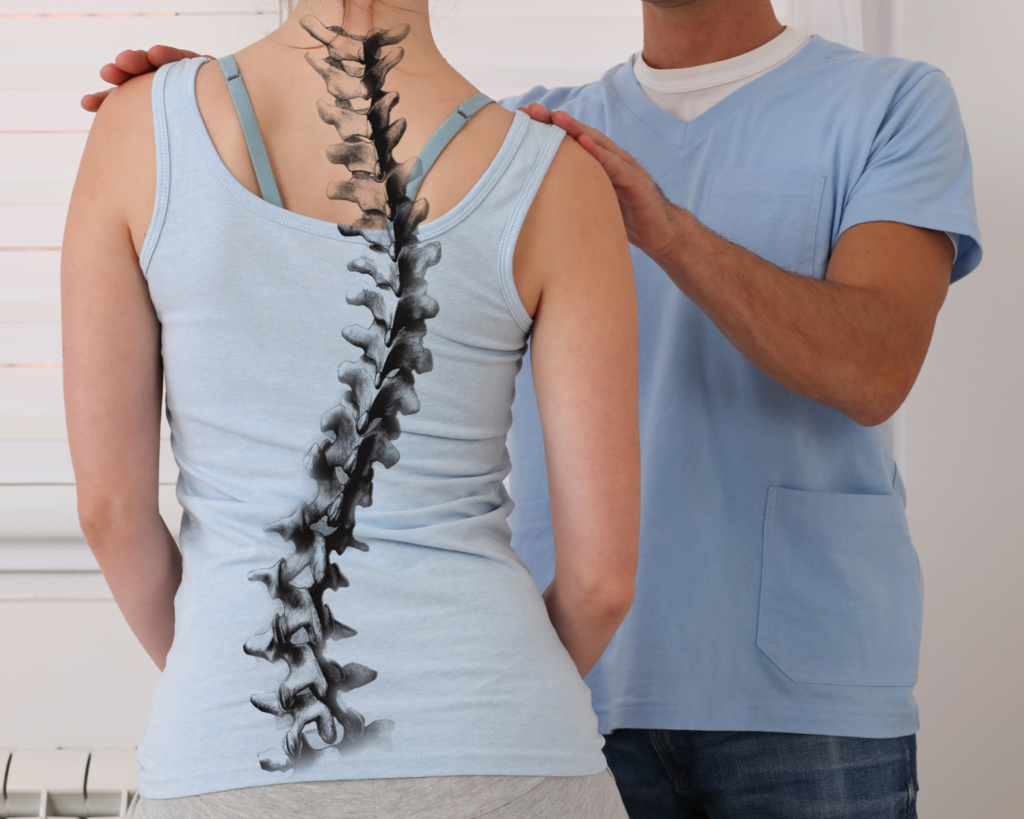
You might not realize how much professional care can enhance your flexibility until you experience it firsthand. Certified experts can pinpoint tight areas and tailor techniques specifically for you, making your journey more effective and efficient. Regular sessions not only keep you motivated but also help in preventing injuries while addressing any muscle imbalances. As you start to see improvements, you'll wonder how to integrate these practices into your daily life for lasting benefits. So, what steps can you take to find the right professional who aligns with your goals?
Importance of Flexibility
Flexibility is essential for everyone, whether you're an athlete or just someone looking to move better in daily life. It plays a vital role in your overall health and well-being. When you improve your flexibility, you enhance your range of motion in your joints, making it easier to perform daily activities like bending, reaching, and lifting without discomfort.
Incorporating flexibility into your routine can also help you prevent injuries. Tight muscles can lead to strains and sprains, especially during physical activities. By regularly stretching and improving your flexibility, you prepare your muscles and joints for movement, reducing the risk of injury.
Moreover, flexibility contributes to better posture. When your muscles are flexible, they can support your spine more effectively, helping you maintain a balanced and aligned posture. This can alleviate tension and discomfort, especially if you spend long hours sitting at a desk or engaging in repetitive tasks.
You'll also find that increased flexibility can enhance your athletic performance. Whether you're running, cycling, or participating in team sports, being flexible allows for more efficient movements. This efficiency can lead to improved speed, strength, and endurance.
Lastly, flexibility can greatly impact your mental well-being. Engaging in stretching exercises can promote relaxation and reduce stress, giving you a sense of calm.
Benefits of Professional Care
Many people underestimate the value of professional care in enhancing flexibility and overall physical health. When you seek help from experts, you open the door to numerous benefits that can greatly improve your well-being.
Professional care is tailored to your specific needs, ensuring you receive personalized attention and guidance.
Here are some key benefits of professional care for improving flexibility:
- Expert Assessment: Professionals can evaluate your current flexibility levels, pinpoint areas of tightness, and develop a targeted plan to address them.
- Targeted Techniques: With a wealth of knowledge in various techniques, professionals can introduce you to methods that are most effective for your body type and fitness level.
- Motivation and Accountability: Regular sessions with a professional can boost your motivation and keep you accountable, making it easier to stick to your flexibility goals.
- Injury Prevention: By addressing imbalances and tightness, professional care can help prevent injuries that often occur when you push your body without proper guidance.
Investing in professional care not only helps you improve your flexibility but also enhances your overall physical health.
By working with experts, you gain insights and support that can lead to lasting changes in your body.
Techniques to Enhance Flexibility
After understanding the benefits of professional care, it's time to explore various techniques that can help boost your flexibility. One effective method is static stretching, where you hold a stretch for 15 to 60 seconds. Focus on major muscle groups like your hamstrings, quadriceps, and shoulders. This technique not only increases your range of motion but also enhances muscle relaxation.
Dynamic stretching is another valuable approach. This involves moving parts of your body through a full range of motion, like leg swings or arm circles. It's great for warming up before a workout, helping to prevent injuries while improving your flexibility over time.
Incorporating yoga into your routine can also make a significant difference. Yoga poses, such as downward dog and pigeon pose, promote balance and flexibility. Plus, they help you connect your breath with movement, increasing overall body awareness.
Don't forget about foam rolling! This self-myofascial release technique helps relieve muscle tightness and improve blood flow. Spend a few minutes rolling out tight areas, and you'll notice an increase in flexibility and a reduction in soreness.
Lastly, consistency is key. Aim to dedicate time to flexibility training at least three times a week. By incorporating these techniques, you'll not only enhance your flexibility but also support your overall physical health.
Choosing the Right Professional
Finding the right professional to guide your flexibility journey can make a significant difference in your progress. With so many options available, it's vital to choose someone who understands your specific needs and goals.
Here are some key factors to take into account when selecting the ideal expert:
- Qualifications: Look for professionals with relevant certifications in areas like physical therapy, yoga instruction, or personal training. Their knowledge can guarantee safe and effective guidance.
- Experience: It's important to find someone who's a track record of helping clients improve flexibility. Ask about their experience with clients who've similar goals or challenges as you.
- Approach: Different professionals may have various methodologies. Some might focus on traditional stretching techniques, while others may incorporate dynamic movements or holistic practices. Make sure their approach aligns with your preferences.
- Communication: A great professional should be able to communicate clearly and listen to your concerns. Establishing a good rapport is essential for a successful partnership in your flexibility journey.
Once you've taken these factors into account, don't hesitate to schedule a consultation. This initial meeting can give you a sense of their style and how well you might work together.
Integrating Flexibility Into Daily Life
Integrating flexibility into your daily life can transform not just your physical well-being but also your overall quality of life. It's about making small adjustments that can yield significant benefits. Start by incorporating stretching into your morning routine. As you wake up, take just five to ten minutes to stretch your major muscle groups. This simple practice can enhance blood flow and prepare your body for the day ahead.
Throughout your day, find opportunities to stretch. Whether you're sitting at your desk or waiting for coffee, do a few quick stretches. Neck rolls, shoulder shrugs, and wrist stretches can relieve tension and improve your range of motion. Remember, even brief moments of movement can make a big difference.
Consider integrating flexibility exercises into your workout routine. Activities like yoga or Pilates not only boost flexibility but also promote relaxation and mindfulness. If you're unsure where to start, look for local classes or online tutorials.
In addition, listen to your body. If you feel tightness or discomfort, take a moment to stretch that area. Being proactive about your flexibility can prevent injuries and improve your performance in daily tasks.
Finally, make it a habit to set reminders. Use your phone or sticky notes to prompt you to take stretching breaks. By consciously integrating flexibility into your life, you'll notice improvements not just physically but also in your mental clarity and emotional well-being.
The key is consistency—so keep moving and stretching!
Conclusion
Incorporating professional care into your flexibility routine can truly transform your physical well-being. By working with certified experts, you'll not only enhance your flexibility but also boost your overall performance and prevent injuries. Remember, staying consistent and integrating these practices into your daily life is key. So, take the first step today and embrace the journey toward a healthier, more flexible you. Your body will thank you for it!