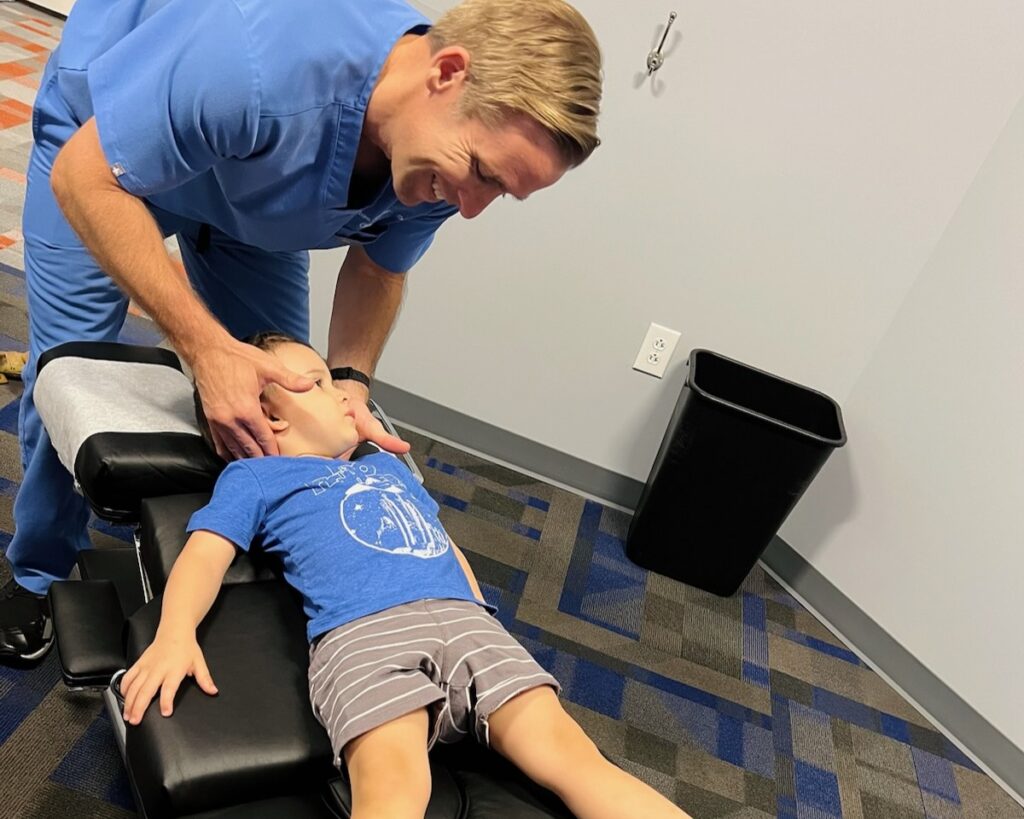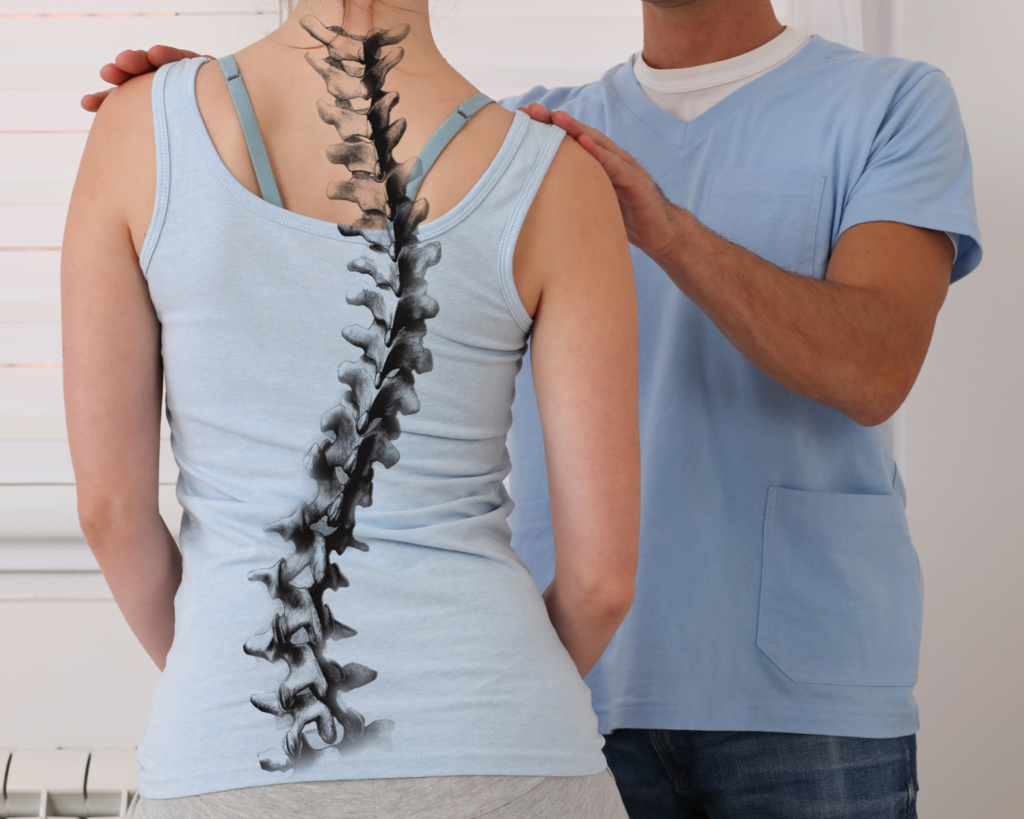
If you’re dealing with lower back pain, you might believe that traditional treatments like medication or surgery are your only options. As a chiropractor, I want to share with you some surprising methods that can provide relief in ways you may not have considered. Beyond adjustments, there are holistic approaches, such as mindfulness practices and innovative therapies, that can significantly enhance your well-being. Are you curious about how these techniques can change the way you manage pain? Let’s dive into these unconventional solutions and explore how they can work alongside chiropractic care to help you find relief.
The Power of Mindfulness and Meditation
As a local chiropractor, I want to introduce you to how mindfulness and meditation can significantly enhance your experience with lower back pain. By focusing your mind and tuning into your body, you can develop a powerful approach to managing discomfort naturally.
When you practice mindfulness, you learn to observe your pain without judgment, which can actually help reduce its intensity. This shift in perspective allows you to break free from the cycle of stress and anxiety, fostering a greater sense of calm and acceptance.
Incorporating meditation into your routine can further aid in your healing process. It helps you connect with your breath, which in turn releases tension throughout your body.
Many of my patients have found that regular meditation not only improves their overall well-being but also makes it easier to cope with pain. Techniques like guided imagery or body scans can help you visualize pain relief and encourage relaxation.
As you develop a deeper awareness of your physical sensations, you’ll empower yourself to respond more effectively to discomfort.
Exploring the Benefits of Tai Chi
As a local chiropractor, I often see patients seeking relief from lower back pain through various traditional methods. However, I want to introduce you to an alternative approach that can be both unique and effective: Tai Chi.
This ancient Chinese martial art focuses on gentle movements, controlled breathing, and mindfulness, making it a holistic practice that can significantly alleviate discomfort.
Incorporating Tai Chi into your routine can enhance your flexibility and strengthen your core muscles, which are vital for supporting your spine. It’s not just about relieving pain—this practice also improves your balance and coordination, which can help reduce the risk of falls and subsequent injuries that may worsen your condition.
One of the key benefits of Tai Chi is its meditative aspect. By promoting relaxation, it helps manage stress, which is often a contributor to muscle tension in the lower back.
Many of my patients who’ve tried Tai Chi report an increased awareness of their bodies, enabling them to identify and correct postural issues that lead to discomfort.
By embracing Tai Chi, you’re not only addressing pain but also nurturing a healthier lifestyle that can lead to long-term relief and overall well-being.
I encourage you to give it a try—you might discover it’s the natural relief you’ve been looking for!
Utilizing Foam Rollers for Myofascial Release
As a local chiropractor, I’m thrilled to share with you one of the most effective tools for alleviating lower back pain—foam rollers for myofascial release. Many of my patients have found that these simple devices can truly transform their comfort levels by targeting tight muscles and fascia, effectively breaking up those pesky knots that often lead to discomfort.
To get started with foam rolling, lie on your back and position the foam roller beneath your lower back. Gently roll back and forth, applying moderate pressure to any areas that feel particularly tense. Don’t hesitate to shift your body to reach the sides of your back and hips, since tightness often accumulates in those areas as well.
I recommend spending about 30 seconds on each sore spot, allowing the foam roller to do its work. Remember to breathe deeply during this process; deep breathing can significantly enhance relaxation and the effectiveness of the release.
By incorporating foam rolling into your regular routine, you’ll not only improve blood flow and flexibility but also accelerate recovery and reduce pain. This accessible tool can easily be integrated into your daily self-care practices, offering you the relief you need whenever discomfort arises.
If you have any questions about foam rolling or how it can complement your chiropractic care, feel free to reach out!
The Role of Acupuncture in Pain Management
As a local chiropractor, I want to share with you the fascinating role acupuncture plays in pain management, particularly in complementing chiropractic care.
This ancient practice, which has been used for thousands of years, works by harnessing your body’s natural healing abilities. Numerous studies have shown that acupuncture can be particularly effective for conditions like lower back pain.
By integrating acupuncture with chiropractic adjustments, we can enhance your overall healing process and provide you with a comprehensive approach to pain relief.
If you’re curious about how this natural method can benefit you, I’d love to discuss it further!
Historical Background of Acupuncture
Acupuncture, with a rich history spanning over 2,500 years, is an essential part of traditional Chinese medicine, and it offers a unique, holistic approach to pain relief and overall wellness.
This ancient practice involves the gentle insertion of fine needles into specific points on your body, which can help stimulate your body’s natural healing processes. As a chiropractor, I want to share how acupuncture has gained recognition over time and how it can complement your chiropractic care:
- Cultural Importance: Acupuncture is deeply rooted in ancient Chinese culture, where it combines philosophy with medical practices, emphasizing the connection between body and mind.
- Wider Acceptance: Over the years, acupuncture has transcended its origins in China and has been embraced in Western medicine as a viable alternative treatment, often used alongside other healing modalities.
- Research and Effectiveness: Recent scientific studies have sparked a growing interest in acupuncture’s effectiveness for a variety of health issues, particularly in alleviating pain, such as lower back discomfort.
As you explore your options for natural healing, consider how incorporating acupuncture into your care plan can enhance your journey towards better health and well-being.
Mechanism of Pain Relief
As a local chiropractor, I often encounter individuals who may not fully grasp the principles behind chiropractic care and its effectiveness in pain management.
When you visit my office for treatment, we focus on aligning your spine and improving your overall body function, which plays a crucial role in alleviating pain.
Chiropractic adjustments involve gentle manipulation of the spine to relieve pressure on nerves and enhance communication within your nervous system. This process can lead to the release of endorphins, your body’s natural painkillers, providing significant relief from discomfort.
Moreover, chiropractic care promotes increased blood flow to the affected areas, which helps in the healing process and reduces muscle tension.
By restoring balance to your body’s structure and function, we aim to improve your overall well-being.
Many of my patients find that regular chiropractic sessions not only help reduce pain but also boost their mood and energy levels.
If you’re experiencing issues like lower back pain, I encourage you to explore chiropractic care as a natural and effective option for relief.
Your journey to better health and vitality starts here!
Clinical Evidence and Studies
As a local chiropractor, I want to share some insights about a natural and effective method for managing lower back pain: acupuncture. This complementary approach can work hand-in-hand with chiropractic care to enhance your overall wellness.
Here’s what the research reveals about acupuncture:
- Acupuncture is known to stimulate the release of endorphins, which are your body’s natural pain-relievers. This can lead to reduced discomfort and a greater sense of well-being.
- It also promotes better blood circulation, which can help speed up the healing process in areas affected by pain.
- Many patients who incorporate acupuncture into their treatment plan report significant relief from pain and an improved quality of life after regular sessions.
If you’re curious about how acupuncture can fit into your journey towards better health, I encourage you to consult with a qualified practitioner.
Combining this technique with chiropractic adjustments may provide you with a more comprehensive strategy for alleviating lower back pain and enhancing your overall health.
Incorporating Essential Oils for Relief
As a local chiropractor, I often see patients seeking relief from lower back pain, and I want to share how essential oils can be a beneficial addition to your wellness routine.
Oils such as peppermint and lavender possess remarkable soothing properties that can help alleviate discomfort. Understanding how to properly apply these oils can significantly enhance their effectiveness.
Let’s dive into which essential oils are most effective for back pain relief and the best application techniques to maximize your results.
Best Essential Oils
As a local chiropractor, I often see patients who are looking for natural solutions to alleviate lower back pain. One effective option that I recommend is incorporating essential oils into your wellness routine. These oils possess unique properties that can help ease discomfort and promote relaxation.
Here are some of the most beneficial essential oils you might consider:
- Lavender: This oil is renowned for its calming effects. It can help reduce tension and improve sleep quality, which is essential for your body’s healing process.
- Peppermint: Known for its invigorating cooling sensation, peppermint oil can provide immediate relief and stimulate circulation in areas experiencing pain.
- Eucalyptus: With its anti-inflammatory properties, eucalyptus oil can soothe sore muscles effectively, whether inhaled or applied directly to the skin.
I encourage you to experiment with these essential oils to discover the right combination that works for you. Embracing these natural remedies can significantly enhance your pain relief journey alongside chiropractic care.
Application Techniques
As a local chiropractor dedicated to helping you understand natural healing methods, I want to share some effective ways to incorporate essential oils for relieving lower back pain.
First and foremost, it’s important to properly dilute your chosen essential oil—options like lavender or peppermint work wonderfully—with a carrier oil such as coconut or jojoba oil. This dilution ensures that the oil is safe for your skin.
Once mixed, gently massage the solution onto the area where you feel discomfort, using circular motions. This not only promotes circulation but also helps your muscles relax.
Another technique worth considering is the use of a warm compress. To create one, simply add a few drops of your essential oil to a cloth, moisten it, and then heat it slightly. Placing this warm compress on your lower back can provide comforting relief from pain.
Lastly, don’t underestimate the power of your environment; diffusing essential oils in your space can create a relaxing atmosphere that supports your overall well-being while aiding in pain relief.
The Impact of Dietary Changes on Inflammation
As a local chiropractor, I want to share with you how dietary changes can play a crucial role in managing inflammation, particularly when it comes to alleviating lower back pain.
Understanding the connection between what you eat and your body’s inflammatory responses is key to achieving better health and comfort.
By making thoughtful adjustments to your diet, you can significantly reduce inflammation and ease discomfort.
Here are some simple yet effective dietary changes to consider:
- Increase Omega-3 Fatty Acids: Incorporating foods such as salmon, flaxseeds, and walnuts into your meals can provide you with the omega-3s your body needs to fight inflammation effectively.
- Eat More Fruits and Vegetables: Aim to fill your plate with colorful produce like berries, leafy greens, and bell peppers. These foods are rich in antioxidants, which are known to help lower inflammation levels.
- Limit Processed Foods: It’s important to cut back on sugar, refined carbohydrates, and unhealthy fats that are commonly found in processed foods. Reducing these can help diminish inflammatory responses in your body.
By focusing on these dietary adjustments, you can support your body’s natural healing processes and experience greater relief from pain.
Harnessing the Benefits of Heat and Cold Therapy
As your local chiropractor, I want to share with you some effective methods for managing lower back pain that go beyond just dietary changes.
Heat and cold therapy can be incredibly beneficial in your healing journey.
When you apply heat, it helps to relax tight muscles and boosts blood circulation, which in turn promotes healing. You can use a heating pad or indulge in a warm bath for about 15-20 minutes to experience relief. Just be mindful not to overheat your skin to avoid burns.
Conversely, cold therapy is fantastic for minimizing inflammation and numbing sharp pain. You can use an ice pack wrapped in a cloth and apply it to the painful area for roughly 15-20 minutes. This technique not only helps in preventing swelling but also provides immediate comfort.
I often recommend my patients experiment with alternating between heat and cold therapy to find out what works best for their specific pain.
Consistency is crucial, so try to incorporate these therapies into your daily routine to achieve optimum relief.
Engaging in Water-Based Exercises for Support
As a local chiropractor, I want to share some valuable insights on how water-based exercises can greatly aid in managing lower back pain. The unique properties of water, particularly its buoyancy, can significantly reduce stress on your joints, enabling you to move more comfortably and freely.
Here are a few effective exercises that I often recommend to my patients:
- Water Walking: This simple activity, especially in the shallow end of a pool, can be a great way to strengthen your back muscles without placing undue strain on them. The water provides support, allowing for a more natural range of motion.
- Aqua Aerobics: Joining a class can be a fun and engaging way to enhance your overall fitness. The water resistance helps build strength while minimizing discomfort, making it an ideal choice for those with back issues.
- Swimming: Gentle swimming strokes not only promote flexibility but also help strengthen your core muscles, which play a crucial role in supporting your back.
It’s important to approach these exercises gradually and attentively. Always listen to your body—if you feel any pain, I encourage you to consult with a healthcare professional before proceeding.
By incorporating these water-based exercises into your routine, you can effectively build strength and improve mobility, leading to better management of your lower back pain.
Conclusion
As your local chiropractor, I want to share some surprising methods for relieving lower back pain that you might not be familiar with. First and foremost, incorporating mindfulness practices can significantly enhance your pain management journey. Techniques such as Tai Chi not only improve flexibility but also promote relaxation and body awareness, which can be incredibly beneficial for those with chronic discomfort.
Another effective method is acupuncture, a time-tested approach that targets specific points in the body to alleviate pain. In addition, using foam rollers can provide targeted relief to sore muscles, while essential oils can help reduce tension and inflammation.
I also encourage you to consider dietary changes that can positively impact your overall health and reduce inflammation. Heat therapy, whether through warm baths or heating pads, can soothe tight muscles and improve circulation in the affected area.
Don’t forget about the benefits of water-based exercises. These gentle movements provide support while allowing you to strengthen your back without putting added strain on it. By combining these holistic strategies with chiropractic adjustments, you can empower yourself to reclaim your life from back pain and enhance your overall well-being.