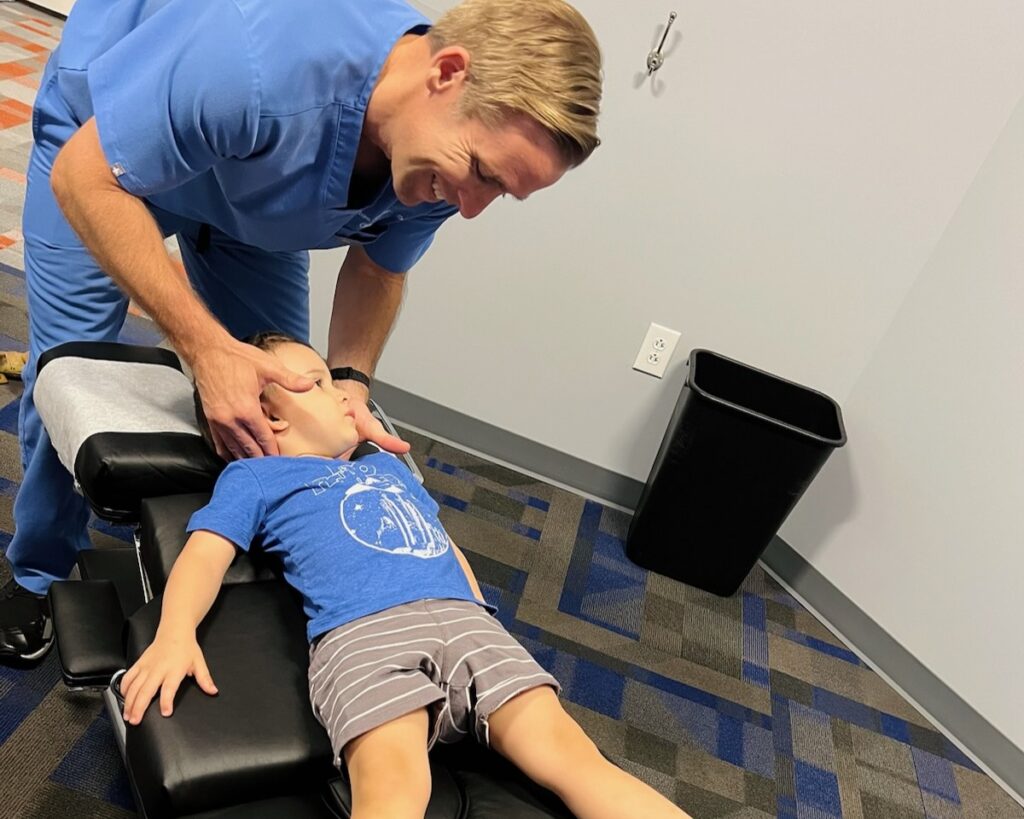
As a local chiropractor, I understand that living with chronic pain can often feel overwhelming. However, I want to introduce you to the concept of preventive wellness, which can empower you to take control of your pain management. By making simple lifestyle modifications, you can significantly impact how you feel on a daily basis.
One key aspect of this journey is tailored nutrition, which can support your body's healing processes. Additionally, incorporating mindful practices such as yoga or meditation can help you manage stress, which is often a contributor to chronic pain. Each of these elements works together to enhance your overall well-being.
As you begin to explore these strategies, you may find that the benefits extend far beyond just alleviating pain. I encourage you to consider what the first small step might be that you can take to start this transformative journey toward natural healing. Let's work together to find the best approach for you!
Understanding Chronic Pain
Chronic pain is a challenge that affects millions of individuals around the globe, often interfering with daily activities and overall health. As a chiropractor, I believe that understanding chronic pain is crucial for effective management and recovery.
Unlike acute pain, which typically signals an injury or issue, chronic pain can linger for months or even years without a clear origin. It can manifest in various ways—ranging from aching and burning to sharp sensations—and can impact any area of your body.
When dealing with chronic pain, it's common to encounter a cycle of physical and emotional hurdles. You may start to avoid activities that once brought you joy, leading to feelings of isolation or even depression.
It's important to recognize that chronic pain isn't merely a symptom; it's a multifaceted condition influenced by numerous factors, including genetics, lifestyle choices, and mental health. Understanding this can empower you to take charge of your health journey.
You may also observe fluctuations in the intensity of your pain, which can be affected by stress, fatigue, or changes in the weather. This unpredictability can complicate your daily life.
However, by tuning in to your body and identifying your pain triggers, you can learn to navigate your day-to-day experiences more effectively.
As a chiropractor, I encourage open communication about your pain experiences with healthcare providers. Together, we can explore various natural healing strategies tailored specifically to your needs.
Benefits of Preventive Wellness
As your local chiropractor, I want to emphasize the significant benefits of preventive wellness for your overall health and well-being.
By incorporating chiropractic care into your lifestyle, you can greatly enhance your quality of life. Prioritizing preventive measures, such as regular adjustments and holistic practices, not only helps you maintain a healthier lifestyle but also reduces your long-term healthcare costs.
It's all about taking proactive steps today to avoid potential issues tomorrow. Together, we can work towards a healthier future through natural healing and wellness strategies that empower you to live your best life.
Enhanced Quality of Life
As a local chiropractor, I want to emphasize the significant role wellness plays in enhancing your overall quality of life, particularly for those of you who are managing chronic pain. By embracing preventive wellness, you can take proactive steps to improve your daily experiences and overall well-being.
One of the simplest yet most effective ways to boost your energy levels and reduce pain is through regular physical activity. This doesn't have to mean intense workouts; even gentle movement can make a remarkable difference. When you engage in physical activity, you're not just helping your body feel better, but you're also uplifting your mood—an important aspect of your overall health.
Nutrition is another key factor in your wellness journey. Eating a balanced diet that incorporates anti-inflammatory foods can have a profound impact on your pain levels and overall health. By nourishing your body with the right foods, you're empowering it to better manage the challenges that come with chronic pain.
Moreover, I encourage you to explore mindfulness and stress-reduction techniques, such as yoga or meditation. These practices can significantly enhance your ability to manage pain and improve your emotional well-being. They help you cultivate a sense of control over your condition, making it easier to cope with daily challenges.
Don't underestimate the power of social connections in your wellness routine. Surrounding yourself with supportive friends and family can provide emotional relief and combat feelings of isolation. Having a strong support system is crucial for your emotional health.
Ultimately, by embracing preventive wellness practices, you can reclaim a sense of normalcy and joy in your life, despite dealing with chronic pain. As a chiropractor, I'm here to guide you on this journey, helping you to live life more fully and vibrantly.
Together, we can work towards a healthier and happier you.
Reduced Healthcare Costs
As your local chiropractor, I want to share how embracing a holistic approach to your health can't only improve your quality of life but also lead to substantial savings on your healthcare costs.
By prioritizing preventive wellness, you can reduce the frequency and intensity of chronic pain flare-ups, minimizing the need for costly treatments and medications.
When you choose to adopt healthy lifestyle habits—such as regular chiropractic adjustments, consistent exercise, balanced nutrition, and effective stress management—you're not just investing in your overall well-being; you're also helping to lower your future medical expenses.
Chiropractic care focuses on treating the root causes of pain rather than just the symptoms, which can lead to fewer hospital visits and surgeries that often result in high bills.
Managing your chronic pain proactively through chiropractic care can significantly decrease your spending on prescriptions and therapies that may otherwise become necessary.
Additionally, many insurance plans recognize the value of preventive care and offer incentives that can further reduce your healthcare costs.
Incorporating routine chiropractic check-ups and screenings into your wellness plan allows us to identify potential health issues early on, when they're typically easier and less expensive to treat.
By taking charge of your health with the help of chiropractic care and preventive wellness strategies, you can achieve a better quality of life while also keeping your healthcare budget in check.
Let's work together to create a healthier future for you!
Lifestyle Modifications
As a local chiropractor, I want to share with you some simple lifestyle modifications that can significantly improve your ability to manage chronic pain naturally. One of the most effective ways to enhance your well-being is to incorporate regular physical activity into your daily routine. Whether it's walking, swimming, or practicing yoga, moving your body stimulates the release of endorphins—natural pain relievers that can help alleviate discomfort.
Aim for at least 30 minutes of moderate exercise most days; even short bouts of activity can yield positive results.
Another critical aspect of pain management is prioritizing sleep. Quality rest is vital for your body's healing processes, so I encourage you to establish a calming bedtime routine.
Try to maintain consistent sleep patterns by going to bed and waking up at the same time each day, which can lead to more restorative sleep.
Managing stress is equally important. High levels of stress can exacerbate pain symptoms, so I recommend exploring relaxation techniques that resonate with you.
Whether it's deep breathing exercises, meditation, or spending time in nature, finding ways to reduce stress can greatly enhance your overall well-being.
Additionally, I want to highlight the importance of posture. Poor posture can contribute to increased pain and discomfort.
Be mindful of your body alignment throughout the day—how you sit, stand, and move matters. Making adjustments to support your spine can help alleviate strain and improve your comfort.
Finally, don't underestimate the power of social connections. Engaging with friends and family can uplift your mood and provide essential emotional support, which is vital when managing chronic pain.
Surrounding yourself with a supportive network can significantly impact your coping strategies.
By integrating these lifestyle modifications alongside chiropractic care, you can take significant steps toward managing chronic pain and improving your quality of life.
Nutrition and Chronic Pain
As a local chiropractor dedicated to helping you manage chronic pain, I want to underscore the vital role nutrition plays in your overall well-being. The foods you consume can significantly influence inflammation levels, energy, and even your mood. By adopting a balanced diet, you can aid in alleviating some discomfort associated with chronic pain.
Here are four essential nutritional strategies to consider:
- Incorporate Anti-Inflammatory Foods: Including foods rich in omega-3 fatty acids, such as salmon and flaxseeds, can help lower inflammation in your body. Additionally, leafy greens, berries, and nuts are fantastic options due to their high antioxidant content.
- Stay Hydrated: Dehydration can intensify pain perception. It's important to drink plenty of water throughout the day. Herbal teas can also support hydration and may come with additional therapeutic benefits.
- Limit Processed Foods: Processed foods often contain additives that can trigger inflammation. I recommend minimizing your intake of sugar, refined carbohydrates, and trans fats. Instead, focus on whole, nutrient-dense foods that nourish your body.
- Monitor Food Sensitivities: Certain foods may worsen your pain levels. Keeping a food diary can help you identify any potential triggers. Common offenders include gluten, dairy, and certain preservatives.
By understanding these nutritional strategies, you can enhance your healing process and work towards a more comfortable and pain-free life.
As your chiropractor, I'm here to support you on this journey to better health.
Exercise and Physical Activity
As a local chiropractor, I want to share how incorporating regular exercise into your routine can be transformative for managing chronic pain. It might seem counterintuitive to move more when you're already experiencing discomfort, but trust me—exercise is a vital component of natural healing. It strengthens your muscles, enhances flexibility, and boosts your overall energy levels, which can significantly alleviate some of your pain.
I recommend starting with low-impact activities that are gentle on your joints, such as swimming, walking, or cycling. These exercises promote blood flow to painful areas, aiding in healing and reducing stiffness. Aim for at least 150 minutes of moderate aerobic activity each week, broken down into manageable sessions. Even short bursts of 10-15 minutes can yield major benefits.
In addition to aerobic exercises, it's essential to include strength training in your routine at least two days a week. This practice builds muscle around your joints, providing better support and stability, which is crucial for pain management.
Don't overlook stretching and balance exercises, as they enhance your range of motion and help prevent falls. Always listen to your body and adjust your activities as needed. If you notice an increase in pain, it's okay to slow down or take a break.
Collaborating with a healthcare provider or a physical therapist can help you create a personalized exercise plan tailored to your unique needs. Remember, chiropractic care also complements your exercise routine by addressing spinal alignment and overall wellness, assisting your body in its healing journey.
Mindfulness and Stress Reduction
As your local chiropractor, I want to share how incorporating mindfulness techniques can significantly improve your well-being, especially when managing chronic pain.
Many of my patients find that practicing stress reduction strategies, such as meditation, can complement their chiropractic care and help create a more balanced approach to pain relief.
By understanding the connection between your mind and body, we can work together to enhance your healing journey.
Let's explore how these mindfulness practices can benefit you and support your overall health.
Mindfulness Techniques Overview
As a local chiropractor, I want to share some valuable mindfulness techniques that can assist you in managing chronic pain and alleviating stress in a natural way. By integrating mindfulness into your daily life, you can develop a deeper awareness of your body and its sensations, which is essential for your overall well-being.
Here are four effective techniques I encourage you to consider:
1. Body Scan: Find a comfortable position, whether lying down or sitting, and direct your attention to different parts of your body, beginning with your toes and gradually moving to your head. Acknowledge any areas of tension or discomfort without judgment, and take a moment to breathe deeply into those regions.
This practice can enhance your connection with your body and promote relaxation.
2. Mindful Breathing: Dedicate a few minutes each day to focus entirely on your breath. Inhale deeply through your nose, hold it for a brief moment, and then exhale slowly through your mouth.
This straightforward exercise can help ground your thoughts and instill a sense of calm, which is crucial for managing pain and stress.
3. Meditation: Set aside time for seated meditation, where you can focus on your breath or repeat a specific mantra.
This practice can help you cultivate inner peace and diminish negative thought patterns that may exacerbate your discomfort.
4. Gratitude Journaling: Each day, jot down three things you're grateful for.
This simple act can shift your focus away from pain and toward positive experiences, fostering a more balanced outlook on life.
By exploring these mindfulness techniques, you can empower yourself to take an active role in your healing journey and improve your overall quality of life.
Stress Reduction Strategies
As a local chiropractor, I understand that stress can significantly affect your overall health, especially if you're dealing with chronic pain. It's essential to explore effective stress reduction strategies that can complement your chiropractic care and promote your healing journey.
One of the most impactful methods is mindfulness. This practice enables you to concentrate on the present moment without any judgment. I encourage you to dedicate just a few minutes each day to techniques like deep breathing or body scans. These exercises can help ground you, alleviate anxiety, and enhance your body's response to chiropractic adjustments.
Incorporating regular physical activity into your routine is another vital strategy. Gentle movements like walking, yoga, or stretching not only promote flexibility and strength but also release endorphins—your body's natural stress relievers. Remember, each adjustment you receive can be more effective when paired with a healthy lifestyle.
Don't overlook the importance of social support. Engaging with friends, family, or support groups can provide you with emotional backing and practical advice as you navigate your healing process. Sharing your experiences and feelings with others can foster a sense of community and understanding.
I also recommend journaling as a therapeutic tool. Writing about your thoughts and emotions can help you process what you're experiencing and identify specific stressors in your life. This self-reflection can enhance your awareness and empower you to address challenges more effectively.
Lastly, make time for hobbies that ignite your passion—whether it's painting, gardening, or playing music. These activities can serve as healthy distractions, elevate your mood, and provide a sense of fulfillment outside of your pain management efforts.
Benefits of Meditation
As a local chiropractor, I want to share how exploring meditation can significantly enhance your stress reduction efforts and overall well-being. When you engage in mindfulness practices, you're not merely sitting quietly; you're actively training your mind to focus and calm your thoughts. This approach offers numerous benefits that can positively affect your daily life, particularly if you're managing chronic pain.
Here are four key benefits of meditation that I often recommend to my patients for stress reduction:
- Reduces Anxiety: Regular meditation can significantly lower your anxiety levels. This practice empowers you to feel more in control and less overwhelmed by the stressors in your life.
- Enhances Emotional Health: Mindfulness can lead to an improved mood and greater emotional resilience. This is especially important when coping with pain and discomfort, as it equips you with better tools to manage your feelings.
- Improves Focus: Meditation sharpens your concentration, helping you stay present and engaged in the moment. This heightened awareness can serve as a valuable distraction from pain, allowing you to experience life more fully.
- Promotes Relaxation: By activating the relaxation response in your body, meditation helps to lower your heart rate and blood pressure, fostering a sense of calmness. This is particularly beneficial for countering the stress that often accompanies chronic pain.
Incorporating meditation into your daily routine can be a powerful ally in managing both stress and chronic pain naturally.
As your chiropractor, I encourage you to consider this holistic approach as part of your journey toward better health and well-being.
Holistic Therapies
As a local chiropractor, I want to introduce you to the benefits of holistic therapies for managing chronic pain. These approaches focus on treating the whole person—body, mind, and spirit. By embracing these therapies, you can take an active role in controlling your pain and enhancing your overall well-being.
One of the key elements of holistic care is chiropractic adjustments. By aligning your spine and improving your posture, we can help alleviate pain, reduce tension, and restore proper function to your body. Many patients experience significant relief after just a few sessions of chiropractic care.
In addition to chiropractic adjustments, I also recommend incorporating practices such as acupuncture, yoga, and herbal medicine into your routine. Acupuncture, for example, involves inserting fine needles into specific points on the body to stimulate energy flow. Many individuals report reduced pain and increased relaxation after these sessions.
Yoga is another excellent complement to chiropractic care. It combines physical postures, breathing exercises, and meditation, promoting not only flexibility and strength but also mental clarity and emotional resilience.
Herbal medicine can also play a vital role in your healing journey. Certain herbs, like turmeric and ginger, have natural anti-inflammatory properties that may help reduce pain and enhance mobility. If you're interested, I can guide you to a qualified herbalist who can create a personalized plan just for you.
Don't overlook the power of mindfulness and relaxation techniques, either. Practices such as deep breathing and guided imagery can help divert your focus from pain and instill a sense of calm.
Remember, integrating these holistic therapies into your life isn't solely about alleviating pain; it's about nurturing your entire being. By caring for your body, mind, and spirit, you can discover a more balanced and fulfilling approach to managing chronic pain.
Let's work together to find the best path for your health and wellness.
Importance of Sleep
As a local chiropractor, I want to emphasize the vital connection between quality sleep and your overall health, especially when it comes to managing chronic pain. Numerous studies indicate that good sleep can significantly reduce your sensitivity to pain. By prioritizing your sleep, you're not just allowing your body to rest; you're actively taking steps to alleviate your discomfort.
Here's why focusing on sleep is so crucial:
- Pain Response: When your body is well-rested, it experiences a lower pain response. Sleep is essential for regulating the brain's pain-control chemicals, making it easier for you to handle discomfort.
- Inflammation Reduction: Quality sleep plays a significant role in lowering inflammation levels in your body. Since chronic inflammation can exacerbate pain, a restful night's sleep can help keep these levels under control.
- Mental Health: Your sleep quality directly impacts your mood and mental well-being. Insufficient sleep can lead to heightened stress and anxiety, which can, in turn, worsen your pain. When you're well-rested, you're better prepared to manage emotional challenges that might arise.
- Energy Restoration: Getting enough sleep restores your energy, enabling you to engage in physical activities that can help alleviate pain over time, such as gentle exercises or stretching.
To enhance your sleep quality, I recommend establishing a consistent sleep schedule, developing a calming bedtime routine, and ensuring your sleep environment is peaceful and comfortable.
Remember, investing in better sleep is an investment in your pain management journey. By prioritizing sleep, you may notice improvements not only in your pain levels but also in your overall quality of life.
If you have any questions about how chiropractic care can further support your health, feel free to reach out!
Building a Support System
Building a strong support system is vital for effectively managing chronic pain, and as your local chiropractor, I want to emphasize the importance of this in your healing journey.
Begin by identifying key individuals in your life—friends, family, or even coworkers—who can provide understanding and encouragement as you explore chiropractic care and natural healing methods.
Open communication with these supporters is crucial; share your experiences and the benefits you're discovering through chiropractic adjustments and holistic practices.
Additionally, consider connecting with others in your community who are also on a path to wellness. Engaging with support groups or wellness workshops can greatly enhance your experience and provide you with valuable insights.
Remember, healing isn't just a physical process; it's also about surrounding yourself with the right people who can motivate and uplift you as you take control of your health.
Together, we can work towards a pain-free life.
Identifying Key Support Individuals
Building a strong support system is crucial for managing chronic pain, and as a chiropractor, I want to emphasize the importance of surrounding yourself with the right individuals who can aid in your healing journey.
These key support individuals can provide emotional, physical, and practical assistance, making it easier to navigate daily challenges associated with pain. Here are some essential members to consider for your support network:
- Family Members: Your family often knows your history and can offer the empathy and encouragement you need. Their understanding can help alleviate feelings of isolation and provide a loving environment for your recovery.
- Friends: Close friends can be a great source of companionship and distraction from pain. Participating in social activities with them can help uplift your spirits and reduce stress, which is vital for overall well-being.
- Healthcare Professionals: As a chiropractor, I work alongside other healthcare providers, including doctors and therapists, to help you manage your pain effectively. We can provide personalized advice and treatment options that align with your specific needs, focusing on natural healing methods.
- Support Groups: Connecting with others who share similar experiences can be incredibly validating. Support groups offer a space to share stories, gain practical tips, and receive emotional support, reinforcing the idea that you aren't alone in this journey.
By fostering a strong support network, you can complement your chiropractic care and enhance your ability to manage chronic pain effectively.
Encouraging Open Communication
Open communication is vital when it comes to managing chronic pain, especially as you explore chiropractic care and natural healing. As your chiropractor, I encourage you to share your experiences, feelings, and specific needs with me so that we can work together effectively.
When you openly discuss what you're going through, it allows me to understand your situation better and tailor our approach to your unique needs.
To facilitate this open dialogue, I suggest we find a calm and comfortable environment for our discussions. This can be during your appointment or even in a follow-up call.
When expressing your feelings, try using "I" statements. For example, instead of saying "You don't understand my pain," you might say, "I feel frustrated when I'm in pain, and it helps me when we talk through my options." This way, it fosters a more understanding atmosphere.
I also invite you to ask questions and provide feedback about your experience with chiropractic care. This not only helps clarify any misunderstandings but also shows that your input is valued in our healing journey together.
Recognizing and appreciating my efforts to support you reinforces positive communication and collaboration.
The more you share, the better I can assist you in navigating the challenges of chronic pain through chiropractic adjustments and natural healing methods.
Building Community Connections
As a local chiropractor, I understand that managing chronic pain can be a daunting journey, but connecting with others who share your experiences can truly make a difference.
Building a strong support system is vital, as it offers emotional comfort, practical insights, and a sense of community. Here are some ways you can cultivate those important connections:
1. Join Support Groups: Seek out local or online support groups specifically for individuals dealing with chronic pain. Sharing your experiences and hearing others' stories can help you feel less alone and introduce you to new coping mechanisms that complement chiropractic care.
2. Engage with Healthcare Professionals: Establishing a relationship with your chiropractor, as well as other healthcare providers like doctors and therapists, can open doors to valuable resources.
We can help connect you with other patients who are navigating similar challenges, fostering a sense of camaraderie.
3. Participate in Workshops: Look for workshops or seminars focused on chronic pain management and natural healing. These events not only provide crucial information about chiropractic techniques and holistic approaches but also allow you to meet others facing similar struggles.
4. Leverage Social Media: Utilize social media platforms like Facebook and Instagram to connect with chronic pain communities. Engaging in online discussions can expand your support network and provide you with immediate encouragement from those who truly understand your situation.
Tracking Progress and Adjustments
Tracking your progress in managing chronic pain is crucial, especially when exploring chiropractic care and natural healing methods. Keeping a detailed log of your symptoms, treatments, and lifestyle changes can help you identify patterns and triggers that influence your pain levels. I encourage you to use a journal or an app to document your daily pain ratings, activities, and any chiropractic adjustments or therapies you've undergone. This information becomes a valuable tool not only for you but also for our chiropractic team.
As you begin to track your entries, take time to review them regularly. Are there specific activities that seem to exacerbate your pain? Have you noticed certain chiropractic techniques or exercises providing relief? Use this insight to adjust your approach. If you find that a particular stretching routine or adjustment alleviates discomfort, consider making it a regular part of your self-care regimen. On the other hand, if a specific treatment doesn't seem to help, let's discuss alternative options together.
Flexibility is key in managing chronic pain. Chiropractic care isn't a one-size-fits-all solution; what works for you today may evolve over time. Be prepared to make adjustments as your condition changes. Setting realistic goals and celebrating small victories can provide motivation and a sense of accomplishment on your healing journey.
Don't hesitate to reach out to our chiropractic team for feedback. We can help interpret your data and suggest modifications to your treatment plan based on your unique needs. Remember, you're not alone in this process; tracking your progress empowers you to take control of your pain management journey effectively.
Conclusion
As a local chiropractor, I want to emphasize how managing chronic pain through preventive wellness is both empowering and entirely achievable. Many of my patients have found that by embracing lifestyle modifications, focusing on nutrition, staying active, and exploring holistic therapies, they can significantly improve their quality of life.
Chiropractic care is a vital component of this journey. It involves not just spinal adjustments but also teaching you about the importance of movement and alignment in your everyday life. By prioritizing sleep and building a supportive network of friends and family, you can further strengthen your efforts in managing pain.
Tracking your progress is crucial—this allows us to make necessary adjustments to your treatment plan and lifestyle as you move forward. Remember, you're not alone in this process. Each small step you take towards a healthier, more fulfilling life is important. Together, we can take control of your pain and guide you towards a better quality of life through natural healing methods.