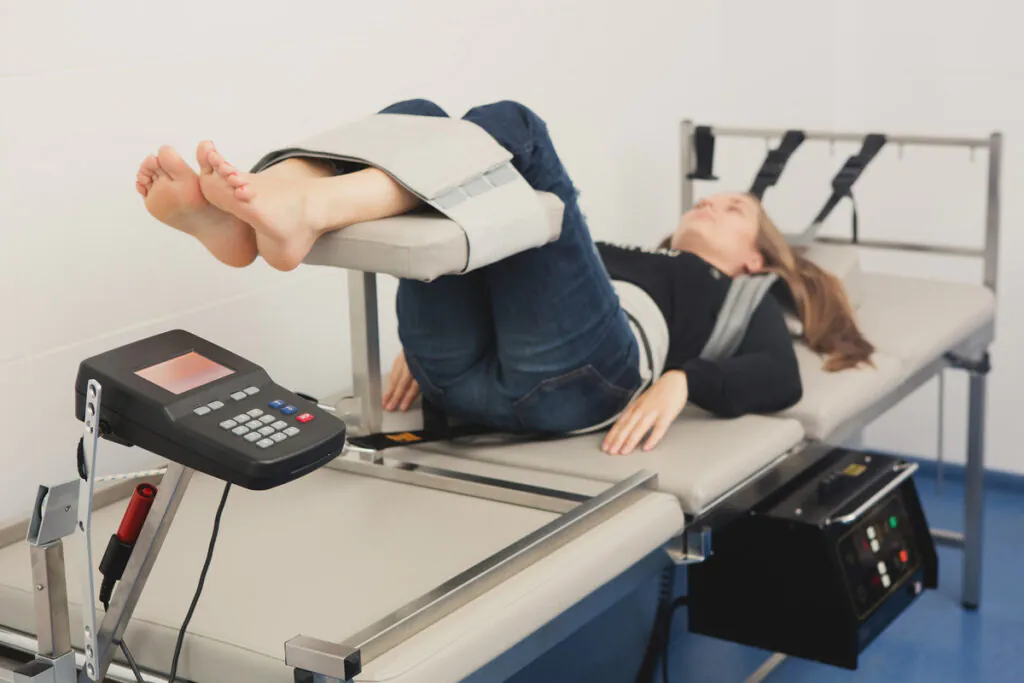
As a local chiropractor, I understand that recovering from an injury can be a challenging time, filled with frustration and a strong desire to get back into your training routine. It's important to recognize that the recovery process is nuanced and requires a thoughtful approach to truly maximize your athletic performance.
First and foremost, prioritizing rest is crucial. Your body needs time to heal, and pushing too hard too soon can set you back. Alongside rest, implementing a comprehensive rehabilitation plan is essential. This plan should include not only chiropractic adjustments to help align your body and relieve pain but also a focus on nutrition and hydration. Proper nourishment fuels your recovery, while staying hydrated ensures that your body functions optimally during this critical period.
Incorporating low-impact exercises can also be beneficial. These gentle movements help maintain your fitness levels without overstraining your injured area. As your chiropractor, I can guide you on which exercises are safe and effective for your specific situation.
Remember, recovery is more than just ticking items off a checklist. It's about finding the right balance of rest, rehabilitation, and gentle activity to support your healing journey. By effectively combining these strategies, you can pave the way for a successful return to peak performance. Don't hesitate to reach out for guidance on your recovery—I'm here to help you every step of the way!
Understand Your Injury
To effectively recover from an injury, it's essential to first understand what you're facing. As a chiropractor, I encourage my patients to identify the type of injury they've sustained—this could be a sprain, strain, fracture, or another condition. Each injury presents its own unique symptoms and implications, so taking the time to educate yourself about it is vital. This knowledge will empower you to make informed decisions about your healing process.
Next, assess the severity of your injury. Is it mild, moderate, or severe? Understanding this classification will shape how we approach your rehabilitation. For example, a mild sprain may only need rest and ice, while a more severe fracture might require more intensive intervention, such as chiropractic adjustments or therapeutic modalities to support healing.
Always feel free to reach out to a healthcare professional, like myself, for an accurate diagnosis. I can help clarify your situation and explain the underlying mechanisms of your injury.
Pay close attention to the symptoms you're experiencing, such as pain, swelling, or limited mobility. Keeping a journal of these symptoms can be very helpful in tracking your recovery journey.
Additionally, understanding the typical healing timeline for your specific injury will help set realistic expectations for your progress.
Finally, familiarize yourself with the common recovery protocols associated with your injury type. Whether it involves specific chiropractic adjustments, functional exercises, or mobility drills, knowing what to expect can empower you to take an active role in your recovery.
Prioritize Rest and Recovery
As a local chiropractor, I want to emphasize the vital role that rest and recovery play in the healing process after an injury. It's common to feel the urge to rush back to your routine, but I urge you to resist that temptation. Pushing through pain or discomfort can often lead to more significant issues down the line. Instead, it's essential to give your body the time it needs to heal properly.
Prioritizing rest allows your muscles, tendons, and ligaments to repair themselves effectively, significantly reducing the risk of long-term complications. Listening to your body is crucial; if you experience fatigue or discomfort, it may be your body's way of telling you to slow down.
One of the most important aspects of recovery is ensuring you get adequate sleep. This is when your body does most of its healing work. Aim for 7-9 hours of quality sleep each night to enhance your recovery process.
Additionally, don't overlook the benefits of active recovery. Engaging in low-impact activities like walking or gentle stretching can promote blood flow, which helps alleviate stiffness without placing undue stress on your injury. It's about finding the right balance between rest and gentle movement.
Hydration and nutrition also play essential roles in your recovery journey. Be sure to drink plenty of water and follow a diet rich in vitamins and minerals that support healing. Foods high in lean proteins and healthy fats can significantly aid in tissue repair and muscle recovery.
By prioritizing rest and recovery, you set the foundation for a stronger comeback. Remember, healing is a process that takes time, and your body will thank you for the patience and care you provide.
If you have any questions about how chiropractic care can further support your recovery, feel free to reach out!
Implement a Rehabilitation Plan
As a local chiropractor, I want to emphasize the importance of rest and recovery in the healing process. Once you've prioritized these elements, the next step is to implement a personalized rehabilitation plan that caters to your specific injury. A structured approach can significantly enhance your recovery and help prevent future injuries.
First and foremost, I recommend consulting with a physical therapist or a sports medicine specialist who can thoroughly assess your injury and guide you in developing an appropriate rehabilitation plan. This plan should include a balanced combination of stretching, strengthening, and mobility exercises aimed at restoring function and flexibility to your body.
Always remember to begin with a proper warm-up. This is crucial as it prepares your muscles and joints for the upcoming activity. Start with gentle range-of-motion exercises, which are vital for regaining mobility in the affected area.
As you progress, we'll gradually introduce strengthening exercises to rebuild your muscle strength effectively. It's important to listen to your body throughout this process. If you encounter any pain or discomfort while exercising, don't push through it. Instead, modify your exercises as needed, and don't hesitate to reach out to me or your therapist for guidance on suitable adjustments.
Consistency is critical in your rehabilitation journey. Aim to adhere to your rehabilitation schedule and keep track of your progress. Incorporating functional movements that are relevant to your sport or daily activities is also beneficial as you heal. This won't only support your recovery but will also prepare your body for a safe return to your chosen activities.
Lastly, I want to remind you to be patient. Recovery is a gradual process, and rushing back into activities can lead to re-injury. By committing to your rehabilitation plan and making necessary adjustments along the way, you'll be setting yourself up for a stronger and healthier comeback.
Focus on Nutrition
As a local chiropractor, I want to emphasize the vital role nutrition plays in your recovery from an injury.
Many people aren't aware that what you eat can significantly influence how quickly and effectively your body heals. It's important to focus on incorporating essential nutrients into your diet, staying well-hydrated, and timing your meals appropriately to enhance your recovery process.
By making nutrition a priority, you can support your body in healing and regaining its full strength.
Essential Nutrients for Recovery
As a chiropractor, I want to emphasize the vital role that proper nutrition plays in your recovery journey. Nutrition isn't just about filling your stomach; it's about providing your body with the essential building blocks it needs for healing and strength. By fueling your body with the right nutrients, you can enhance your recovery process, which is especially important when you're dealing with injuries or discomfort, and help you get back to your favorite activities sooner.
Here are some key nutrients to focus on incorporating into your diet:
- Protein: This macronutrient is essential for muscle repair and growth. When your body is healing, it requires protein to rebuild tissue. Opt for lean sources such as chicken, fish, beans, or tofu to ensure you're getting what you need.
- Omega-3 Fatty Acids: These healthy fats are well-known for their anti-inflammatory properties, which can help alleviate pain and reduce swelling. Including fatty fish like salmon, as well as walnuts or flaxseeds, can make a significant difference in your recovery.
- Vitamins and Minerals: Nutrients like vitamin C and zinc are critical for supporting your immune system and promoting tissue healing. You can find these in abundance in citrus fruits, berries, leafy greens, and nuts.
It's crucial to maintain a balanced diet rich in these essential nutrients.
Remember, recovery isn't just about getting back to your routine quickly; it's about laying a strong foundation for your long-term health and athletic performance. By prioritizing your nutrition alongside chiropractic care, you can't only heal effectively but also come back stronger than ever before.
Your body deserves the best, and the right nutrition is a key component of that journey.
Hydration's Critical Role
As a local chiropractor, I want to emphasize the critical role hydration plays in your recovery process, especially if you're dealing with an injury. Many people overlook how essential water is for healing. When your body is injured, it requires more fluids to effectively transport vital nutrients to the affected areas, which aids in repair and helps to reduce inflammation. If you're not staying adequately hydrated, you may inadvertently slow down your recovery.
It's important to drink water consistently throughout the day, not just when you're exercising. A simple way to monitor your hydration is by observing the color of your urine: a light yellow hue typically indicates good hydration, while a darker shade may mean it's time to increase your fluid intake. Remember, you shouldn't wait until you feel thirsty to drink—make it a habit to sip water regularly.
Additionally, electrolytes are crucial, particularly if you're sweating during light exercise or hot weather. I recommend incorporating electrolyte-rich beverages or foods into your daily routine, such as bananas, coconut water, or sports drinks. These can help maintain your body's fluid balance and prevent issues like cramping, which can hinder your healing process.
Timing Your Meals
As a local chiropractor dedicated to helping you achieve optimal health, I want to emphasize that your body's recovery goes beyond just staying hydrated; the timing of your meals plays a crucial role as well. The way you schedule your nutrition can significantly influence how effectively your body heals from injuries.
Proper meal timing not only enhances nutrient absorption but also supports muscle repair and accelerates your overall recovery process.
Here are some important points to consider:
- Post-Workout Nutrition: After your chiropractic adjustments or any physical activity, aim to consume a meal or snack that's rich in protein and carbohydrates within 30 to 60 minutes. This practice helps replenish your glycogen stores and promotes muscle repair, which is essential for your healing journey.
- Regular Meal Schedule: Eating at consistent intervals throughout the day ensures that your body has a continuous supply of nutrients, which is vital for recovery. I recommend eating every 3 to 4 hours to help maintain your energy levels and support your body's healing process.
- Pre-Workout Fuel: Don't overlook the importance of your pre-workout meal. A balanced meal consumed one to three hours before any activity can enhance your performance and lower the risk of injury by providing your body with the necessary energy it needs.
By incorporating these nutritional strategies into your routine, you can enhance the benefits of chiropractic care and promote a more effective healing process.
Stay Hydrated
As a local chiropractor, I want to emphasize the importance of staying properly hydrated during your recovery process. When you experience an injury, your body requires adequate water to heal effectively and maintain its overall function. Dehydration can impede your recovery, making it more challenging for your body to repair tissues and manage inflammation. Therefore, it's crucial to prioritize your fluid intake.
A good rule of thumb is to drink at least half your body weight in ounces of water each day. For instance, if you weigh 160 pounds, aim for about 80 ounces of water. I recommend keeping a reusable water bottle with you to help remind you to drink consistently throughout the day. It's easy to overlook hydration, especially when you're concentrating on your recovery or dealing with discomfort.
Listen to your body's cues. If you start to feel thirsty, it's a sign that you're already on the path to dehydration. Be mindful of other indicators such as dark urine, fatigue, or dizziness, which may suggest you need to boost your fluid intake.
Additionally, if your injury involves significant physical activity or if you're sweating more than usual, consider adding electrolyte-rich drinks to your regimen for optimal rehydration.
Incorporating hydrating foods into your diet can also be beneficial. Foods such as cucumbers, watermelon, and oranges not only provide hydration but are also packed with essential vitamins and minerals that support your healing process.
Use Ice and Heat Therapy
As a local chiropractor, I want to emphasize the importance of using ice and heat therapy during your recovery from an injury.
Many patients may not be familiar with how these two therapies can aid in the healing process, so let me break it down for you.
Ice therapy is essential in the initial stages of an injury. It works wonders in reducing swelling and numbing any pain you may be experiencing.
Applying ice can help prevent further inflammation and provide immediate relief.
On the other hand, heat therapy comes into play once the swelling has subsided. Heat helps to relax tight muscles and improves blood flow to the affected area, promoting healing and flexibility.
Knowing when to use ice and when to switch to heat can significantly speed up your recovery.
As your chiropractor, I'm here to guide you through this process and ensure you're using these therapies effectively to enhance your natural healing.
Ice Benefits for Recovery
As a local chiropractor, I often emphasize the importance of ice therapy for athletes and individuals recovering from injuries. Many of my patients have found that incorporating ice into their recovery routine can provide significant benefits. Ice therapy is a simple yet powerful tool that can help you on your path to healing.
Here are some key advantages of using ice therapy:
- Reduces Inflammation: When you apply ice, it constricts blood vessels, which can significantly minimize swelling and inflammation in the affected area. This is crucial in the early stages of an injury.
- Numbs Pain: The cold sensation from ice can temporarily dull pain, making it much easier for you to cope with discomfort during your recovery. This can be especially helpful if you're trying to manage pain without relying solely on medications.
- Promotes Faster Healing: By reducing swelling and alleviating pain, ice therapy can help you get back to your regular activities more quickly. This is particularly important for athletes who are eager to return to training.
For optimal results, I recommend applying ice for 15 to 20 minutes at a time, several times a day, especially after any physical activity. Be sure to wrap the ice pack in a cloth to protect your skin from frostbite.
While ice therapy is beneficial right after an injury, it's important to listen to your body. If you experience persistent pain, I encourage you to consult with a healthcare professional, such as a chiropractor, to ensure you're on the right path to recovery.
Incorporating ice therapy into your routine can lead to remarkable improvements in your healing process. If you have any questions about how to effectively use ice therapy or how it can complement your chiropractic care, feel free to reach out. Together, we can enhance your recovery journey!
Heat Therapy Applications
As your local chiropractor, I want to share how heat therapy can be an invaluable addition to your recovery routine, especially when paired with ice therapy.
While ice is great for reducing inflammation and numbing pain, heat therapy works to increase blood flow and relax tense muscles, creating a powerful synergy that can enhance your healing process.
When you apply heat to an injury, you're promoting circulation, which helps deliver vital nutrients and oxygen to the affected area. This can help reduce stiffness, improve flexibility, and speed up your overall recovery.
You can use heat packs, warm towels, or even enjoy a soothing warm bath. Just be cautious to ensure the heat isn't too intense to avoid burns.
Timing is key when using heat therapy. It's best to apply heat before engaging in any physical activity to loosen up your muscles and get them ready for movement.
After exercising, you might want to revert to ice therapy to combat any swelling or soreness that could arise. I recommend limiting heat applications to 15-20 minutes at a time and allowing your skin to cool down before reapplying.
Always pay attention to how your body responds to heat. If you notice an increase in pain or discomfort, stop using it immediately.
By effectively combining heat and ice therapy, you can enhance your recovery process, allowing you to come back stronger and ready for your next physical challenge.
Explore Physical Therapy
Chiropractic care plays a vital role in the recovery from injuries, helping you restore strength, flexibility, and overall function. When you're facing an injury, a chiropractor can be your most valuable partner in healing.
We assess your condition, create a personalized recovery plan tailored to your unique needs, and guide you through each step of the healing journey. This individualized approach is essential for ensuring that you recover safely and effectively.
During your visits, you'll experience a range of techniques and therapies designed to facilitate healing. Here are some key components of chiropractic care that you can expect:
- Spinal Adjustments: As chiropractors, we use specific adjustments to realign the spine and improve nervous system function. This can help alleviate pain and restore mobility while promoting the body's natural healing processes.
- Rehabilitation Exercises: You'll participate in targeted exercises that not only build strength and flexibility but also enhance stability. These exercises are crucial for restoring your range of motion and reducing the risk of future injuries.
- Education and Self-Care: We believe in empowering our patients with knowledge about their injuries and the importance of maintaining proper body mechanics. We'll teach you how to perform daily activities safely and avoid movements that could lead to re-injury.
Incorporate Low-Impact Exercises
As a local chiropractor dedicated to helping you on your journey to recovery, I want to emphasize the importance of incorporating low-impact exercises into your healing routine.
These exercises can significantly enhance your healing process while minimizing strain on your body. Engaging in activities like swimming, cycling, and yoga can provide excellent benefits without the risk of exacerbating any injuries.
Let's take a closer look at some recommended low-impact exercises that can assist you in regaining strength and mobility.
These activities not only promote physical well-being but also complement the holistic approach we take in chiropractic care, focusing on your overall health and wellness.
Benefits of Low-Impact Activities
As a local chiropractor, I often emphasize the importance of low-impact activities, especially for those recovering from an injury.
These exercises can be incredibly beneficial as they allow you to maintain your fitness level while being gentle on your healing body. Engaging in low-impact activities not only helps you stay active but also minimizes the risk of exacerbating your injury.
Here are some key benefits of incorporating these exercises into your recovery routine:
- Improved circulation: Low-impact exercises enhance blood flow, which is crucial for your healing process. Better circulation means that essential nutrients are delivered more effectively to the injured area, supporting faster recovery.
- Enhanced flexibility: Many low-impact activities involve gentle, controlled movements that can increase your range of motion. This is vital for regaining strength and mobility post-injury, allowing you to return to your daily activities more comfortably.
- Boosted mental well-being: Staying active can significantly improve your mood. Engaging in low-impact exercises can lift your spirits and help combat the feelings of frustration or sadness that often accompany recovery.
By incorporating low-impact activities into your routine, you can support your body's natural healing process while maintaining your overall wellness.
If you have any questions about specific exercises or how to integrate them into your recovery plan, feel free to reach out!
Recommended Low-Impact Exercises
As a local chiropractor, I often emphasize the importance of gentle, low-impact exercises to aid in recovery while minimizing strain on your body. These exercises can help maintain your fitness levels without exacerbating any injuries you may have.
One of the best options I recommend is swimming. It's not only easy on the joints, but it also provides a comprehensive full-body workout that can enhance your overall strength and mobility.
Cycling is another excellent choice, whether you opt for a stationary bike or enjoy the outdoors. This activity helps keep your legs strong while putting minimal strain on your body, making it an ideal exercise during recovery.
Walking, particularly on softer surfaces like grass or trails, is also beneficial. Start with shorter distances and as you build your comfort level, you can gradually increase both your pace and duration.
Yoga can play a vital role in your recovery as well, as it enhances flexibility and balance while promoting relaxation. I suggest looking for classes that focus on restorative or gentle yoga, which can be particularly supportive during your healing process.
Pilates is another fantastic option that focuses on core strength without high-impact movements. It's a great way to engage your muscles while being mindful of your body's limits.
Additionally, using resistance bands can allow you to strengthen specific muscles while controlling the intensity of your workouts.
Lastly, consider incorporating tai chi into your routine. This practice improves coordination and balance through slow, flowing movements, making it a wonderful complement to your recovery journey.
By integrating these low-impact exercises into your daily life, you won't only support your healing process but also pave the way for a stronger return to your favorite activities or sports.
Monitor Progress
As a local chiropractor, I want to emphasize the importance of monitoring your recovery progress for a successful healing journey. Staying aware of your physical and emotional states is crucial to ensuring you're on track to return to your favorite activities.
Here are some effective strategies to help you manage your recovery:
- Set Specific Goals: It's essential to break down your recovery into achievable milestones. For instance, focus on improving your range of motion or gradually increasing the intensity of your exercises. Having clear, defined goals not only keeps you motivated but also allows us to assess your progress during our sessions.
- Keep a Journal: I encourage you to document your daily experiences, including your feelings, pain levels, and any improvements you notice. Writing down these details helps you reflect on your healing journey and allows us to identify specific areas that may need more attention during your chiropractic care.
- Utilize Technology: Consider using wearable devices or mobile apps to monitor your activity levels, heart rate, and other relevant metrics. This data can provide us with valuable insights into your physical condition, enabling us to tailor your chiropractic treatment to better suit your needs.
By incorporating these strategies into your recovery process, you can enhance your healing experience and get back to enjoying life with a healthier, more balanced body.
Prevent Future Injuries
As a local chiropractor, I want to share valuable insights on how you can prevent future injuries and enhance your overall well-being through natural healing practices. It's essential to adopt proactive habits that support your body's health, and I'm here to guide you along that path.
First and foremost, strengthening your muscles and improving flexibility are vital components of injury prevention. Incorporating strength training and stretching into your routine will help build a solid foundation and enhance your body's resilience against stressors. Focus on key muscle groups relevant to your activities, ensuring balanced development to support your physical endeavors.
Next, it's important to be mindful of your biomechanics. Poor form can increase your risk of injury, so I recommend working with a knowledgeable coach or trainer who can assess your movements. They can help you refine your technique to ensure you're using proper form during workouts and competitions, which is crucial for maintaining your joint health and overall function.
Don't underestimate the importance of rest and recovery. Your body needs adequate time to heal and rebuild after intense training sessions. Make sure to schedule regular rest days and pay attention to your body's signals. If you experience pain or fatigue, it's vital not to push through it—address it promptly to avoid exacerbating any issues.
In addition to physical practices, maintaining a well-rounded diet rich in nutrients is essential for supporting your training and recovery. Proper hydration and nutrition not only enhance your performance but also play a key role in reducing the risk of injuries. Consider consulting with a nutritionist who can help tailor your diet to your specific needs.
Lastly, don't forget to nurture your mental well-being. Techniques such as visualization and mindfulness can help you stay focused and reduce anxiety during competitions. This mental clarity can be a powerful ally in preventing injuries and enhancing your overall experience in your sport.
Conclusion
Injuries can be challenging, but with the right approach to healing, you can recover even stronger. As a local chiropractor, I want to guide you through the process of understanding your injury and how chiropractic care can play a vital role in your recovery.
First and foremost, it's essential to prioritize rest and allow your body the time it needs to heal. Alongside rest, following a well-structured rehabilitation plan is crucial for getting back on your feet. Chiropractic adjustments can help restore proper alignment, reduce pain, and enhance your overall mobility.
Nutrition also plays a significant role in recovery. Fueling your body with wholesome, nutrient-rich foods will aid in tissue repair, while staying hydrated ensures your body functions optimally.
Incorporating low-impact exercises and physical therapy into your routine can further support your healing process. As your chiropractor, I will work with you to monitor your progress and make necessary adjustments to your treatment plan, ensuring you're on the right path to recovery.
Staying positive throughout your healing journey is key. By embracing a holistic approach to your recovery and utilizing chiropractic care, you can not only prevent future injuries but also maximize your athletic performance in the long run!