When it comes to maximizing your athletic recovery, you might be surprised at how much more there is to it than just resting after a workout. It involves a strategic blend of nutrition, hydration, and various recovery techniques that can greatly enhance your performance. You'll find that the right post-workout meal and proper hydration can set the foundation, but what about the lesser-known methods that can make a real difference? Understanding these expert techniques could redefine how you approach your recovery routine, leading to better results than you ever thought possible.
Importance of Athletic Recovery
Recognizing the importance of athletic recovery is essential for maximizing your performance. When you push your body to its limits, you create micro-tears in your muscles, and without proper recovery, these injuries can accumulate, leading to fatigue and a decrease in your abilities.
Recovery isn't just a luxury; it's a fundamental aspect of training that allows your body to adapt and grow stronger. By allowing yourself adequate time to recover, you can enhance your endurance, strength, and overall athletic capacity.
It's during recovery that your body repairs and rebuilds muscle tissue, replenishes energy stores, and clears out metabolic waste. You'll notice that when you prioritize recovery, you'll feel more energized and focused during your workouts, which can translate into better performance.
Incorporating effective recovery techniques can also help reduce the risk of injury. When your muscles are given time to heal, you're less likely to suffer from overuse injuries that can sideline you for weeks or even months.
Listening to your body is vital; if you're feeling overly fatigued or sore, it's a sign that you need to take a step back and allow yourself time to recover.
Ultimately, understanding the significance of recovery will change the way you approach your training regimen. By making recovery a non-negotiable part of your routine, you'll not only enhance your athletic performance but also promote long-term health and wellness.
Nutrition for Optimal Recovery
To recover effectively, you need to focus on the right balance of macronutrients.
Timing your nutrient intake and staying properly hydrated are essential for optimizing recovery.
Let's explore how these factors can enhance your performance and speed up your healing process.
Macronutrient Balance Importance
The balance of macronutrients—carbohydrates, proteins, and fats—plays an indispensable role in your recovery process after intense physical activity. Each macronutrient contributes uniquely to your body's healing and rebuilding efforts.
Carbohydrates are essential for replenishing glycogen stores depleted during exercise. They provide the energy you need for recovery and help combat fatigue.
Proteins are crucial for muscle repair and growth. They supply the amino acids necessary to rebuild damaged muscle fibers, ensuring you bounce back stronger. Including a variety of protein sources, such as lean meats, dairy, or plant-based options, can enhance your recovery further.
Fats, often overlooked, also play a significant role. Healthy fats support hormone production and provide a concentrated energy source that can aid in your recovery, especially during longer training sessions.
Striking the right balance among these macronutrients can make a significant difference in how quickly you recover and how effectively your body responds to future workouts.
Aim for a diet that incorporates all three macronutrients in appropriate proportions to maximize your recovery and prepare your body for the next challenge. Prioritizing this balance will set you on the path to improved performance and well-being.
Timing of Nutrient Intake
Timing your nutrient intake can greatly enhance your recovery after workouts. After you finish exercising, your muscles are primed to absorb nutrients, making this the ideal time to refuel. Aim to consume a balanced meal or snack within 30 to 60 minutes post-workout. This window is essential for replenishing glycogen stores and repairing muscle tissue.
Focus on a combination of carbohydrates and protein. Carbs will help restore energy, while protein aids in muscle repair. A good rule of thumb is to aim for a 3:1 ratio of carbs to protein. For example, a smoothie made with fruit and yogurt or a turkey sandwich on whole-grain bread can work wonders.
Don't forget about your meals throughout the day. Eating regular, nutrient-rich meals every 3 to 4 hours will keep your body fueled and ready for recovery.
It's also important to listen to your body; if you feel particularly drained, don't hesitate to adjust your intake.
#
Hydration Strategies
for Recovery
Hydrating properly after workouts is essential for effective recovery. When you exercise, you lose fluids through sweat, and replacing those fluids is vital to prevent dehydration and help your body recover. Aim to drink water during and after your workout, but consider incorporating electrolyte-rich beverages if your session was particularly intense or prolonged.
To optimize your hydration strategy, drink about 16-24 ounces of fluid for every pound lost during exercise. A quick way to gauge your hydration status is by checking the color of your urine; pale yellow indicates adequate hydration, while darker shades signal the need for more fluids.
In addition to water, include foods with high water content in your post-workout meals, such as fruits and vegetables. Foods like watermelon, oranges, and cucumbers not only hydrate you but also provide essential nutrients to support recovery.
Keep in mind that individual needs vary, so listen to your body. If you're feeling thirsty or fatigued, it's a sign you need more fluids.
## Hydration Strategies
Effective hydration strategies are essential for optimizing athletic recovery and performance. When you push your body during workouts or competitions, you're losing fluids through sweat and exertion. Replenishing these fluids isn't just about quenching your thirst; it's critical for muscle recovery, maintaining energy levels, and preventing injury.
Here are some practical tips to guarantee you're staying properly hydrated:
- Pre-Hydrate: Start your day with water and maintain hydration throughout. Aim for at least 16-20 ounces of water a few hours before your activity.
- During Activity: Drink regularly, not just when you're thirsty. For workouts lasting over an hour, consider electrolyte drinks to replace lost minerals.
- Post-Activity: Rehydrate with water or sports drinks within 30 minutes after your workout. Aim for 16-24 ounces for every pound lost during exercise.
Keep in mind that individual hydration needs can vary based on factors like climate, workout intensity, and your body composition.
It's a good idea to monitor your hydration levels by checking the color of your urine; pale yellow typically indicates good hydration.
Also, remember that food can contribute to your fluid intake, so include fruits and vegetables in your diet whenever possible.
Sleep and Rest Techniques
Rest is an essential component of athletic recovery, playing a significant role in how well your body repairs and rejuvenates itself. Sleep, in particular, is critical for muscle recovery and overall performance. Aim for 7 to 9 hours of quality sleep each night.
To enhance your sleep quality, establish a routine: go to bed and wake up at the same time every day, even on weekends. This consistency helps regulate your body's internal clock.
Creating a relaxing pre-sleep environment is equally important. Dim the lights an hour before bed, and avoid screens, as blue light can disrupt melatonin production. Instead, consider reading a book or practicing relaxation techniques like deep breathing or meditation. These practices not only help you unwind but also improve your ability to fall asleep quickly.
Napping can also be beneficial, especially after intense training sessions. A 20 to 30-minute nap can boost your alertness and performance without leaving you groggy. However, avoid napping late in the day to prevent it from interfering with your nighttime sleep.
Lastly, listen to your body. If you feel fatigued or rundown, don't push through it. Allow yourself extra rest when needed.
Incorporating these sleep and rest techniques into your routine will help you maximize your recovery, ultimately leading to improved athletic performance. Prioritize your rest, and you'll notice the difference in your training and overall well-being.
Physical Therapy Options
When you think about enhancing your recovery, consider physical therapy options that can make a real difference.
Manual therapy can help relieve tension and improve mobility, while tailored rehabilitation exercise programs focus on strengthening your body.
Manual Therapy Benefits
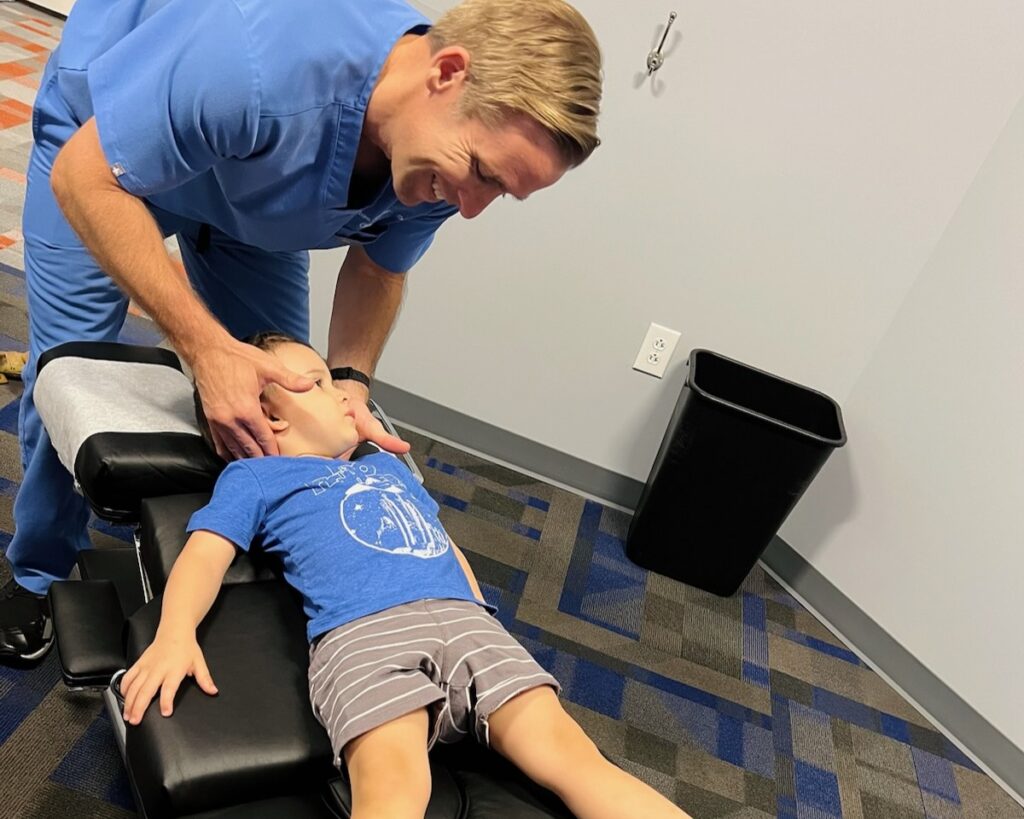
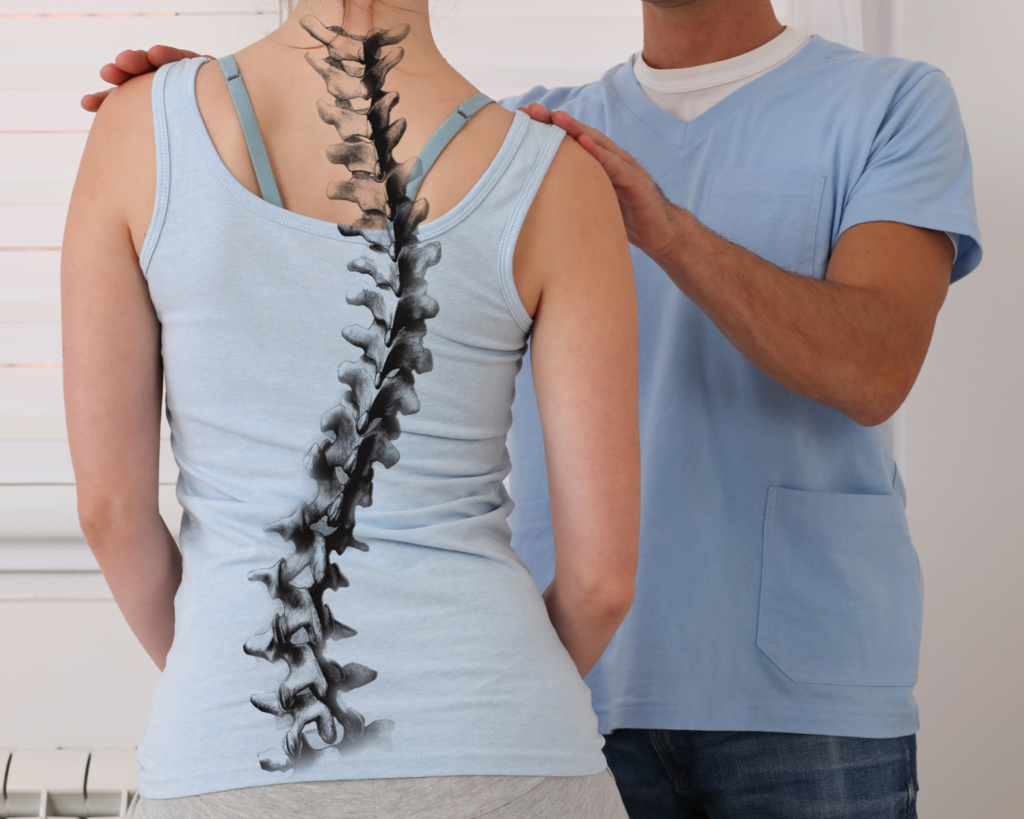
Manual therapy offers a range of benefits that can markedly enhance your athletic recovery process. By incorporating techniques like massage, joint mobilization, and myofascial release, you can experience immediate relief and long-term improvements in your physical health.
These hands-on approaches target soft tissues and joints, helping to alleviate pain and restore function.
Here are some key benefits of manual therapy:
- Reduced muscle tension: By manipulating soft tissues, you can ease tightness and promote relaxation, which is essential for peak performance.
- Improved circulation: Enhanced blood flow helps deliver nutrients and oxygen to your muscles, expediting the healing process and reducing recovery time.
- Enhanced flexibility: Manual therapy can increase your range of motion, making it easier to perform exercises and activities vital for your sport.
Incorporating manual therapy into your recovery routine not only addresses current injuries but also helps prevent future ones.
With regular sessions, you'll likely notice improved performance as you recover faster and feel more balanced.
Don't underestimate the power of a skilled therapist in guiding your recovery journey.
Rehabilitation Exercise Programs
Rehabilitation exercise programs are vital for athletes looking to bounce back from injuries and regain peak performance. These programs are designed specifically to address your unique needs, helping you rebuild strength, flexibility, and coordination. By following a structured plan, you can guarantee a safe return to your sport while minimizing the risk of re-injury.
Incorporating physical therapy options into your recovery can greatly expedite your healing process. A skilled therapist will assess your condition and tailor exercises that target the affected areas. This might include range-of-motion exercises to restore mobility or strengthening exercises to build stability.
Don't underestimate the importance of consistency. Sticking to your rehabilitation program can make all the difference in your recovery timeline. You'll likely start feeling stronger and more confident with each session.
Additionally, addressing both the physical and mental aspects of recovery is essential. Visualization techniques and mental rehearsal can also be integrated into your routine, helping you prepare for a successful return to competition.
Ultimately, a well-executed rehabilitation exercise program is your roadmap back to peak performance. Embrace it, and you'll be on your way to achieving your athletic goals once again.
Active Recovery Methods
Engaging in active recovery methods can greatly enhance your athletic performance and overall well-being. Unlike complete rest, active recovery involves low-intensity activities that promote blood flow, reduce muscle soreness, and aid in the healing process.
You don't have to hit the gym hard; instead, focus on gentle exercises that keep your body moving without overexerting yourself.
Here are some effective active recovery methods you can incorporate into your routine:
- Walking or light jogging: Gentle aerobic activity helps circulate blood, delivering essential nutrients to your muscles while flushing out toxins.
- Yoga or stretching: These practices improve flexibility and encourage relaxation, making it easier for your body to recover from intense workouts.
- Swimming: This low-impact exercise provides a full-body workout while minimizing stress on your joints, making it perfect for recovery days.
Mindfulness and Mental Recovery
Many athletes overlook the importance of mental recovery, yet it plays a crucial role in overall performance. When you're pushing your physical limits, your mind is also working hard, and neglecting mental recovery can lead to burnout, decreased focus, and even injury. Integrating mindfulness practices into your routine can help you regain mental clarity and foster resilience.
Start by setting aside a few minutes each day for mindfulness exercises. This could be as simple as focusing on your breath or practicing meditation. These techniques help you become aware of your thoughts and feelings without judgment, allowing you to process emotions linked to your training and competition. Over time, you'll find it easier to manage stress and maintain a positive mindset.
Visualization is another powerful tool. Imagine yourself succeeding in your sport, whether it's crossing the finish line or hitting a perfect shot. This mental rehearsal can enhance your confidence and prepare you for real-life challenges in competitions.
Additionally, consider journaling your thoughts after training sessions. Writing down your experiences can clarify your emotions, highlight areas for improvement, and reinforce your achievements.
Lastly, don't underestimate the power of quality sleep. Resting your mind is just as crucial as resting your body. Incorporate relaxation techniques before bed, such as deep breathing or gentle stretching, to guarantee you wake up refreshed and ready to tackle your next training session.
The Role of Supplements
While mental recovery is essential, physical recovery shouldn't be ignored, and supplements can play a significant role in that process.
You might be wondering which supplements can help optimize your recovery. With the right choices, you can enhance muscle repair, reduce inflammation, and replenish essential nutrients lost during intense workouts.
Here are three key supplements to take into account:
- Protein Powder: A high-quality protein powder can aid muscle repair and growth. It's particularly effective post-workout when your muscles need the building blocks to recover.
- Omega-3 Fatty Acids: These beneficial fats can help reduce inflammation and soreness. Incorporating omega-3s into your diet may speed up recovery, allowing you to get back to training sooner.
- Electrolytes: Replenishing electrolytes lost through sweat is vital after a workout. An electrolyte supplement can help restore your body's balance, improving hydration and overall performance.
Creating a Recovery Plan
To optimize your recovery, crafting a structured recovery plan is vital. This plan should encompass various elements, including rest, nutrition, hydration, and active recovery techniques.
Start by evaluating your training schedule and identifying the days when you'll need extra recovery. This helps you allocate time effectively and guarantees you're not overlooking significant rest periods.
Next, focus on your nutrition. Make certain you're consuming a balanced diet rich in proteins, healthy fats, and carbohydrates. Post-workout meals are particularly important—aim to refuel within 30 to 60 minutes after exercise. Include protein shakes or nutrient-dense snacks to expedite muscle recovery.
Hydration is another key component. Dehydration can hinder your recovery, so drink water consistently throughout the day. Consider electrolyte-replenishing drinks post-exercise, especially after intense workouts.
Incorporate active recovery techniques into your plan as well. Light activities like walking, yoga, or swimming can promote blood flow and help reduce muscle soreness.
Don't forget to schedule regular stretching sessions or foam rolling to alleviate tightness.
Lastly, listen to your body. If you're feeling excessively fatigued or sore, don't hesitate to adjust your plan. Flexibility within your recovery strategy allows you to maintain balance and avoid burnout.
Conclusion
Incorporating these expert techniques can greatly enhance your athletic recovery. By focusing on nutrition, hydration, sleep, and active recovery methods, you'll not only improve your performance but also reduce the risk of injuries. Don't forget the importance of mindfulness and targeted supplements to support your recovery journey. By creating a personalized recovery plan, you'll guarantee your body is primed for the next challenge. Remember, recovery is just as essential as the training itself—so prioritize it!