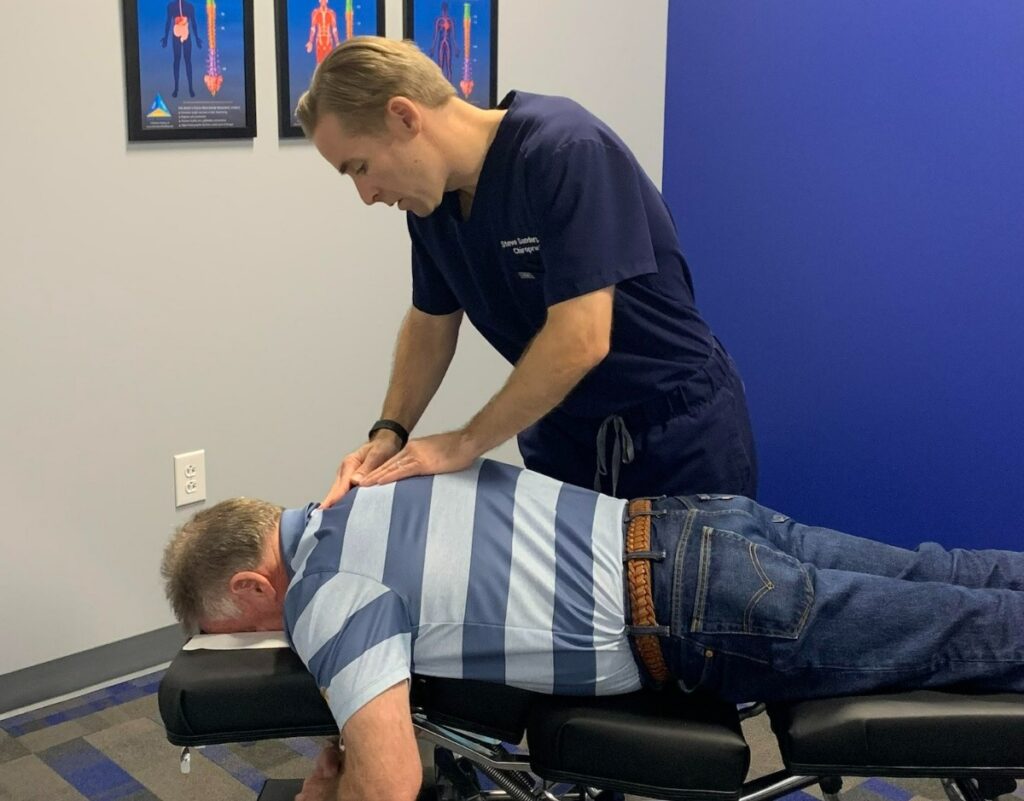
If you’re experiencing back pain, I want to share some effective, natural methods to help you manage it without turning to medication. As a chiropractor, I believe in the power of holistic approaches that promote healing and overall well-being. Understanding the underlying causes of your pain is crucial, and there are simple exercises and techniques that can make a significant difference.
In my practice, I often guide patients through various natural remedies that align with their lifestyles, ensuring they find a solution that works for them. These strategies may include specific stretches, strengthening exercises, and lifestyle adjustments that can alleviate discomfort and support your body’s healing process.
Let’s delve into these natural techniques together and discover how they can help you find the comfort you seek. Your journey to relief starts with understanding your body and how it can heal itself.
Understanding the Causes of Back Pain
As a local chiropractor, I want to help you understand the various causes of back pain that can affect individuals of all ages. Many people experience discomfort due to poor posture, especially if they spend long hours sitting or improperly lifting heavy objects.
Additionally, muscle strains and ligament sprains can occur from sudden movements or overexertion during physical activities, leading to discomfort that can linger. Age-related changes, such as herniated discs or arthritis, may also play a significant role in persistent back pain.
It’s important to recognize that injuries from sports or accidents are common sources of back pain as well. You might find that conditions like sciatica, which involves nerve compression, can lead to sharp pain radiating down your leg.
Furthermore, stress and tension can manifest as tightness in the muscles, complicating existing back issues. Understanding these underlying causes is crucial.
By identifying potential triggers, you can take proactive steps towards relief. As your chiropractor, I encourage you to consider the source of your pain and empower yourself with knowledge.
This understanding allows you to make informed decisions about your care and explore natural healing options that can enhance your well-being. Together, we can develop a plan tailored to your needs, helping you achieve a healthier, more comfortable life.
Importance of Stretching and Flexibility
As a local chiropractor, I can’t emphasize enough the importance of incorporating stretching and flexibility exercises into your daily routine for enhancing your back health. Many people may not realize how these simple practices can significantly improve your range of motion, making everyday tasks easier and helping to prevent injuries.
By focusing on flexibility, you’re allowing your muscles and ligaments to adapt, which can alleviate the tightness and tension often associated with back pain. Regular stretching not only encourages blood flow to your muscles, facilitating healing and reducing stiffness, but it also plays a crucial role in correcting posture—a vital component for maintaining a healthy spine.
You don’t need to set aside hours each day; even just a few minutes of targeted stretching can lead to substantial benefits. I recommend incorporating stretches such as the cat-cow pose or spinal twists into your routine.
Remember, consistency is essential. As you become more flexible, you’ll likely experience less discomfort and enjoy greater freedom of movement, all of which contribute to improved back health.
If you have any questions or need guidance on specific stretches that might be beneficial for you, feel free to ask during your next visit. Together, we can work towards a healthier, pain-free back!
Strengthening Exercises for a Stronger Back
As a local chiropractor, I want to share some valuable insights on how to build a stronger back through natural methods.
It’s essential to focus on core stability exercises that support your spine, as they play a crucial role in maintaining proper alignment and overall health.
Additionally, incorporating flexibility and mobility work into your routine can significantly enhance your strength and reduce the risk of injuries.
By understanding and applying these techniques, you can achieve better back health and improve your quality of life.
Let’s work together to explore how these natural approaches can benefit you and your back.
Core Stability Exercises
As a local chiropractor, I want to emphasize the importance of core stability exercises in maintaining a healthy back and preventing pain. These exercises are vital for strengthening your core muscles, which serve as the foundation that supports your spine.
I encourage you to include exercises such as planks, bridges, and bird-dogs in your regular routine. These movements not only engage your abdominal and back muscles but also activate your pelvic muscles, enhancing your overall stability and reducing stress on your spine.
Aim to incorporate these exercises into your weekly routine at least three times. It’s best to start with shorter durations and gradually increase them as you build strength. Always prioritize proper form to ensure you receive the maximum benefits while minimizing the risk of injury.
Consistency is crucial; over time, you’ll likely notice an improvement in your posture and a reduction in back pain. Strengthening your core isn’t only beneficial for your back but also enhances your overall physical performance, contributing to a healthier lifestyle.
If you have any questions or need guidance on how to get started, feel free to reach out during your next visit.
Flexibility and Mobility Work
As a local chiropractor, I want to emphasize the importance of not just core stability exercises, but also incorporating flexibility and mobility work into your routine for optimal back health.
These elements are vital for a comprehensive approach to strengthening your back. By integrating stretches and mobility drills, you can enhance your range of motion and alleviate stiffness, which will make everyday activities more manageable.
I encourage you to focus on dynamic stretches that specifically target your hips, hamstrings, and lower back. Practices like yoga and Pilates can be particularly beneficial, as they help improve both flexibility and core strength at the same time.
It’s essential to listen to your body during these exercises; if a stretch causes pain, ease off and consider modifying the movement.
I recommend committing to at least 10-15 minutes of flexibility work several times a week. This consistent practice won’t only support your back health but will also enhance your overall posture and body mechanics.
The Role of Posture in Back Health
As a local chiropractor, I want to emphasize the critical importance of good posture in maintaining your back health. Proper alignment helps distribute your weight evenly across your spine, which significantly reduces the strain on your muscles and ligaments.
Whether you’re sitting, standing, or engaging in any physical activity, being mindful of your posture can prevent discomfort and pain. Make sure your head, shoulders, and hips are aligned vertically for optimal support.
When you slouch or hunch over, it creates unnecessary pressure on your spine, leading to tension and fatigue. One way to promote good posture is by using ergonomic furniture, especially if you spend long hours at a desk.
Remember, it’s vital to take breaks and adjust your position regularly to keep your body active and engaged.
In addition to maintaining good posture, strengthening your core muscles is essential for supporting your spine. I recommend incorporating exercises that target your abdominal and back muscles into your fitness routine.
Mindfulness and Relaxation Techniques
As a local chiropractor, I want to share some valuable insights on how mindfulness and relaxation techniques can play a significant role in alleviating back pain. While we focus on maintaining good posture and strengthening your core, integrating these practices can enhance your healing journey.
Mindfulness allows you to become more attuned to your body and its sensations, helping you recognize tension and discomfort before they escalate. One of the simplest yet most effective methods to start with is deep breathing exercises. I recommend inhaling deeply through your nose, holding for a moment, and then exhaling slowly through your mouth. This technique not only calms your mind but also helps to reduce muscle tension, making it an excellent complement to your chiropractic care.
In addition, incorporating mindfulness meditation into your daily routine can be incredibly beneficial. Just a few minutes each day spent focusing on your breath can help clear your mind of distractions. Visualizing yourself in a serene environment can further enhance your relaxation, allowing your body to respond positively to the care you’re receiving.
Yoga is another effective practice that merges mindfulness with gentle movement. It promotes flexibility and strength, all while helping you center your thoughts.
Incorporating Ergonomics Into Daily Life
As your local chiropractor, I want to emphasize the importance of incorporating ergonomics into your daily life to effectively manage back pain.
One of the first steps you can take is to evaluate your workspace. Adjusting your desk and chair to support good posture can significantly alleviate strain on your back.
Additionally, when engaging in heavy lifting or physical tasks, it’s crucial to use proper techniques to protect your spine. By bending at the knees and keeping your back straight, you can minimize the risk of injury.
These simple adjustments can’t only reduce discomfort but also improve your overall well-being.
Remember, taking care of your body through ergonomic practices is a key aspect of natural healing and maintaining a healthy lifestyle.
If you have any questions or need further guidance, feel free to reach out during your next visit!
Proper Desk Setup
As a local chiropractor, I understand that many individuals may not fully grasp the significance of a proper desk setup. However, it’s crucial to recognize how it can influence your comfort and productivity, ultimately impacting your overall well-being.
By implementing a few simple changes, you can significantly alleviate back pain and enhance your work experience. Here are four essential tips I recommend for creating an ergonomic desk setup:
- Chair Height: Ensure your chair is adjusted so that your feet rest flat on the floor and your knees form a 90-degree angle. This can help maintain proper spinal alignment.
- Monitor Position: Position your monitor at eye level and about an arm’s length away. This will help prevent neck strain and promote a more natural posture while you work.
- Keyboard and Mouse: Keep your keyboard and mouse at the same height, ensuring your elbows remain close to your body and are bent at a 90-degree angle. This reduces strain on your wrists and shoulders.
- Frequent Breaks: It’s important to stand up and stretch every 30-60 minutes. This practice not only promotes circulation but also helps reduce stiffness and tension in your muscles.
By following these guidelines, you can create a workspace that supports your body and contributes to a healthier lifestyle.
Smart Lifting Techniques
As a local chiropractor, I want to emphasize the importance of proper lifting techniques to help you protect your back and promote overall spinal health. Lifting heavy objects improperly can lead to strains and long-term discomfort, which is something we want to avoid at all costs.
To lift safely, always remember to bend at your knees rather than your waist. This technique shifts the strain away from your back and helps maintain proper posture. Keep the object close to your body; this minimizes the load on your spine. Additionally, engaging your core muscles provides crucial support and stability during the lift.
If you’re faced with particularly heavy items, consider utilizing tools like dollies or hand trucks. These devices can significantly reduce the physical effort required and lower your risk of injury. Make sure your feet are positioned shoulder-width apart to enhance your balance while lifting.
When it’s time to set the object down, do so gently by bending your knees again. By integrating these smart lifting techniques into your daily routine, you can protect your back and significantly reduce your chances of injury.
Natural Remedies and Alternative Therapies
As a local chiropractor, I often encounter patients seeking ways to manage their back pain without relying on medication. Natural remedies and alternative therapies can be incredibly effective, providing relief without the unwanted side effects.
Here are some techniques that I recommend to my patients:
- Acupuncture: This ancient technique involves targeting specific points on the body to alleviate pain and enhance healing. Many of my patients have found significant relief through acupuncture sessions.
- Chiropractic Care: Regular chiropractic adjustments are essential for realigning the spine. By correcting misalignments, we can reduce discomfort and enhance your overall mobility. It’s a natural approach that addresses the root cause of your pain.
- Herbal Supplements: Incorporating herbs like turmeric and ginger into your diet can be beneficial. Both are known for their anti-inflammatory properties, which can help to ease pain and promote recovery.
- Mindfulness and Meditation: These practices can significantly reduce stress levels, which often contribute to tension-related back pain. I encourage my patients to explore mindfulness techniques to help manage their pain holistically.
Conclusion
As a local chiropractor, I want to share with you some effective natural techniques for managing back pain that can empower you to take charge of your health and well-being. Incorporating practices like stretching and strengthening exercises into your daily routine can make a world of difference. Additionally, mindfulness techniques can help you connect with your body and reduce tension.
It’s also essential to pay attention to your posture throughout the day. Simple ergonomic adjustments in your workspace or home can alleviate strain on your back and promote better alignment. Remember, combining these strategies with natural remedies can offer a comprehensive approach to achieving a healthier, pain-free back. You’re not alone in this journey—I’m here to guide you with the tools and knowledge you need to feel better!