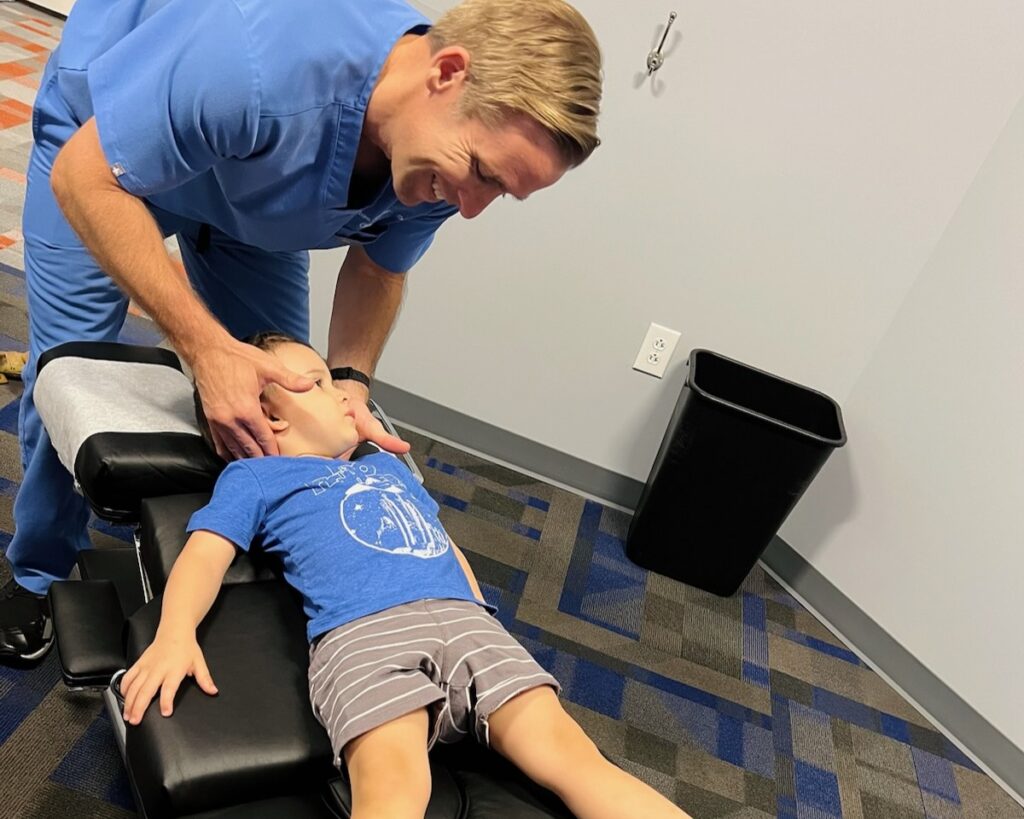
When you think about relaxation, chiropractic care might not be the first thing that comes to mind, but it offers a unique approach to achieving a state of calm. By focusing on spinal alignment, you can enhance your overall wellness while integrating natural stress relief techniques. Imagine combining adjustments with deep breathing exercises and gentle stretching to create a holistic routine that soothes both your body and mind. Curious about how these elements work together and what specific practices you can incorporate? You might be surprised by the transformative effects they can have on your relaxation journey.
Understanding Chiropractic Care
Chiropractic care focuses on the relationship between your spine and overall health. By maintaining proper spinal alignment, you can enhance your body's ability to function at its best. When your spine is misaligned, it can lead to various issues, including pain, discomfort, and reduced mobility. Understanding how chiropractic care works is crucial for reaping its benefits.
In chiropractic practice, professionals assess your spine and identify any misalignments or subluxations. These misalignments can disrupt your nervous system, impacting your body's ability to heal and maintain balance. Through manual adjustments, chiropractors help restore proper alignment, allowing your body to communicate effectively and work as it should.
You might be surprised to learn that chiropractic care isn't just about treating back pain. It can also address a range of issues such as headaches, joint pain, and even digestive problems. This holistic approach means that by focusing on your spine, chiropractors can support your overall well-being.
Regular chiropractic adjustments can help you maintain a healthy spine and prevent future health issues. Many individuals find that visiting a chiropractor not only alleviates discomfort but also promotes a sense of relaxation and overall wellness.
It's important to recognize that chiropractic care is a proactive approach to health. By prioritizing your spine, you're investing in your overall quality of life, enabling you to engage fully in your daily activities without the burden of pain or discomfort.
Benefits of Chiropractic Relaxation
Relaxation is one of the significant benefits you can experience through chiropractic care. When you visit a chiropractor, you're not just addressing physical discomfort; you're also opening the door to a calmer state of mind. Chiropractic adjustments can help relieve tension in your muscles and joints, allowing you to feel lighter and more at ease. This reduction in physical discomfort can have a direct impact on your mental well-being.
Moreover, chiropractic care promotes better circulation. When your body is aligned properly, blood flows more freely, delivering oxygen and nutrients to your muscles and organs. This enhanced circulation can help reduce fatigue and improve your overall energy levels, making it easier for you to unwind and relax.
You might also find that regular chiropractic visits lead to improved sleep quality. As your body relaxes and tension dissipates, it becomes easier for you to fall asleep and stay asleep. Good quality sleep is essential for managing stress, and chiropractic care can contribute to more restful nights.
Finally, the holistic approach of chiropractic care encourages a greater awareness of your body. By understanding how tension and stress manifest physically, you can take proactive steps to manage your stressors in daily life. This awareness allows you to engage in healthier habits that promote relaxation and well-being.
In short, chiropractic care not only helps you physically but also nurtures your mental health, making it a valuable asset in your journey toward relaxation.
Techniques for Stress Relief
Many people often overlook the importance of incorporating stress relief techniques into their daily routines. You might be surprised to learn how simple practices can greatly enhance your stress management. Here are some effective techniques that you can easily integrate into your life.
First, consider deep breathing exercises. Finding a quiet space, inhale deeply through your nose, allowing your abdomen to expand, then slowly exhale through your mouth. Doing this for just a few minutes can help calm your mind and reduce tension.
Next, stretch your body. Gentle stretching can relieve muscle tightness and improve circulation. Simple neck rolls or shoulder shrugs at your desk can work wonders. You don't need a lot of time; even a few minutes can refresh you.
Another technique is to take a brief walk. Stepping outside for a few minutes allows you to clear your mind, soak in nature, and get your blood flowing. A change of scenery can help shift your perspective on stressors.
Lastly, consider using essential oils. Scents like lavender or eucalyptus can promote relaxation. You can use them in a diffuser, or simply inhale the scent directly from the bottle.
Mindfulness and Chiropractic
Mindfulness can greatly enhance your chiropractic experience by promoting relaxation and reducing stress.
When you combine mindfulness techniques with chiropractic adjustments, you're likely to feel more centered and in tune with your body.
Let's explore how these practices work together to improve your overall well-being.
Benefits of Mindfulness
Incorporating mindfulness into your chiropractic care routine can greatly enhance your overall well-being. By practicing mindfulness, you create a deeper connection between your mind and body, allowing you to become more aware of any tension or discomfort. This heightened awareness helps you communicate your needs to your chiropractor, leading to more effective treatments.
Mindfulness can also reduce stress and anxiety, promoting a sense of calm during your chiropractic sessions. When you're relaxed, your body responds better to adjustments, potentially speeding up recovery times. You'll find that being present in the moment allows you to let go of distractions, making each visit more beneficial.
Additionally, practicing mindfulness outside of your appointments can contribute to long-term health benefits. Techniques such as deep breathing and meditation can help you manage daily stressors, which may translate to fewer visits for pain management. This proactive approach empowers you to take control of your health.
Ultimately, integrating mindfulness into your chiropractic care not only enhances your treatment experience but also encourages a healthier lifestyle. By prioritizing mindfulness, you're investing in your physical and mental well-being, setting the stage for a balanced life.
Chiropractic Techniques for Mindfulness
Chiropractic techniques can greatly enhance your mindfulness practice, creating a harmonious balance between your body and mind. By addressing physical tension and misalignments, chiropractic care allows you to focus more effectively on your mental and emotional well-being.
Here are some ways chiropractic techniques can support your mindfulness journey:
- Spinal Adjustments: Realigning your spine can relieve physical discomfort, allowing you to concentrate better during meditation or mindfulness exercises.
- Breathing Techniques: Chiropractors often teach you how to incorporate deep breathing with adjustments, enhancing relaxation and awareness in your body.
- Posture Improvement: Proper posture from chiropractic care can help you maintain a calm and open mindset, making it easier to engage in mindfulness practices.
- Stress Reduction: Regular chiropractic sessions can lower stress levels, helping you approach mindfulness with a clearer, more focused mind.
Integrating these techniques into your routine not only boosts your mindfulness practice but also promotes overall wellness.
When your body feels aligned and relaxed, your mind can achieve a state of peace, allowing for a deeper, more fulfilling experience in mindfulness.
Incorporating Breathing Exercises
Breathing exercises can be a game-changer in your relaxation routine, especially when paired with chiropractic care. These practices not only help you center your mind but also enhance the benefits of your chiropractic sessions. By focusing on your breath, you can calm your nervous system, reduce stress, and promote a sense of well-being.
To get started, find a comfortable position—either sitting or lying down. Take a moment to close your eyes and draw your attention inward.
Now, inhale deeply through your nose, allowing your abdomen to expand fully. Hold that breath for a moment, and then gently exhale through your mouth, letting any tension release with your breath. Repeat this cycle several times, focusing on the rhythm of your breath. You'll soon notice how each inhale brings in calm and clarity, while each exhale releases stress and anxiety.
You can also incorporate these breathing exercises into your chiropractic visits. Before your adjustment, take a few moments to engage in deep breathing. This practice not only prepares your body for the treatment but also helps in enhancing your overall relaxation.
After your adjustment, continue the breathing exercises to maintain that sense of calm and connection to your body.
Stretching and Mobility Practices
Your body thrives on movement, and incorporating stretching and mobility practices into your relaxation routine can greatly enhance the benefits of chiropractic care.
These practices help maintain flexibility, reduce tension, and improve overall body awareness. By integrating stretching and mobility exercises, you can create a well-rounded approach to relaxation that complements the adjustments you receive from your chiropractor.
Here are some essential stretching and mobility practices to take into account:
- Dynamic stretches: Engage in dynamic movements like arm circles or leg swings before workouts to increase blood flow and prepare your muscles.
- Static stretches: After your chiropractic session, hold static stretches for major muscle groups, ensuring you maintain each stretch for at least 15-30 seconds for best results.
- Foam rolling: Use a foam roller to target tight areas and release muscle knots. This practice enhances blood circulation and promotes muscle recovery.
- Yoga or Pilates: Incorporating yoga or Pilates into your routine not only improves flexibility but also fosters mindfulness, making it easier to unwind and relax.
Nutrition for Stress Management
A well-balanced diet plays an essential role in managing stress and promoting relaxation. When you nourish your body with the right foods, you equip yourself to handle daily challenges more effectively. Focus on incorporating whole grains, lean proteins, and plenty of fruits and vegetables into your meals. These foods provide essential nutrients that help regulate your mood and energy levels.
Omega-3 fatty acids, found in fish like salmon and walnuts, are particularly beneficial for brain health. They can help reduce anxiety and improve your overall mood.
Don't forget about the power of hydration; drinking enough water is vital for maintaining your body's balance and preventing fatigue, which can heighten stress levels.
Limit your intake of processed foods and sugary snacks, as they often lead to energy crashes and irritability. Instead, opt for snacks like nuts, yogurt, or fresh fruit, which offer sustained energy without the rollercoaster effect.
Pay attention to your caffeine consumption too. While a cup of coffee can give you a quick boost, excessive caffeine can increase anxiety and disrupt your sleep patterns. Try to balance it with herbal teas or decaf options, especially later in the day.
Lastly, consider how meal timing affects your stress levels. Eating regular meals can help stabilize your blood sugar and mood, making it easier to tackle stressors.
Creating a Relaxation Routine
Creating a relaxation routine can greatly enhance your well-being.
By incorporating daily stretching exercises, practicing mindfulness and meditation, and using breathing techniques, you can effectively reduce stress.
Let's explore how these elements can fit seamlessly into your daily life.
Daily Stretching Exercises
Incorporating daily stretching exercises into your routine can considerably enhance relaxation and overall well-being. Stretching helps you release tension in your muscles, improves flexibility, and promotes blood circulation, making it an excellent addition to your relaxation practice.
To get started, try integrating these simple stretches into your day:
- Neck Rolls: Gently roll your head in a circular motion to relieve neck tension.
- Shoulder Shrugs: Lift your shoulders towards your ears and then release them down for a soothing effect.
- Cat-Cow Stretch: Alternate between arching your back and rounding it to increase spinal flexibility and relieve stress.
- Hamstring Stretch: Sit with one leg extended and reach towards your toes to alleviate lower back tension.
Mindfulness and Meditation
Mindfulness and meditation can transform your relaxation routine into a powerful tool for reducing stress and enhancing mental clarity. By incorporating these practices into your daily life, you'll create a sanctuary of peace that allows you to reconnect with yourself.
Start by setting aside a few minutes each day, ideally in a quiet space where you won't be disturbed.
To begin, focus on your breath. Simply notice the rise and fall of your chest, and let go of any distractions. If your mind wanders, gently guide it back to your breath. This process helps you cultivate a sense of presence and awareness, which is essential for mindfulness.
You might also explore guided meditation apps or videos to help you get started. These tools can provide structure and support as you develop your practice.
Over time, you'll likely notice improvements in your mood and overall well-being.
Breathing Techniques Practice
To enhance your relaxation routine, practicing breathing techniques can be incredibly effective. By focusing on your breath, you can calm your mind and reduce stress, making it a perfect complement to chiropractic care.
Here are some simple techniques to incorporate into your routine:
- Deep Belly Breathing: Inhale through your nose, allowing your abdomen to expand. Exhale slowly through your mouth, feeling your body relax.
- 4-7-8 Technique: Inhale for four counts, hold for seven, then exhale for eight. This method helps slow your heart rate and promotes relaxation.
- Box Breathing: Inhale for four counts, hold for four, exhale for four, and hold again for four. Visualize a box as you breathe, creating a rhythm that calms your mind.
- Nasal Breathing: Breathe in and out through your nose, focusing on the sensation of the air flowing in and out. This technique can help you feel more centered.
Try integrating these techniques before or after your chiropractic sessions for maximum benefit.
With practice, you'll find it easier to relax and enjoy a sense of well-being throughout your day.
Conclusion
Incorporating chiropractic care into your relaxation routine can markedly enhance your overall well-being. By combining spinal adjustments with mindfulness, deep breathing exercises, and gentle stretching, you can effectively reduce stress and tension. Remember to nourish your body with healthy foods and create a consistent relaxation practice that works for you. Embrace these natural approaches, and you'll not only feel physically better but also enjoy greater mental clarity and emotional balance in your daily life.