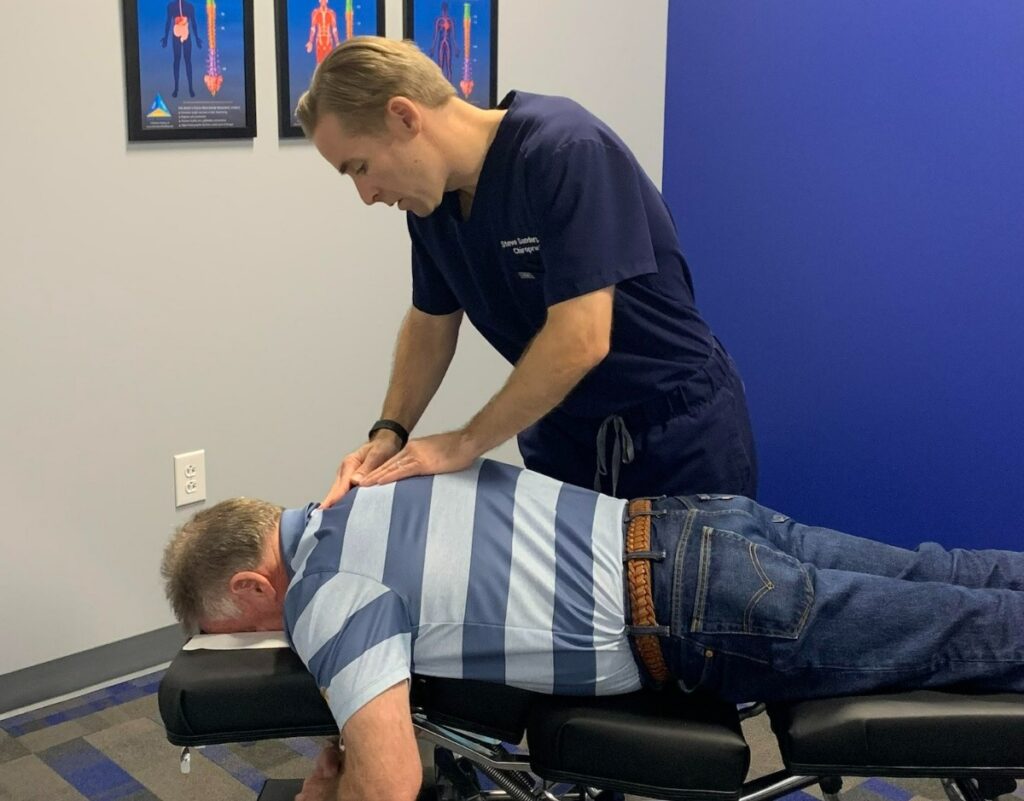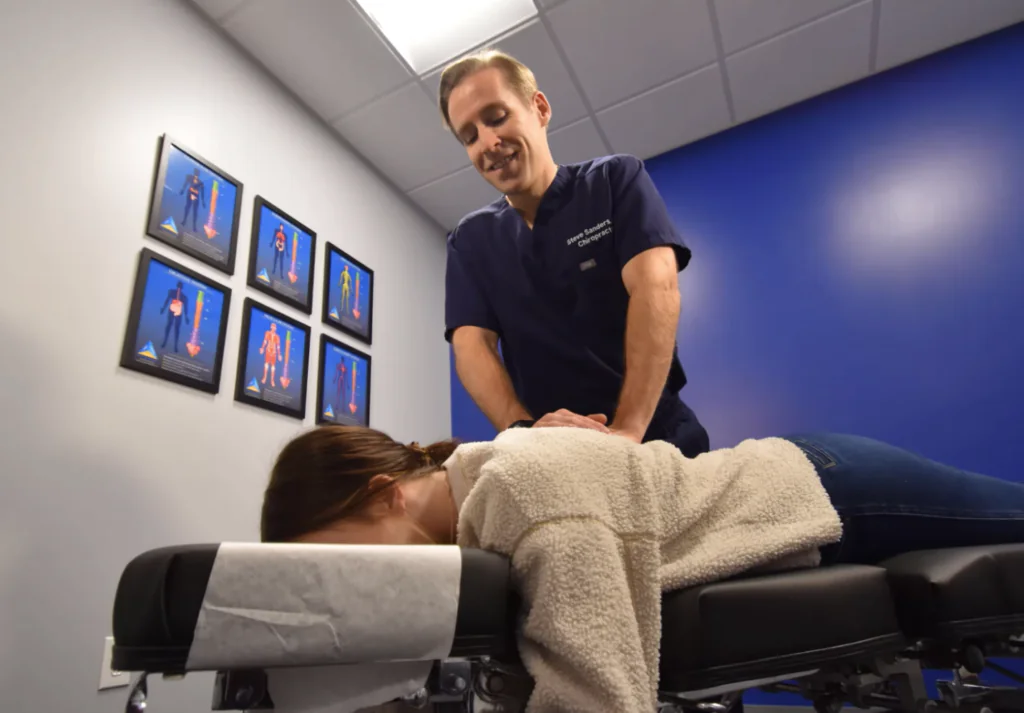
You might think you know how to relax, but professional guidance can take your experience to a whole new level. By working with therapists or wellness coaches, you can uncover personalized techniques that address your unique stressors—whether that's mindfulness practices, breathing exercises, or even art therapy. These experts can introduce you to methods that not only calm your mind but also enrich your overall well-being. Curious about how these approaches can transform your relaxation routine? The next steps could lead you to a more fulfilling path.
Understanding Stress and Relaxation
Stress is a natural response your body has to challenges and demands, but understanding it's key to finding effective relaxation techniques. When you face stress, your body releases hormones like adrenaline and cortisol, preparing you to react to perceived threats. This "fight or flight" response can be helpful in short bursts but can become detrimental when it lingers.
Recognizing the signs of stress—like tension headaches, fatigue, or irritability—can help you address it before it spirals out of control.
To combat stress, it's crucial to explore relaxation techniques that resonate with you. Mindfulness meditation, for example, can help you center your thoughts and ground your emotions. By focusing on your breath and the present moment, you can create a mental buffer against stressors.
Physical activities, such as yoga or even a brisk walk, can also release built-up tension and boost your mood through the release of endorphins.
Another effective method is progressive muscle relaxation. This technique involves tensing and then relaxing different muscle groups, helping you become more aware of physical sensations and promoting overall relaxation.
Additionally, spending time in nature can work wonders for your stress levels, as it allows you to unplug from daily pressures and reconnect with your surroundings.
Ultimately, understanding stress and its effects on your body is the first step toward finding natural ways to relax. By incorporating these techniques into your routine, you'll be better equipped to navigate life's challenges and maintain a sense of calm.
Benefits of Professional Guidance
Seeking professional guidance can greatly enhance your relaxation journey. When you work with an expert, you tap into their knowledge and experience, ensuring you're on the right path. They can help you identify specific stressors in your life and tailor a relaxation plan that meets your unique needs. This personalized approach increases the effectiveness of the techniques you'll employ.
Moreover, professionals can introduce you to new methods of relaxation that you mightn't have considered. Whether it's through guided sessions, workshops, or one-on-one coaching, they provide insights that help you explore various strategies. You'll learn how to implement these techniques in your daily routine, making relaxation a priority rather than an afterthought.
Another benefit is accountability. When you have someone guiding you, you're more likely to stick with your relaxation practices. They'll motivate you to maintain consistency, which is key to experiencing lasting benefits. Plus, having someone to share your progress with can boost your morale and keep you engaged.
Professional guidance also fosters a safe environment for you to express your feelings and challenges. You can discuss your stressors openly, receiving feedback and support that's invaluable in your journey toward relaxation.
In essence, engaging with a professional not only enhances your understanding of relaxation techniques but also empowers you to apply them effectively, making your journey more fulfilling and sustainable.
Mindfulness and Meditation Techniques
Mindfulness and meditation offer a powerful way to cultivate inner peace and clarity in your life. These practices help you reconnect with the present moment, allowing you to experience life more fully.
When you engage in mindfulness and meditation, you can reduce stress and improve your overall well-being. Here are some techniques you can try:
- Focused Breathing: Take a few moments to focus solely on your breath. Inhale deeply through your nose, hold for a second, and exhale slowly through your mouth. This simple act can ground you in the present.
- Body Scan: Lie down comfortably and mentally scan your body from head to toe. Notice any tension and consciously relax those areas. This technique helps you become aware of physical sensations and promotes relaxation.
- Guided Meditation: Use apps or online resources for guided meditations. These can help you stay focused and lead you through various themes, such as gratitude or self-compassion.
- Mindful Walking: Take a slow walk, paying attention to each step. Feel the ground beneath your feet and the air on your skin. This practice connects you with nature and your surroundings.
- Journaling: Spend time writing your thoughts and feelings. Reflecting on your experiences can bring clarity and foster emotional release.
Nature Therapy and Outdoor Activities
Spending time in nature can do wonders for your mental well-being. Engaging in outdoor activities not only helps you relax but also boosts your mood and energy levels.
Let's explore how nature therapy can transform your approach to relaxation.
Benefits of Nature Therapy
Nature therapy offers profound benefits that can transform your mental and emotional well-being. Engaging with nature helps you reconnect with yourself and fosters a sense of peace.
Whether it's a walk in the woods or simply sitting by a serene lake, the natural environment provides a revitalizing escape from daily stressors.
Here are some emotional benefits you can experience through nature therapy:
- Reduced anxiety: Nature's calming presence helps diminish feelings of tension and worry.
- Enhanced mood: Exposure to natural settings can lead to increased happiness and joy.
- Improved focus: Being in nature allows your mind to reset, improving concentration and clarity.
- Heightened creativity: The beauty of nature can inspire new ideas and perspectives.
- Stronger connections: Nature encourages social interaction, fostering relationships with others who share your love for the outdoors.
Outdoor Activities for Relaxation
Engaging in outdoor activities can be a powerful way to unwind and recharge your spirit. Nature offers a revitalizing backdrop that encourages you to break away from daily stressors.
Whether you choose hiking through lush trails, biking along scenic paths, or simply walking in the park, these activities allow you to immerse yourself in the beauty around you.
Consider practicing mindfulness while you're outdoors. Focus on the sounds of birds chirping, the rustle of leaves, or the feeling of the sun on your skin. This connection to nature can enhance your mood and promote relaxation.
If you're near a body of water, try kayaking or paddleboarding. The rhythmic motion can soothe your mind and body.
Gardening is another therapeutic outdoor activity. Digging in the soil and nurturing plants can be incredibly grounding.
You might also find joy in outdoor yoga or tai chi, which combines physical movement with the calming influence of nature.
Breathing Exercises for Calmness
Breathing exercises can be a powerful tool to help you find calmness in your daily life.
By practicing deep breathing techniques and mindful breathing, you can quickly reduce stress and increase your sense of well-being.
Let's explore how these methods can transform your relaxation routine.
Deep Breathing Techniques
Deep breathing techniques can be a powerful tool for achieving calmness and clarity in your daily life. By focusing on your breath, you can quickly shift your mindset and release tension.
Here's how you can incorporate deep breathing into your routine:
- Feel the stress melt away as you inhale deeply, filling your lungs with fresh air.
- Embrace a sense of peace as you exhale slowly, letting go of worries and distractions.
- Reconnect with your body by noticing the sensations as you breathe in and out.
- Cultivate a moment of stillness in your hectic day, allowing yourself to simply be.
- Experience the joy of the present moment, free from the noise of your thoughts.
To practice, find a quiet space, sit comfortably, and close your eyes. Inhale deeply through your nose for a count of four, hold for a moment, then exhale through your mouth for a count of six.
Repeat this cycle several times. As you master this technique, you'll discover how powerful your breath can be in fostering a calm and balanced mind.
Mindful Breathing Practices
Mindful breathing practices are essential for cultivating a sense of calm and presence in your life. By focusing on your breath, you can anchor yourself in the moment, reducing anxiety and enhancing your overall well-being.
Start by finding a comfortable position, whether seated or lying down. Close your eyes and take a deep breath in through your nose, allowing your abdomen to expand. Hold your breath for a moment, then slowly exhale through your mouth.
As you continue this pattern, pay attention to the sensation of the air entering and leaving your body. Notice how your mind might wander; gently guide it back to your breath without judgment.
You can also try the 4-7-8 technique: inhale for four counts, hold for seven, and exhale for eight. This method helps to slow your heart rate and promote relaxation.
Incorporating mindful breathing into your daily routine can markedly impact your mental clarity and emotional stability. Whether you dedicate a few minutes each morning or take breaks throughout the day, these practices can help you feel more grounded and centered.
Embrace the power of your breath, and let it guide you to tranquility.
Yoga and Stretching Practices
Yoga and stretching practices offer a holistic approach to relaxation, blending physical movement with mental tranquility. When you engage in these activities, you're not just working on your flexibility and strength; you're also nurturing your mind and spirit.
The rhythmic flow of movements and the deep breaths you take can wash away stress and tension, creating a sense of peace that permeates your entire being.
As you step onto your mat or find a quiet space to stretch, consider the following benefits that make yoga and stretching so emotionally rewarding:
- Release of tension: Feel the knots in your muscles slowly melt away, allowing you to breathe freely.
- Improved focus: Experience a heightened sense of clarity as your mind quiets down, making room for positive thoughts.
- Enhanced mood: Notice the endorphins kicking in, lifting your spirits and bringing a smile to your face.
- Mind-body connection: Cultivate a deeper awareness of your body, fostering self-love and acceptance.
- Emotional balance: Discover the ability to navigate life's ups and downs with greater ease, as you build resilience through your practice.
Aromatherapy and Essential Oils
Aromatherapy and essential oils provide a fragrant pathway to relaxation, harnessing the power of nature to soothe your senses and calm your mind. By incorporating essential oils into your routine, you can create a peaceful environment that promotes tranquility and well-being.
These concentrated plant extracts offer various therapeutic benefits, making them a popular choice for relaxation. You can start by selecting a few essential oils known for their calming properties. Lavender, for example, is famous for its ability to reduce anxiety and improve sleep quality. Peppermint can invigorate your mind, while chamomile offers a gentle, soothing effect.
When you find oils that resonate with you, the next step is to choose your method of application. Diffusing essential oils in your living space is an excellent way to fill the air with their calming aroma. A diffuser disperses the oil into the air, creating a soothing atmosphere.
Alternatively, you can add a few drops of essential oil to a warm bath or mix them with a carrier oil for a relaxing massage. You'll not only enjoy the fragrance but also experience the physical and emotional benefits.
Remember to practice mindfulness as you use these oils. Take deep breaths, allowing the scent to envelop you, and focus on the present moment. By integrating aromatherapy into your relaxation routine, you can create a sanctuary of calmness that helps you unwind and recharge.
Embrace the power of nature to nurture your mind and body.
Art and Music Therapy
Art and music therapy can be powerful tools for relaxation and self-expression.
You'll discover how engaging in creative activities not only boosts your mood but also offers various therapeutic benefits.
Let's explore some techniques and ways to combine these two forms of art for a truly enriching experience.
Benefits of Art Therapy
Engaging in art therapy can open up new avenues for self-expression and emotional healing. By tapping into your creativity, you can explore feelings that are often hard to articulate. It's a unique way to process emotions and connect with your inner self, allowing you to confront challenges without the pressure of traditional talk therapy.
Here are some benefits you might experience:
- Enhanced emotional awareness: Discovering feelings you didn't realize you had.
- Stress relief: Finding calm in the act of creating, whether through painting, drawing, or other forms.
- Improved self-esteem: Gaining confidence as you express yourself through your art.
- Connection with others: Sharing your creations can foster deeper relationships and understanding.
- Cathartic release: Letting go of pent-up emotions through the act of creation.
Art therapy isn't just about creating something beautiful; it's about healing and understanding yourself in a profound way.
You'll find that, through this process, you can learn to navigate your emotions with greater clarity, helping you to relax and feel more at peace with yourself.
Music Therapy Techniques
Music therapy techniques offer a dynamic way to enhance your emotional well-being and promote relaxation. Whether you're dealing with stress, anxiety, or simply seeking a moment of peace, music can be a powerful tool. Engaging in active music-making, like playing an instrument or singing, allows you to express your feelings and release pent-up emotions.
Listening to music mindfully can also be beneficial. Select calming tracks that resonate with you, and immerse yourself fully in the experience. Pay attention to the melodies, rhythms, and lyrics; this can help ground you in the moment and promote a sense of calm.
Another effective technique is guided imagery with music. This involves listening to soothing music while visualizing peaceful scenes, which can deepen relaxation. You can also explore improvisational music therapy, where you create music spontaneously, allowing your emotions to guide the process.
Finally, using music for movement, such as dancing or gentle stretching to your favorite tunes, can relieve tension and boost your mood.
Combining Art and Music
Combining different forms of expression can amplify the therapeutic benefits of both art and music. When you engage with art and music together, you create a rich sensory experience that can lead to deeper emotional release and personal insight.
This synergy can help you process feelings you might find challenging to articulate verbally. Incorporating these two mediums can enhance your relaxation and healing journey.
Here are some ways to engage with art and music together:
- Create visual art while listening to calming music to inspire your creativity.
- Use rhythmic painting techniques that sync with the beat of your favorite tunes.
- Write lyrics or poems based on the emotions stirred by your art.
- Attend workshops that combine art and music therapy, allowing you to explore both simultaneously.
- Share your creations in a group setting, fostering connection and support among participants.
Nutritional Support for Relaxation
Often, the foods you choose can greatly impact your ability to relax and unwind. Incorporating specific nutrients into your diet can help ease stress and promote a sense of calm. For instance, magnesium-rich foods like spinach, almonds, and avocados can reduce anxiety levels. Adding them to your meals can support your body in handling stress more effectively.
Omega-3 fatty acids, found in fatty fish such as salmon and mackerel, also play an essential role in brain health and emotional regulation. Including these in your diet can help lower anxiety and enhance your mood. If you're not a fan of fish, consider walnuts or flaxseeds as plant-based alternatives.
Don't forget about the power of whole grains. Foods like brown rice, quinoa, and oats can stabilize blood sugar levels, preventing those pesky mood swings. When your blood sugar levels are balanced, you're less likely to feel irritable or anxious.
Herbal teas, particularly chamomile and lavender, are known for their calming effects. Sipping on these can provide a soothing ritual that signals your body it's time to relax.
Lastly, be mindful of your caffeine intake. While it can boost your energy, too much can lead to heightened anxiety. Try swapping some of your caffeinated beverages for herbal options throughout the day.
Creating a Personalized Relaxation Plan
Creating a personalized relaxation plan can greatly enhance your ability to unwind and recharge. When you take the time to develop a plan that fits your unique preferences and lifestyle, you'll find it easier to incorporate relaxation techniques into your daily routine.
Start by evaluating what truly relaxes you. Consider engaging in activities that bring you joy and peace.
Here are some steps to get you started on your personalized relaxation journey:
- Identify your stressors: Recognize the things that cause you anxiety and find ways to address them.
- Choose your relaxation techniques: Experiment with methods like meditation, yoga, deep breathing, or even nature walks—find what resonates with you.
- Set aside dedicated time: Block off specific times in your schedule for relaxation, treating it like any other important appointment.
- Create a calming environment: Designate a space in your home that promotes tranquility—think soft lighting, soothing scents, or comfortable seating.
- Prioritize self-care: Don't forget to indulge in activities that make you feel good, whether it's reading a book, enjoying a warm bath, or listening to your favorite music.
As you implement your personalized relaxation plan, remember to be flexible and adjust it as needed. Life can throw curveballs, and it's important to adapt your approach to maintain balance.
Embrace this journey, and you'll discover that relaxation isn't just a luxury—it's a necessity for your well-being.
Conclusion
Incorporating professional help into your relaxation routine can truly enhance your well-being. By exploring techniques like mindfulness, nature therapy, and art therapy, you can find what resonates best with you. With personalized guidance, you'll develop effective strategies to manage stress and cultivate a more peaceful life. Remember, it's about creating a plan that suits your unique needs and preferences. So, take the first step today and embrace the journey toward relaxation and rejuvenation!