If you're struggling with neck pain, you might be surprised to learn there are effective ways to find relief without resorting to surgery. Simple adjustments in your daily routine, like incorporating specific stretching exercises and improving your posture, can make a significant difference. Additionally, applying heat and cold can alleviate discomfort, while techniques like massage and mindfulness can help reduce tension. Curious about how these methods can fit into your life? Exploring these options could lead to the relief you've been seeking.
Stretching Exercises
Stretching exercises can be a powerful tool for relieving neck pain. When you incorporate these simple movements into your daily routine, you'll often find that tension eases and flexibility improves.
Start by gently tilting your head to one side, bringing your ear toward your shoulder while keeping the opposite shoulder down. Hold this position for 15 to 30 seconds, then switch sides. This stretch targets the muscles that may be tight from poor posture or stress.
Next, try a neck rotation. Sit or stand up straight, and slowly turn your head to the right until you feel a gentle stretch. Hold for a few seconds, then return to center and repeat on the left side. This exercise can enhance your range of motion and ease discomfort.
Another effective stretch involves looking up and down. Simply tilt your head back to look at the ceiling and then drop your chin to your chest. This motion helps to loosen the front and back of your neck, alleviating stiffness.
Be mindful not to push yourself too hard; stretches should feel comfortable, not painful. If you experience any sharp pain, stop immediately and consult a healthcare professional.
Incorporating these stretching exercises into your routine, even just a few minutes every day, can make a significant difference in managing neck pain, allowing you to move more freely and comfortably.
Posture Improvement
Improving your posture plays an essential role in alleviating neck pain. When you maintain proper alignment, you reduce the strain on your neck muscles, allowing them to function more effectively. Start by being mindful of your posture throughout the day.
Whether you're sitting at a desk or standing, keep your shoulders back, your head level, and your spine straight.
If you spend long hours at a computer, it's important to adjust your workspace. Make sure your screen is at eye level, so you're not leaning forward or looking down. Your chair should support your lower back, and your feet should rest flat on the floor.
Taking breaks to stretch and move can also help reset your posture and relieve tension.
When you walk, keep your chin up and shoulders relaxed. Imagine a string pulling the crown of your head towards the ceiling. This visualization can help you maintain a tall, aligned stance.
You might also want to practice exercises that strengthen your core and back muscles, which support good posture.
Incorporating posture checks into your daily routine can make a significant difference. Set reminders on your phone or use sticky notes around your workspace to prompt you to check your alignment.
Over time, these small adjustments can lead to lasting changes, easing your neck pain and improving your overall well-being.
Heat and Cold Therapy
When you're dealing with neck pain, heat and cold therapy can provide quick relief and promote healing. Each method has its own benefits, and knowing when to use them can make a significant difference in your comfort level.
Start with cold therapy if you're experiencing acute pain or inflammation. Applying a cold pack or a bag of frozen vegetables wrapped in a towel to your neck can help numb the area, reduce swelling, and alleviate pain. Aim for 15-20 minutes at a time, and make sure to give your skin a break between applications. This approach is particularly effective right after an injury or during flare-ups.
On the other hand, heat therapy is ideal for chronic pain or muscle stiffness. A warm compress, heating pad, or even a warm shower can help relax tight muscles and improve blood circulation to the affected area. Again, use heat for about 15-20 minutes, but be cautious not to overheat your skin. If you're using a heating pad, consider setting it on a low or medium setting to avoid burns.
You can also alternate between heat and cold therapy. Start with cold to reduce swelling, then switch to heat to relax muscles and promote healing. This combination can offer great relief from neck pain.
Remember to listen to your body. If either method increases your pain or discomfort, stop using it and consult a healthcare professional for further guidance.
Massage Techniques
After trying heat and cold therapy, many people find that massage techniques can further enhance relief from neck pain.
Massage not only promotes relaxation but also increases blood flow to the affected area, helping to alleviate tension and stiffness. You can try a few simple techniques at home to relieve your discomfort.
Start with gentle kneading. Use your fingers to apply pressure to the muscles at the base of your skull and down the sides of your neck. Make small circular motions, gradually increasing pressure as your muscles loosen up. This technique helps to release knots and improve circulation.
Next, try effleurage, a technique that involves long, gliding strokes. Use your palms to stroke from the shoulders up to the neck, applying a light pressure. This method warms up the muscles and prepares them for deeper work.
Don't forget about your shoulders! Many people hold tension there, which can contribute to neck pain. Use your thumbs to press into the shoulder muscles, working in small circles. You can also apply pressure using your fists for a firmer massage.
Finally, consider using a foam roller or massage ball. Place it under your neck and roll gently to target sore spots. This self-myofascial release technique can help break up tightness and improve flexibility.
Physical Therapy
Relief from neck pain often becomes more attainable through physical therapy, which focuses on strengthening and rehabilitating the muscles surrounding the neck. A physical therapist will assess your condition and create a tailored program designed to address your specific needs. This can lead to improved mobility, reduced pain, and a more robust neck.
Here are some benefits you can expect from engaging in physical therapy:
- Personalized Treatment Plans: Your therapist will develop a customized plan that targets your unique pain points.
- Strengthening Exercises: You'll learn exercises that strengthen neck muscles, providing better support and stability.
- Posture Correction: Therapists will teach you how to maintain proper posture, which can alleviate strain on the neck.
- Manual Therapy: Techniques like stretching and joint mobilization can help reduce tension and improve flexibility.
- Education and Prevention: You'll gain valuable knowledge on preventing future neck pain through lifestyle and ergonomic adjustments.
Participating in physical therapy not only helps alleviate your current discomfort but also equips you with tools to manage and prevent future issues.
You'll work closely with a trained professional who understands your pain and can guide you through each step. As you progress, you'll likely notice a significant reduction in pain and an increase in mobility, allowing you to return to activities you enjoy.
Mindfulness and Relaxation
Practicing mindfulness and relaxation techniques can greatly help manage neck pain. These approaches can reduce stress and tension, both of which often contribute to discomfort. By focusing on your breath and becoming aware of your body, you can create a sense of calm that eases muscle tightness in your neck.
Start with simple deep-breathing exercises. Find a comfortable position, close your eyes, and take slow, deep breaths. Inhale through your nose, allowing your abdomen to expand, then exhale through your mouth. Repeat this for several minutes. As you breathe, pay attention to any areas of tension in your neck and shoulders. Visualize the tension melting away with each exhale.
Incorporating mindfulness into your daily routine can also make a difference. Try to be fully present during everyday activities. For instance, while eating, focus on the flavors and textures of your food. This practice can help you become more aware of stressors that might lead to neck pain and allow you to address them proactively.
You might also explore guided meditation or yoga. These practices often emphasize relaxation and can provide relief from physical discomfort. Even just a few minutes each day can help you build resilience against stress, which may alleviate your neck pain over time.
Ultimately, combining mindfulness and relaxation techniques into your life can lead to a more relaxed state, reduce muscle tension, and help you manage neck pain effectively.
Ergonomic Adjustments
To reduce neck pain, you need to optimize your workstation setup.
Make sure your chair height allows your feet to rest flat on the floor while keeping your screen at eye level.
These simple ergonomic adjustments can greatly improve your comfort throughout the day.
Optimize Workstation Setup
Creating an ergonomic workstation is essential for reducing neck pain and enhancing comfort during long hours of work. Adjusting your setup can make a significant difference in how you feel by preventing strain on your neck and shoulders.
Here are some key adjustments to take into account:
- Monitor Position: Keep the top of your monitor at eye level to avoid tilting your head.
- Keyboard and Mouse Placement: Position these tools close enough to avoid reaching, keeping your arms at a 90-degree angle.
- Lighting: Verify your workspace is well-lit to reduce eye strain and the need to lean forward.
- Frequent Breaks: Schedule regular breaks to stretch and change your position, which helps relieve tension.
- Cable Management: Organize cables to avoid clutter and maintain a clean workspace, promoting better posture.
Proper Chair Height
Finding the right chair height is essential for maintaining good posture and preventing neck pain. When your chair is too high or too low, it can force your body into awkward positions, leading to discomfort.
To find the perfect height, sit in your chair with your feet flat on the floor and your knees at a 90-degree angle. Your thighs should be parallel to the ground, ensuring that your hips are aligned properly.
If your chair has adjustable height settings, make sure to tweak it until you achieve this ideal position. Adding a footrest can help if your feet don't reach the floor comfortably.
Keep your back supported by the chair's lumbar support, which should fit snugly against your lower back. Position your computer screen at eye level to avoid tilting your head up or down, which can strain your neck.
Your arms should rest comfortably at your sides, with elbows bent at about 90 degrees when typing. Regularly check your posture throughout the day, adjusting your chair height as needed.
Taking these simple steps can greatly reduce your risk of neck pain and enhance your overall comfort while working.
Alternative Treatments
If you're looking for relief from neck pain, alternative treatments like acupuncture and chiropractic adjustments might be worth considering.
These therapies can help alleviate discomfort and improve mobility without the need for surgery.
Let's explore how each of these options can benefit you.
Acupuncture for Neck Pain
When considering alternative treatments for neck pain, acupuncture stands out as a popular and effective option. This ancient practice involves inserting thin needles into specific points on your body to stimulate energy flow, promoting healing and pain relief.
Many people have found significant relief from neck pain through acupuncture, and it's important to explore if you're seeking a non-invasive solution.
Here are some benefits of acupuncture for neck pain:
- Reduces inflammation: Acupuncture can help decrease swelling and inflammation in the neck area.
- Enhances blood flow: Improved circulation promotes healing and can alleviate discomfort.
- Releases endorphins: The treatment triggers the release of natural painkillers in your body, leading to pain reduction.
- Relaxes muscles: Acupuncture can ease muscle tension, contributing to improved mobility.
- Improves sleep: Many patients experience better sleep quality, which can further aid recovery.
Before starting acupuncture, it's important to consult with a qualified practitioner. They can assess your condition and create a tailored treatment plan.
With regular sessions, you might find that acupuncture not only alleviates your neck pain but also enhances your overall well-being.
Chiropractic Adjustments Benefits
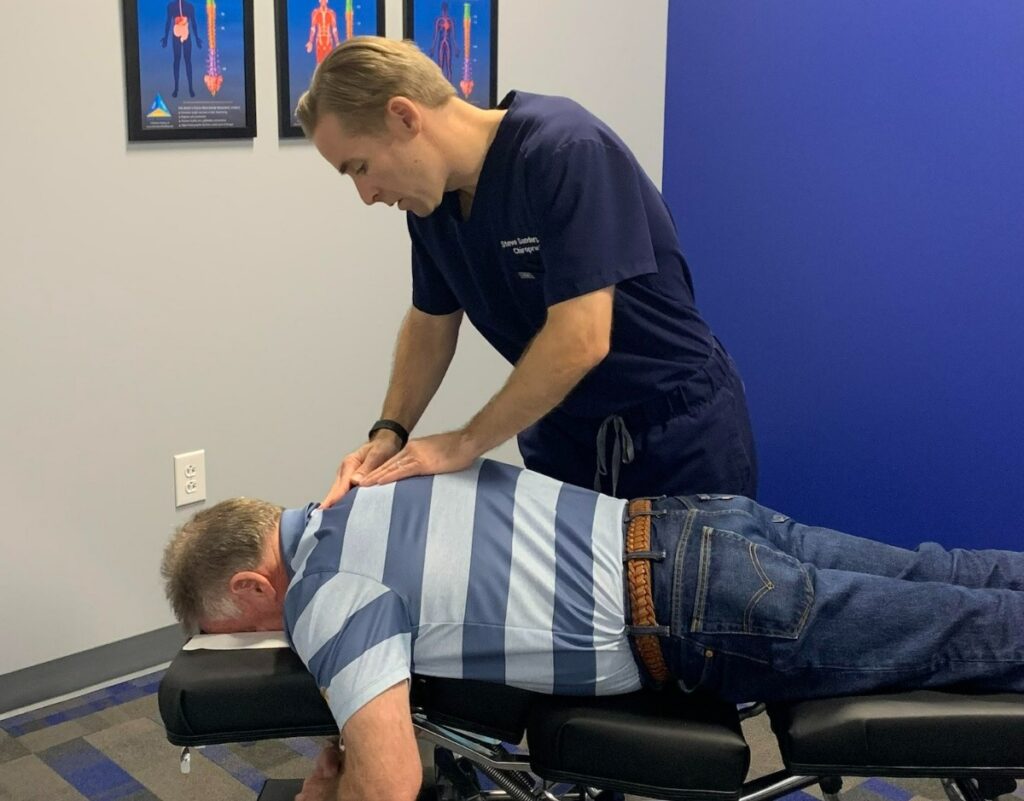
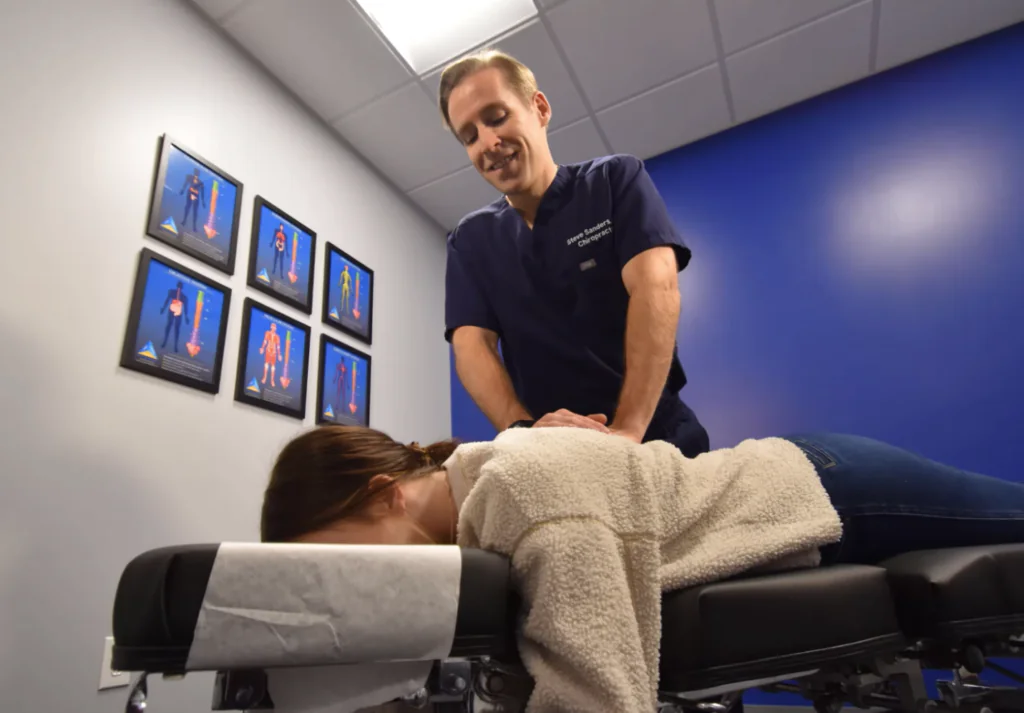
Chiropractic adjustments offer another effective alternative for relieving neck pain. By targeting misalignments in your spine, these adjustments help restore proper function and mobility, reducing discomfort and tension in your neck.
When you visit a chiropractor, they'll perform a thorough assessment to identify issues contributing to your pain.
One of the primary benefits of chiropractic care is its ability to alleviate pain without the use of medications. Adjustments can help improve blood flow and reduce inflammation, promoting natural healing. Many patients report immediate relief after their first session, and ongoing care can lead to long-lasting benefits.
You'll also find that chiropractic adjustments can enhance your overall wellness. By aligning your spine, these treatments can improve your posture, which is especially beneficial if you spend long hours sitting at a desk. Better posture can prevent future neck pain and other related issues.
Incorporating chiropractic care into your wellness routine is a proactive step toward managing neck pain effectively. With regular visits, you can maintain spinal health and enjoy a more active, pain-free lifestyle.
Don't hesitate to explore how chiropractic adjustments can work for you!
Conclusion
Incorporating these proven methods can greatly relieve your neck pain without resorting to surgery. By committing to regular stretching, improving your posture, and utilizing heat or cold therapy, you'll create a solid foundation for relief. Don't underestimate the benefits of massage, physical therapy, and alternative treatments like acupuncture. Additionally, practicing mindfulness can help manage stress that contributes to tension. Take charge of your neck health, and you'll find greater comfort and mobility in your daily life.