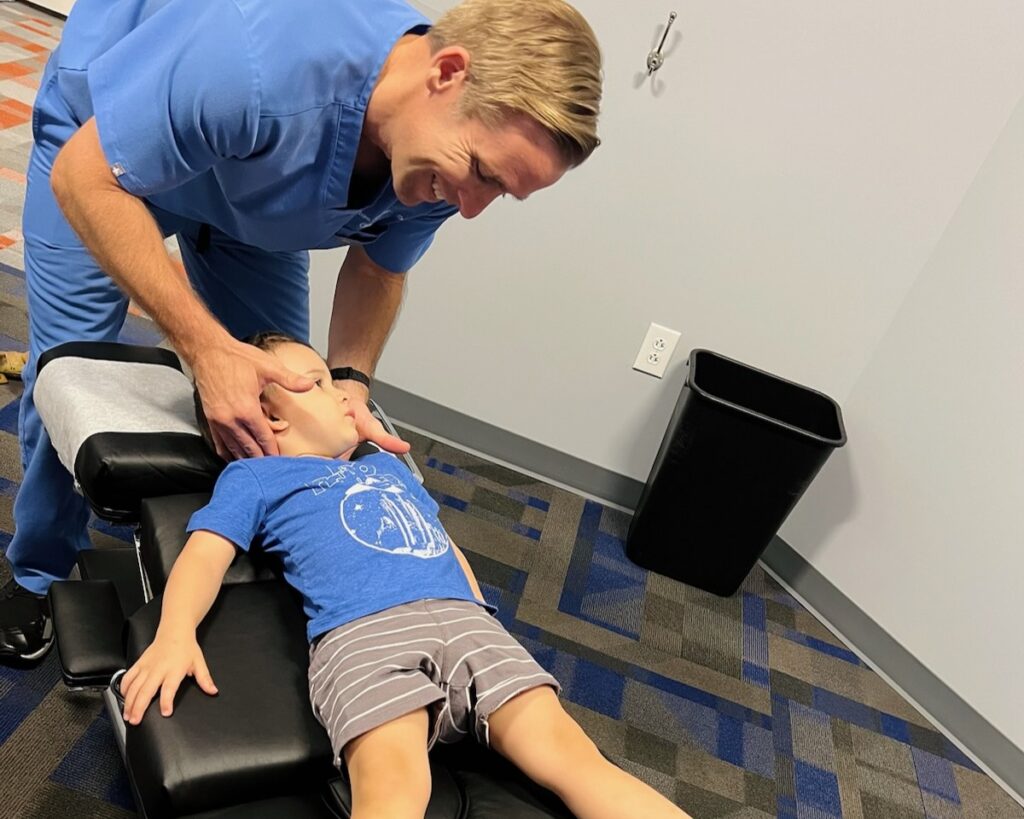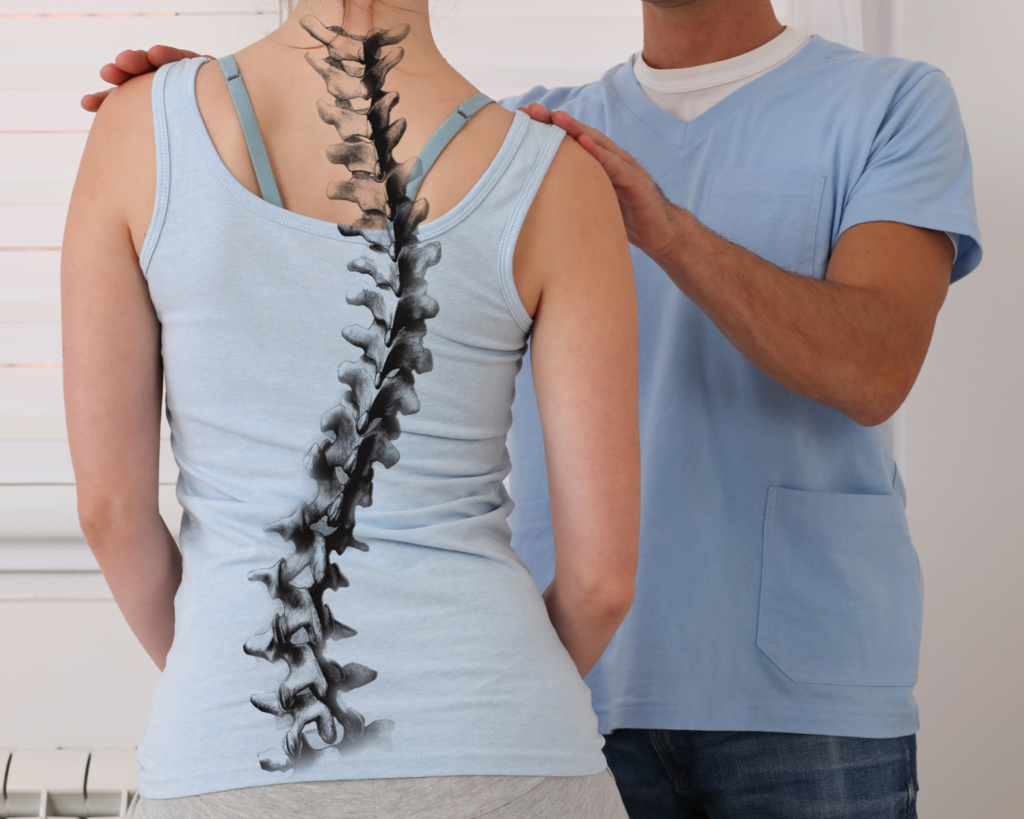
As a local chiropractor, I often see patients who are struggling with back pain caused by poor posture. If you’ve experienced discomfort, know that you’re not alone; it’s a common issue many face due to everyday habits. A key part of my approach is helping you understand the root causes of your pain and guiding you through simple adjustments that can make a significant difference.
Relief from back pain goes beyond just reminding yourself to sit up straight. It’s about adopting a holistic approach that encompasses targeted stretches, strengthening exercises, and mindfulness techniques. By integrating these elements into your daily routine, you can promote a healthier spine and improve your overall posture.
Through chiropractic care, I can help you develop a personalized plan that addresses your specific needs, empowering you to take control of your back health. Together, we can work towards a pain-free life and better posture, allowing you to feel your best every day.
Understanding Posture-Related Back Pain
As a local chiropractor, I often see patients who are unaware of how their everyday posture can significantly impact their back health. When you spend long hours sitting or standing with poor posture, you may not realize the strain it places on your spine and muscles.
Your spine is naturally designed to have a gentle curve, but when you slouch or hunch over, it disrupts this alignment, leading to muscle imbalances that can cause tension and discomfort.
Many people experience stiffness or aches after a long day of poor posture, and unfortunately, these symptoms can worsen over time if left unaddressed. Ignoring these warning signs can result in more serious conditions, such as herniated discs or nerve compression, which can be quite painful and debilitating.
It’s crucial to understand the direct link between your posture and back pain. By being mindful of how you sit and stand, you can prevent these issues from developing.
I encourage you to take proactive steps to improve your alignment, such as incorporating ergonomic solutions into your workspace or practicing exercises that promote good posture. By doing so, you can’t only alleviate discomfort but also enhance your overall well-being and maintain a healthier back.
Common Causes of Poor Posture
As a local chiropractor, I often see patients who struggle with poor posture, which can have a significant impact on their overall health. Many of us may not realize that our everyday habits contribute to this issue.
For example, slouching while lounging on the couch or hunching over our phones can create muscle imbalances that lead to discomfort. If you’re spending long hours at a desk without proper ergonomic support, it’s only a matter of time before you start to notice poor posture developing.
Moreover, the footwear you choose plays a crucial role in your body alignment. Wearing unsupportive shoes can make it challenging to maintain a tall, upright stance. Similarly, carrying heavy bags on one shoulder can create uneven stress along your spine, exacerbating posture problems.
Stress and fatigue can also influence how you carry yourself. When you’re fatigued, your body is more likely to slump, leading to further strain.
Additionally, many people lack the awareness of proper body mechanics and may unknowingly adopt poor postural habits.
By becoming aware of these common causes, you can take proactive measures to improve your posture and, in turn, alleviate back pain.
Chiropractic care can offer valuable guidance in correcting these issues and promoting a healthier, more balanced lifestyle. Let’s work together to identify and address the factors that may be affecting your posture!
The Importance of Ergonomics
As a local chiropractor, I want to emphasize the importance of ergonomics in your daily life, especially if you’re struggling with back pain.
Creating a proper workspace is crucial. A well-designed desk setup and a supportive chair can significantly alleviate discomfort and enhance your overall wellbeing.
By making simple adjustments to your environment, you can encourage better posture, which is essential for maintaining spinal health.
Proper Desk Setup
As your local chiropractor, I want to emphasize the importance of a proper desk setup for maintaining good posture and preventing back pain. Many of you may not realize how much your work environment can impact your overall health.
Start by positioning your monitor at eye level. This adjustment helps prevent neck strain, a common issue I see in patients. Your keyboard and mouse should be within easy reach, allowing your elbows to rest comfortably at a 90-degree angle.
It’s also crucial that your feet are flat on the floor or on a footrest, with your knees bent at a right angle. This alignment supports your spine and reduces the risk of discomfort.
I often recommend decluttering your workspace—this simple act can minimize unnecessary strain when you’re reaching for items.
For those who work with papers, consider using a document holder to keep your documents at eye level. This can significantly reduce neck movement and strain.
Chair Support Features
As a chiropractor, I’ve seen firsthand how an ergonomic chair can significantly impact your comfort and spinal health while you work. It’s crucial to choose a chair that incorporates features like adjustable seat height, lumbar support, and appropriately designed armrests that accommodate your unique body shape. These elements are vital for maintaining proper posture, which helps to alleviate strain on your back and spine.
A chair with a contoured backrest is particularly beneficial, as it aligns with the natural curve of your spine, helping to prevent slouching and promoting better alignment. Additionally, I recommend selecting a chair that allows for slight tilting or reclining. This small movement can encourage blood flow and reduce stiffness, making it easier for you to stay comfortable over long periods.
Furthermore, consider the material of the chair; breathable fabrics can help keep you cool and comfortable during extended hours of sitting.
Effective Stretches for Relief
As a local chiropractor, I want to emphasize the importance of incorporating effective stretches into your daily routine to alleviate posture-related back pain.
It’s essential to focus on specific techniques that target key muscle groups for optimal relief. By establishing a consistent stretching regimen, you can significantly enhance your comfort and overall mobility.
Remember, natural healing through proper alignment and muscle care can make a world of difference in your daily life.
Let’s work together to create a personalized stretching plan that suits your individual needs!
Essential Stretching Techniques
As a local chiropractor, I want to share some effective stretching techniques that can significantly help alleviate posture-related back pain. Many of my patients may not be aware, but simple stretches can make a world of difference in your daily comfort.
Let’s start with neck stretches. Gently tilting your head from side to side can relieve tension; hold each tilt for about 15 seconds. This simple movement can help loosen tight muscles that may be contributing to discomfort.
Next, consider incorporating shoulder rolls into your routine. By rolling your shoulders forward and backward in smooth, controlled motions, you can help release built-up tension in the upper back and shoulders.
For your spine, try practicing seated twists. Sit up straight, place one hand behind you, and gently twist your torso. This stretch helps maintain spinal mobility and can ease any stiffness you may be experiencing.
Lastly, don’t overlook your hamstrings! Sit with one leg extended in front of you and reach for your toes. This stretch not only improves flexibility but also supports better posture by addressing muscle tightness in the legs.
By integrating these essential stretches into your daily routine, you can enhance your flexibility, reduce muscle tightness, and promote better posture—all of which can lead to a significant reduction in back pain.
Make stretching a part of your daily habit, and your body will thank you!
Targeted Muscle Groups
As a local chiropractor, I want to share some effective stretching techniques that can help alleviate posture-related back pain. By focusing on specific muscle groups, we can enhance your comfort and promote better alignment.
One area to pay attention to is your hip flexors and hamstrings. Tightness in these muscles can often lead to discomfort in your back.
To stretch your hip flexors, try this: kneel on one knee, push your hips forward gently, and hold that position for about 30 seconds. This can help release tension and improve flexibility.
For your hamstrings, sit down with one leg extended in front of you, reach towards your toes, and hold the stretch. This will help lengthen those muscles and reduce strain on your back.
Don’t forget about your upper back and shoulders, as they also play a crucial role in your overall posture. A great stretch to try is the doorway stretch: place your arms on either side of a door frame and lean forward gently. This will help open up your chest and relieve tension in your upper body.
Incorporating these targeted stretches into your daily routine can significantly alleviate tension and improve your posture, leading to long-lasting relief from discomfort.
If you have any questions or need further guidance, feel free to reach out! Your journey to better health and well-being is important to us.
Daily Stretching Routine
As a local chiropractor, I want to emphasize the importance of incorporating a daily stretching routine to alleviate posture-related back pain. Many patients are often unaware of how simple stretches can significantly improve their overall well-being.
By dedicating just a few minutes each day to these exercises, you can enhance your flexibility and reduce muscle tension—key components in maintaining a healthy spine. Here are some effective stretches I recommend:
- Cat-Cow Stretch: This dynamic movement involves alternating between arching and rounding your back, which can greatly improve spinal mobility and promote better alignment.
- Child’s Pose: By sitting back on your heels and stretching your arms forward, you can effectively release tension in your lower back. This position is particularly beneficial for those who spend long hours sitting.
- Chest Opener: Clasp your hands behind your back and gently lift your arms to open up your chest and shoulders. This stretch counteracts the forward hunch many experience from daily activities.
- Seated Forward Bend: Sitting with your legs extended, reach for your toes to stretch your hamstrings and lower back. This not only improves flexibility but also encourages relaxation.
By committing to this daily stretching routine, you may begin to notice significant relief from discomfort and contribute to your overall spinal health.
Strengthening Exercises for Better Posture
As a chiropractor, I want to help you understand the importance of strengthening your muscles for achieving better posture. Good posture is essential for maintaining a healthy spine and overall well-being, and it starts with the right exercises.
Let’s begin with your core. Engaging in exercises like planks and bridges can significantly improve your core strength, stabilizing your spine and enhancing your alignment. A strong core helps support your lower back, reducing the risk of discomfort and injury.
Next, we need to focus on your upper back. Incorporating exercises such as rows and reverse flys can strengthen the rhomboids and trapezius muscles. These muscles play a crucial role in pulling your shoulders back and keeping your chest open, which is vital for a proper posture.
It’s also important to pay attention to your glutes! Exercises like squats and lunges not only work your legs but also help maintain pelvic alignment. This alignment supports your entire posture and contributes to your spinal health.
I recommend creating a balanced exercise routine that incorporates these movements two to three times a week. As you strengthen these key muscle groups, you’ll likely notice an improvement in your posture and a reduction in strain on your back.
Tips for Maintaining Good Posture at Work
As a local chiropractor, I want to emphasize how crucial your workspace can be for your spinal health and overall posture. Many people underestimate the impact of their work environment on their bodies.
To help you maintain proper posture and minimize discomfort, consider these essential tips:
- Adjust Your Chair: It’s vital that your chair provides adequate support for your lower back. Make sure to adjust its height so that your feet can rest comfortably flat on the floor or on a footrest. This alignment helps maintain your spine’s natural curve.
- Position Your Screen: Your computer monitor should be at eye level and approximately an arm’s length away. This positioning helps prevent unnecessary neck strain that can occur from leaning forward or looking down for extended periods.
- Use Proper Keyboard Placement: When typing, your keyboard should be positioned at a height where your elbows remain close to your body and form a 90-degree angle. This alignment reduces strain on your shoulders and wrists, promoting better overall posture.
- Take Regular Breaks: I can’t stress enough the importance of taking breaks. Stand up, stretch, or take a short walk every 30 minutes. This practice keeps your muscles active and reduces stiffness, which is essential for maintaining a healthy spine.
By following these guidelines, you can create a more supportive work environment that promotes good posture and reduces the risk of discomfort.
Posture Improvement Techniques for Home
As a local chiropractor, I want to emphasize the importance of creating a healthy workspace in your home, just as you’d in an office setting. Proper ergonomics play a crucial role in improving your posture and overall well-being.
Begin by ensuring that your chair and desk are set to the right heights. Your elbows should be positioned at a 90-degree angle while typing, and your feet need to rest flat on the floor to support your spine. I recommend using a chair that offers lumbar support, as this will help maintain the natural curve of your lower back, reducing strain and discomfort.
Next, it’s essential to position your computer monitor at eye level to prevent unnecessary neck strain. If you often work on a laptop, consider investing in a stand and an external keyboard for better alignment.
Incorporating regular breaks into your daily routine is vital. Stand up, stretch, and take a short walk to alleviate tension in your muscles. During these breaks, you can also perform simple exercises like wall angels or shoulder rolls to enhance your mobility and flexibility.
Additionally, it’s important to maintain good posture even when you’re relaxing at home. Sit upright on your couch and be mindful of your posture while watching TV or using your phone.
These small adjustments can lead to significant improvements in your spinal health and overall comfort.
The Role of Mindfulness in Posture
As a local chiropractor, I want to emphasize the vital connection between mindfulness and maintaining proper posture. By cultivating mindfulness, you can enhance your awareness of your body’s alignment throughout the day, which is crucial for preventing posture-related pain and discomfort.
Here are some practical ways you can integrate mindfulness into your daily routine to support your posture:
- Regular Body Check-ins: Set a reminder to check in with your body every hour. Ask yourself if your shoulders are back and if your spine is aligned. This simple practice can help you catch any misalignments early.
- Deep Breathing: Take a moment to focus on your breath. Deep, intentional breathing not only calms your mind but also helps you achieve a more relaxed and aligned posture.
- Body Scans: Periodically take a few minutes to perform a body scan. Notice any areas of tension and consciously release them. This practice can significantly promote better alignment and overall body awareness.
- Mindful Movement: Whether you’re walking, stretching, or engaging in any physical activity, pay close attention to how your body feels and moves. This heightened awareness can enhance your posture and reduce the risk of injury.
By incorporating these mindfulness techniques, you can take proactive steps toward improving your posture, which ultimately supports your overall health and well-being.
When to Seek Professional Help
When should you consider visiting a chiropractor for your posture-related back pain? If you’ve been dealing with discomfort that doesn’t improve with self-care methods, it’s a good idea to seek professional help.
Our bodies can sometimes signal more serious conditions, especially if you experience numbness, tingling, or weakness in your legs or arms. These symptoms aren’t to be ignored, as they could indicate underlying issues that require attention.
If you’ve noticed that your pain is getting worse over time or it’s starting to interfere with your daily activities, it’s important to reach out for assistance sooner rather than later. Your well-being is our priority, and we’re here to help you understand what’s going on.
Additionally, if you observe any significant changes in your posture or the development of a curvature in your spine, a thorough evaluation by a chiropractor can provide valuable insights.
Early intervention is key to achieving better outcomes, so don’t hesitate to address these symptoms.
As a chiropractor, I can help you determine the root cause of your pain and recommend natural, effective treatments tailored to your needs. This may include chiropractic adjustments, exercises, or lifestyle changes that promote healing and better posture.
Conclusion
As a local chiropractor, I want to share some valuable insights on how you can reduce posture-related back pain through natural healing practices. One of the most effective ways to alleviate discomfort is by incorporating mindful practices and targeted exercises into your daily routine.
Start by assessing your workspace; ensuring that your chair and desk are ergonomically aligned can make a significant difference in your posture. Alongside this, implementing effective stretches can help relieve tension in your muscles. Strengthening your core is also crucial, as it provides a solid foundation for maintaining better posture throughout the day.
I encourage you to take regular breaks from prolonged sitting or standing. These pauses are not only beneficial for your posture but also enhance your overall well-being. Practicing mindfulness can further support your journey toward a pain-free life, allowing you to connect with your body and recognize its needs.
If you find that discomfort persists despite these efforts, I urge you to reach out for professional help. Chiropractic care offers a natural and holistic approach to healing, and together we can work to ensure you live a healthier, more balanced life free from pain. Your well-being is my priority, and I’m here to support you on this journey.