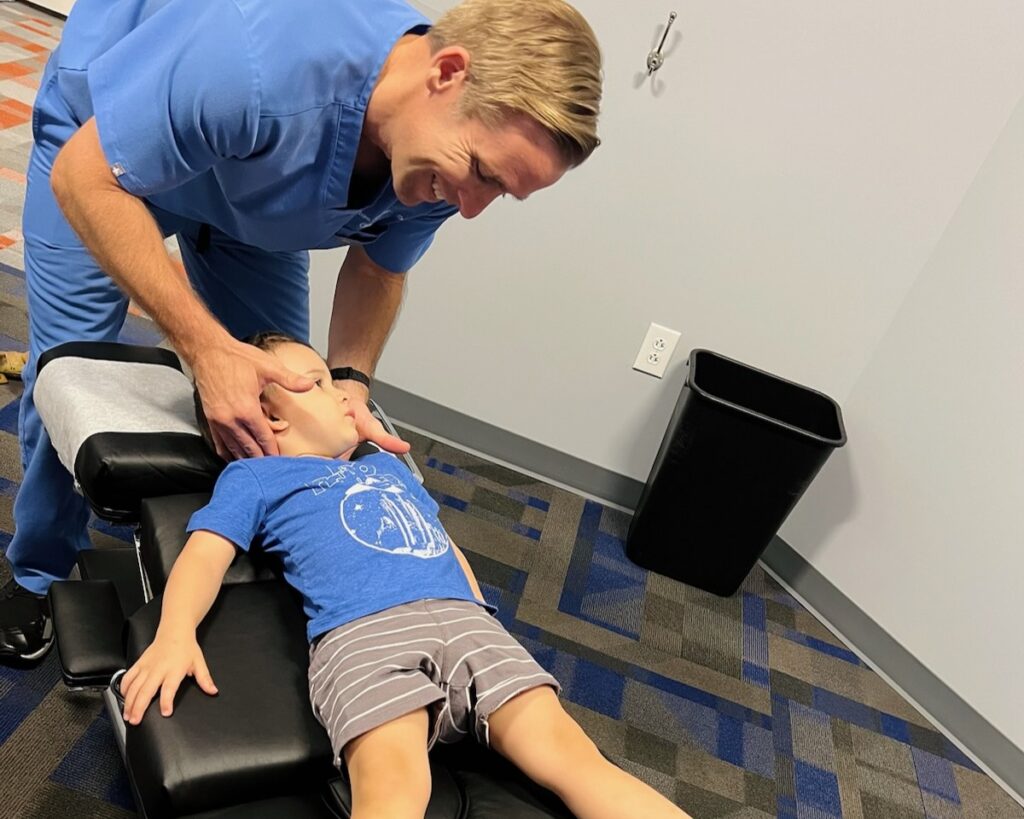
As a local chiropractor, I understand that chronic back pain can significantly impact your daily life and overall well-being. If you're experiencing this type of discomfort, it's essential to explore effective relief strategies that can help you regain control. Chiropractic care plays a pivotal role in this journey, offering a natural approach to pain management through spinal adjustments and other techniques designed to enhance your body's healing capabilities.
In addition to chiropractic adjustments, incorporating physical therapy and tailored exercise routines can strengthen your back and improve flexibility. Mindfulness practices, such as meditation and deep breathing, can also be beneficial in managing pain and reducing stress. You might be surprised at how small lifestyle changes, like improving your posture or incorporating ergonomic furniture, can alleviate discomfort.
Moreover, there are alternative therapies that can complement your chiropractic treatment. Options such as acupuncture, massage therapy, and nutritional counseling can enhance your overall health and support your journey toward pain relief. If you're new to chiropractic care, I encourage you to explore these various methods and see how they can work together to improve your quality of life. Let's discuss your options and create a personalized plan that addresses your specific needs.
Understanding Chronic Back Pain
As a local chiropractor, I want to take a moment to talk to you about chronic back pain, a common issue that many of my patients face. Chronic back pain isn't just a temporary discomfort; it can persist for months or even years, significantly impacting your daily life. Understanding what chronic back pain is and how it operates is the first step toward finding effective, natural relief.
There are many reasons you might be experiencing chronic back pain, including injuries, poor posture, or underlying health conditions like arthritis. Unlike acute pain, which usually indicates a specific injury, chronic pain can be much more complex, often arising from a combination of physical, emotional, and environmental factors.
It's important to recognize that chronic back pain doesn't only affect your physical health—it can also take a toll on your mental well-being. Many individuals dealing with this condition report feelings of frustration, anxiety, or even depression as they struggle to manage their discomfort. This emotional aspect can create a challenging cycle that feels difficult to escape.
To effectively address chronic back pain, we must first identify its root causes. Keeping a pain journal can be an invaluable tool in this process. By noting when and where your pain occurs, you can help pinpoint patterns that may reveal underlying issues.
Additionally, understanding the mechanics of your spine and the surrounding muscles can empower you to make informed decisions about your health.
At our chiropractic practice, we focus on holistic, natural healing methods that promote long-term wellness. By learning more about your pain and the ways your body functions, you can take proactive steps toward relief and recovery.
Physical Therapy Techniques
As a local chiropractor, I want to share how chiropractic care can significantly aid in managing chronic back pain.
Many patients are often unaware of the benefits that physical therapy techniques can offer. For instance, incorporating stretching and strengthening exercises into your routine can greatly improve your flexibility and support your core stability.
Additionally, manual therapy techniques that we use in chiropractic care can effectively relieve muscle tension and enhance your overall mobility.
Let's delve into how these natural healing methods can support your journey towards recovery and a pain-free life.
Stretching and Strengthening Exercises
As a local chiropractor, I want to emphasize the significant benefits of incorporating stretching and strengthening exercises into your daily routine, especially if you're experiencing back pain.
Stretching is essential for enhancing flexibility, which can alleviate tightness in your muscles and improve your range of motion. I recommend focusing on stretches that specifically target the lower back, hamstrings, and hip flexors. For example, the cat-cow stretch and child's pose are excellent options that can gently elongate your spine and relieve tension.
Equally important are strengthening exercises. These exercises help stabilize your spine and improve your posture, which can prevent future discomfort. I suggest including activities like planks, bridges, and pelvic tilts in your workouts. These movements engage your core muscles, providing crucial support to your back.
For optimal results, aim to stretch and strengthen at least three times a week. It's essential to listen to your body—if you encounter pain, consider modifying or skipping that particular exercise.
Consistency is key, so try to integrate these exercises into your routine regularly. Over time, you'll likely experience improved flexibility and strength, leading to reduced discomfort.
If you're unsure where to start or have specific concerns, I encourage you to reach out. A consultation with a physical therapist or a chiropractor can provide personalized guidance tailored to your unique needs and help you on your journey towards natural healing.
Your well-being is our priority!
Manual Therapy Approaches
As a local chiropractor, I want to share how manual therapy approaches, including techniques such as mobilization and manipulation, can significantly aid your recovery from back pain. These hands-on therapies focus on improving your mobility, alleviating pain, and fostering healing in the areas that are bothering you. With the expertise of a trained chiropractor, we can help relieve tension in your muscles and joints, making your daily activities much more manageable.
During your visit, you may experience various techniques, such as soft tissue mobilization, where I gently apply pressure to muscle knots to release tightness, or joint manipulation, which helps realign your vertebrae and restore their normal function.
These methods can enhance blood circulation, decrease inflammation, and improve your flexibility, all of which contribute to your overall health and well-being.
It's crucial to work with a qualified chiropractor who can personalize these strategies to fit your unique needs. I'll conduct a thorough assessment of your condition and collaborate with you to create a treatment plan that may include manual therapy alongside stretching and strengthening exercises.
As you continue with your care, you're likely to notice a significant reduction in pain and an enhancement in your range of motion. Remember, consistency is vital, so it's important to commit to your therapy sessions for the best outcomes.
Embrace the journey towards better health with us!
Exercise and Stretching Routines
As a local chiropractor, I want to emphasize the importance of incorporating regular exercise into your daily routine. Not only can it significantly improve your back pain, but it also enhances your overall well-being.
By engaging in effective stretching techniques, you can boost your flexibility and alleviate muscle tension, which many of my patients often struggle with.
Let's delve into how these practices can truly transform your daily life and contribute to a healthier, pain-free existence.
Benefits of Regular Exercise
As a local chiropractor, I want to emphasize how regular exercise can significantly improve your overall well-being, particularly in managing chronic back pain. Engaging in consistent physical activity is crucial as it strengthens your muscles, enhances flexibility, and helps you maintain a healthy weight—factors that are essential for supporting your spine.
When you remain active, you promote increased blood flow to your back, which aids in healing and alleviates stiffness. This is vital for anyone suffering from chronic back pain, as it can make a world of difference in your daily life.
Additionally, exercise triggers the release of endorphins, which are your body's natural painkillers. This means that regular physical activity can help lessen your perception of pain while also boosting your mood, making it easier to tackle everyday challenges.
Many of my patients have also reported improvements in their sleep quality due to regular exercise, which is crucial for recovery and overall health.
I encourage you to incorporate a variety of exercises into your routine, including aerobic activities, strength training, and low-impact options. Even simple exercises like walking or swimming can keep you active without putting too much strain on your back.
Remember, consistency is vital. By making exercise a regular part of your life, you can build a stronger, more resilient body, better equipped to handle the challenges associated with chronic back pain.
Effective Stretching Techniques
As a local chiropractor, I want to share how effective stretching can play a vital role in managing chronic back pain. Many of my patients are surprised to learn that incorporating specific stretching techniques into their daily routines can significantly enhance their flexibility, strengthen muscles, and alleviate tension.
Here are some techniques that I often recommend:
- Cat-Cow Stretch: This gentle yoga movement is excellent for flexing and extending your spine, which can help relieve built-up tension.
- Child's Pose: A restorative position that not only stretches your back but also promotes relaxation, making it a perfect addition to your routine.
- Knees-to-Chest Stretch: This straightforward stretch can alleviate tightness in the lower back and encourage proper spinal alignment.
- Seated Forward Bend: Targeting both your hamstrings and lower back, this stretch is essential for enhancing your overall flexibility.
- Standing Side Stretch: Stretching your sides can release tension along your spine and improve your overall mobility.
When you commit to practicing these stretches, you'll likely notice an increase in your flexibility and a newfound ability to manage pain naturally.
It's important to listen to your body—never push through discomfort. Consistency is crucial; I recommend aiming to stretch daily for optimal results.
With dedication to these techniques, you can reclaim your movement and significantly improve your quality of life. Remember, chiropractic care is about empowering you to take control of your health naturally!
Alternative Therapies Overview
As a local chiropractor, I want to share how exploring alternative therapies can provide significant relief for those suffering from chronic back pain. Our approach focuses on holistic healing, addressing not just the physical discomfort but also the emotional and psychological factors that often accompany chronic pain.
One effective method we use is spinal manipulation, a key component of chiropractic care. This technique involves gentle adjustments to realign your spine, which can alleviate pain and enhance your overall mobility. Many of my patients have experienced remarkable improvements in their back pain after just a few sessions.
In addition to spinal manipulation, I often recommend incorporating massage therapy into your routine. Techniques such as deep tissue or Swedish massage can effectively relieve tension in your back muscles, improve circulation, and reduce stress. These treatments not only feel good but also support your body's healing process.
Yoga and Pilates are also excellent options for strengthening and stretching the body. Both practices emphasize proper alignment and core strength, which can be incredibly beneficial for your back health. They help improve flexibility and prevent future pain, making them a great complement to chiropractic care.
Finally, it's important not to overlook the mind-body connection in managing chronic pain. Techniques like meditation and mindfulness can help you shift your focus away from discomfort and provide you with tools to cope with pain more effectively.
As your chiropractor, I'm here to guide you through these alternative therapies and help you find the best path to relief and healing. Together, we can work towards a healthier, pain-free life.
Medication Options
As a local chiropractor, I want to share valuable insights about managing chronic back pain through both natural healing methods and medication options. While many people are familiar with alternative therapies, understanding how medication can fit into your treatment plan is crucial for regaining control over your life and addressing that persistent discomfort.
There are several categories of medications that may be beneficial, each with unique advantages and potential side effects:
- Nonsteroidal anti-inflammatory drugs (NSAIDs): These medications can help reduce inflammation and alleviate pain, making them a common choice for many.
- Acetaminophen: Known for its effectiveness as a pain reliever, acetaminophen is often gentler on your stomach compared to NSAIDs.
- Muscle relaxants: If muscle spasms contribute to your discomfort, these medications might provide the relief you seek.
- Antidepressants: Interestingly, certain antidepressants can assist with chronic pain management, even if you aren't experiencing depression.
- Opioids: While these are potent pain relievers, they come with a risk of dependency and are usually recommended for short-term relief.
It's essential to have an open conversation with your healthcare provider about these options. They can help you evaluate the benefits and risks tailored to your unique circumstances.
Remember, medication isn't a one-size-fits-all approach; what alleviates pain for one individual mightn't be effective for another.
As you explore your options, pay close attention to how each medication affects your body, and communicate openly about any side effects you encounter.
With a thoughtful and informed approach, medication can complement the natural healing methods we emphasize in chiropractic care, ultimately aiding you on your journey toward relief from chronic back pain.
Lifestyle Modifications
As a local chiropractor, I want to share some valuable insights on how integrating lifestyle modifications into your daily routine can significantly aid in managing chronic back pain. One of the first steps is to focus on maintaining a healthy weight. Excess weight can place additional strain on your spine, leading to increased discomfort. By adopting a balanced diet and engaging in regular physical activity, you can alleviate some of this burden.
I recommend aiming for at least 150 minutes of moderate exercise each week—activities like walking, swimming, or cycling are excellent options.
Another crucial aspect to consider is your posture. Whether you're sitting at your desk, driving, or standing, maintaining proper alignment can help relieve pressure on your spine. I encourage you to invest in ergonomic furniture whenever possible and take breaks throughout the day to stretch.
Simple changes, such as keeping your feet flat on the ground and using a chair that provides lower back support, can make a significant difference in your comfort levels.
It's also essential to evaluate your sleep habits. A restful night's sleep is vital for recovery and relief from pain. When choosing a mattress and pillows, opt for those that support proper spinal alignment.
Establishing a regular sleep schedule, aiming for 7-9 hours each night, can further enhance your overall well-being.
Lastly, be mindful of activities that may exacerbate your pain. If specific movements or tasks trigger discomfort, consider modifying how you perform them or seek assistance.
By incorporating these lifestyle changes, not only can you better manage your chronic back pain, but you can also enhance your overall health.
Mindfulness and Relaxation
As a local chiropractor, I've seen firsthand how incorporating mindfulness and relaxation techniques into your daily routine can significantly alleviate chronic back pain.
These natural practices not only help you manage discomfort but also enhance your overall health and well-being. By focusing on the present moment, you can create a mental environment where pain becomes less prominent, enabling you to engage more fully in life.
Here are some effective mindfulness and relaxation strategies that I recommend to my patients:
- Deep Breathing: Engaging in slow, deep breaths can soothe your nervous system and help release tension in your back. This simple practice can be done anywhere and at any time.
- Meditation: Taking a few moments each day to meditate can deepen your awareness of your body and its sensations, fostering a state of relaxation that can counteract pain.
- Progressive Muscle Relaxation: This technique involves systematically tensing and then relaxing different muscle groups to help release built-up tension, which can be especially beneficial for your back.
- Yoga: Practicing gentle stretching and mindful movements through yoga can enhance your flexibility and strength while promoting relaxation.
- Guided Imagery: Visualizing serene and peaceful scenes can serve as a powerful distraction from pain and help induce a calming effect.
Incorporating these techniques into your daily life doesn't have to be overwhelming. You don't need to dedicate hours—just a few minutes each day can lead to noticeable improvements.
By making time for mindfulness and relaxation, you empower yourself to manage your chronic back pain more effectively. Embrace these moments of tranquility, and you may discover that your pain decreases, allowing you to engage more fully with your daily activities and enjoy life to the fullest.
If you have any questions or need guidance on implementing these techniques, feel free to reach out. Your journey to natural healing starts here!
When to Seek Professional Help
As a local chiropractor, I want to emphasize the importance of mindfulness and relaxation techniques in managing chronic back pain. However, there are certain situations where seeking professional help is crucial for your well-being. If you've been diligently applying self-care strategies and your pain continues to persist, it's a clear indication that it's time to consult with a healthcare provider, such as a chiropractor. Ignoring ongoing discomfort can lead to more serious complications and have a negative impact on your overall quality of life.
You should also reach out to a chiropractor if your back pain is accompanied by concerning symptoms like numbness, tingling, or weakness in your legs. These signs may indicate nerve involvement or other serious conditions that require immediate evaluation. Additionally, if your pain stems from a recent injury or accident, it's wise to have a professional assessment to rule out fractures or other underlying injuries.
If you notice that your pain intensifies at night or disrupts your sleep, don't hesitate to contact a chiropractic specialist. Sleep disturbances can be indicative of more severe issues that need to be addressed.
Furthermore, if you're experiencing significant weight loss, fever, or any bowel or bladder dysfunction along with your back pain, these are urgent signs that require prompt medical attention.
Finally, if you find that your pain is hindering your daily activities or affecting your mental health, a chiropractor can provide you with personalized strategies to help you manage your discomfort.
Conclusion
As your local chiropractor, I want to emphasize that managing chronic back pain involves a comprehensive approach that is unique to each individual. Chiropractic care, along with physical therapy, regular exercise, and mindfulness practices, can significantly enhance your quality of life.
I encourage you to explore the benefits of natural healing methods, including chiropractic adjustments, which can help align your spine and alleviate discomfort. Additionally, making necessary lifestyle changes can further support your recovery journey.
It's important to remain proactive in your care, and don't hesitate to reach out for professional guidance when needed. With the right combination of strategies, you can take charge of your pain and improve your overall well-being. Remember, you're not alone in this journey—I'm here to help you every step of the way!