When it comes to improving your sports performance, recovery is a crucial aspect that often gets overlooked. As a chiropractor, I see many athletes pushing their limits without realizing that a proper recovery plan is essential for maximizing progress. By adopting a holistic approach to your recovery, you can significantly enhance your performance and overall well-being.
Are you wondering how chiropractic care and natural healing techniques can be tailored to fit your needs? Let’s delve into the key components of recovery that can help you reach your athletic goals. From spinal alignment to muscle relaxation therapies, understanding these methods can transform your recovery journey and elevate your game.
The Importance of Recovery in Sports Performance
As a local chiropractor, I want to emphasize that while training hard is crucial for improving your skills in sports, recovery is just as vital for enhancing your performance.
Many athletes overlook the importance of recovery, which can lead to issues like burnout, fatigue, and injuries that can set you back significantly.
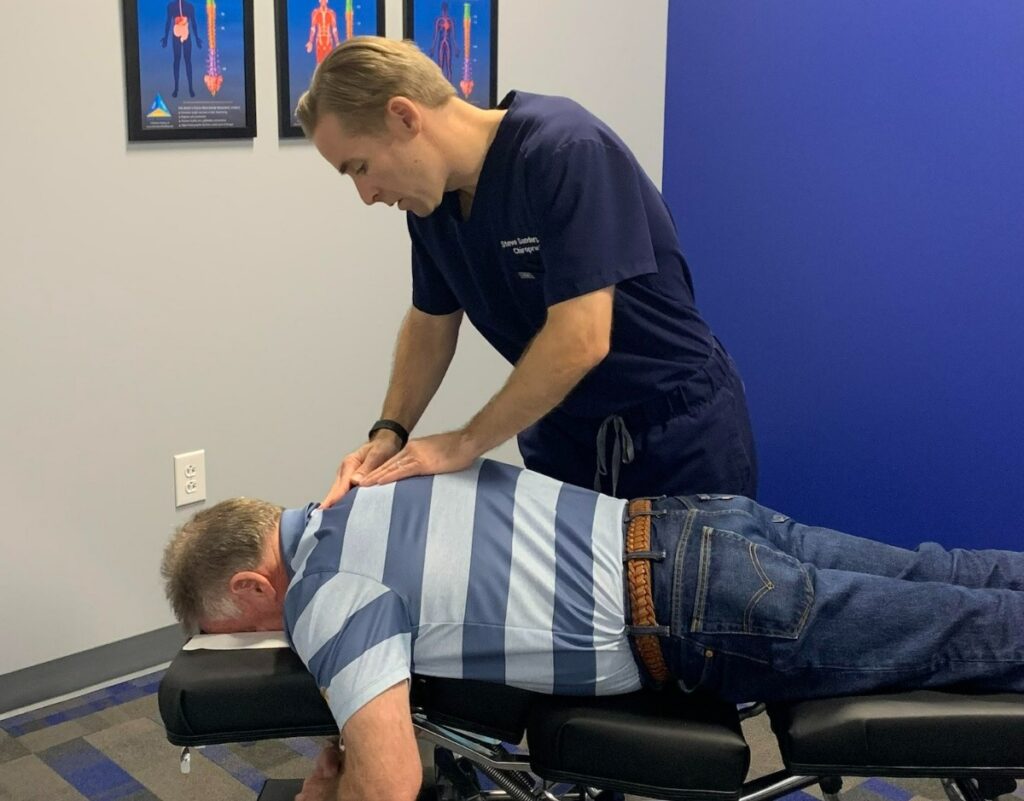
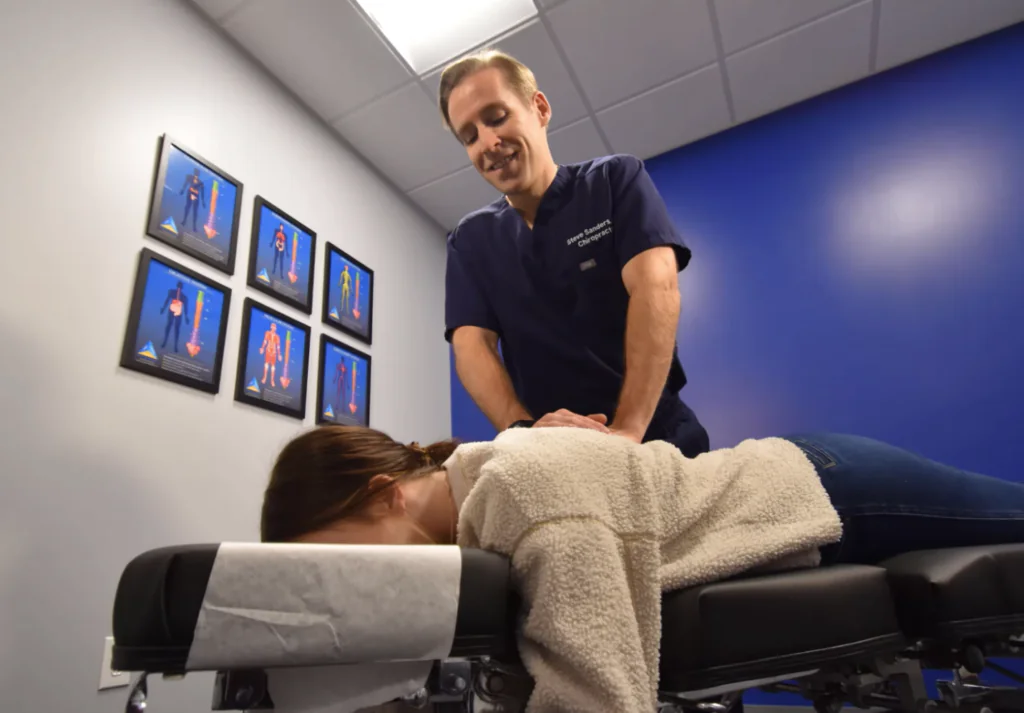
When you engage in intense physical activity, your body requires time to heal and adapt. This is where chiropractic care can play a key role.
Through gentle adjustments and natural healing techniques, we can support your body’s recovery process. Muscle repair happens, energy stores get replenished, and your overall strength can improve with proper care.
Prioritizing recovery, including regular chiropractic visits, can help you stay on track and reach your athletic goals more effectively.
Understanding Different Recovery Methods
As a local chiropractor, I want to emphasize the importance of understanding various recovery methods to enhance your overall performance and well-being. There are numerous recovery techniques you can explore, each designed to meet different needs and promote natural healing.
Active recovery, such as light jogging or gentle stretching, is excellent for keeping blood circulating and alleviating muscle stiffness. Additionally, methods like ice baths or cryotherapy can be beneficial in reducing inflammation and accelerating recovery after strenuous physical activities.
Moreover, techniques such as foam rolling and massage therapy play a crucial role in relieving muscle tension and enhancing flexibility. These approaches aren’t just about relaxation; they contribute to the body’s natural healing processes.
It’s also vital to recognize the significance of rest days. These days are essential for your body to repair itself naturally, allowing you to return stronger. You might also want to explore the use of compression garments, which can improve circulation and minimize soreness.
Ultimately, the key to effective recovery lies in discovering the right combination of methods that suit your individual needs. I encourage you to experiment with these various approaches and pay close attention to how your body responds.
Nutrition: Fueling Your Recovery
As your local chiropractor, I want to emphasize the importance of nutrition in your recovery journey.
Focusing on essential macronutrients is crucial for supporting your body’s healing process. Don’t overlook the role of hydration; staying well-hydrated is key to aiding your recovery.
Additionally, the timing of your nutrient intake can significantly influence how effectively and quickly you recover.
Essential Macronutrients for Recovery
As you embark on your journey toward sports recovery, it’s crucial to understand the vital role that macronutrients play in healing your body. As your local chiropractor, I want to emphasize how prioritizing carbohydrates, proteins, and fats can significantly enhance your recovery process and overall wellness.
First, let’s talk about carbohydrates. These are essential for replenishing glycogen stores, which are your body’s primary energy source for recovery. I recommend focusing on complex carbohydrates such as whole grains, fruits, and vegetables. These foods not only provide energy but also offer important nutrients that support the healing process.
Next, protein is key for repairing muscle tissues and encouraging growth after your physical activities. Incorporating lean meats, dairy products, legumes, and plant-based protein sources into your diet can help you rebuild and strengthen your muscles effectively.
Lastly, we can’t forget about healthy fats. These fats are vital for hormone production and maintaining overall cell function, which is important for your body’s recovery. Including sources like avocados, nuts, and olive oil in your meals can help fulfill these nutritional needs.
By balancing these macronutrients, you’ll be setting the stage for a successful recovery and paving the way for improved performance in your future athletic endeavors.
Hydration’s Crucial Role
As a local chiropractor, I want to emphasize the importance of hydration in your recovery and overall health. While nutrition is vital, staying properly hydrated is just as essential for enhancing your performance and healing process.
When you engage in physical activity, your body loses fluids through sweat. If you don’t replace those lost fluids, it can lead to various issues, such as fatigue, muscle cramps, and decreased coordination—all of which can impede your recovery.
To support your body effectively, aim to drink water consistently throughout the day, not just during your workouts. Incorporating electrolyte-rich drinks can also be beneficial, especially after intense sessions, as they help replenish vital minerals.
It’s crucial to listen to your body’s signals—thirst is a clear indicator that you need to hydrate. By making hydration a priority, you can improve nutrient transport, enhance muscle repair, and ultimately speed up your recovery process.
Don’t underestimate the significance of this aspect of your health regimen!
Timing Your Nutrient Intake
As a local chiropractor, I want to emphasize that while many people focus on the food they eat, the timing of your nutrient intake is equally important, especially for recovery.
When you consume nutrients can significantly impact how your body heals and replenishes itself. For optimal muscle repair and energy restoration, aim to nourish your body within 30 minutes after exercising. This is a crucial time when your muscles are especially receptive to absorbing nutrients. A mix of protein and carbohydrates during this window is particularly beneficial, as it helps restore glycogen levels and supports muscle synthesis.
In addition to post-workout nutrition, it’s essential to think about your meals throughout the day. Consuming balanced meals every 3 to 4 hours ensures your body has a steady supply of energy for recovery.
Don’t overlook the importance of pre-workout nutrition either; fueling your body before exercise can enhance both your performance and recovery.
By timing your nutrient intake effectively, you can support your body’s natural healing processes, maximize your recovery efforts, and ultimately feel better faster.
The Role of Sleep in Athletic Recovery
As a local chiropractor, I want to emphasize the critical role that quality sleep plays in your athletic recovery.
Your body needs sufficient restorative sleep to effectively repair itself after rigorous training sessions. The duration and quality of your rest not only influence your physical recovery but also enhance your overall performance and well-being.
By prioritizing good sleep habits, you can support your body’s natural healing processes and optimize your athletic potential.
Sleep Duration Importance
As a local chiropractor, I want to emphasize the vital role that sleep plays in your overall health and recovery, especially if you’re active or involved in sports.
Quality sleep is crucial for your body to repair itself, restore energy, and balance hormones. When you don’t get enough sleep, you may experience decreased strength, endurance, and mental clarity, all of which can negatively affect your training and performance.
I recommend aiming for 7-9 hours of quality sleep each night. This is essential not only for reducing fatigue and stress but also for enhancing your body’s resilience against injuries.
By prioritizing sleep, you’re not merely resting; you’re actively supporting your body’s natural healing processes and preparing it for your next physical challenge.
As you consider your wellness journey, remember that adequate sleep is a key component of your health. Don’t underestimate its importance in achieving your athletic goals and overall well-being!
Sleep Quality Factors
As a local chiropractor, I want to emphasize that quality sleep isn’t just about getting enough hours in; it plays a crucial role in your body’s recovery and overall health.
When you prioritize the quality of your sleep, you can enhance your physical performance and improve your well-being. Here are four important factors that can significantly influence your sleep quality:
- Sleep Environment: It’s essential to create a sleep-friendly environment. Ensure your bedroom is dark, cool, and quiet. This setting promotes deeper, more restorative sleep, which is vital for your body to heal and recover.
- Sleep Schedule: Establishing a consistent sleep schedule is key. Your body thrives on routine, so going to bed and waking up at the same time every day helps regulate your internal clock, leading to more restful nights.
- Pre-Sleep Routine: Engage in calming activities before bed to signal to your body that it’s time to wind down. Consider incorporating relaxing practices such as reading, gentle stretching, or even mindfulness exercises. These can help prepare your mind and body for a restorative night’s sleep.
- Nutrition and Hydration: Be mindful of what you consume before bedtime. Heavy meals and caffeine can disrupt your sleep. Aim for light snacks if you’re hungry and ensure you’re hydrated, but avoid drinking too much right before bed to minimize disruptions.
By addressing these factors, you can greatly improve your sleep quality, which is a foundational aspect of your health and recovery.
If you have any concerns about how your sleep might be affecting your health or performance, feel free to reach out for guidance on natural healing methods that can support you.
Active Recovery Techniques to Incorporate
As a local chiropractor, I want to share with you how incorporating active recovery techniques can significantly enhance your overall well-being and performance. Many people believe that simply resting is the best way to recover, but there’s so much more you can do to support your body.
Consider starting with light activities such as walking or cycling. These gentle movements promote blood circulation without putting strain on your muscles. Additionally, incorporating gentle stretching or yoga into your routine can improve your flexibility and help alleviate soreness. Foam rolling is also a fantastic technique to release muscle tension and enhance your mobility.
Another excellent option is swimming. It’s a low-impact exercise that takes stress off your joints while still engaging your muscles effectively. I recommend scheduling these active recovery sessions after intense workouts or on your designated rest days, aiming for about 20 to 30 minutes.
It’s essential to listen to your body during these activities. Active recovery should leave you feeling invigorated rather than exhausted. By integrating these techniques into your routine, you’ll not only accelerate your recovery process but also maintain your energy levels, keeping you ready for your next challenge.
At our chiropractic practice, we emphasize the importance of natural healing and active recovery. By educating yourself on these methods, you can take a proactive approach to your health and well-being.
Importance of Hydration for Recovery
As a local chiropractor, I want to emphasize the critical role that hydration plays in your recovery process. Many people may not realize that staying properly hydrated not only affects how you feel but also impacts your overall health and healing, particularly when it comes to muscle function and energy levels.
Here’s why making hydration a priority is essential for your recovery:
- Muscle Repair: Water is vital for transporting nutrients to your muscles. This process supports recovery and promotes muscle growth, which is particularly important after any physical activity or chiropractic adjustments.
- Joint Lubrication: Adequate hydration helps keep your joints well-lubricated. This can significantly reduce the risk of injury and enhance your mobility, making it easier for you to move freely and without pain.
- Temperature Regulation: Hydration plays a key role in maintaining your body temperature. When you’re well-hydrated, you can perform better during workouts and other activities, which is essential for overall wellness.
- Fatigue Prevention: Dehydration can lead to increased fatigue, hindering your recovery efforts. By keeping your fluid levels in check, you can recover more quickly and feel more energized throughout the day.
To support your healing process, I encourage you to develop a routine of drinking water before, during, and after your workouts or any physical activity.
Your body will respond positively, and you’ll likely notice a marked improvement in your recovery journey. Remember, hydration is a fundamental part of not just recovery but maintaining your overall health and vitality.
Mental Recovery: Strategies for a Strong Mind
As a local chiropractor, I want to emphasize the importance of mental recovery in the healing process, especially after physical exertion. Many people overlook how critical their mental state is to their overall recovery, but your mind plays a vital role in how well you heal physically.
Incorporating mindfulness techniques, such as meditation or deep breathing exercises, can significantly help in clearing your mind and reducing stress. This mental clarity not only aids in recovery but also enhances your motivation and focus for your next workout or athletic event.
It’s also essential to set realistic goals that push you without causing undue stress. Breaking these goals down into smaller, manageable steps allows you to celebrate small victories along the way, which can greatly boost your morale.
Surrounding yourself with a supportive network—whether it’s teammates, coaches, or friends—can provide encouragement and make your recovery journey much more enjoyable.
If you’re feeling overwhelmed by anxiety or mental fatigue, don’t hesitate to reach out for professional help. As a chiropractor, I believe that mental recovery is just as crucial as physical recovery.
Prioritizing your mental health can enhance not only your performance but also your resilience in sports and overall well-being. Remember, a strong mind complements a strong body, so let’s work together to achieve a balanced recovery!
Incorporating Technology in Recovery
As your local chiropractor, I want to emphasize the importance of incorporating technology into your recovery process, especially if you’re unfamiliar with chiropractic care and natural healing. Modern tools can significantly enhance your healing journey and make your recovery more efficient.
Here are four ways you can leverage technology to support your recovery:
- Wearable Devices: These handy gadgets can monitor your heart rate, sleep quality, and activity levels, giving you valuable insights into how your body is responding during recovery. Understanding these metrics can help us tailor your chiropractic adjustments and other treatments more effectively.
- Mobile Apps: There are numerous apps available that focus on mindfulness and meditation. These can be beneficial in managing stress, which is crucial for your mental clarity and overall recovery. By integrating these practices into your routine, you can complement the physical adjustments we make in the office.
- Virtual Coaching: With the rise of online resources, you can access training sessions led by professionals who specialize in recovery. This virtual guidance can provide you with personalized strategies to enhance your healing process and ensure you’re doing the right exercises at home.
- Recovery Tools: Investing in recovery gadgets, such as massage guns or electrical stimulation devices, can be a great addition to your home care routine. These tools can help relieve muscle tension and promote faster healing, working alongside the adjustments and therapies we provide in the clinic.
By incorporating these technologies into your recovery plan, you can enhance the benefits of chiropractic care and achieve a more holistic approach to healing.
Creating a Personalized Recovery Plan
As you embark on your healing journey, it’s important to create a personalized recovery plan that addresses your unique needs. Assessing your specific goals and the intensity of your activities is a great place to start. Pay attention to any discomfort or injuries you may have, as well as areas that require extra care.
Incorporating a blend of active recovery, stretching, and rest days can significantly enhance your overall well-being.
Next, let’s talk about nutrition. The foods you consume play a crucial role in your recovery process. Nourishing your body with the right nutrients can make a world of difference. And don’t forget about hydration; staying well-hydrated is essential for optimal recovery.
Tracking your progress is also beneficial. Consider keeping a journal or using an app to monitor how various recovery techniques impact your body and performance. This will allow you to make informed adjustments to your plan based on what resonates with you.
Lastly, if you have the opportunity, consulting with a chiropractor can be incredibly advantageous. We can offer personalized insights and strategies tailored to your individual situation, ensuring that your recovery plan aligns with your overall health and wellness goals.
Embrace this journey towards natural healing, and remember that support is available to guide you every step of the way.
Conclusion
As a local chiropractor, I want to emphasize the importance of recovery in your overall athletic performance and health. By focusing on recovery, you’re not only improving your immediate performance but also paving the way for long-term success in your physical activities. Consider a holistic approach that includes proper rest, balanced nutrition, sufficient sleep, and active recovery techniques—many of which can be enhanced through chiropractic care.
Chiropractic adjustments can help alleviate tension and improve your body’s alignment, which is crucial for optimal recovery. Staying hydrated is vital, and I encourage you to incorporate mental strategies to keep your mind sharp and focused. With consistent chiropractic care and the right recovery tools, you can revitalize your journey towards recovery and unleash your full athletic potential. Begin your path to better health today, and let’s work together to help you achieve your goals!