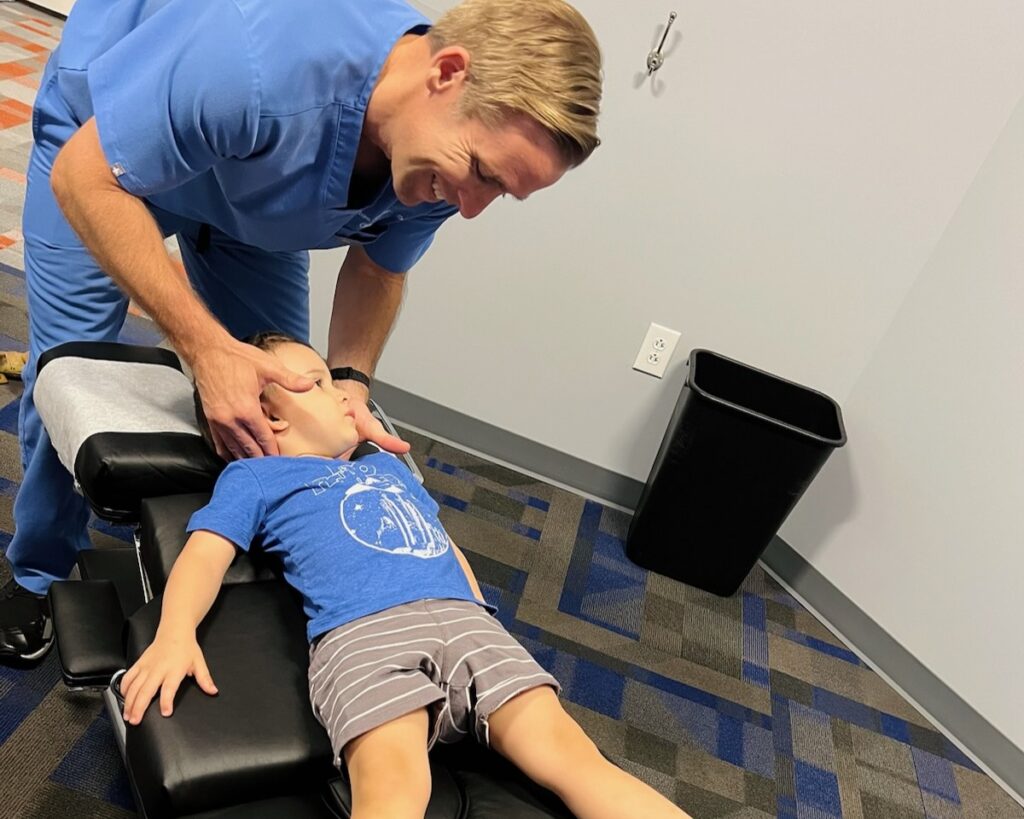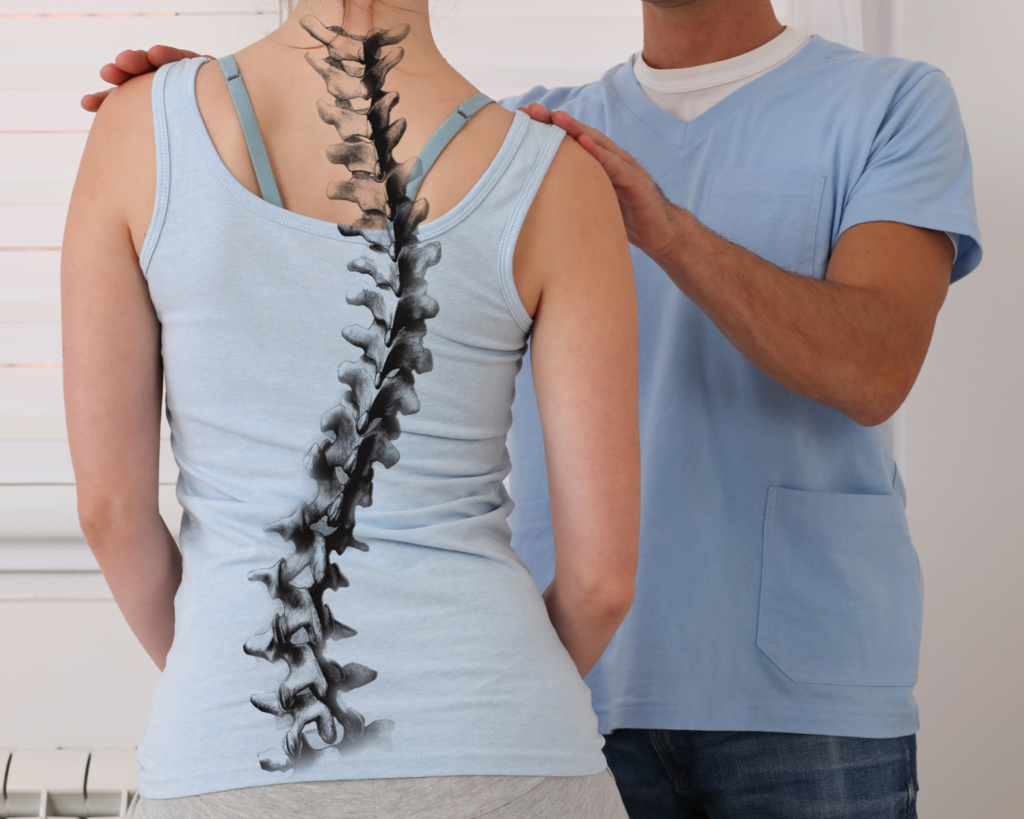
As a local chiropractor, I understand that many of you may be experiencing back pain due to poor posture, and you’re certainly not alone in this struggle. It’s a common issue, especially in our modern work environments where we often find ourselves sitting for long periods. The good news is that there are straightforward and effective strategies you can implement to enhance your posture and relieve discomfort.
First, let’s focus on your workspace setup. Ensuring that your chair, desk, and computer monitor are properly aligned can make a world of difference. Additionally, incorporating specific exercises into your daily routine can significantly improve your posture and strengthen the muscles that support your spine.
Remember, each small change you make can lead to substantial improvements in how you feel throughout the day. I encourage you to explore these practical tips, and if you have any questions or would like personalized advice, please feel free to reach out. Your journey to better posture and relief from pain starts with understanding and taking action!
Understand the Importance of Good Posture
As a local chiropractor, I want to emphasize the crucial role that good posture plays in preventing back pain and promoting overall health. It’s essential to be aware of how you sit, stand, and move throughout your daily activities. Proper alignment of your body not only reduces strain on your muscles and ligaments but also allows your nervous system to function optimally.
When you’re sitting, ensure your feet are flat on the floor, your back is straight, and your shoulders are relaxed. This position helps maintain the natural curves of your spine.
Standing tall can significantly boost your confidence and allows for even weight distribution, which minimizes unnecessary pressure on your spine.
As you walk, remember to engage your core and keep your head held high. This posture not only aids in maintaining balance and stability but also encourages proper spinal alignment.
Be mindful that slouching or leaning can lead to discomfort and pain over time. You mightn’t notice the effects immediately, but making small adjustments can yield significant improvements in your comfort and well-being.
By prioritizing good posture, you’re taking proactive steps to alleviate back pain and enhance your overall health. Pay close attention to your body’s alignment, and you’ll likely feel the positive effects in your daily life.
If you have any questions or need guidance on maintaining good posture, don’t hesitate to reach out—I’m here to help!
Set Up an Ergonomic Workspace
As a local chiropractor, I want to help you understand how important it’s to create an ergonomic workspace to alleviate back pain and promote overall wellness.
One of the first steps is to adjust your desk height and chair to ensure they provide optimal support for your body. Your monitor should also be positioned at eye level to prevent strain on your neck and spine.
These simple adjustments can significantly improve your comfort and productivity throughout the day, supporting your body’s natural healing processes and reducing discomfort.
Desk Height Adjustment
As a local Chiropractor, I want to emphasize the importance of adjusting your desk height for creating an ergonomic workspace, which is vital for preventing back pain and promoting overall well-being.
When you sit at your desk, it’s crucial that your elbows are at a 90-degree angle, allowing your forearms to rest comfortably on the desk. Ensure that your feet are flat on the floor or on a footrest, with your thighs parallel to the ground. This positioning not only supports better blood circulation but also minimizes strain on your back.
If you use a monitor, please make sure it’s positioned at eye level to prevent any unnecessary neck strain. I often recommend investing in an adjustable desk, as this allows you to easily switch between sitting and standing, which can greatly enhance your comfort and posture throughout the day.
By making these simple adjustments, you’ll create a workspace that not only supports your posture but also helps to keep discomfort at bay.
Chair Support Features
As a local chiropractor, I want to emphasize how important it’s to choose the right chair for your workspace, especially when it comes to maintaining your spinal health and overall well-being. An ergonomic chair can significantly help in supporting your back and promoting good posture.
First, look for a chair that has adjustable lumbar support. This feature is crucial because it should align with the natural curve of your lower back, which helps reduce strain and encourages proper posture.
Additionally, ensure that the seat height allows your feet to rest flat on the floor; this is vital for maintaining good circulation and preventing discomfort.
It’s also beneficial to select a chair with adjustable armrests. Proper arm support can alleviate tension in your shoulders and neck, which is essential for preventing pain and discomfort.
Moreover, consider the seat depth—ideally, there should be a couple of inches between the edge of the seat and the back of your knees, allowing you to sit back comfortably without any pressure.
Lastly, a chair with a swivel feature can make a significant difference. It enables you to reach various areas of your workspace without having to twist your body, which can lead to strain over time.
Monitor Positioning Tips
As a chiropractor, I understand the importance of proper ergonomics for your overall health, especially when it comes to your workspace.
After ensuring your chair provides the right support, it’s crucial to focus on how your monitor is positioned. Proper alignment can significantly reduce strain on your back and neck, which is vital for maintaining a healthy spine.
Here are some tips to help you create an ergonomic setup:
- Eye Level: Make sure the top of your monitor screen is at or just below eye level. This positioning helps keep your neck in a neutral position, reducing unnecessary strain.
- Distance: Your monitor should be about an arm’s length away from you. This distance not only helps to minimize eye strain but also allows you to sit comfortably while working.
- Tilt: Angle your monitor slightly backward, ideally between 10 to 20 degrees. This adjustment can help minimize glare from overhead lighting and encourages a natural downward gaze, which is easier on your neck.
By following these tips, you can create a workspace that supports your body’s natural alignment and promotes better overall health.
Take Regular Breaks and Move
As a local chiropractor, I want to emphasize the importance of taking regular breaks and moving your body to prevent and alleviate back pain.
It can be tempting to remain in one position, whether you’re working or relaxing, but staying stationary for too long can lead to increased muscle tension and discomfort.
I recommend setting a timer to remind yourself to stand up and stretch every 30 to 60 minutes. This simple practice can have a significant impact on your overall well-being by improving circulation and reducing muscle tightness.
During your breaks, consider incorporating light movements, such as walking around your workspace or performing gentle stretches.
These activities not only help keep your spine flexible but also engage your muscles, promoting better posture and alignment.
Remember, even short bursts of activity can lead to greater comfort and a healthier back.
Let’s prioritize your movement and well-being together!
Strengthen Core Muscles
As a chiropractor dedicated to promoting natural healing and overall well-being, I want to emphasize the importance of strengthening your core muscles for a healthy back and the prevention of pain. A strong core is vital as it provides support to your spine and enhances your posture, thereby reducing strain on your back.
Here are three effective exercises that I recommend incorporating into your daily routine:
- Planks: Begin in a push-up position, ensuring that your body forms a straight line from your head to your heels. Aim to hold this position for 30 seconds to a minute. As your strength improves, gradually increase the duration to further enhance your core stability.
- Bridges: Lie on your back with your knees bent and feet flat on the floor. Lift your hips toward the ceiling, engaging your glutes at the peak of the movement. Hold this position for a few seconds before gently lowering back down. I recommend repeating this for 10-15 reps to effectively strengthen your core and lower back.
- Dead Bugs: Start by lying on your back with your arms extended toward the ceiling and knees bent at a 90-degree angle. Lower your right arm and left leg simultaneously while keeping your core engaged, then return to the starting position. Alternate sides and aim for 10-15 reps to build coordination and core strength.
By consistently incorporating these exercises into your routine, you can develop a resilient core that supports your spine and helps alleviate back pain.
Practice Stretching and Flexibility Exercises
As a local chiropractor, I want to emphasize the importance of incorporating stretching and flexibility exercises into your daily routine for maintaining a healthy back and preventing discomfort.
These exercises are vital for lengthening tight muscles, improving your range of motion, and enhancing blood flow, which all contribute significantly to your overall back health.
I recommend starting with simple stretches such as the cat-cow pose, hip flexor stretches, and seated forward bends. For each stretch, aim to hold for about 15 to 30 seconds while focusing on taking deep, steady breaths.
It’s crucial to listen to your body; if you encounter any discomfort, please ease off and adjust.
To experience substantial benefits, try to stretch at least three times a week. You can also seamlessly integrate these stretches into your daily routine—perhaps during breaks at work or while watching TV.
Over time, you should notice improvements in flexibility, a reduction in tension, and less discomfort in your back.
Remember, consistency is essential. Making stretching a regular part of your routine will allow you to enjoy its long-term benefits.
If you have any questions or need guidance on the best stretches for your specific needs, feel free to reach out. Your back health is our priority!
Be Mindful of Your Daily Habits
As a local chiropractor dedicated to promoting natural healing and overall well-being, I want to emphasize that while stretching is beneficial for your back health, your daily habits play an equally important role.
Being mindful of your movements and posture throughout the day can significantly help in alleviating back pain and preventing future discomfort.
Here are three essential habits you should consider:
1. Optimize Your Workspace: It’s vital to ensure that your chair, desk, and computer screen are set up correctly. Adjusting these elements can help you maintain a proper posture and prevent slouching.
Make sure your feet are flat on the floor, as this supports your spine and reduces strain.
2. Lift with Care: Proper lifting techniques are crucial in protecting your back. When you need to lift heavy objects, always bend at your knees rather than your waist.
Keeping the object close to your body will help minimize strain and protect your spine from injury.
3. Incorporate Regular Breaks: It’s important to take breaks throughout your day. Aim to stand up, walk around, or stretch every 30 minutes.
These small actions can help relieve tension in your muscles and improve circulation, contributing to better overall back health.
By making these small adjustments to your daily routine, you can support your spine and promote a healthier lifestyle.
Conclusion
As a local chiropractor dedicated to helping you achieve optimal health, I want to share some simple yet effective strategies to alleviate posture-related back pain. By prioritizing good posture and making a few minor adjustments to your daily routine, you can significantly reduce discomfort.
First, consider the ergonomics of your workspace. Ensure that your chair, desk, and computer setup are aligned properly to support your spine. Additionally, it’s important to take regular breaks throughout the day to stretch and move around. These short pauses can help relieve tension and improve circulation.
Strengthening your core is also crucial for maintaining good posture and supporting your back. Incorporate targeted exercises that focus on your abdominal and back muscles into your routine.
Lastly, be mindful of your daily habits and movements, whether you’re lifting objects or simply standing. These small changes can lead to remarkable improvements in your posture and overall well-being.
I encourage you to start integrating these tips into your life today. Together, we can work towards a healthier, pain-free back through natural healing and chiropractic care.