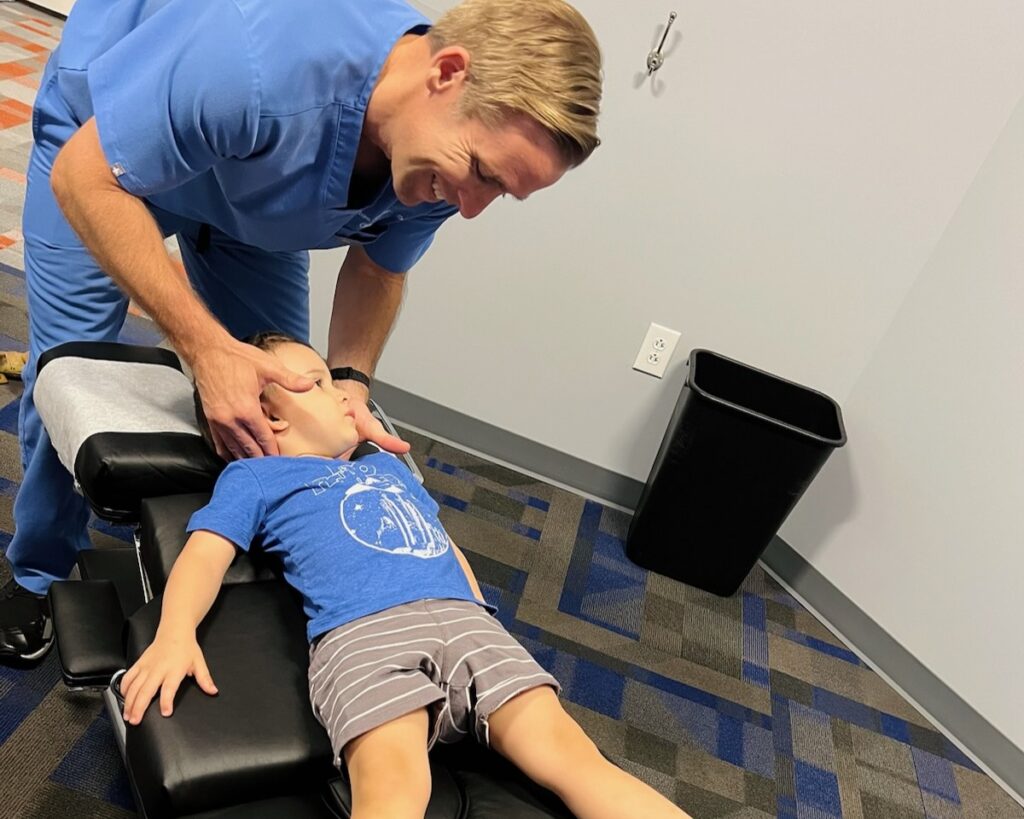
As a local chiropractor, I want to reassure you that if you’re dealing with back pain, you’re not alone. This is a common issue that many individuals face on a daily basis, but the good news is that relief is achievable within just 30 days. By integrating a few straightforward techniques into your daily routine, you can significantly enhance your comfort and overall functionality.
Chiropractic care promotes a holistic approach to healing, which includes regular stretching and the exploration of mindfulness practices. These methods are designed to not only alleviate pain but also empower you to manage your condition more effectively. Are you curious about how these natural techniques can transform your experience with back pain? Let’s dive into the first essential technique that can set you on the path to relief.
Practice Regular Stretching
As a local chiropractor, I want to emphasize the importance of regular stretching in managing back pain and enhancing your overall flexibility. Stretching is a natural and effective way to release muscle tension, improve circulation, and prevent stiffness.
I recommend starting with gentle stretches that focus on your back, hips, and legs. Simple movements, such as the cat-cow stretch and the seated forward bend, can significantly improve your comfort and mobility.
It’s beneficial to incorporate stretching into your daily routine, aiming for at least 10-15 minutes each day. Take your time with each stretch; focus on your breathing and hold each position for 15-30 seconds. Consistency is essential—over time, you’ll notice that your muscles become more flexible, leading to reduced discomfort and greater ease in your movements.
Additionally, regular stretching can help alleviate stress, which is often a contributing factor to back pain. I encourage you to find a quiet space or use a yoga mat to prioritize this practice for your overall health and well-being.
Strengthen Your Core Muscles
As a local chiropractor, I want to emphasize the importance of strengthening your core muscles for overall stability and pain management, particularly when it comes to reducing back pain.
Many patients may not realize that a strong core plays a crucial role in supporting your spine and enhancing your posture. By incorporating effective core exercises into your daily routine, you can significantly improve your well-being.
Let me share some practical tips to help you build a stronger core. These exercises not only aid in alleviating discomfort but also promote better alignment and function of your body.
Importance of Core Stability
As a local chiropractor, I want to share with you the vital role that core stability plays in relieving back pain and enhancing your overall well-being. Your core muscles are essential in supporting your spine and maintaining proper posture. When these muscles are strong, they help to evenly distribute stress across your back, which can significantly reduce the risk of injury and alleviate discomfort.
You may not be aware, but your core is constantly at work to stabilize your body, especially when you move. By focusing on improving your core stability, you’re not only protecting your back but also enhancing your balance and coordination. This improvement makes everyday activities safer and easier to perform.
Prioritizing core stability can lead to lasting benefits in your daily life. It allows you to engage in activities you enjoy without the worry of pain holding you back.
As we explore natural healing methods together, remember that strengthening your core is a key step toward better health and a more active lifestyle. Let’s work together to unlock the potential of your core and improve your quality of life.
Effective Core Exercises
As a local chiropractor, I want to emphasize the significance of core stability in maintaining overall health and well-being. Incorporating effective core exercises into your daily routine can greatly enhance your strength and significantly reduce the risk of back pain.
Let’s start with planks—this exercise engages multiple core muscles and is an excellent way to build endurance. Begin by holding a plank for 20-30 seconds, and as you gain strength, you can gradually increase the duration.
Next, I recommend bridges. This exercise focuses on your glutes and lower back, which are crucial for a strong foundation. Simply lie on your back, lift your hips off the ground, and hold for a few seconds before lowering back down.
Another beneficial exercise is the bird-dog. While balancing on all fours, extend one arm forward and the opposite leg backward. This movement not only improves your coordination but also enhances your stability.
Lastly, don’t overlook side planks; they’re excellent for strengthening your obliques, which support your spine and improve your posture.
By consistently practicing these core exercises, you’ll be building a solid foundation for your body, which can ultimately help alleviate back pain and improve your overall health.
If you have any questions or would like personalized guidance, feel free to reach out to me!
Daily Core Strengthening Tips
As a local chiropractor, I want to emphasize that strengthening your core is essential for overall health and can be seamlessly integrated into your daily routine, even if you’re not familiar with chiropractic care or natural healing practices.
Here are some simple exercises you can incorporate throughout your day to help support your spine and alleviate back pain:
- Engage Your Core While Sitting: When sitting, practice good posture by sitting up straight and gently pulling your belly button towards your spine. Try to hold this position for about 10 seconds. This small adjustment can make a significant difference in how your back feels.
- Practice Planks: Planking is a fantastic exercise for building core strength. Aim to hold a plank position for 20 to 30 seconds, ensuring that your body forms a straight line from your head to your heels. This engages multiple muscle groups and supports spinal stability.
- Do Standing Leg Lifts: Stand tall with your feet hip-width apart. Lift one leg out to the side while keeping your core engaged. This not only strengthens your core but also improves balance. Switch sides to maintain symmetry.
- Incorporate Deep Breathing: Deep breathing is essential for relaxation and core engagement. As you inhale deeply, focus on expanding your abdomen, and as you exhale, gently contract it. This practice not only strengthens your core but also promotes relaxation and reduces stress.
By incorporating these straightforward exercises into your daily life, you can effectively strengthen your core, leading to improved spinal health and a reduction in back pain over time.
Maintain Proper Posture
As a local chiropractor, I want to emphasize the importance of maintaining proper posture for your overall health, especially in preventing back pain. Many of us spend long hours sitting or standing, and if we don’t pay attention to our posture, it can lead to discomfort and long-term issues.
To start, I recommend creating an ergonomic workstation that aligns with your body’s natural posture. This means adjusting your chair, desk, and computer screen so that they support you comfortably.
It’s equally important to practice mindful sitting techniques—being conscious of how you sit can greatly improve your comfort.
When standing, be aware of your alignment; your weight should be evenly distributed between both feet. Simple adjustments in your posture can significantly enhance how you feel throughout the day.
Ergonomic Workstation Setup
As a local chiropractor dedicated to your health and well-being, I want to emphasize the importance of an ergonomic workstation setup for your comfort and productivity, especially during those long hours spent at a desk.
Proper posture is essential in preventing discomfort and promoting a healthy spine. Here are some key elements to consider:
- Chair height: It’s crucial to adjust your chair so that your feet rest flat on the floor or on a footrest. This not only supports your lower back but also helps maintain proper alignment in your spine.
- Desk height: Ensure your elbows are at a 90-degree angle when typing, with your wrists straight. This helps prevent strain on your shoulders and wrists, reducing the risk of repetitive strain injuries.
- Monitor placement: Position your monitor at eye level, about an arm’s length away. This alignment helps avoid neck strain and promotes a natural head position, which is vital for spinal health.
- Keyboard and mouse: Keep these tools close enough that you don’t have to reach for them. Keeping your arms relaxed while you work will help reduce tension in your shoulders and neck.
By implementing these simple adjustments, you can support your spine, minimize strain, and enhance your overall well-being while you work.
Mindful Sitting Techniques
As a local chiropractor, I want to share some mindful sitting techniques that can significantly improve your posture and help alleviate back pain.
To start, ensure your feet are flat on the floor and your knees form a right angle. It’s crucial to keep your back straight and shoulders relaxed, so you avoid slouching. Choose a chair that provides adequate support for your lower back, or consider adding a cushion for extra comfort.
While sitting, it’s important to engage your core muscles. This will assist in maintaining stability and proper alignment. I recommend taking breaks every hour to stand, stretch, and walk around; this practice helps prevent stiffness and promotes better circulation.
In addition to these physical adjustments, practicing deep breathing can be an effective way to relieve tension in your back and shoulders while seated.
Lastly, I encourage you to stay mindful of your posture throughout the day, making adjustments as necessary. By incorporating these techniques into your daily routine, you can foster better alignment and reduce discomfort, paving the way for improved overall well-being.
Standing Posture Awareness
As a local chiropractor, I want to emphasize that good posture is essential not only when you’re sitting but also when you’re standing. Maintaining proper standing posture can significantly reduce back pain and enhance your overall well-being.
Here are some important tips to help you stand correctly:
- Align your ears over your shoulders. This alignment is crucial for maintaining the natural curve of your spine, which can help prevent discomfort and injury.
- Keep your shoulders relaxed and pulled back. This posture reduces unnecessary tension in your upper body and promotes better movement and circulation.
- Distribute your weight evenly between both feet. By balancing your weight, you can avoid putting excess strain on one side of your body, which can lead to pain and discomfort over time.
- Engage your core muscles. A strong core is vital for supporting your spine and improving your stability, which is fundamental for maintaining good posture throughout your daily activities.
By incorporating these tips into your daily routine, you can improve your posture and contribute to your overall health.
Incorporate Heat and Cold Therapy
As a local chiropractor, I want to share some valuable insights on managing back pain through natural methods, particularly heat and cold therapy. Many of my patients find great relief from their discomfort by incorporating these simple techniques into their routine.
Heat therapy is a fantastic way to relax tight muscles and increase blood flow to the affected areas. You might consider using a heating pad, a hot water bottle, or even a warm towel. I recommend applying heat for about 15-20 minutes at a time. Just be sure it’s warm enough to provide comfort but not so hot that it could cause burns.
Conversely, cold therapy is equally important, especially for numbing sharp pain and reducing inflammation. Ice packs or cold compresses can be incredibly effective for this purpose. I suggest wrapping ice in a cloth and applying it to the painful area for 15-20 minutes.
To maximize your relief, try alternating between heat and cold therapy throughout the day. This combination can help address different aspects of your pain, providing a more comprehensive approach to your recovery.
It’s crucial to listen to your body; if one method seems to bring you more comfort, feel free to use it more often. Both heat and cold therapy are simple, effective, and cost-efficient ways to manage back pain, and they align perfectly with the principles of natural healing that we embrace in chiropractic care.
Explore Mindfulness and Relaxation Techniques
As a local chiropractor dedicated to helping you achieve optimal health, I want to share some valuable insights on how mindfulness and relaxation techniques can complement your recovery, especially after utilizing heat and cold therapy for back pain management.
These practices not only aid in reducing stress and tension but also foster a profound sense of well-being that supports your overall healing journey. Here are some techniques that I highly recommend:
- Deep Breathing: One of the simplest yet most effective methods is to focus on your breath. Inhale deeply through your nose, allowing your abdomen to expand, and then exhale slowly through your mouth. This practice calms the mind and alleviates physical tension, making you more receptive to healing.
- Meditation: Taking just a few minutes each day to sit quietly and observe your thoughts can be transformative. Meditation helps cultivate mental clarity and emotional balance, which are crucial for your recovery process.
- Progressive Muscle Relaxation: This technique involves tensing and then relaxing various muscle groups in your body, starting from your toes and moving up to your head. By doing this, you can effectively release built-up physical tension and promote relaxation.
- Guided Imagery: Picture a serene location or a space where you feel completely at ease. Engaging in guided imagery can transport your mind away from pain and discomfort, offering a respite that enhances your healing experience.
By integrating these mindfulness and relaxation techniques into your daily routine, you can significantly improve your recovery and overall well-being.
As your chiropractor, I’m here to support you on this journey to natural healing and wellness.
Invest in Supportive Sleep Accessories
As a local chiropractor, I want to emphasize the importance of investing in supportive sleep accessories to enhance your quality of rest, especially if you’re dealing with back pain.
A good mattress is crucial for your recovery; it should strike the right balance between support and comfort. If you find your mattress is old or sagging, it may be time to consider an upgrade.
Pillows are another vital element in maintaining proper spinal alignment while you sleep. I often recommend contour pillows that cradle your neck and head or a body pillow to help keep your spine aligned throughout the night.
Supportive mattress toppers can also be beneficial, adding an extra layer of comfort and support to your existing mattress.
Moreover, it’s important to be mindful of your sleep position. If you tend to sleep on your side, placing a pillow between your knees can significantly relieve pressure on your lower back.
By investing in these accessories, you can create a sleep environment that not only promotes healing but also alleviates pain, ultimately aiding in your recovery process.
Consult a Professional for Personalized Guidance
As a local chiropractor, I want to emphasize how crucial it’s to consult a professional when you’re dealing with back pain. Many people are unaware of how chiropractic care can provide effective relief and support your journey to better health.
Our goal is to offer expert guidance specifically tailored to your unique needs, helping you understand and address the root cause of your pain.
Here are some key benefits of seeking chiropractic care:
- Accurate Diagnosis: We conduct thorough assessments to pinpoint the exact source of your discomfort.
- Customized Treatment Plans: You’ll receive a personalized approach, including targeted adjustments and exercises that cater to your individual condition.
- Education on Body Mechanics: We teach you proper movement techniques to help prevent future injuries and enhance your overall well-being.
- Progress Monitoring: Regular follow-up appointments allow us to track your recovery and make any necessary adjustments to your treatment plan.
Don’t hesitate to reach out for assistance. Taking this step towards chiropractic care can lead to quicker relief and a significantly improved quality of life.
Your back—and your overall health—deserves the best care possible!
Conclusion
As a local chiropractor dedicated to your well-being, I want to share seven effective techniques that can help alleviate your back pain within just 30 days. By incorporating these methods into your daily routine, you’ll be taking significant steps towards better back health.
First, consider incorporating regular stretching and core strengthening exercises. These practices can enhance your stability and flexibility, essential components of a healthy spine. It’s also crucial to maintain proper posture throughout your day; this simple adjustment can make a big difference in how your back feels.
In addition to these physical practices, don’t overlook the benefits of heat and cold therapy. Alternating between these can reduce inflammation and soothe muscle tension. Practicing mindfulness and relaxation techniques can also play a vital role in managing pain and stress.
Investing in supportive sleep accessories, such as a quality mattress and ergonomic pillows, can further contribute to your comfort and recovery. Lastly, I encourage you to consult with a professional like myself. Personalized guidance can help tailor these techniques to your specific needs, ensuring you get the most effective care possible.
Take charge of your back health today, and let’s work together to find relief!