As a local chiropractor, I want to reassure you that if you're experiencing lower back pain, you're not alone, and there are effective, natural treatments available to help you find relief. Many people are unaware of the benefits of chiropractic care, but it can be a game-changer in alleviating discomfort.
In addition to chiropractic adjustments, we also incorporate techniques like hot and cold therapy, which can soothe inflammation and promote healing. Physical therapy is another excellent option that complements chiropractic care, helping to strengthen your back muscles and improve flexibility.
You might also be surprised to learn that alternative therapies, such as acupuncture and herbal remedies, can significantly aid in your recovery process. These holistic approaches work well with chiropractic adjustments to provide comprehensive relief.
Are you curious about how these treatments can work together to support your healing journey? Let's dive into the top 10 treatments that can help you lead a more comfortable and pain-free life. Together, we can find the right combination of therapies tailored to your needs.
Hot and Cold Therapy
As a local chiropractor, I want to share with you an effective method for managing lower back pain that you can easily incorporate into your daily routine: hot and cold therapy. This approach not only helps alleviate discomfort but also promotes healing in a natural way. Understanding how heat and cold work can empower you to take control of your pain relief strategy.
When you apply heat to the affected area, it serves to relax tight muscles and enhance blood circulation. This increased blood flow can help ease stiffness and facilitate the healing process. You can use a heating pad, a warm towel, or even a hot water bottle—just remember to ensure it's not too hot to avoid burns. Applying heat for about 15 to 20 minutes can provide you with significant relief.
Conversely, cold therapy is particularly beneficial for reducing inflammation and numbing sharp pain. Ice packs or cold compresses achieve this by constricting blood vessels, which in turn decreases swelling and slows down nerve transmissions. This method is especially effective within the first 48 hours after you experience lower back pain. Be sure to wrap the cold pack in a cloth to protect your skin and apply it for 15 to 20 minutes at a time.
You can also alternate between hot and cold therapy based on your personal comfort. This combination can enhance pain relief and support your recovery process. I encourage you to listen to your body—if one method feels more effective, prioritize that approach.
Physical Therapy
As a local chiropractor, I want to share how our practice can effectively help reduce lower back pain through natural healing methods.
Chiropractic care focuses on your body's alignment and overall wellness, offering personalized solutions that incorporate targeted exercises and manual therapy techniques.
During your visits, we'll work together to strengthen your core and enhance your flexibility, which can greatly alleviate discomfort in your lower back.
By addressing the root causes of your pain, our approach not only aids in your recovery but also promotes long-term health and well-being.
Embracing chiropractic care can truly make a significant difference in your journey to feeling better!
Targeted Exercise Programs
As a local chiropractor, I want to share with you the importance of targeted exercise programs in managing and alleviating lower back pain. Unlike conventional treatments, chiropractic care emphasizes a holistic approach to healing, focusing on strengthening the muscles that support your spine, enhancing flexibility, and improving your overall mobility.
When you engage in a personalized exercise regimen, you not only address the pain at hand but also work proactively to prevent future issues.
During your first visit, I'll conduct a thorough assessment of your specific condition. Based on my findings, I'll develop a customized exercise program tailored to your individual needs. This may include exercises designed to strengthen your core, improve your posture, and boost your stability.
By regularly practicing these targeted movements, you can significantly improve your muscle endurance and reduce the strain on your lower back.
Consistency is crucial in this process. I encourage you to commit to your exercise routine, as it can lead to substantial long-term benefits. Even simple activities—such as stretching, walking, or specific strengthening exercises—can greatly impact your pain levels and enhance your overall function.
If you ever feel discomfort while exercising, please don't hesitate to reach out to me. I'm here to provide guidance and ensure that you stay safe while making the most of your targeted exercise program.
Manual Therapy Techniques
As a local chiropractor, I want to share how manual therapy techniques can be a game-changer in alleviating lower back pain and enhancing your mobility.
These hands-on approaches, which I practice in my clinic, focus on carefully manipulating your muscles and joints to improve function and reduce discomfort.
During a session, I may use methods such as joint mobilization, soft tissue massage, or myofascial release.
Each of these techniques is designed to target areas of tension and stiffness that may be contributing to your pain.
You'll likely notice that these treatments increase blood flow to the affected areas, promoting healing and easing your discomfort.
By addressing the root causes of your lower back pain, we can also work on improving your overall posture and alignment.
This is especially important if your pain is linked to daily habits or activities that put unnecessary strain on your spine.
I also encourage my patients to incorporate stretches and strengthening exercises into their routines.
This combination of manual therapy and targeted exercises can lead to long-lasting relief and improved function.
If you're experiencing lower back pain, I invite you to come in for a consultation.
Together, we can explore effective techniques tailored to your specific needs and help you on your journey to natural healing.
Chiropractic Adjustments
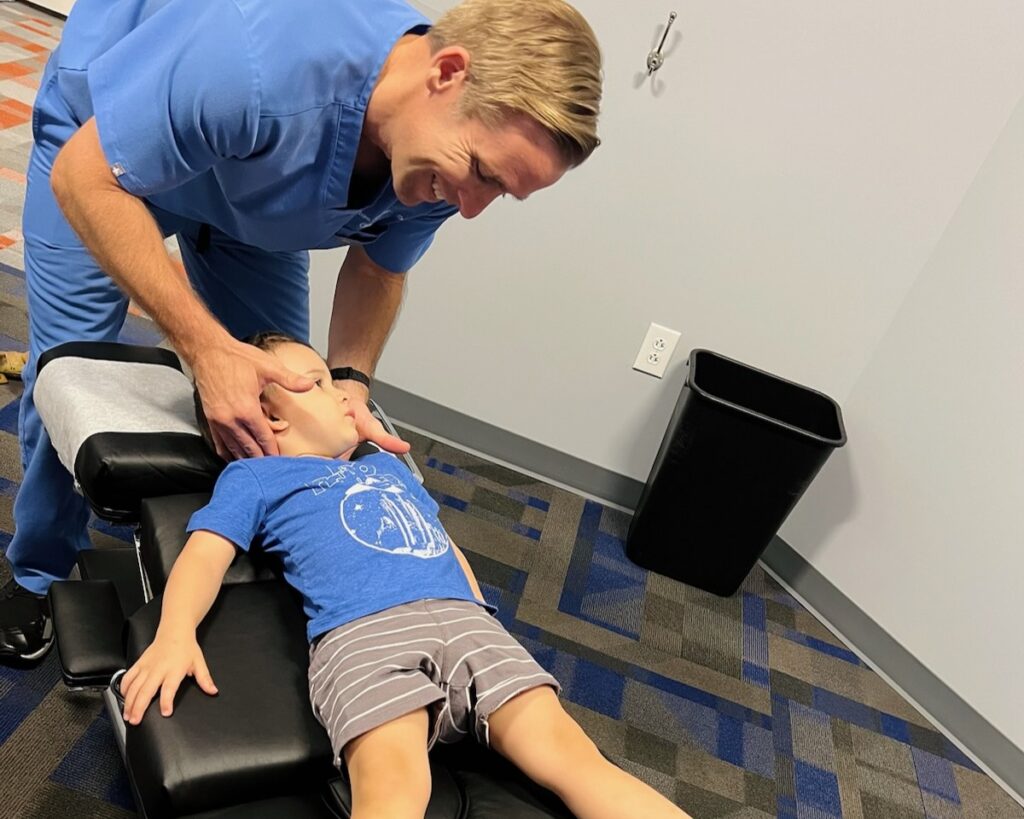
As a local chiropractor dedicated to your health and well-being, I want to share how chiropractic adjustments can provide significant relief for your lower back pain.
By realigning your spine, we can improve your mobility and enhance your overall quality of life.
In my practice, I utilize a variety of techniques that are specifically tailored to meet your individual needs.
These adjustments are designed to reduce discomfort and help your body function at its best.
Chiropractic care is a natural healing approach that focuses on the body's inherent ability to heal itself.
I encourage you to explore the benefits of this holistic treatment and discover how it can help you regain your vitality and get back on track.
If you have any questions or would like to learn more about how we can work together for your health, please feel free to reach out.
Benefits of Chiropractic Care
As a local chiropractor, I want to take a moment to share the incredible benefits of chiropractic care, especially for those of you dealing with lower back pain. Many people overlook this natural healing approach, but it can make a significant difference in your overall well-being.
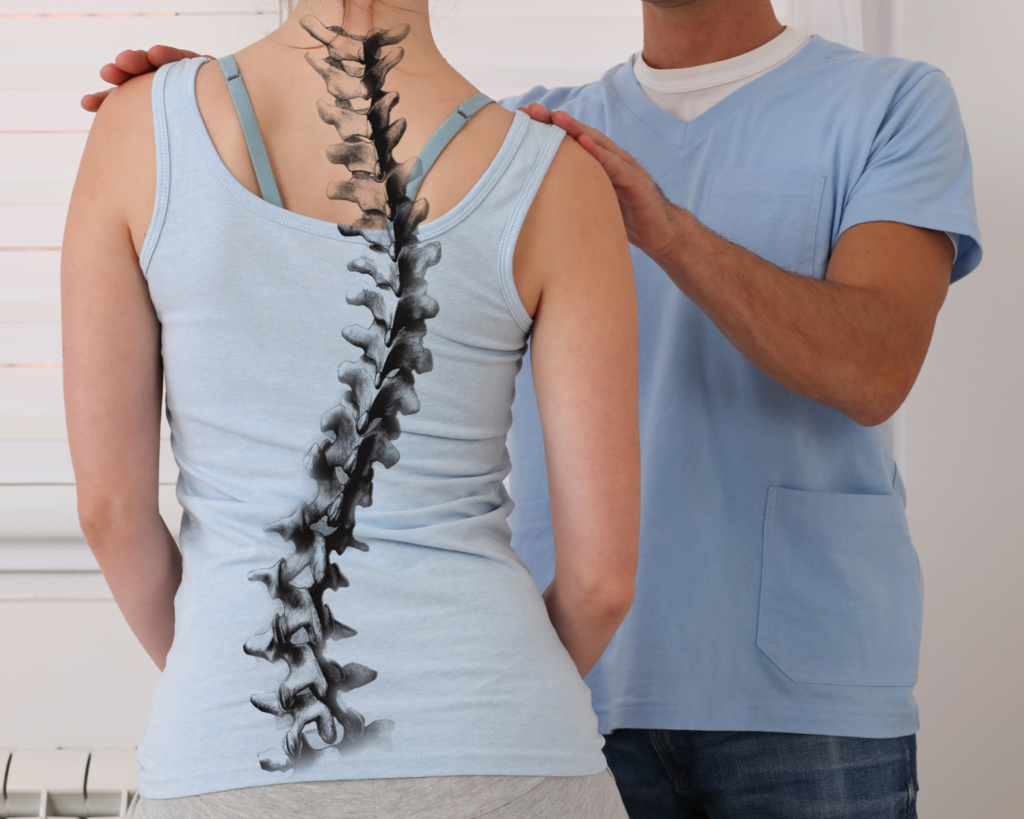
When you come to my office, I'll conduct a thorough assessment of your spine and related structures. My goal is to restore proper alignment and function, which can alleviate tension in your muscles and joints. This realignment is often the key to reducing pain and enhancing your mobility.
Chiropractic adjustments go beyond just relieving pain; they also promote overall wellness. By making regular visits to our clinic, you can improve your posture, which is essential in preventing future discomfort. You may notice that your range of motion improves, allowing you to participate in daily activities with much greater ease.
One of the standout aspects of chiropractic care is our holistic approach. I believe in empowering my patients with lifestyle advice, including tailored exercises and stretches that support your recovery and strengthen your back. This proactive strategy enables you to take charge of your health and wellness.
Another important point to consider is that chiropractic care is a non-invasive treatment option. You won't need to rely on medications that often come with unwanted side effects. Instead, my focus is on providing you with natural relief through targeted adjustments.
By incorporating chiropractic care into your pain management plan, you can experience not just immediate relief but also long-lasting benefits for your back health.
If you're curious about how chiropractic care can help you, I invite you to reach out and learn more. Together, we can work towards a healthier, pain-free future.
Techniques Used by Chiropractors
As your local chiropractor, I want to take a moment to educate you about the various techniques we use to alleviate lower back pain and improve your overall mobility. One of the primary methods we employ is chiropractic adjustments. This involves applying controlled force to specific joints in your spine, which helps to realign them and relieve pressure on the surrounding nerves, ultimately leading to a reduction in pain.
In addition to adjustments, I often incorporate several other techniques to enhance your treatment outcomes. Here are some approaches you may experience during your visits:
- Soft Tissue Therapy: This method targets the muscles around your spine. By relieving tension in these areas, we can significantly reduce pain and discomfort that might be affecting your daily activities.
- Exercise Recommendations: I frequently suggest specific exercises tailored to strengthen your back and core muscles. This not only helps support your spine but also promotes long-term health and resilience against future pain.
- Posture Education: Your posture plays a crucial role in your back health. I'll provide you with valuable insights on how to maintain proper alignment during your daily routines, which can greatly improve your overall well-being.
Acupuncture
As a local chiropractor, I want to introduce you to the benefits of acupuncture as a complementary approach to alleviate lower back pain. If you've found that traditional methods haven't delivered the relief you desire, acupuncture could be a valuable option to consider. This ancient practice involves the insertion of thin needles into specific points on the body, which aims to rebalance your body's energy and promote healing.
Many of my patients who've tried acupuncture report notable reductions in pain and enhanced mobility. It's an avenue worth exploring, especially if you're seeking a holistic solution.
During an acupuncture session, a licensed acupuncturist will evaluate your condition and focus on areas related to your lower back pain. While you may experience a slight pinch during needle insertion, most people find the process quite relaxing. It's also common to feel warmth or heaviness in the treated area, which can indicate that the therapy is effective.
Research supports that acupuncture can help reduce inflammation and improve blood circulation, which are essential for your body's natural healing processes. Additionally, this practice may stimulate the release of endorphins, which are your body's natural pain relievers, helping to lessen your reliance on pain medications.
You don't need to commit to a long-term treatment plan immediately. Many practitioners suggest a series of sessions for optimal results. While some individuals notice improvements after just a few treatments, experiences can vary from person to person.
If you're exploring alternative therapies for lower back pain, acupuncture could be the solution you've been looking for. I encourage you to consider scheduling a consultation with a qualified acupuncturist to discuss your specific needs and discover how this natural approach can help you on your journey to a pain-free life.
Massage Therapy
As a local chiropractor, I want to share how massage therapy can serve as an effective complement to your chiropractic care, especially when it comes to relieving lower back pain.
There are various techniques within massage therapy that focus on alleviating muscle tension and promoting relaxation, which can significantly enhance your overall comfort.
By incorporating massage therapy into your recovery plan, you may experience a more holistic approach to healing.
Let's delve into how these benefits can support your journey to better health and well-being.
Benefits of Massage Therapy
As a local chiropractor, I often see patients who are struggling with lower back pain. I want to share how massage therapy can be a valuable addition to your treatment plan, enhancing your overall quality of life.
It's more than just a luxury; it can be a powerful tool for pain relief and healing. By focusing on tight muscles and boosting circulation, massage therapy can help you feel more comfortable and mobile.
Here are some benefits you may experience with massage therapy:
- Reduced Muscle Tension: By relaxing tense muscles, massage therapy alleviates pressure on your spine and surrounding tissues, which is crucial for those suffering from back pain.
- Improved Flexibility: Regular massage sessions can enhance your range of motion, allowing you to engage in daily activities with greater ease and less discomfort.
- Enhanced Mood: The calming effects of massage can help lower stress and anxiety levels, leading to a more positive outlook on life.
Integrating massage therapy into your wellness routine can significantly impact your recovery and daily functioning.
Whether you prefer a deep tissue massage or a gentler approach, the relief it offers can help you regain control over your life. Not only does it address your pain, but it also contributes to your overall well-being.
If you're curious about how massage can complement your chiropractic care, I encourage you to explore this option with me. Let's work together to improve your health and quality of life!
Techniques for Back Pain
As a local chiropractor, I'm here to help you understand how various natural healing techniques can effectively target and alleviate back pain. One of the most commonly used methods is massage therapy, which can be tailored to address specific issues you may be experiencing.
For example, deep tissue massage is excellent for realigning deeper layers of muscle and connective tissue, making it a great option for those suffering from chronic pain and tension. If you find yourself dealing with muscle knots, trigger point therapy can be particularly beneficial. This technique focuses on pinpointing and alleviating those tight areas, often providing immediate relief.
Another approach to consider is Swedish massage. This technique employs long, flowing strokes that promote relaxation and improve circulation, which can be especially helpful if stress is a contributing factor to your back pain.
Additionally, myofascial release is a technique that targets the fascia surrounding your muscles, helping to ease tightness and restore movement.
If you're seeking something more dynamic, shiatsu or sports massage might be worth exploring. These methods incorporate stretching and pressure techniques designed to enhance your range of motion and flexibility.
The beauty of these therapies is that they can be customized to your individual needs, allowing your therapist to focus on the specific areas causing you discomfort.
It's important to communicate openly with your massage therapist about your pain levels and preferences. By doing so, you can ensure that you receive the most effective treatment tailored just for you, ultimately helping to alleviate that nagging back pain.
Over-the-Counter Medications
As a local chiropractor, I often see patients suffering from lower back pain who are looking for effective relief. One of the first steps many people take is turning to over-the-counter medications. While these can offer quick relief from discomfort and inflammation, it's important to understand how they fit into a broader approach to healing.
Over-the-counter options are widely available and can help alleviate symptoms, but they should ideally complement a holistic treatment plan. Here are some common types of over-the-counter medications that you may consider for managing lower back pain:
- Nonsteroidal anti-inflammatory drugs (NSAIDs): Medications like ibuprofen or naproxen can be effective in reducing both pain and swelling, which may help you move more freely. However, relying solely on these medications may not address the underlying issues contributing to your pain.
- Acetaminophen: This pain reliever can be helpful, but it's worth noting that it doesn't tackle inflammation as effectively as NSAIDs do.
- Topical analgesics: Creams or patches containing ingredients such as menthol or capsaicin can provide localized relief when applied directly to the skin.
While over-the-counter medications can be useful in the short term, I encourage my patients to consider consulting with a healthcare professional, like myself, especially if they've existing health conditions or are taking other medications.
It's crucial to follow the recommended dosage instructions and be aware of potential side effects.
Remember, over-the-counter medications should be just one element of your overall treatment strategy. In chiropractic care, we focus on addressing the root causes of your pain through natural healing techniques.
Combining medication with chiropractic adjustments, exercises, and lifestyle changes can enhance your recovery and help you regain mobility more effectively. Let's work together to find the best approach for your individual needs!
Prescription Medications
As a local chiropractor, I want to share some insights into managing lower back pain, particularly for those who may not be familiar with chiropractic care and the benefits of natural healing. While it's true that over-the-counter medications can offer temporary relief, there are times when lower back pain may require a more comprehensive approach that goes beyond just masking the symptoms.
Chiropractic care focuses on addressing the root causes of pain, which often involves the musculoskeletal system, rather than solely relying on prescription medications. When pain becomes debilitating or doesn't improve with standard treatments, it's essential to explore all available options, including chiropractic adjustments, which can help restore proper alignment and function to your spine.
For inflammation and muscle spasms, we utilize various techniques, including manual adjustments, soft tissue therapies, and therapeutic exercises. These approaches can effectively reduce inflammation and ease muscle tension without the need for stronger medications.
In cases where pain is severe, while some might consider opioids or other prescription medications, we encourage looking into holistic methods first. Our practice emphasizes the importance of natural healing modalities, which can include nutritional counseling, lifestyle changes, and physical rehabilitation to enhance your recovery.
It's crucial to understand that any treatment, including chiropractic care, should be discussed with a healthcare provider, especially if you're considering integrating it with other forms of treatment. We prioritize your well-being and work collaboratively with your healthcare team to ensure a comprehensive and safe approach to managing your pain.
Regular visits to our chiropractic office can't only help alleviate your symptoms but also promote overall wellness, enabling you to return to your daily activities with ease. By focusing on the body's natural healing abilities, we aim to provide significant relief and help you regain your quality of life.
Exercise and Stretching
As a local chiropractor, I want to emphasize the significant benefits that regular exercise and stretching can have on managing lower back pain and improving your overall mobility.
A strong core and back muscles provide essential support for your spine, helping to alleviate discomfort and promote better alignment. Additionally, incorporating stretching into your routine enhances flexibility and reduces tension in the muscles surrounding your lower back.
Here are some effective exercises and stretches I recommend for you to consider:
- Pelvic Tilts: Begin by lying on your back with your knees bent. Engage your abdominal muscles and gently flatten your lower back against the floor, holding this position for a few seconds before releasing. This exercise not only strengthens your core but also stretches the lower back, promoting better spinal health.
- Cat-Cow Stretch: Position yourself on all fours. Start by arching your back upward (like a cat), then dip it downward (like a cow). Cycle between these two positions. This dynamic stretch is excellent for improving flexibility and relieving tension in the spine.
- Hamstring Stretch: Sit on the floor with one leg extended and the other leg bent. Reach towards your toes on the extended leg, holding the stretch for 20-30 seconds. This targets the hamstrings and helps alleviate strain on your lower back.
I encourage you to start slowly and pay attention to how your body feels during these exercises. Gradually increase the intensity and duration of your workouts as your strength and flexibility improve.
It's crucial to consult with a healthcare professional, such as myself, before starting any new exercise program, especially if you're already experiencing lower back pain.
Mindfulness and Relaxation
As a local chiropractor, I understand that many of you may be new to the concepts of mindfulness and relaxation techniques, and how they can significantly benefit your lower back pain and overall well-being.
In the midst of our busy lives, taking the time to connect with your body can help you identify areas of tension and stress that may be contributing to your discomfort. By practicing mindfulness, you can learn to acknowledge pain signals without allowing them to overwhelm you.
One of the simplest yet most effective techniques I recommend is deep breathing. When you focus on your breath, you activate your body's natural relaxation response.
Try this: inhale deeply through your nose, allowing your lungs to fill completely, and then exhale slowly through your mouth. If you repeat this several times, you might find a noticeable reduction in tension and pain in your back.
Another approach worth incorporating into your daily routine is mindfulness meditation. Just a few minutes each day spent sitting quietly, closing your eyes, and observing your thoughts without judgment can be incredibly beneficial.
This practice can help clear your mind and reduce stress, which often plays a significant role in exacerbating back pain.
I also encourage you to try progressive muscle relaxation. This technique involves tensing and then relaxing different muscle groups in your body, starting from your feet and working your way up to your head.
Not only does this exercise promote relaxation, but it also enhances your awareness of bodily sensations, allowing you to pinpoint where you may be holding stress.
These practices, combined with chiropractic care, can create a holistic approach to managing and alleviating your back pain.
Together, we can work towards a healthier, more balanced life.
Alternative Therapies
As a local chiropractor, I want to share some valuable insights into alternative therapies that can provide effective relief for lower back pain. These approaches not only accompany traditional treatments but also focus on holistic healing, addressing both the physical and emotional aspects of pain. By integrating these methods into your daily routine, you may experience significant improvements in your comfort and mobility.
One of the most beneficial therapies I recommend is acupuncture. This ancient practice involves the careful insertion of thin needles into specific points on your body. Many of my patients have reported noticeable reductions in back pain after just a few sessions, as this technique promotes healing and pain relief.
Chiropractic care itself is another highly effective option for managing lower back pain. In our clinic, we utilize hands-on spinal manipulation to realign the vertebrae. This process alleviates pressure on the nerves and enhances overall function. Regular chiropractic adjustments can help maintain your spinal health and reduce the likelihood of future pain episodes.
Additionally, herbal remedies can play a supportive role in pain management. Certain herbs, such as turmeric and ginger, possess anti-inflammatory properties that can help ease discomfort. You can incorporate these into your diet or consider them in supplement form. However, I always encourage my patients to consult with a healthcare provider before starting any new regimen.
To summarize, here are some alternative therapies I encourage you to consider for lower back pain relief:
- Acupuncture: A method that targets pain relief through needle insertion at specific points on the body.
- Chiropractic care: Focuses on spinal manipulation and alignment to enhance function and alleviate pain.
- Herbal remedies: Uses anti-inflammatory herbs for natural relief from discomfort.
Exploring these alternative therapies could lead you to a more comfortable and pain-free life. If you have any questions or would like to learn more about how chiropractic care can benefit you, don't hesitate to reach out!
Conclusion
As a local chiropractor, I want to emphasize how essential it is to find the right treatment for lower back pain, as it can profoundly impact your daily life. Many people are unaware of the natural healing methods available, such as chiropractic care, which can provide significant relief.
Hot and cold therapy, physical therapy, and acupuncture are all effective options, but chiropractic adjustments can address the root cause of your pain and help restore proper alignment in your spine. Additionally, incorporating specific exercises, mindfulness practices, and positive lifestyle changes can further support your recovery and overall health.
By exploring these top treatments, including chiropractic care, you can take proactive steps toward alleviating your pain and improving your well-being. Remember, you are not alone in this journey, and I'm here to guide you every step of the way!