If you’re experiencing tension headaches, you’re likely all too familiar with how they can disrupt your daily life. The key to finding relief lies in understanding your triggers and symptoms. While it’s important to make some simple lifestyle adjustments, there are also effective treatments and techniques that can help alleviate the pain.
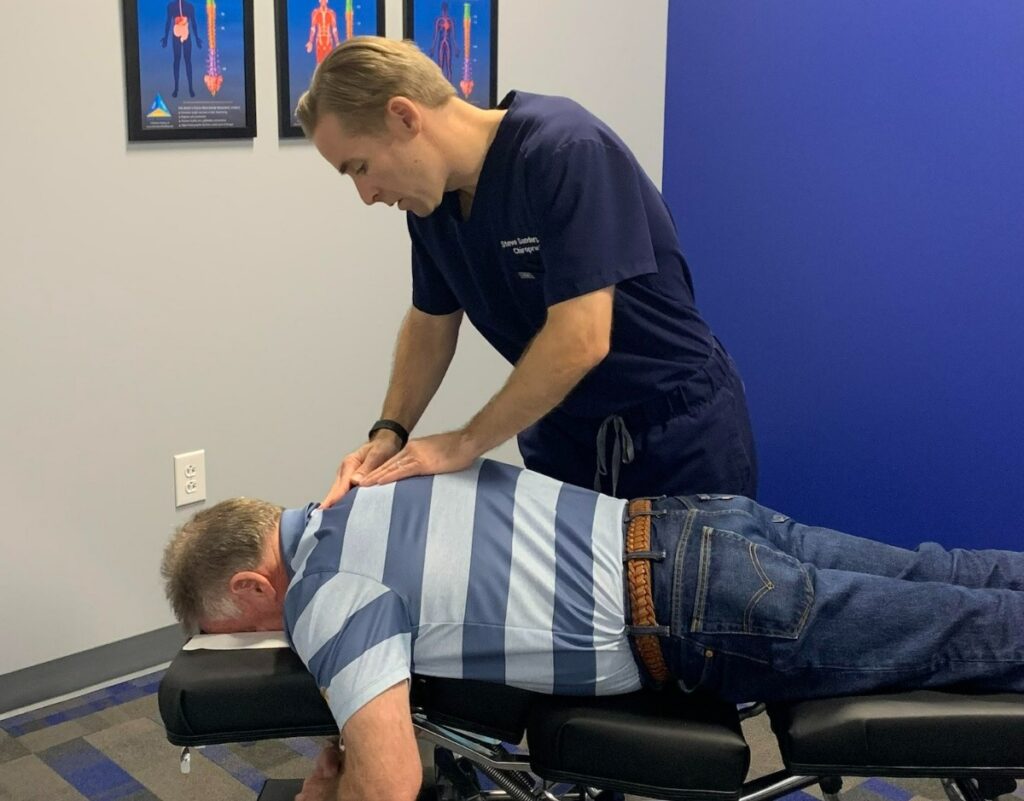
As a chiropractor, I want to emphasize that chiropractic care can play a significant role in easing tension headaches. By focusing on spinal health and realigning the spine, we can reduce tension in the muscles and nerves that may contribute to headaches. Regular chiropractic adjustments can lead to improved posture, reduced muscle tension, and enhanced overall wellness.
In addition to chiropractic care, here are some practical tips you can incorporate into your routine to help manage tension headaches:
- Stay Hydrated: Dehydration can trigger headaches, so make sure to drink plenty of water throughout the day.
- Practice Good Posture: Poor posture can lead to muscle strain in your neck and shoulders, which may contribute to headaches. Be mindful of your posture, especially if you spend long hours at a desk.
- Take Breaks: If you’re sitting for extended periods, take regular breaks to stretch and move around. This can help relieve tension in your body.
- Manage Stress: Stress is a common trigger for tension headaches. Consider incorporating relaxation techniques such as deep breathing, meditation, or yoga into your daily routine.
- Get Enough Sleep: Lack of sleep can contribute to headache frequency. Aim for a consistent sleep schedule and create a relaxing bedtime routine.
- Limit Caffeine and Alcohol: Both substances can lead to dehydration and may trigger headaches in some individuals. Be mindful of your intake.
- Apply Heat or Cold: Using a warm compress or an ice pack on your neck and shoulders can help relieve muscle tension and reduce headaches.
By prioritizing your spinal health through chiropractic care and implementing these lifestyle changes, you can take proactive steps towards achieving optimal health and reducing the frequency and severity of tension headaches. Remember, your well-being is important, and there are natural and effective ways to find relief.
Key Takeaways
- Maintain good posture and make ergonomic adjustments in your workspace. This can significantly reduce spinal strain and muscle tension, contributing to overall wellness and comfort. A well-aligned spine is key to preventing tension headaches.
- Stay hydrated by drinking plenty of water throughout the day. Dehydration can lead to headaches, so keeping your body well-hydrated is a simple yet effective way to support your health naturally.
- Incorporate relaxation techniques such as yoga, meditation, and deep breathing into your daily routine. These practices not only help manage stress but also serve as effective tools to alleviate headache triggers. By promoting relaxation, you can support your body’s natural healing processes.
- Engage in regular aerobic and strength training exercises. These activities improve blood flow and relieve physical tension, particularly in the neck and shoulders. Movement is essential for maintaining a healthy spine and overall body function.
- Consider chiropractic care as a proactive approach to headache relief. A chiropractor can provide gentle spinal adjustments and personalized treatment plans that address muscle tightness while enhancing your overall posture. Chiropractic care focuses on natural healing and can help you achieve optimal health without the need for medications or surgeries.
By incorporating these simple strategies into your lifestyle and seeking chiropractic care, you can take a significant step towards managing tension headaches and improving your overall well-being. Remember, your spine is the foundation of your health, and taking care of it is crucial for a pain-free life.
Understanding Tension Headaches
When you experience a tension headache, it can feel like a tight band is squeezing your head.
This common type of headache often results from stress, poor posture, or muscle tension in your neck and shoulders.
Unlike migraines, tension headaches usually don’t come with nausea or sensitivity to light.
You may feel a dull, aching pain that wraps around your forehead, making it difficult to concentrate on your daily tasks.
Understanding these headaches is crucial for finding natural relief.
They can last anywhere from 30 minutes to several days.
While they can be frustrating, they typically aren’t debilitating.
You might notice tension building in your neck and shoulders, signaling that it’s time to take a break and relax.
Recognizing that tension headaches are often tied to your daily habits empowers you to make positive changes that can help reduce their frequency and intensity.
One effective way to address tension headaches is through chiropractic care.
A chiropractor can help identify and treat the underlying issues related to your spine, posture, and muscle tension.
Regular adjustments can improve your overall spinal health, which can lead to fewer headaches and a reduction in muscle tightness.
In addition to chiropractic care, here are some general tips to help manage tension headaches:
- Practice Good Posture: Make sure your workspace is ergonomically friendly. Keep your computer screen at eye level and sit up straight to avoid unnecessary strain on your neck and shoulders.
- Stay Hydrated: Dehydration can contribute to headaches. Be sure to drink plenty of water throughout the day.
- Take Breaks: If you’re sitting for long periods, take regular breaks to stretch and move around. This can help alleviate muscle tension.
- Incorporate Relaxation Techniques: Consider practices like yoga, meditation, or deep-breathing exercises to help reduce stress and tension.
- Get Plenty of Sleep: Aim for a consistent sleep schedule to ensure your body and mind are well-rested.
By becoming aware of the habits that contribute to tension headaches and seeking chiropractic care, you can take proactive steps toward achieving optimal health and well-being.
Identifying Triggers and Symptoms
To effectively manage tension headaches, it’s crucial to identify common triggers and recognize the accompanying pain symptoms. As a chiropractor, I encourage you to pay close attention to your body and daily habits to uncover what might be causing your headaches. Common triggers can include stress, poor posture, and muscle tension, especially in the neck and shoulders.
By understanding these elements, you can develop a personalized approach to treatment that emphasizes natural healing. Regular chiropractic adjustments can help alleviate tension in your spine and improve your overall alignment, providing relief from headaches and promoting wellness.
Additionally, consider incorporating some simple lifestyle changes. Practice good posture, take breaks from screens, and incorporate relaxation techniques such as deep breathing or gentle stretching. Staying hydrated and maintaining a balanced diet can also support your body’s natural healing process.
Chiropractic care is a powerful tool for achieving optimal health and alleviating pain naturally. By focusing on these strategies, you can take proactive steps towards reducing the frequency and intensity of your tension headaches, leading to a healthier, more vibrant life.
Common Trigger Factors
Identifying common trigger factors is vital for effectively managing tension headaches, and chiropractic care can be a powerful ally in this journey. Many people find that specific situations or habits can lead to increased tension and subsequent headaches. Stress, often arising from work pressures or personal challenges, is a significant contributor. Chiropractic adjustments can help alleviate stress by improving spinal alignment and promoting relaxation in the body.
Poor posture, particularly while sitting at your desk, can also lead to discomfort and headaches. Regular chiropractic visits can help you maintain proper posture, reducing the risk of strain and tension in your neck and shoulders. Additionally, staying adequately hydrated, eating balanced meals, and getting sufficient sleep are essential for overall health and can help minimize headache occurrences.
Environmental factors such as strong odors, bright lights, or loud noises can exacerbate your symptoms. Chiropractic care can help your body respond better to these irritants by promoting overall wellness and resilience.
To take charge of your health, consider keeping a headache diary. This will help you track your triggers, recognize patterns, and share valuable information with your chiropractor. By identifying what causes your tension headaches, you can take proactive steps to avoid or manage them, leading to a better quality of life. Remember, chiropractic care is a natural and effective choice for achieving optimal health and pain relief.
Recognizing Pain Symptoms
Recognizing pain symptoms associated with tension headaches is crucial for effective management and achieving optimal health. By understanding these symptoms, you can better address what’s affecting your well-being.
Typically, those experiencing tension headaches might feel a dull, aching pain around the forehead or temples, often described as a tight band around the head. This discomfort tends to build gradually and may come with sensitivity to light or sound.
It’s important to pay attention to what your body is telling you. Factors like fatigue, stress, and poor posture can all contribute to the onset of these headaches. By observing when the pain intensifies or eases, and keeping track of any patterns, you empower yourself to make informed decisions about your health.
Chiropractic care is an excellent option for managing tension headaches naturally. Regular chiropractic adjustments can help address spinal misalignments that may contribute to your discomfort.
Additionally, practicing good posture, taking regular breaks from screens, and incorporating stress-reducing activities like yoga or meditation into your routine can be effective preventive measures.
If you find that your symptoms persist or worsen, don’t hesitate to reach out to a chiropractor. They can provide personalized advice and treatments to support your journey towards better health.
Lifestyle Adjustments for Prevention
To prevent tension headaches, making some thoughtful lifestyle changes can be incredibly helpful, and chiropractic care plays a vital role in this process. By incorporating stress management techniques and establishing a consistent exercise routine, you can significantly lower your chances of experiencing these headaches. Regular chiropractic adjustments can also help align your spine and improve your overall well-being, making it easier to manage daily stressors.
Consider integrating relaxation practices such as deep breathing or meditation into your routine, as these can complement the care you receive from your chiropractor. Staying active with gentle exercises, like walking or yoga, not only strengthens your body but also promotes proper spinal health. Remember, by prioritizing your well-being and supporting your spine, you’ll be better equipped to stay headache-free and enjoy a healthier, more vibrant life.
Chiropractic care is a natural and effective way to help you achieve optimal health and wellness, allowing you to live pain-free and fully engaged in your daily activities. So, take charge of your health by making these adjustments and seeking out the benefits of chiropractic care as part of your wellness journey.
Stress Management Techniques
Managing stress effectively is crucial for overall health and wellness, and it can significantly decrease the frequency and intensity of tension headaches. As a chiropractor, I often see how stress affects the spine and overall well-being, so it’s essential to identify your stress triggers—be it work, family, or other obligations. Once you understand what causes your stress, you can take proactive steps to address these areas.
Incorporating mindfulness practices like meditation or deep breathing into your daily routine can be incredibly beneficial. Just a few minutes of focused breathing can help you regain control and relieve tension, which can also positively impact your spine. Engaging in activities or hobbies that bring you joy is vital; this not only provides a necessary mental break but also encourages a more relaxed posture, reducing strain on the spine.
Setting boundaries at work and learning to say “no” can prevent overwhelming responsibilities, allowing you to maintain a balanced lifestyle. Remember that quality sleep is essential for stress resilience and overall health, including spinal health. A well-rested body is better equipped to handle stress and maintain proper alignment.
As you explore these stress management techniques, consider the importance of chiropractic care as a natural way to support your journey to optimal health. Regular chiropractic adjustments can help relieve tension, improve spinal alignment, and enhance your body’s ability to cope with stress. Embrace a healthier, more balanced lifestyle by prioritizing your spinal health and overall wellness!
Regular Exercise Routine
Incorporating regular exercise into your routine can greatly help in reducing the frequency of tension headaches. As a chiropractor, I encourage you to engage in aerobic activities like walking, jogging, or cycling, which enhance blood flow and relieve muscle tension. Aim for at least 30 minutes of moderate exercise on most days of the week to support your overall health.
Consider adding strength training and flexibility exercises, such as yoga or stretching, to your regimen. These movements not only help alleviate physical tension but also enhance your mood, effectively reducing stress—a common trigger for headaches. Remember, consistency is vital; find activities you enjoy to make it easier to stick with your routine.
Listening to your body is crucial. If you experience any discomfort, it’s important to adjust your workouts accordingly. Chiropractic care plays a significant role in optimizing your physical health and can complement your exercise efforts. Regular chiropractic adjustments help ensure your spine is aligned, which can enhance your body’s ability to heal naturally and prevent headaches.
Stress Management Techniques
While stress is a common part of life, it can lead to tension headaches and other discomforts that affect your overall wellness. As a chiropractor, I believe that incorporating effective stress management techniques can significantly improve your health and help alleviate pain naturally.
One of the simplest yet most effective methods is practicing deep breathing exercises. Take a slow inhale through your nose for a count of four, hold that breath for four counts, and then gently exhale through your mouth for another four. This technique not only calms your mind but also helps to relax your body, which is essential for maintaining a healthy spine.
Mindfulness and meditation can also play a crucial role in managing stress. Even dedicating just a few minutes each day to these practices can lead to a noticeable reduction in stress levels. You might also want to try progressive muscle relaxation, where you consciously tense and then relax each muscle group in your body. This can help release built-up tension and improve your overall well-being.
Effective time management is another key component. By prioritizing your tasks and breaking them down into smaller, manageable steps, you can avoid feeling overwhelmed. This approach not only reduces stress but also helps keep your spine aligned as you move through your day more efficiently.
Lastly, don’t forget the importance of engaging in activities that bring you joy. Whether it’s a hobby, spending time with loved ones, or simply enjoying nature, these moments can provide a natural buffer against stress. They contribute to your overall health, complementing the benefits of chiropractic care.
Incorporating these stress management techniques into your daily routine can promote a healthier lifestyle and support your journey toward optimal health. Remember, chiropractic care is a powerful ally in achieving pain relief and enhancing your well-being naturally.
Over-the-Counter Medications
When tension headaches strike, it’s important to address the root causes rather than just masking the pain. While some may turn to over-the-counter medications for quick relief, I want to emphasize the benefits of chiropractic care as a natural, holistic approach to managing headaches and promoting overall wellness.
Chiropractic care focuses on the alignment of your spine and the health of your nervous system, which can play a significant role in how your body handles stress and tension. Here are some helpful insights on how chiropractic care can assist with tension headaches:
- Spinal Adjustments – Regular chiropractic adjustments can help restore proper alignment in your spine, alleviating pressure on nerves and reducing tension in your muscles, which can lead to fewer headaches.
- Stress Relief Techniques – Chiropractors can teach you relaxation techniques that can help reduce stress, one of the main triggers of tension headaches. Techniques such as deep breathing and gentle stretches can be extremely beneficial.
- Posture Education – Poor posture can contribute to tension headaches. A chiropractor can provide guidance on how to maintain proper posture at your desk or while using electronic devices, reducing strain on your neck and shoulders.
- Lifestyle Modifications – Incorporating regular physical activity, staying hydrated, and ensuring you get enough rest can all contribute to reduced headache frequency. A chiropractor can help tailor a wellness plan that fits your lifestyle.
Physical Therapy and Massage
Chiropractic care stands out as an exceptional natural approach to alleviating tension headaches, and it’s crucial to understand how it complements other therapies like physical therapy and massage. While these methods can provide benefits, chiropractic care specifically addresses spinal alignment and nervous system function, which are key to achieving long-lasting relief from headaches.
By focusing on the spine, chiropractic adjustments can alleviate muscle tension and promote overall relaxation, directly reducing both the frequency and intensity of tension headaches. Additionally, chiropractors are trained to identify and correct underlying issues such as poor posture and muscle imbalances, further enhancing your path to wellness.
Here’s a breakdown of how chiropractic care compares to other therapies:
| Technique | Benefits |
|---|---|
| Chiropractic Care | Corrects spinal alignment, enhances nervous system function, promotes overall wellness |
| Physical Therapy | Improves posture, strengthens muscles, enhances flexibility |
| Massage Therapy | Relieves muscle tightness, promotes relaxation, improves circulation |
| Stretching Exercises | Reduces tension, increases range of motion, prevents future headaches |
| Heat Therapy | Soothes sore muscles, promotes blood flow, enhances relaxation |
| Trigger Point Therapy | Targets specific pain areas, alleviates discomfort, improves function |
Incorporating chiropractic care into your routine empowers you to take control of your health and manage tension headaches effectively. Remember, the journey to wellness begins with a healthy spine. Always consult with your chiropractor to create a personalized plan that’s right for you. By prioritizing spinal health, you not only address headaches but also set the foundation for a healthier, more vibrant life.
Here are a few general tips to help manage tension headaches:
- Stay Hydrated: Dehydration can contribute to headaches. Make sure to drink plenty of water throughout the day.
- Practice Good Posture: Be mindful of your posture while sitting and standing. This can prevent unnecessary strain on your muscles and spine.
- Incorporate Stretching: Regular stretching can alleviate muscle tightness and improve flexibility, reducing the risk of headaches.
- Manage Stress: Find relaxation techniques that work for you, such as deep breathing, yoga, or meditation.
Alternative Therapies: Acupuncture and Chiropractic
As a local chiropractor, I want to highlight the incredible benefits of chiropractic care in managing tension headaches. Often, people overlook how effective natural therapies can be in promoting overall wellness. Here’s how chiropractic can help you find relief:
- Chiropractic Adjustments: By realigning your spine, we can reduce pressure on nerves and muscles that may contribute to headache pain. This adjustment not only alleviates discomfort but also boosts your overall health.
- Holistic Approach: Chiropractic care focuses on treating the root cause of headaches rather than just masking the symptoms. This means that instead of just addressing the headache when it strikes, we work together to improve your overall spinal health and wellness.
- Stress Relief: Many tension headaches are triggered by stress. Chiropractic care encourages relaxation and mindfulness, helping you manage stress effectively. Regular adjustments can also promote better posture and reduce tension in your neck and shoulders, common areas where stress accumulates.
- Personalized Treatment Plans: Every individual is unique, and so are their health needs. In our practice, you’ll receive customized care that addresses your specific issues, ensuring you get the most effective relief possible.
- Simple Lifestyle Tips: To complement your chiropractic care, consider incorporating gentle stretches into your daily routine, staying well-hydrated, and practicing deep-breathing exercises. These simple habits can significantly reduce tension and improve your overall well-being.
Choosing chiropractic care is a natural and effective way to manage tension headaches and enhance your quality of life. Together, we can work towards achieving optimal health through safe and proven methods.
The Role of Hydration and Nutrition
Managing tension headaches involves more than just physical adjustments; your hydration and nutrition play crucial roles as well. When you’re well-hydrated, your body can function at its best, which can help reduce the chances of headaches. It’s a good idea to aim for at least eight glasses of water each day, but feel free to adjust this based on how active you’re and the climate you’re in.
Nutrition is equally important. Eating a balanced diet that includes plenty of fruits, vegetables, whole grains, and lean proteins can help keep headaches at bay. Certain foods, like spinach and almonds, are high in magnesium, which may help ease muscle tension that contributes to headaches. Also, keep an eye on your caffeine intake; while it can offer some short-term relief, too much can lead to withdrawal headaches.
It’s also wise to pay attention to any food triggers that might bring on your headaches. Common offenders include aged cheeses, processed meats, and artificial sweeteners. By focusing on hydration and nutrition, you can help your body support itself naturally, which is where chiropractic care can also play a vital role.
Chiropractic adjustments can align your spine and relieve tension in your muscles, which may further alleviate headaches. Combining good hydration and nutrition with regular chiropractic care can empower you to tackle tension headaches more effectively. Remember, taking care of your body holistically leads to better overall health and wellness.
When to Seek Professional Help
While many tension headaches can often be managed at home, there are instances where seeking professional help, particularly through chiropractic care, can greatly benefit your well-being. If you encounter any of the following situations, don’t hesitate to consult with a chiropractor:
- Persistent Pain: If your headache lasts more than a few days or seems to be getting worse, it’s crucial to have it evaluated. A chiropractor can help identify the root cause of your discomfort and provide natural relief techniques.
- Severe Symptoms: Experiencing sudden, intense pain that feels different from your usual headaches may indicate a more serious issue. A chiropractor can perform a thorough assessment and suggest appropriate treatment to alleviate your pain.
- Neurological Signs: If you notice symptoms like changes in vision, confusion, or weakness, it’s important to seek immediate care. A chiropractor can help address these symptoms through gentle adjustments and holistic approaches to restore balance in your body.
- Medication Overuse: Relying on pain relievers more than twice a week can lead to rebound headaches. Instead of turning to medication, consider visiting a chiropractor who can offer natural pain relief strategies and lifestyle tips to help you manage your headaches effectively.
In addition to seeking chiropractic care when necessary, here are some general tips to help you manage tension headaches:
- Stay Hydrated: Drink plenty of water throughout the day to keep your body hydrated.
- Practice Relaxation Techniques: Incorporate activities like yoga, meditation, or deep-breathing exercises to reduce stress levels.
- Maintain Good Posture: Be mindful of your posture, especially when sitting for long periods, as poor posture can contribute to tension headaches.
- Regular Exercise: Engage in regular physical activity to promote overall health and reduce stress.
Conclusion
In conclusion, managing tension headaches can be effectively achieved through a holistic approach that emphasizes self-care, lifestyle changes, and the natural healing methods offered by chiropractic care. By identifying your personal triggers and incorporating relaxation techniques, such as deep breathing or gentle stretching, you can significantly lessen both the frequency and intensity of your headaches.
Staying properly hydrated and maintaining balanced nutrition are crucial, as they support overall wellness and can help alleviate headache symptoms. Additionally, regular chiropractic adjustments can enhance spinal alignment and relieve tension in the muscles surrounding your neck and shoulders, which are often contributors to headaches.
Incorporating physical therapy or therapeutic massage can also complement chiropractic care by addressing muscle tightness and improving circulation. However, if headaches persist, it is important to consult with a chiropractor who can provide tailored solutions to meet your needs.
Remember, you hold the power to manage your tension headaches with natural and effective methods. Embrace chiropractic care as a key component of your wellness journey and take proactive steps towards a healthier, headache-free life.