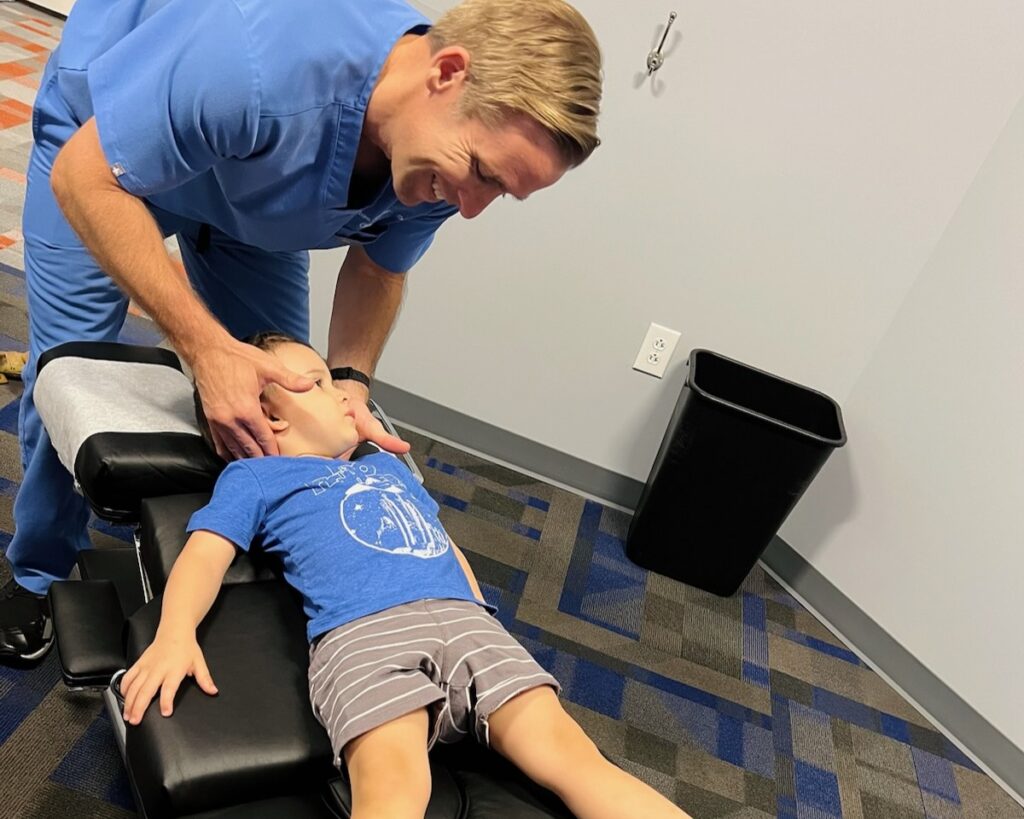
In today's fast-paced world, it's easy to overlook your health until something goes wrong. You might not realize that preventative care is your best strategy for maintaining wellness and avoiding serious conditions. By understanding key screenings, the role of vaccinations, and making informed lifestyle choices, you can take control of your health. But how do you start this proactive journey? Let's explore the essential components of a robust preventative care plan that can greatly impact your life moving forward.
Understanding Preventative Care
Preventative care plays an essential role in maintaining your overall health and well-being. It's more than just occasional doctor visits; it's about taking proactive steps to avoid illness and enhance your quality of life. When you engage in preventative care, you're making a conscious choice to prioritize your health through regular check-ups, vaccinations, and lifestyle changes.
Understanding preventative care means recognizing the importance of early detection and intervention. By identifying potential health issues before they become serious, you can save yourself from more complicated treatments down the line. This approach helps you stay ahead of chronic conditions and promotes a longer, healthier life.
You'll also benefit from educating yourself about factors that influence your health, such as nutrition, exercise, and mental well-being. Implementing healthy habits now can considerably reduce your risk of developing various diseases. For instance, maintaining a balanced diet and staying active can lead to better heart health and weight management.
Moreover, preventative care encourages you to build a strong relationship with your healthcare provider. Regular communication allows you to discuss any concerns and receive personalized advice tailored to your unique situation.
Being proactive about your health fosters a sense of empowerment, giving you the tools to make informed decisions.
Key Screenings and Tests
Your health journey is incomplete without key screenings and tests that help detect potential issues early on. Regular screenings can identify conditions before they develop into serious problems, allowing for timely intervention and better outcomes.
For starters, consider scheduling a blood pressure check at least once every two years. High blood pressure often goes unnoticed, yet it can lead to heart disease or stroke if untreated.
Cholesterol screenings should also be part of your routine, particularly if you have risk factors like obesity or a family history of heart disease. These tests typically occur every four to six years for adults, but your doctor might recommend more frequent checks based on your health profile.
Women should prioritize screenings like mammograms and Pap smears. Depending on your age and risk factors, a mammogram is usually suggested starting at age 40, while Pap smears should be done every three years from ages 21 to 65.
Men, on the other hand, should discuss prostate cancer screenings with their doctor, particularly if they're over 50 or have a family history.
Don't forget about diabetes screenings, especially if you're overweight or have a sedentary lifestyle. A simple blood test can determine your blood sugar levels and help catch diabetes early.
Importance of Vaccinations
Throughout your life, staying up to date with vaccinations is vital for maintaining overall health and preventing disease. Vaccinations protect you from various infectious diseases that can have serious, sometimes life-threatening consequences. By getting vaccinated, you not only shield yourself but also help to create herd immunity, which is essential for those who can't be vaccinated, like infants or individuals with certain health conditions.
You might wonder how vaccines work. They train your immune system to recognize and fight pathogens without exposing you to the disease itself. This process can reduce your risk of severe illness and complications, such as hospitalization or long-term health issues.
It's important to remember that some diseases, like measles or whooping cough, can spread easily and cause outbreaks if vaccination coverage falls below a certain level. Staying on schedule with vaccinations is critical. Each vaccine has specific timing recommendations to guarantee maximum effectiveness. Ignoring these guidelines can leave you vulnerable to infections that could have been easily prevented.
So, keep track of your vaccination records and consult with your healthcare provider about any missed doses or booster shots. In addition, vaccinations aren't just for children. Adults need to stay informed about which vaccines are appropriate for their age and lifestyle.
Regularly check in with your physician to confirm you're protected against diseases like influenza, shingles, and tetanus. Prioritizing vaccinations can greatly contribute to your long-term health and well-being.
Healthy Lifestyle Choices
Making healthy lifestyle choices is essential for achieving and maintaining overall wellness. By being proactive about your health, you can enhance your quality of life and reduce the risk of chronic diseases.
Start by focusing on your diet. Incorporate plenty of fruits, vegetables, whole grains, and lean proteins into your meals. This balanced approach will provide your body with the nutrients it needs to function effectively. Remember, moderation is key—don't deprive yourself of occasional treats, but aim for a diet that's primarily healthy.
Next, get moving! Engaging in regular physical activity is fundamental. Whether it's walking, jogging, swimming, or dancing, find an activity you enjoy and make it a part of your routine. Aim for at least 150 minutes of moderate exercise each week. This not only helps maintain a healthy weight but also boosts your mood and energy levels.
Sleep is another essential component. Prioritize getting 7-9 hours of quality sleep per night. Good sleep hygiene, like establishing a consistent bedtime, can improve your overall health and cognitive function.
Don't forget about hydration. Drinking enough water is necessary for maintaining bodily functions, so keep a water bottle handy throughout the day.
Finally, limit your intake of processed foods, sugar, and alcohol. By making these healthy choices, you set a strong foundation for your overall wellness, leading to a happier, healthier life.
Managing Stress and Mental Health
Maintaining a healthy lifestyle goes hand-in-hand with managing stress and mental health. You can't ignore the impact stress has on your overall well-being. To thrive, it's crucial to implement effective strategies to keep stress in check and nurture your mental health.
Start by identifying your stressors. Whether it's work, relationships, or financial worries, recognizing what triggers your stress is the first step. Once you know what's causing the pressure, you can develop coping strategies.
Consider practicing mindfulness techniques, such as meditation or deep breathing exercises, which can help you stay grounded and reduce anxiety.
Regular physical activity is another important component. Exercise releases endorphins, the body's natural mood lifters. Aim for at least 30 minutes of moderate exercise most days of the week. It doesn't have to be intense; even a brisk walk can make a difference.
Don't underestimate the power of social connections. Surround yourself with supportive friends and family who listen and offer encouragement. Talking about your feelings can alleviate stress and provide new perspectives.
Lastly, prioritize self-care. Make sure you're getting enough sleep, eating a balanced diet, and engaging in hobbies you enjoy. These practices are crucial for maintaining mental health.
Conclusion
By prioritizing preventative care, you're taking essential steps towards a healthier, happier life. Regular screenings and vaccinations can catch potential issues early, while healthy lifestyle choices enhance your overall well-being. Don't forget the importance of managing stress and nurturing your mental health; they're just as important as physical wellness. Build a strong relationship with your healthcare providers, and stay proactive in making informed decisions about your health. Remember, your well-being is in your hands!