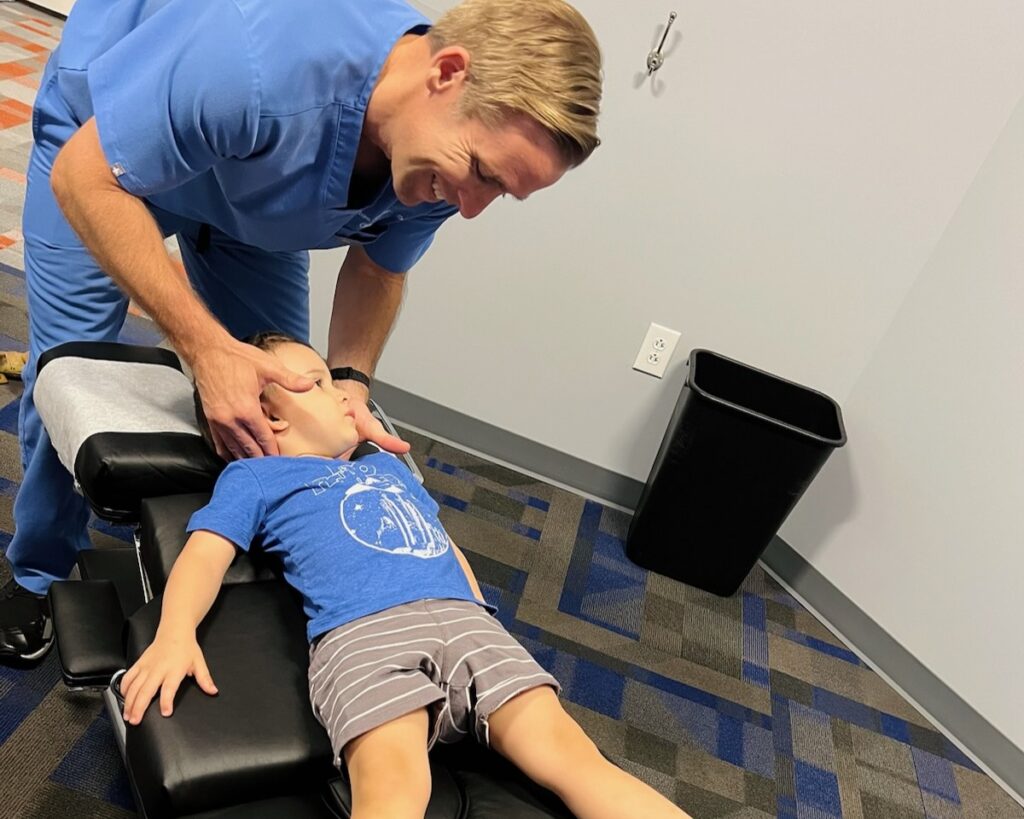
You know that maintaining your mobility is essential for your overall well-being, but have you considered how routine care plays a vital role in that? Regular check-ups and proactive health management can greatly enhance your flexibility and joint health. It's not just about physical health—discussing mental well-being and creating personalized plans can further improve your quality of life. As you start to think about your routine, you might wonder which specific practices will make the most difference. What steps can you take today to guarantee a more mobile tomorrow?
Importance of Routine Care
Everyone knows that routine care plays an essential role in maintaining mobility as you age. You mightn't realize just how vital it's until you experience the consequences of neglecting it. By prioritizing regular check-ups and preventive measures, you can catch potential issues before they escalate into more significant problems.
Routine care isn't just about doctor visits; it encompasses various aspects of your health, including physical examinations, screenings, and even dental care.
When you stay on top of routine care, you're actively working to maintain your body's functionality. Regular assessments allow your healthcare provider to monitor any changes in your physical condition, ensuring you receive timely interventions when needed. This proactive approach can help you avoid the pitfalls that come with aging, such as joint pain or decreased flexibility, which can severely impact your mobility.
Additionally, routine care helps you stay informed about your health status. When you know what to expect, you can make better decisions about your lifestyle and daily activities. If you're aware of any underlying conditions, you can take the necessary steps to manage them effectively.
Finally, don't underestimate the importance of mental health in conjunction with physical care. Routine check-ups often provide opportunities to discuss emotional well-being, which can directly affect your overall mobility.
Benefits of Regular Exercise
Regular exercise can greatly boost your joint flexibility and enhance your muscle strength.
By incorporating physical activity into your routine, you'll notice improved mobility and reduced risk of injury.
Let's explore how these benefits can make a real difference in your daily life.
Improved Joint Flexibility
When you engage in regular exercise, one of the most notable benefits you'll notice is improved joint flexibility. Your joints, like hinges, need to move freely to support your daily activities. With consistent movement, you can enhance the range of motion in your joints, making tasks easier and reducing the risk of injury.
Incorporating stretching routines, yoga, or Pilates into your regimen can considerably boost flexibility. These practices help lengthen the muscles around your joints, allowing for smoother movement. As you improve your flexibility, you'll likely notice that everyday actions—like bending down to tie your shoes or reaching for an item on a shelf—become less of a struggle.
Moreover, improved joint flexibility can contribute to better posture and alignment. With a more flexible body, you'll be able to maintain proper form during physical activities, which can further enhance your overall performance.
Don't underestimate the power of routine care through exercise. By committing to a consistent workout schedule, you'll foster not just flexibility but also a more mobile and active lifestyle.
Embrace the journey, and watch your joints thrive!
Enhanced Muscle Strength
Building on improved joint flexibility, enhanced muscle strength is another key benefit of engaging in consistent exercise. When you work out regularly, you're not just toning your muscles; you're also increasing their power and endurance. This boost in strength helps you perform daily tasks more efficiently, whether it's lifting groceries or climbing stairs.
Moreover, stronger muscles support your joints better, reducing the risk of injuries and strain. As your muscle strength improves, you'll notice that you can tackle activities that once felt challenging, making your life more enjoyable and active.
Plus, enhanced muscle strength plays a significant role in maintaining a healthy metabolism, helping you manage your weight more effectively. You don't need to lift heavy weights to reap these benefits. Simple exercises like squats, push-ups, or resistance band workouts can make a significant difference.
Aim for at least two days a week of strength training, focusing on all major muscle groups. Remember, it's about consistency. As you commit to regular exercise, you'll not only enhance your muscle strength but also reveal greater mobility, making every step you take feel easier and more fluid.
Nutrition for Optimal Mobility
To stay mobile, you need to fuel your body with the right nutrients.
Essential vitamins and minerals play a vital role in supporting your movements, while proper hydration keeps your joints lubricated and functioning smoothly.
Let's explore how good nutrition can enhance your mobility and overall quality of life.
Essential Nutrients for Mobility
Maintaining mobility in daily life often hinges on the nutrients you consume. The right mix of vitamins and minerals can keep your joints, muscles, and bones healthy, guaranteeing you stay active and engaged.
Here are four essential nutrients that play a significant role in supporting your mobility:
- Calcium: Critical for bone strength, calcium helps prevent fractures. Incorporate dairy products, leafy greens, and fortified foods into your diet to confirm you're getting enough.
- Vitamin D: This vitamin aids in calcium absorption and has a role in muscle function. Sun exposure and foods like fatty fish and egg yolks can boost your levels.
- Omega-3 Fatty Acids: Known for their anti-inflammatory properties, omega-3s can help reduce joint pain and stiffness. You can find these in fatty fish, walnuts, and flaxseeds.
- Magnesium: This mineral is essential for muscle function and energy production. Nuts, seeds, whole grains, and green leafy vegetables are excellent sources.
Hydration's Role in Movement
Staying properly hydrated is essential for optimizing your movement and overall mobility. Water plays a significant role in every bodily function, including muscle contractions and joint lubrication. When you're adequately hydrated, your muscles can work more efficiently, reducing fatigue and enhancing performance.
Dehydration can lead to muscle cramps, stiffness, and decreased coordination, making even simple movements feel challenging. If you're feeling sluggish or experiencing joint pain, consider your hydration levels. Aim to drink enough water throughout the day, especially before, during, and after physical activities.
It's not just about water; your body also needs electrolytes like sodium, potassium, and magnesium to maintain fluid balance. These minerals help regulate nerve function and muscle contractions, which are essential for mobility.
Incorporating hydrating foods, such as fruits and vegetables, can also boost your hydration status.
Listen to your body. If you feel thirsty, it's a sign you need to rehydrate. Pay attention to the color of your urine; a light yellow indicates good hydration, while darker shades suggest you need more fluids.
Prioritizing hydration will keep you moving with ease and enhance your overall mobility.
Hydration's Role in Agility
When it comes to enhancing agility, hydration plays an essential role in keeping your body functioning at its best. Staying properly hydrated helps maintain your muscle function, joint flexibility, and overall physical performance. When you're even slightly dehydrated, you may notice a decline in your agility, making it harder to move quickly and efficiently.
Here are four key reasons why hydration is important for agility:
- Fluid Balance: Water regulates your body temperature and maintains fluid balance in your cells. This balance is critical for muscle contractions, which allows for quicker and more agile movements.
- Joint Lubrication: Adequate hydration helps keep your joints lubricated, reducing friction and allowing for smoother, more fluid movements. This lubrication is essential for quick pivots and changes in direction.
- Nutrient Transport: Water is crucial for transporting nutrients to your muscles. Proper hydration guarantees that your muscles receive the energy they need for peak performance, which supports agile movements.
- Cognitive Function: Staying hydrated also impacts your cognitive abilities. Good hydration keeps your mind sharp and alert, allowing for quicker decision-making during physical activities, which can enhance your agility.
Incorporating regular hydration into your routine can greatly improve your agility. Aim to drink water consistently throughout the day, especially before, during, and after physical activities.
Importance of Stretching
Stretching's benefits extend far beyond simple flexibility; it plays an essential role in enhancing your overall mobility. When you incorporate stretching into your routine, you're not just increasing the range of motion in your muscles and joints; you're also preventing injuries. Tight muscles can lead to imbalances and discomfort, making everyday activities more challenging. By regularly stretching, you can alleviate tension and promote better posture, which is significant for maintaining mobility as you age.
Moreover, stretching helps improve blood circulation, which is critical for delivering nutrients to your muscles and removing waste products. This increased circulation can enhance your performance in physical activities, whether you're exercising or simply going about your daily tasks. You'll likely notice that you feel more energized and less fatigued after just a few minutes of stretching.
It's also important to remember that the benefits of stretching aren't limited to physical aspects. Stretching can serve as a mental break, reducing stress and promoting relaxation. Taking a few moments to stretch can clear your mind and prepare you for whatever comes next in your day.
To get started, try incorporating a few stretches into your daily routine, paying attention to major muscle groups like your hamstrings, quadriceps, and shoulders. Aim for at least 10 minutes of stretching each day, and you'll soon notice improvements in your mobility, energy levels, and overall well-being.
Embrace stretching as a fundamental part of your routine, and release greater mobility in your life.
Regular Health Check-Ups
Taking care of your body involves more than just stretching; it also requires regular health check-ups. These appointments are essential for maintaining your overall health and ensuring you're at your best for every activity you enjoy.
Regular check-ups help you catch potential issues early, prevent chronic diseases, and keep your body functioning effectively.
Here are four key reasons why you should prioritize regular health check-ups:
- Early Detection: Regular visits to your healthcare provider can help identify health issues before they become serious. Catching problems early often leads to more effective treatment and better outcomes.
- Preventive Care: Check-ups allow you to discuss vaccinations, screenings, and lifestyle changes that can prevent illness. Staying proactive about your health can save you from future complications.
- Personalized Guidance: During your check-up, you can ask questions about your specific health concerns and receive tailored advice. Your doctor understands your medical history and can provide insights that are relevant to you.
- Monitoring Progress: If you're working on improving your mobility, regular check-ups can help track your progress. Whether you're recovering from an injury or managing a chronic condition, having your doctor's support can keep you motivated and on track.
Creating a Sustainable Routine
Establishing a sustainable routine is crucial for enhancing your mobility and overall well-being. When you create a routine that you can stick to, you'll find it easier to incorporate activities that promote better movement and health.
Start by identifying key components you want to include, such as exercise, stretching, nutrition, and rest. Make a plan that suits your lifestyle and preferences. Choose activities you enjoy; if you dislike running, try swimming or cycling instead. This way, you're more likely to stay committed.
Set specific, achievable goals to keep yourself motivated. For instance, aim for 30 minutes of physical activity five days a week, gradually increasing intensity as you progress. Consistency is key, so try to schedule your activities at the same time each day. This helps reinforce the habit.
Use reminders or a calendar to track your progress and celebrate small victories along the way. Remember, it's okay to adjust your routine as needed. Life can be unpredictable, and flexibility can prevent frustration.
Also, consider incorporating social elements. Exercising with friends or joining a class can add accountability and make it more enjoyable. Finally, don't neglect recovery; adequate rest and self-care are essential for sustaining your routine over time.
Conclusion
To access greater mobility, prioritize routine care in your life. Regular check-ups help catch potential health issues early, while exercise, proper nutrition, and hydration keep you agile and strong. Don't forget the power of stretching to maintain flexibility. By creating a sustainable routine that incorporates these elements, you'll not only enhance your quality of life but also stay active in your daily activities. Embrace these practices, and enjoy the freedom that comes with improved mobility!