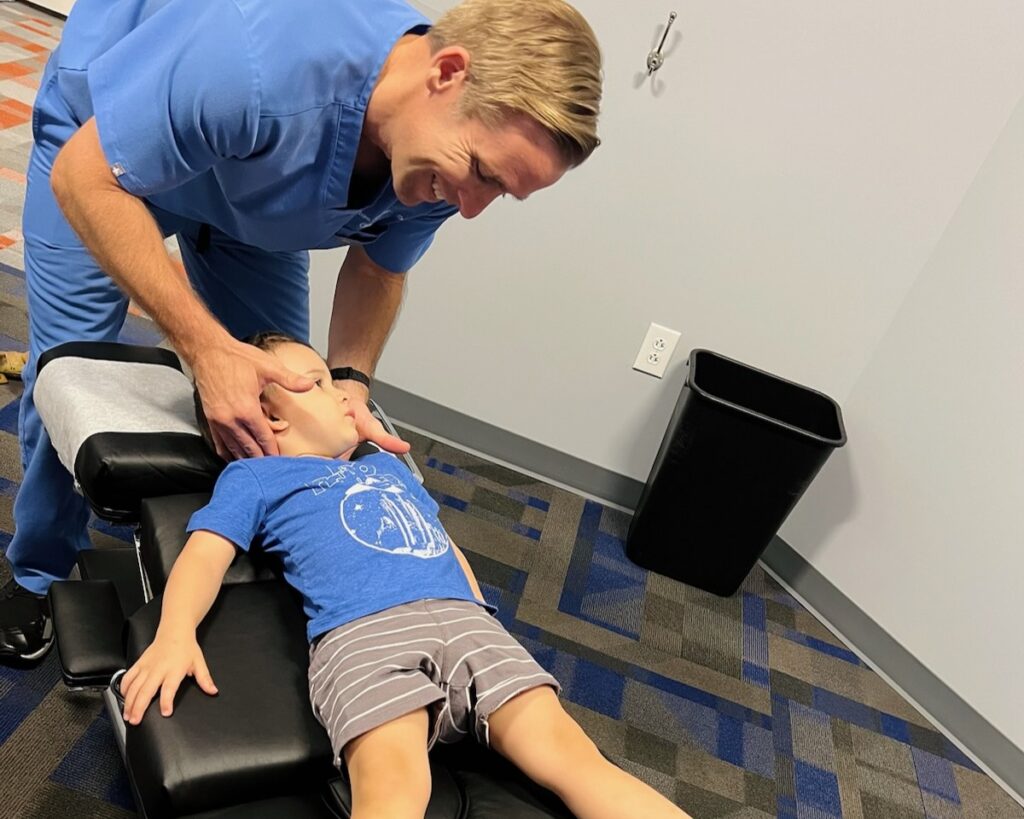
As a local chiropractor, I understand that chronic pain can significantly diminish your quality of life. But what if I told you that there are proactive steps you can take right now to prevent chronic pain from becoming your reality? By embracing a holistic approach that encompasses regular exercise, nutritious eating, and mindfulness practices, you can empower yourself to achieve and maintain optimal health.
Chiropractic care is not just about alleviating discomfort; it's about building a strong and resilient foundation for your overall well-being. Many people may find the idea of implementing these strategies daunting, especially if they're unfamiliar with chiropractic practices. So, what are the essential elements that can transform your journey toward lasting wellness?
Let's explore how gentle adjustments, proper posture, and body mechanics can play a vital role in preventing pain before it starts. Together, we can work on creating a personalized plan that integrates these elements, helping you lead a healthier, pain-free life. Your journey to lasting wellness starts with understanding the power of natural healing and the proactive steps you can take today.
Understanding Chronic Pain
As a chiropractor, I understand that chronic pain can feel incredibly frustrating and overwhelming. Many of my patients come to me experiencing pain that persists long after an initial injury or illness has seemingly healed. It's important to recognize that chronic pain often lacks a clear cause and can feel like there's no end in sight. By understanding chronic pain, you can begin to manage it more effectively and find relief.
When dealing with chronic pain, your nervous system can become hypersensitive. This means that even minor triggers can send intense pain signals to your brain. Sometimes, your brain may misinterpret these signals, leading to pain even when there's no injury present. This distinct mechanism sets chronic pain apart from acute pain, which typically resolves as your body heals.
It's also crucial to acknowledge that emotional factors like stress, anxiety, and depression can play a significant role in amplifying your pain. Many patients notice that their pain feels worse during stressful times, creating a challenging cycle that can be difficult to break.
Additionally, lifestyle choices—such as your diet, exercise routine, and sleep patterns—can significantly influence your pain levels. Understanding these connections can empower you to take control of your health and well-being.
As a chiropractor, I believe that educating yourself about chronic pain and its underlying mechanisms is vital. It allows you to explore various treatment options that can work for you, including chiropractic adjustments, physical therapy, and holistic approaches to healing.
Importance of Prevention
As a local chiropractor, I want to emphasize the importance of prevention when it comes to chronic pain. Taking proactive steps before discomfort turns into a persistent issue is crucial.
By embracing early intervention strategies and making some positive lifestyle adjustments, you can significantly decrease your risk of developing chronic pain.
One of the key components of maintaining your health is staying informed about your body's signals. Chiropractic care focuses on natural healing methods that help your body function optimally.
By paying attention to how you feel and addressing any early signs of discomfort, you can avoid more serious problems down the road.
Early Intervention Strategies
As a local chiropractor, I want to emphasize the importance of early intervention strategies in managing pain effectively and preventing long-term issues.
It's crucial to recognize the early signs of discomfort, as this can be your best defense against developing chronic conditions. If you begin to feel any discomfort, it's important not to wait for it to escalate. Seeking a thorough assessment from a healthcare professional, like myself, can make all the difference.
Chiropractic care, along with targeted therapies such as physical therapy, can address issues before they evolve into more serious problems. My role is to help you strengthen weak areas, improve your posture, and enhance your flexibility, all of which significantly reduce the risk of future flare-ups.
Listening to your body is essential in this process. If you notice that certain activities cause pain, it's wise to modify your movements or take breaks.
Additionally, I often recommend exploring non-invasive treatments, such as acupuncture or massage therapy, as early interventions. These approaches can help to alleviate pain and improve your overall functionality in a natural and holistic way.
Lifestyle Modifications Matter
As a local chiropractor, I want to emphasize that recognizing early signs of discomfort is just the beginning of your journey to better health. Making thoughtful lifestyle modifications can significantly enhance your overall well-being and prevent pain from becoming a chronic issue. By incorporating small, manageable changes into your daily routine, you can greatly lower your risk of enduring persistent pain.
First, let's take a closer look at your physical activity level. Regular exercise is crucial in strengthening your muscles and improving flexibility, which can alleviate tension and reduce discomfort. I recommend a balanced routine that includes cardiovascular exercises, strength training, and flexibility workouts to keep your body functioning optimally.
Next, I can't stress enough the importance of posture. Whether you're sitting at a desk, using your phone, or lifting items, maintaining proper alignment is key to preventing strain on your body. Consider using ergonomic tools, such as chairs or standing desks, to support good posture throughout your day. This is something I often discuss with my patients, as it can make a significant difference in their comfort levels.
Nutrition is another vital aspect of maintaining your health. A balanced diet rich in anti-inflammatory foods can help reduce pain and promote healing. Don't forget to stay hydrated; adequate water intake is essential for your body to function properly and recover from daily stresses.
Finally, prioritize your sleep. Quality rest is fundamental for recovery and plays a crucial role in how your body responds to stress and discomfort. By making these lifestyle modifications, you're taking proactive steps toward a healthier, pain-free life.
Education and Awareness
As a local chiropractor, I want to emphasize the crucial role that education and awareness play in preventing chronic pain. Many of my patients come to me without a clear understanding of how their lifestyle choices can impact their well-being. By becoming informed about the risks and causes of chronic pain, you can take proactive measures to safeguard your health and enhance your quality of life.
Here are some important points to consider:
- Identify Risk Factors: It's essential to recognize both personal and environmental factors that may lead to chronic pain. By understanding these triggers, you can take steps to minimize your exposure and protect yourself.
- Emphasize Proper Ergonomics: Many people are unaware of how their body mechanics and posture can affect their overall health. I encourage my patients to learn about proper ergonomics, especially in the workplace, to prevent unnecessary strain and injury.
- Adopt Healthy Lifestyle Habits: Educating yourself about nutrition, exercise, and effective stress management techniques can build your resilience against pain. A holistic approach to health can make a significant difference in your well-being.
- Stay Informed: The field of chiropractic care is continuously evolving, with new research and resources emerging all the time. Staying informed will empower you to make educated choices regarding your health and wellness.
By embracing education and awareness, you can take control of your health and reduce the likelihood of experiencing chronic pain in the future.
Together, let's work towards a pain-free life through informed decisions and a natural healing approach.
Nutritional Strategies
As a local chiropractor, I want to emphasize how crucial a well-balanced diet can be in preventing chronic pain and enhancing your overall well-being. The foods you choose to incorporate into your meals can play a significant role in reducing inflammation, which is often a key contributor to pain.
I encourage you to include anti-inflammatory foods in your diet. Think about integrating plenty of fruits, vegetables, whole grains, nuts, and fatty fish like salmon or mackerel, which are rich in omega-3 fatty acids. These foods are known to help lower inflammation and support joint health.
It's equally important to be mindful of your consumption of processed foods, sugars, and trans fats, as these can exacerbate inflammation and increase your risk of chronic pain. Instead, focus on whole, nutrient-dense options. Aim to fill your plate with a variety of colorful fruits and vegetables, as they're often packed with antioxidants that help combat oxidative stress in your body.
Hydration is another key element in maintaining your health. Drinking enough water is vital for keeping your joints lubricated and supporting all bodily functions. I recommend aiming for at least eight glasses a day, adjusting depending on your activity level and climate.
Lastly, I suggest considering specific dietary patterns, such as the Mediterranean diet, which prioritizes whole foods and healthy fats. This diet not only aids in pain prevention but also supports heart health and longevity, making it a beneficial choice for your overall wellness.
Embracing these nutritional strategies can complement your chiropractic care and help you achieve a healthier, pain-free life.
Exercise and Physical Activity
As your local chiropractor, I want to emphasize that while a balanced diet is crucial for managing inflammation and promoting overall well-being, exercise and physical activity are just as vital for preventing chronic pain. Regular movement strengthens your muscles, enhances flexibility, and improves your overall physical condition.
By prioritizing exercise, you're building a solid foundation that allows your body to better withstand stressors that could lead to discomfort and pain.
Incorporating a diverse range of physical activities into your routine not only keeps things engaging but also provides numerous benefits. Here are some types of exercise you might consider:
- Strength Training: This form of exercise helps build muscle, supports joint stability, and promotes bone health, all of which are essential for maintaining a pain-free lifestyle.
- Aerobic Activities: These exercises improve your heart health and endurance, which can significantly help in managing pain levels and enhancing your energy.
- Flexibility Exercises: Engaging in activities that promote flexibility can improve your range of motion and reduce the risk of injuries, making it less likely for you to experience chronic pain.
- Balance Training: This can help prevent falls and enhance coordination, which is particularly important in reducing the risk of acute injuries that may lead to chronic pain issues.
I recommend aiming for at least 150 minutes of moderate aerobic activity each week, along with strength training at least twice a week.
Remember, even short bursts of physical activity can accumulate and provide significant health benefits. Pay attention to your body, and feel free to modify exercises to ensure they align with your comfort level.
By integrating exercise into your daily life, you're not only improving your physical fitness but also actively working to prevent the onset of chronic pain and enhancing your overall quality of life.
If you have any questions about how to incorporate exercise effectively into your routine, or how chiropractic care can support your journey towards better health, don't hesitate to reach out!
Mindfulness Techniques
As a local chiropractor, I often see how incorporating mindfulness techniques into your daily routine can be a game changer for reducing stress and enhancing emotional well-being—both vital for preventing chronic pain.
Mindfulness allows you to stay present, sharpening your awareness of your thoughts and physical sensations without judgment. By embracing mindfulness, you can foster a stronger connection to your body and become more sensitive to any discomfort or tension that may arise.
To get started, try simple techniques like focused breathing. Dedicate a few minutes each day to sit in a comfortable position, close your eyes, and concentrate on your breath. Inhale deeply through your nose, hold for a moment, and then exhale slowly through your mouth. This practice not only calms your mind but also helps you identify stress signals before they develop into chronic pain.
Another effective technique is the body scan. Find a comfortable position, lying down, and mentally scan your body from head to toe. Pay attention to any areas of tightness or discomfort, acknowledging these sensations without judgment. As you exhale, visualize releasing the tension in those areas. This practice enhances your awareness of physical sensations, enabling you to respond to them more effectively.
Lastly, consider incorporating mindful movement, such as yoga or tai chi, into your routine. These practices blend physical activity with mindfulness, promoting flexibility and strength while keeping you connected to your body.
By integrating these mindfulness techniques into your life, you empower yourself to manage stress more effectively and support your overall well-being, laying a strong foundation for preventing chronic pain.
Stress Management Practices
As a local chiropractor, I want to emphasize the importance of effective stress management practices for protecting both your physical and mental health, particularly in the prevention of chronic pain.
Many patients may not realize that chronic pain can often have psychological roots, and elevated stress levels can intensify these sensations, creating a challenging cycle. By adopting the right strategies, you can disrupt this cycle and improve your overall well-being.
Here are some practical stress management techniques that I recommend you integrate into your daily life:
- Deep Breathing Exercises: Taking a few minutes each day to focus on your breath can significantly lower your heart rate and alleviate anxiety. I suggest inhaling deeply through your nose, holding that breath for a few seconds, and then exhaling slowly through your mouth. This simple practice can have a powerful effect on your stress levels.
- Regular Physical Activity: Engaging in consistent exercise is crucial, as it releases endorphins—your body's natural mood enhancers. Even a brisk walk can help clear your mind and relieve physical tension, making it an excellent addition to your routine.
- Journaling: Writing down your thoughts and feelings can be a therapeutic way to gain clarity and process stress. I encourage you to set aside time each day to express what's on your mind; this can greatly aid in managing emotional challenges.
- Mindfulness Meditation: Practicing mindfulness can help you stay present and reduce the tendency to ruminate over stressors. Start with just a few minutes a day and gradually increase the duration as you become more comfortable with the practice.
By incorporating these techniques into your daily life, you can't only alleviate stress but also support your body's natural healing processes, ultimately leading to better health outcomes.
Sleep and Recovery
As a local chiropractor, I want to emphasize how crucial quality sleep is for your body's recovery and for alleviating chronic pain. Many people may not realize that good sleep hygiene can significantly impact your overall health.
By establishing a consistent sleep routine and even incorporating naps, you can enhance your well-being and support your recovery journey.
Let's discuss how these practices can improve your sleep quality and, in turn, aid in your healing process. When you prioritize restful sleep, you're allowing your body to repair itself, reduce inflammation, and manage pain more effectively.
Implementing simple changes in your sleep environment and habits can lead to better health outcomes and a more comfortable life. Your journey to wellness starts with understanding the importance of sleep in your recovery.
Importance of Quality Sleep
As a local chiropractor, I want to emphasize just how crucial quality sleep is for your overall health, especially when it comes to managing and preventing chronic pain. Many people overlook the importance of restful sleep, but it plays a vital role in your body's ability to heal and recover.
When you get adequate sleep, your body can repair itself, decrease inflammation, and effectively regulate pain sensitivity. Conversely, poor sleep can lead to heightened stress, anxiety, and an increased awareness of pain, creating a troublesome cycle that can affect your daily life.
Here are some key reasons why prioritizing quality sleep is essential:
- Muscle Recovery: During sleep, your muscles have the opportunity to recover from the daily stresses they endure. This can help alleviate soreness and stiffness, which is particularly important for those who may experience discomfort after chiropractic adjustments or physical activity.
- Hormonal Balance: Quality sleep helps maintain a balance of hormones that are responsible for regulating pain and inflammation. This balance is crucial for minimizing discomfort and promoting overall well-being.
- Mental Health: A good night's sleep can significantly enhance your mood and cognitive function. When you're well-rested, you're better equipped to manage stress and cope with pain, which complements the benefits of chiropractic care.
- Immune Function: Sleep is essential for a robust immune system. A body that's well-rested can better defend itself against illnesses that could exacerbate pain or discomfort.
By understanding the importance of sleep and addressing it as part of your overall health plan, you can enhance the benefits of chiropractic care and natural healing.
Make quality sleep a priority, and you'll be taking a significant step towards improving your health and well-being.
Sleep Hygiene Practices
As a local chiropractor dedicated to your overall well-being, I want to emphasize the importance of good sleep hygiene practices in maximizing your recovery and preventing chronic pain. One of the first steps is to establish a consistent sleep schedule. Going to bed and waking up at the same time each day, even on weekends, helps regulate your body's internal clock, which can significantly enhance the quality of your sleep.
Creating a restful environment is also crucial. Ensure your bedroom is dark, quiet, and cool. Consider using blackout curtains to block out light and white noise machines to drown out disruptive sounds.
It's important to limit your exposure to screens at least an hour before bedtime, as the blue light can hinder melatonin production, which is vital for sleep. Instead, you might try reading a book or engaging in relaxation techniques to wind down.
Pay attention to your activities leading up to bedtime. It's best to avoid heavy meals, caffeine, and alcohol in the hours before you sleep, as these can disrupt your sleep cycle. Incorporating a calming bedtime routine, such as gentle stretching or meditation, can signal to your body that it's time to relax and prepare for rest.
Lastly, regular physical activity during the day plays a significant role in sleep quality, though it's wise to steer clear of intense workouts right before bed.
Recovery Through Napping
As a local chiropractor, I often emphasize the importance of a holistic approach to recovery, and incorporating short naps into your daily routine can significantly enhance your overall well-being.
Napping isn't merely a luxury; it's a vital tool that can help you recharge both your mind and body. A strategically timed nap can elevate your mood, sharpen your cognitive abilities, and even help alleviate certain types of discomfort.
To fully harness the benefits of napping, I recommend following these simple guidelines:
- Duration: Keep your naps to 20-30 minutes. This duration can help you avoid that groggy feeling that sometimes follows longer naps.
- Timing: The early afternoon is typically the best time to nap, as it's when our energy levels naturally dip.
- Environment: Create a soothing, dark space to promote relaxation and make it easier to drift off.
- Frequency: Pay attention to your body's signals. If you're feeling fatigued, indulging in a nap can be a wise choice to aid your recovery.
Building a Support System
As a local chiropractor, I want to emphasize the importance of a strong support system in both preventing chronic pain and managing its effects on your daily life. Surrounding yourself with the right individuals can significantly enhance your journey toward wellness. Start by identifying friends, family, or coworkers who can empathize with your condition and provide the emotional support you need. Their encouragement is vital in keeping you motivated and focused on your health objectives.
It's crucial to communicate your needs clearly. Let your loved ones know how they can assist you—whether it's joining you for a gentle walk, participating in a yoga class, or simply being there to lend an ear when you need to express your feelings. This open connection not only strengthens your relationships but also builds a solid foundation for your overall well-being.
I also recommend considering support groups, whether they're in-person or online. Engaging with others who are facing similar challenges can be incredibly beneficial. You'll gain valuable insights and coping strategies, and you may find comfort in knowing that you're not alone in your experience. Sharing your journey can foster resilience and a sense of community.
Additionally, don't hesitate to seek professional help when needed. As a chiropractor, I can provide guidance tailored to your specific circumstances, helping you navigate both the physical and emotional aspects of chronic pain. Chiropractic care, along with supportive therapies, can strengthen your coping mechanisms and promote your overall health.
Your journey to wellness is important, and I'm here to support you every step of the way.
Conclusion
As your local chiropractor, I want to share how you can achieve lasting wellness and significantly reduce your chances of developing chronic pain. It all starts with a proactive approach that includes a balanced diet, regular physical activity, mindfulness practices, and adequate sleep.
Chiropractic care plays a crucial role in this holistic journey. By recognizing early signs of discomfort and addressing them promptly, we can prevent issues from escalating into chronic pain. I encourage you to reach out for assistance whenever you feel something isn't right; early intervention is key.
Additionally, surrounding yourself with a supportive community can greatly enhance your path to optimal health. Remember, the lifestyle choices you make today can lead to a healthier, pain-free tomorrow. Let's work together to start your journey toward wellness today!