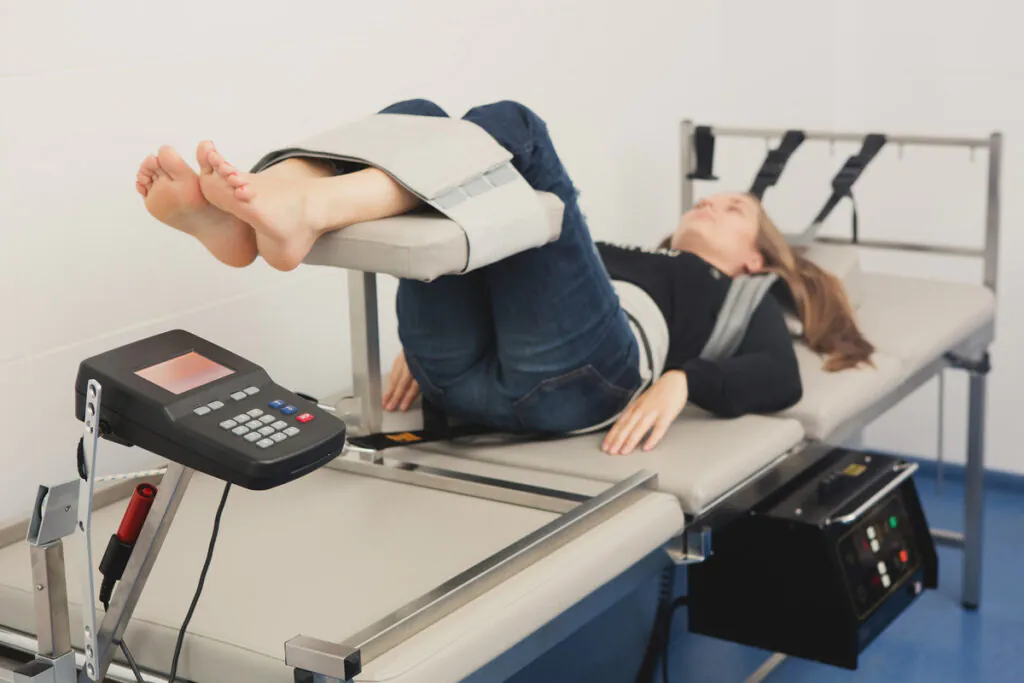
When you think about enhancing your mobility, it's easy to overlook the impact of routine care. Regular check-ups and assessments can help you identify potential issues before they become major problems, while incorporating physical activities like stretching and strength training can greatly improve your flexibility and strength. By making these practices a priority, you can access a level of mobility that not only boosts your physical health but also enriches your overall quality of life. So, what are the key elements you need to reflect upon to create an effective routine?
Importance of Routine Care
Routine care is essential for maintaining your mobility and overall health. It's not just about feeling good; it's about ensuring your body functions effectively. When you engage in regular activities like stretching, strength training, and balance exercises, you're actively supporting your joints and muscles. This proactive approach helps prevent injuries and keeps you moving freely throughout your daily life.
Incorporating routine care into your schedule allows you to identify issues before they escalate. By paying attention to how your body feels during movement, you can address any discomfort or stiffness early on. This vigilance can keep minor problems from turning into major concerns. You'll find that being attentive to your body fosters a deeper understanding of its needs, empowering you to make informed decisions about your physical activities.
Moreover, routine care enhances your mental well-being. Engaging in consistent physical activity releases endorphins, which can improve your mood and reduce stress. When you feel good physically, it's easier to tackle life's challenges with a positive mindset.
In addition, routine care encourages healthy habits, such as staying hydrated and getting adequate rest. These elements collectively contribute to your overall health and mobility.
Regular Check-Ups and Assessments
Regular check-ups are essential for monitoring your mobility and ensuring you stay on track with your progress.
By evaluating your movement and flexibility, you can catch potential issues early before they become bigger problems.
Staying proactive about your health will help you maintain greater mobility and overall well-being.
Importance of Routine Check-Ups
While you might feel fine, skipping routine check-ups can lead to unnoticed health issues that could impact your mobility. Regular check-ups are essential for catching potential problems early, before they develop into more serious conditions. During these visits, healthcare providers assess your overall health, monitor changes, and address any concerns you may have.
By committing to routine check-ups, you give yourself the opportunity to stay proactive about your health. These appointments allow for preventive screenings, vaccinations, and health education tailored to your needs. They also provide a chance to discuss lifestyle choices that promote mobility, like exercise and nutrition.
Ignoring check-ups might seem harmless, but small issues can escalate into bigger challenges that affect your daily life. For instance, undiagnosed conditions such as arthritis or cardiovascular issues may limit your ability to move freely.
Regular visits help guarantee you're maintaining peak health and mobility. In short, routine check-ups aren't just about feeling good; they're about staying healthy and mobile for the long haul.
Make it a priority to schedule those appointments and take control of your health today. Your future self will thank you!
Assessing Mobility Progression
To effectively track your mobility progression, ongoing evaluations during your check-ups are essential. Regular assessments help you understand how your mobility is changing and what adjustments might be needed to maintain or improve it.
These evaluations can highlight your strengths and areas that may require additional focus.
During your check-ups, consider discussing the following aspects with your healthcare provider:
- Range of Motion: Are you experiencing any limitations in movement? Regular checks can help identify improvements or declines in flexibility.
- Strength Levels: Have you noticed any changes in your muscle strength? Evaluating this can guide your exercise regimen.
- Balance and Coordination: Are you finding it harder to maintain your balance? Assessing this can help you prevent falls and injury.
Identifying Potential Issues Early
Ongoing evaluations during your check-ups not only track mobility progression but also play a vital role in identifying potential issues early. Regular assessments allow you and your healthcare provider to pinpoint any changes or concerns in your mobility.
If you notice discomfort, stiffness, or decreased range of motion, discussing these symptoms during your visits is essential. Early intervention can often prevent minor issues from becoming serious problems, allowing you to maintain a more active lifestyle.
You should also take advantage of any mobility screenings or physical assessments offered during these check-ups. These evaluations can uncover underlying conditions that may not be immediately apparent, such as muscle imbalances or joint issues.
If your provider recommends tailored exercises or therapies, don't hesitate to follow through; they're designed to enhance your mobility and prevent deterioration.
Benefits of Physical Therapy
When you engage in physical therapy, you're not just working on recovery—you're also enhancing your flexibility and strength.
This proactive approach helps you prevent injuries and boosts your overall posture awareness.
Enhanced Flexibility and Strength
Physical therapy offers numerous benefits, particularly in enhancing flexibility and strength. When you engage in a personalized physical therapy program, you'll likely notice significant improvements in how your body moves.
This increased flexibility and strength can lead to better overall function in daily activities and improved athletic performance.
Here are a few key ways physical therapy can enhance your flexibility and strength:
- Targeted Exercises: Therapists design specific exercises that focus on your individual needs, helping to increase your range of motion and muscle strength.
- Manual Therapy Techniques: Hands-on techniques used by therapists help relieve tightness in muscles and joints, promoting greater flexibility.
- Progressive Strength Training: Gradual increases in resistance help build strength safely, allowing your body to adapt without risking injury.
Injury Prevention Techniques
Building on the enhanced flexibility and strength gained through physical therapy, injury prevention becomes another vital focus. You can actively reduce your risk of injury by incorporating specific techniques into your routine. One effective method is to perform dynamic warm-ups before engaging in any physical activity. This prepares your muscles and joints, ensuring they're ready for movement.
Additionally, practicing proper body mechanics is important. Whether you're lifting weights or bending to pick something up, using the correct posture helps avoid strain and injury. Strengthening targeted muscle groups through tailored exercises also plays a significant role in injury prevention. When your body's muscles are balanced and strong, they support your joints better, reducing the likelihood of injuries.
Paying attention to your body's signals is equally important. If you feel pain or discomfort, don't push through it—listen to what your body's telling you.
Finally, consider cross-training, which allows different muscle groups to develop while reducing the risk of overuse injuries. By applying these injury prevention techniques, you can maintain your mobility and stay active, ensuring your body remains healthy and resilient.
Improved Posture Awareness
Recognizing the importance of improved posture awareness can greatly enhance your overall well-being and mobility. When you're mindful of your posture, you're not just standing tall; you're taking proactive steps toward better health.
Physical therapy can help you develop this awareness, leading to numerous benefits.
Here are a few key advantages of improved posture awareness:
- Reduced Pain: Proper alignment can alleviate strain on muscles and joints, decreasing discomfort in your back, neck, and shoulders.
- Enhanced Breathing: Good posture opens up your chest and diaphragm, allowing for deeper, more efficient breaths.
- Increased Energy Levels: When your body is aligned correctly, it uses energy more efficiently, leaving you feeling more energized throughout the day.
Incorporating posture awareness into your daily routine isn't just about standing straight; it's about fostering a healthier lifestyle.
Regular check-ins with a physical therapist can provide personalized guidance, helping you identify and correct bad habits.
With consistent practice, you'll find that improved posture not only boosts your physical health but also enhances your confidence and overall quality of life.
Stretching and Flexibility Exercises
Stretching and flexibility exercises are essential components of a well-rounded routine that can enhance your mobility and overall physical performance. Incorporating these exercises regularly helps improve the range of motion in your joints, reduces the risk of injury, and promotes better posture.
When you stretch, you're not just loosening tight muscles; you're also preparing your body for movement, which can lead to more effective workouts and daily activities.
To get started, carve out time for both dynamic and static stretches. Dynamic stretches, like leg swings and arm circles, can be great for warming up before physical activity. They increase blood flow and activate your muscles.
On the other hand, static stretches—such as holding a hamstring stretch or a quadriceps stretch—are best suited for cooling down after your workout, helping to lengthen and relax your muscles.
Aim to include stretching exercises at least three times a week. Focus on major muscle groups like your hamstrings, quadriceps, hips, and shoulders. Remember to breathe deeply as you stretch; this not only helps you relax but also enhances the effectiveness of the stretch.
Listening to your body is key—never push a stretch to the point of pain. Instead, ease into it and hold each stretch for about 15-30 seconds.
With consistency, you'll notice improvements not only in your flexibility but also in your overall mobility, making daily tasks easier and more enjoyable. So, prioritize stretching, and reap the benefits of a more flexible, agile body.
Strength Training for Mobility
While stretching enhances flexibility, strength training plays an important role in improving your mobility as well. By building muscle strength, you not only support your joints but also enhance your overall movement patterns. Stronger muscles provide better stability, allowing you to execute daily activities with ease.
To effectively incorporate strength training into your routine for enhanced mobility, consider focusing on these key areas:
- Core Strength: A strong core stabilizes your entire body, making it easier to maintain balance and control during movement.
- Lower Body Strength: Strengthening your legs and hips is vital for mobility, as these muscles help with walking, climbing stairs, and getting up from a seated position.
- Functional Movements: Engage in exercises that mimic everyday activities, like squats and lunges, to improve your ability to perform daily tasks.
You don't have to lift heavy weights to gain these benefits; bodyweight exercises can be just as effective. Aim for 2-3 sessions per week, focusing on all major muscle groups.
Gradually increase the resistance or complexity of your exercises to continue challenging your muscles.
Nutrition's Role in Joint Health
Nutrition plays an essential role in maintaining healthy joints, and what you eat can greatly impact your mobility and overall joint function. By focusing on a balanced diet, you can help support your joints and enhance your movement.
Incorporating anti-inflammatory foods into your meals can be particularly beneficial. Think about adding fatty fish like salmon or sardines, which are high in omega-3 fatty acids. These healthy fats can help reduce joint inflammation and improve mobility.
Don't forget about fruits and vegetables, especially those rich in antioxidants, such as berries, cherries, and leafy greens. These foods can combat oxidative stress, which is damaging to your joints.
You'll also want to pay attention to your intake of vitamins and minerals. Calcium and vitamin D are important for bone health, so consider dairy products, fortified plant milks, or leafy greens as sources.
Additionally, vitamin C plays a significant role in collagen formation, essential for maintaining cartilage health. Citrus fruits, strawberries, and bell peppers are excellent choices.
Limit processed foods and those high in sugar, as they can promote inflammation and joint pain. Instead, opt for whole grains, nuts, and legumes, which provide fiber and important nutrients that support joint health.
Finally, maintaining a healthy weight is essential for reducing stress on your joints. By making mindful nutrition choices, you can enhance your joint health and ultimately enjoy greater mobility in your daily life.
Staying Hydrated for Optimal Function
Hydration plays an essential role in maintaining your overall joint function and mobility. When you're well-hydrated, your body can effectively lubricate joints, reducing friction and allowing for smoother movement.
Dehydration, on the other hand, can lead to stiffness and discomfort, making it harder to stay active and enjoy daily activities.
To guarantee peak hydration, consider the following tips:
- Drink water regularly: Aim for at least eight 8-ounce glasses of water a day, adjusting based on your activity level and climate.
- Consume hydrating foods: Incorporate fruits and vegetables high in water content, like cucumbers, oranges, and strawberries, to help boost your hydration.
- Monitor your intake: Keep track of how much water you're drinking, especially if you're exercising or spending time outdoors in hot weather.
Remember, hydration isn't just about drinking water. Electrolytes like sodium and potassium also play a vital role in maintaining fluid balance.
If you're active, consider sports drinks or electrolyte-rich foods to replenish lost minerals during exercise.
Mindfulness and Mobility
In today's fast-paced world, practicing mindfulness can greatly enhance your mobility and overall well-being. By integrating mindfulness into your daily routine, you can cultivate a deeper awareness of your body, which allows you to move more freely and confidently. When you focus on the present moment, you're more attuned to your physical sensations, making it easier to identify areas of tension or discomfort that could restrict your movement.
Consider incorporating mindfulness techniques into your physical activities. Whether you're walking, stretching, or engaging in a workout, take a moment to breathe deeply and center your thoughts. As you move, pay attention to how your body feels. Are you tensing your shoulders? Is your breath shallow? By tuning into these sensations, you can consciously release tension and improve your overall mobility.
Mindfulness practices, such as meditation, can also enhance your body awareness. Set aside time each day to sit quietly and focus on your breath. As you cultivate this mental clarity, you'll find that you're more capable of responding to your body's needs throughout the day. This heightened awareness helps you make better choices about movement, whether it's opting for a more gentle exercise or recognizing when it's time to rest.
Ultimately, embracing mindfulness not only supports your physical mobility but also nurtures your mental resilience. By fostering a calm and present mindset, you'll empower yourself to move with greater ease and joy in your everyday life.
Creating a Consistent Routine
Establishing a consistent routine is key to enhancing your mobility and overall physical health. When you create and stick to a regular schedule, you're setting yourself up for success. Consistency helps your body adapt, improves strength, and reduces the risk of injury.
Here's how you can create that routine effectively:
- Set clear goals: Identify what you want to achieve with your mobility. Whether it's improving flexibility, increasing strength, or simply being more active, having specific goals keeps you focused.
- Schedule regular activity: Find times during your week that work best for you to engage in physical activity. This could be a morning walk, afternoon stretches, or evening strength training. Block these times on your calendar, just like any important appointment.
- Stay accountable: Share your goals with a friend or family member. Having someone check in on your progress can motivate you to stay committed and make it easier to stick to your routine.
Conclusion
Incorporating routine care into your life is key to unblocking greater mobility and enhancing your overall health. By prioritizing regular check-ups, engaging in physical activities like stretching and strength training, and maintaining mindful habits, you can foster better joint health and prevent injuries. Remember, it's all about creating a consistent routine that works for you. Embrace these practices, and you'll not only improve your mobility but also elevate your quality of life for years to come.