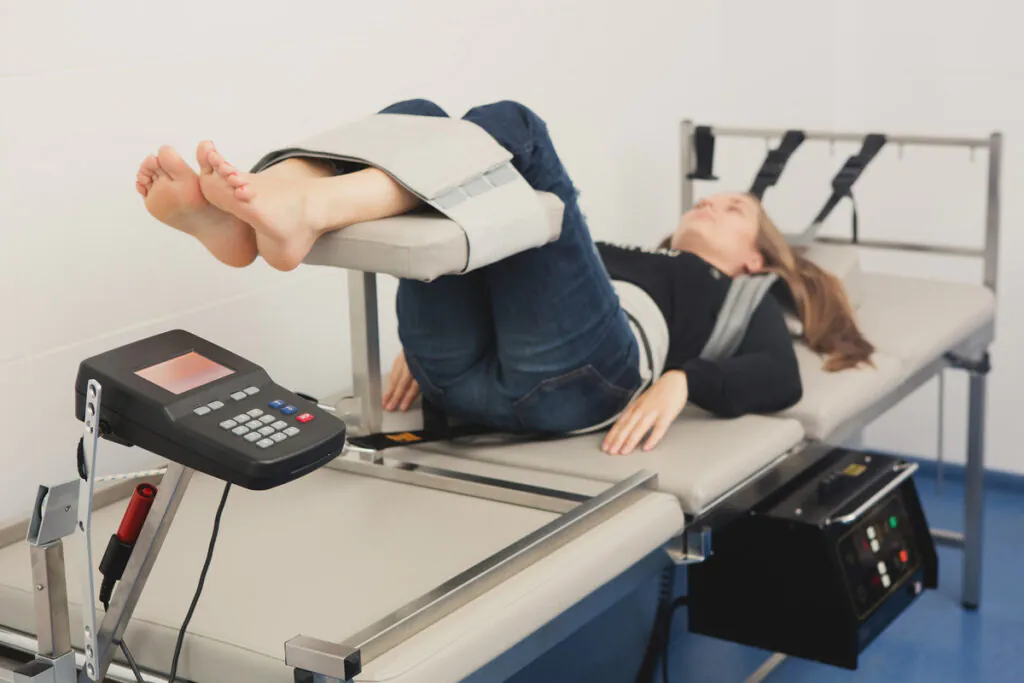
As a local chiropractor, I want to shed light on the often-overlooked causes of back pain you might experience during sports. Many of my patients don't realize that issues like poor posture, weak core muscles, and improper lifting techniques can significantly impact your performance and enjoyment of the game. Understanding these underlying factors is crucial for finding relief and enhancing your athletic experience.
In my practice, I've seen how simple adjustments to your routine can lead to remarkable changes. By incorporating specific exercises and techniques, you can strengthen your body and alleviate that nagging back pain. It's not just about pushing through discomfort; it's about addressing the root causes to ensure long-term wellness.
I encourage you to think about how small modifications in your posture or core stability can transform your activities on the field or court. The keys to unlocking lasting relief are often within your reach through natural healing and chiropractic care. Let's work together to find the best approach for you!
Understanding Back Pain Causes
As a local chiropractor, I often encounter patients who are struggling with back pain, a common issue that can impact athletes and non-athletes alike.
It's crucial to understand the various causes of back pain so that we can work together on effective prevention and treatment strategies. You may be surprised to find out that back pain can originate from multiple factors, such as poor posture, muscle imbalances, and overuse injuries. Engaging in high-impact activities can put significant strain on your spine and surrounding muscles, resulting in discomfort over time.
One significant contributor to back pain is improper lifting techniques. Whether you're at the gym lifting weights or carrying sports gear, using the wrong posture can place unnecessary stress on your back. I always emphasize the importance of bending at the hips and keeping your back straight when lifting.
Additionally, weak core muscles can exacerbate back pain since they're vital for supporting your spine. A lack of core strength can lead to compensatory movements that ultimately strain your back.
Repetitive motions in your sport can also lead to muscle imbalances. When certain muscles become stronger than others, they can pull your spine out of alignment, resulting in pain. It's essential to be mindful of your body mechanics during training sessions.
Moreover, don't overlook the importance of hydration; dehydration can hinder muscle function and heighten the risk of injury.
By identifying the underlying causes of your back pain, we can take proactive steps to address them. Understanding what triggers your discomfort will empower you to implement effective prevention strategies, ultimately helping you avoid long-term issues.
Together, we can explore natural healing methods to restore balance and promote your overall well-being.
Effective Stretching Techniques
As a local chiropractor, I want to emphasize the importance of incorporating effective stretching techniques into your daily routine. Many of my patients experience back pain, and I've found that regular stretching can significantly alleviate discomfort and enhance overall flexibility.
By stretching, you increase blood flow to your muscles, which helps reduce tension and pain. Here are some key stretches I recommend for you to consider.
First, let's start with the child's pose. To perform this stretch, kneel on the floor, sit back on your heels, and extend your arms forward while lowering your torso towards the ground. Hold this position for about 30 seconds to a minute. This gentle stretch targets the lower back and promotes relaxation, making it an excellent way to start your stretching routine.
Next, I encourage you to try the cat-cow stretch. Begin on all fours with your wrists aligned under your shoulders and your knees directly under your hips. Inhale as you arch your back, lifting your head and tailbone towards the ceiling (this is the cow position). Then exhale as you round your back, tucking your chin and pelvis (the cat position). Flow through this movement for around a minute; it's fantastic for enhancing spinal flexibility.
Another stretch I often recommend is the seated forward bend. Sit with your legs extended straight in front of you. Inhale and reach your arms overhead, then exhale as you bend forward, aiming to reach your toes. Hold this position for about 30 seconds. This stretch effectively targets both the hamstrings and the lower back, which can be beneficial for overall spinal health.
Finally, don't overlook the hip flexor stretch. Step one foot forward into a lunge, keeping your back knee gently resting on the ground. Shift your weight forward slightly to feel a stretch in the hip of your back leg. Hold for 30 seconds before switching sides. This stretch is particularly beneficial for those of you who spend long periods sitting, as it helps to open up the hips and relieve tension.
Incorporating these stretches into your routine can lead to a noticeable reduction in back pain. Remember, maintaining flexibility and mobility is key to your overall health, and I'm here to guide you on your journey to natural healing.
Strengthening Your Core
As a local chiropractor, I want to emphasize the importance of having a strong core for your overall health and well-being, especially when it comes to preventing and alleviating back pain. A well-developed core provides vital stability and support for your spine during everyday activities and while engaging in sports.
By strengthening your core, you enhance your body's ability to maintain proper posture, distribute weight evenly, and absorb shock from physical activities—all crucial for avoiding strain and injury.
To effectively build core strength, I recommend focusing on exercises that engage multiple muscle groups, including your abdominal muscles, obliques, and lower back. One of the best exercises to start with is the plank. This move engages your entire core while promoting stability. Aim for holding a plank for 30 seconds to a minute, and as you become stronger, gradually increase the duration.
Another fantastic exercise is the bridge. When you lie on your back with your knees bent and feet flat on the ground, you can lift your hips toward the ceiling. This action not only strengthens your abdominal muscles but also protects your lower back by engaging your glutes and core.
Don't overlook the importance of rotational movements, such as Russian twists. While sitting on the floor with your knees bent, lean back slightly and twist your torso from side to side. This targets your obliques and enhances your functional strength, which is beneficial for a variety of sports and activities.
For optimal results, I encourage you to incorporate these exercises into your routine at least two to three times a week. You'll likely notice significant improvements in your core strength and overall stability.
With a solid core, you'll be better prepared to manage and prevent back pain, allowing you to enjoy your favorite activities to the fullest. Remember, a strong core is a key component of a healthy spine, and as your chiropractor, I'm here to support you on your journey to better health through natural healing.
Proper Lifting and Movement
As a local chiropractor, I want to emphasize the importance of having a strong core for safe and effective movement, particularly when lifting and performing everyday tasks. Engaging your core is crucial, as it stabilizes your spine and significantly reduces the risk of injury.
When you're preparing to lift something, it's essential to position yourself close to the object. Bend at your hips and knees while keeping your back straight. This technique not only helps distribute the weight evenly but also minimizes strain on your back, which is vital for your spinal health.
As you lift, remember to utilize your legs instead of your back. Straighten your legs while keeping the object close to your body. This approach alleviates the burden on your spine and allows for better control over the lift. If you encounter a heavy or awkwardly shaped item, don't hesitate to ask for assistance or use helpful tools such as a dolly or lifting straps.
While moving, pay attention to your posture. Keep your shoulders back and down, and avoid twisting your torso during the lift. Instead, pivot your feet to change direction. This practice maintains spinal alignment and helps prevent unnecessary strain.
Moreover, it's important to be aware of how you carry out everyday movements. Whether you're bending to tie your shoes or reaching for something on a high shelf, always engage your core and uphold good posture.
By consistently practicing these proper lifting and movement techniques, you can protect your back and enhance your overall physical performance, effectively reducing the risk of sports-related back pain.
When to Seek Professional Help
As your local chiropractor, I want to help you understand when it's important to seek professional help for back pain. Many people may not realize that ignoring persistent or severe pain can lead to more complications and prolong your recovery process.
It's crucial to pay attention to your body's signals and know when to reach out for guidance. Here are four key signs that indicate it's time to consult a chiropractor or healthcare provider:
- Persistent Pain: If your back pain lingers for more than a few days or fails to improve with rest, it's a clear signal to seek expert advice. Chronic pain may suggest an underlying issue that needs to be addressed for effective healing.
- Radiating Pain: If you experience pain that travels down your legs or into your arms, this could indicate nerve involvement. This symptom shouldn't be taken lightly, as it may require specialized care to address the root cause.
- Loss of Function: Difficulty in performing everyday tasks such as bending, lifting, or walking is a strong indicator that you need professional help. When your functional capabilities are compromised, it can significantly affect your quality of life.
- Accompanying Symptoms: Keep an eye out for other concerning symptoms, such as numbness, weakness, or issues with bowel and bladder control. These signs necessitate immediate medical attention and could be indicative of a more serious condition.
Don't wait for your pain to escalate or become unbearable. Seeking chiropractic help early on can facilitate a quicker recovery and help you return to the activities you enjoy.
Conclusion
As a local chiropractor, I want to emphasize the importance of a proactive approach when it comes to managing sports-related back pain. Many athletes and active individuals may not realize that understanding the underlying causes of their discomfort is the first step towards relief. Incorporating effective stretching and core-strengthening exercises into your routine can significantly alleviate pain and enhance your overall performance.
It's crucial to prioritize proper lifting techniques and stay well-hydrated to help prevent injuries before they occur. These simple adjustments can make a world of difference in how your back feels during and after physical activity.
If you find that pain persists despite these efforts, I encourage you to consider seeking professional help. Chiropractic care focuses on natural healing and can provide tailored treatments to address your specific needs. With the right strategies and support, you can enjoy your favorite sports without the burden of back pain. Your journey to a healthier back starts here!