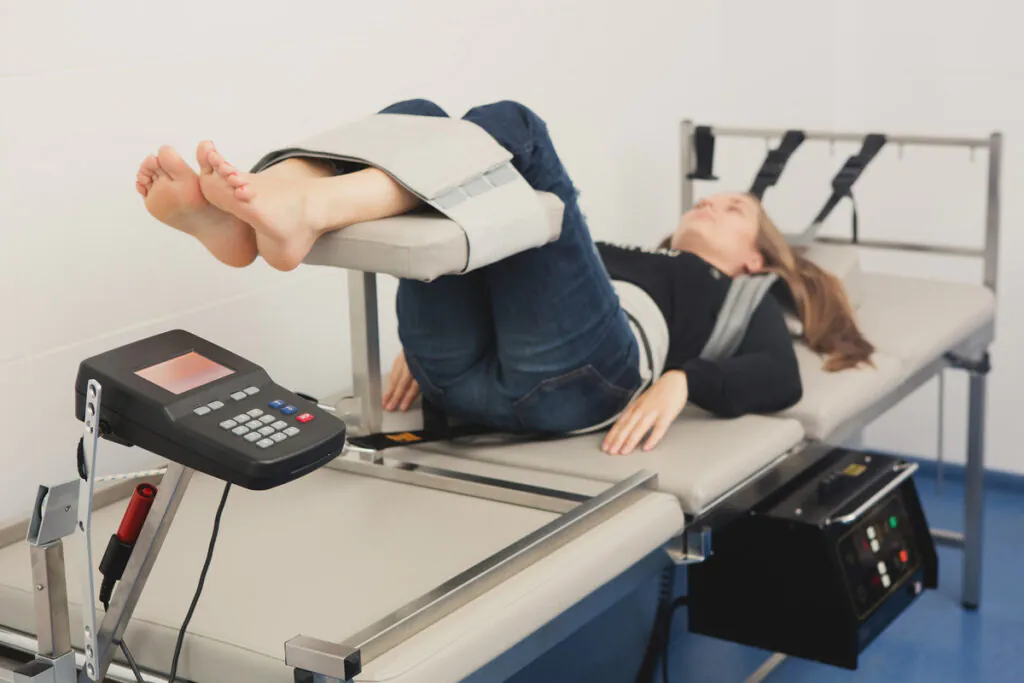
If you're experiencing upper back pain, know that you're not alone, and I'm here to help you find relief. Many people struggle with this issue, often due to poor posture, stress, or muscle imbalances. The good news is that alleviating your discomfort doesn't have to be complicated.
As a chiropractor, I often recommend a combination of targeted stretches and ergonomic adjustments that can easily be incorporated into your daily routine. However, it's important to first identify the underlying causes of your pain to address them effectively.
Understanding the root of your discomfort is key to finding lasting relief. Sometimes, simple adjustments to your posture or workspace can make a world of difference. Imagine how much better you could feel with just a few changes! If you're ready to explore natural healing methods and take control of your upper back pain, let's work together to unlock the secrets to your relief.
Understanding Upper Back Pain
As a local chiropractor, I want to take a moment to talk about upper back pain, a common issue that many individuals encounter at some point in their lives. This discomfort typically occurs in the area between your neck and lower back, and it can significantly impact your daily activities and overall well-being. Understanding this type of pain is crucial for effective management and relief, especially when considering natural healing methods.
The upper back, or thoracic region, is composed of 12 vertebrae, along with essential muscles, ligaments, and nerves. This area plays a vital role in supporting your posture and facilitating smooth movement. When pain arises in this region, it can be attributed to various factors such as muscle strain, poor posture, or excessive tension. By recognizing these contributing elements, you can identify potential triggers and collaborate with me to develop strategies for alleviating discomfort.
You may notice that the intensity and duration of your pain can fluctuate. It could present as a dull ache that lingers throughout the day or as sharp, sudden discomfort that disrupts your routine. Both experiences can significantly affect your quality of life.
It's important to observe when and how the pain occurs, as this information can guide us in addressing it effectively through chiropractic care.
Incorporating simple stretches, maintaining good posture, and taking regular breaks during prolonged sitting can greatly enhance your condition. As your chiropractor, I'm here to help you understand the nature of your upper back pain and equip you with proactive steps toward relief.
Common Causes of Discomfort
As a local chiropractor, I want to help you understand some common causes of discomfort in your upper back and how we can address them naturally. One of the primary issues I see in my practice is poor posture. Many of us spend long hours hunched over computers or slouched on couches, which can lead to strain in your back muscles. Over time, this strain can create muscle imbalances that contribute to your pain.
Another frequent cause of upper back discomfort is muscle tension. Stress and anxiety can lead you to unconsciously tighten your shoulder and upper back muscles. Additionally, repetitive movements or heavy lifting without proper form can irritate the muscles in your upper back, causing discomfort.
Inadequate support during sleep is also a significant factor. If your mattress or pillows lack proper support, you may wake up feeling stiff or sore. Previous injuries or conditions, such as herniated discs or arthritis, can further contribute to ongoing discomfort in this area.
A sedentary lifestyle can also exacerbate your situation. When you don't engage in enough physical activity, your muscles may weaken, making it harder for them to support your upper back. Furthermore, age-related changes in your spine can increase sensitivity and discomfort.
Identifying the specific causes of your upper back pain is crucial for finding effective relief. At my practice, we focus on educating patients about these common triggers so that you can take proactive steps to address them.
Effective Stretching Techniques
As a local chiropractor dedicated to helping you understand the benefits of natural healing, I want to share some effective stretching techniques to alleviate upper back pain.
By focusing on targeted muscle stretches, you can release built-up tension and promote healing in your body. Establishing a daily stretching routine is crucial for maintaining flexibility and strength, which are essential for overall wellness.
Let me guide you through some simple yet powerful stretches you can easily incorporate into your daily life.
These exercises not only help relieve discomfort but also empower you to take control of your health naturally.
Targeted Muscle Stretches
As a local chiropractor, I want to share some valuable insights about how targeted muscle stretches can significantly alleviate upper back pain. Many patients come to me with discomfort caused by tension and tightness in specific areas of their upper back. By focusing on these key muscle groups, you can enhance your flexibility and reduce strain, which is essential for promoting natural healing.
One highly effective stretch I recommend is the doorway stretch. To perform this stretch, stand in a doorway, place your hands on the doorframe, and gently lean forward. This movement will help you feel a stretch across your chest and shoulders, which can alleviate tightness in these areas. Aim to hold this position for 15 to 30 seconds.
Another excellent stretch is the cat-cow stretch. Start by getting on all fours. As you arch your back and look upward (this is the "cow" position), you'll open up your spine. Then, transition into the "cat" position by rounding your spine and tucking your chin to your chest. Repeat this sequence for 5 to 10 cycles, and you'll notice how it helps relieve tension in your back.
The seated twist is also beneficial. While sitting on the floor with your legs extended, bend your right knee and position your foot outside your left knee. As you twist your torso to the right, use your left arm to deepen the stretch. Hold this position for 15 to 30 seconds before switching sides. This stretch can help improve spinal mobility and reduce discomfort.
Lastly, don't underestimate the power of the child's pose. Kneel on the floor, sit back on your heels, and stretch your arms forward on the ground. Allow yourself to relax into this stretch, which is fantastic for overall back relief.
Incorporating these targeted stretches into your daily routine can be an effective way to manage and alleviate upper back pain naturally. Always remember that listening to your body and practicing these stretches mindfully will enhance your healing process.
If you have any questions or need further guidance, don't hesitate to reach out during your next visit!
Daily Stretching Routines
As a local chiropractor, I often emphasize the importance of a daily stretching routine for maintaining optimal upper back health. Many of my patients may not be aware that incorporating specific stretches into their daily lives can significantly relieve tension, enhance flexibility, and improve overall posture.
To start, I recommend simple neck stretches. Gently tilting your head from side to side and holding each position for about 15 seconds can help loosen tight muscles and promote better blood circulation. This small adjustment can make a noticeable difference in how your neck feels throughout the day.
Next, consider the cat-cow stretch. Begin in a tabletop position on your hands and knees. Arch your back upward like a cat, then dip it down while lifting your head and tailbone. Performing this motion for about 30 seconds can greatly increase mobility and reduce stiffness in your back.
Another effective stretch is the doorway stretch. Stand in a doorway, place your forearms on the door frame, and lean forward gently. Holding this position for 20-30 seconds can help open up your chest and alleviate tightness in the upper back, which is often a common complaint among those who spend long hours sitting.
Finally, I encourage you to dedicate a few minutes to deep breathing exercises. Inhale deeply while stretching your arms overhead, and exhale as you lower them. This practice not only relaxes your muscles but also helps calm your mind, creating a holistic sense of well-being.
Remember, consistency is key in achieving the best results. I advise my patients to make stretching a daily habit. By doing so, you can support your chiropractic care and overall health.
If you have any questions or would like personalized guidance, feel free to ask during your next visit!
Strengthening Exercises to Try
As a chiropractor dedicated to your well-being, I want to share the importance of incorporating strengthening exercises into your routine to alleviate upper back pain.
Engaging in resistance band workouts and core stability exercises isn't just beneficial for your back; it plays a crucial role in enhancing your overall posture and strength.
These exercises target key muscle groups that support your spine, helping you to maintain a healthier alignment and reduce discomfort.
By integrating these movements into your daily life, you can improve your body's resilience and promote natural healing.
Resistance Band Workouts
As a local chiropractor, I often encounter patients struggling with upper back pain, which can be quite debilitating. One effective approach to alleviate this discomfort is through resistance band workouts.
These exercises are designed to strengthen the muscles that support your spine, which can lead to improved posture and a reduction in pain. The great news is that you don't need a gym to perform these exercises; resistance bands are portable and versatile, making it easy to integrate them into your daily routine.
Here are five resistance band exercises that I recommend to help strengthen your upper back:
- Seated Rows: Sit with your legs extended in front of you. Wrap the band around your feet, and pull it towards your torso while engaging your shoulder blades by squeezing them together. This exercise helps improve your upper back strength.
- Lateral Pulls: Anchor the band at shoulder height. Hold the ends and pull them apart, focusing on engaging the muscles in your upper back. This movement can enhance your overall shoulder stability.
- Face Pulls: Secure the band at head height. Hold it with both hands and pull it towards your face while keeping your elbows elevated. This exercise is excellent for posture and shoulder alignment.
- Reverse Flys: Stand on the band with your feet shoulder-width apart. Hold the ends and extend your arms out to the side, concentrating on squeezing your shoulder blades together. This helps in developing strong posterior shoulder muscles.
- Chest Press: Anchor the band behind you, hold the ends, and push forward. This movement not only strengthens your upper back but also engages your core as you stabilize during the exercise.
By incorporating these resistance band exercises into your routine, you can effectively strengthen your upper back and alleviate pain.
Core Stability Exercises
As a local chiropractor, I want to emphasize the importance of core stability exercises for your overall health and well-being, particularly in alleviating upper back pain. Strengthening your core muscles creates a solid foundation for your entire body, which in turn supports your spine and enhances your posture, helping to reduce discomfort significantly.
Let's start with one of the key exercises: the plank. Begin by positioning yourself face down, resting on your forearms and toes, ensuring your body forms a straight line. Aim to hold this position for 20-30 seconds, and as you build strength, gradually increase the duration. This exercise is excellent for building core stability.
Next, I recommend the bird-dog exercise. From a tabletop position on your hands and knees, extend your right arm forward while simultaneously extending your left leg backward. Hold this position for a few seconds, then switch sides. This exercise not only strengthens your core but also enhances your balance and stability, which are crucial for preventing injuries.
Another beneficial exercise is the bridge. Lie on your back with your knees bent and feet flat on the floor. Lift your hips towards the ceiling while squeezing your glutes at the top of the movement. Hold for a few seconds before lowering back down. This exercise targets your lower back and glutes, contributing to a stronger core.
Finally, I encourage you to incorporate side planks into your routine for lateral stability. Lie on your side, propping your body up with one forearm and the side of your foot. Hold this position for as long as you can to strengthen your oblique muscles, which play an important role in spinal support.
Importance of Ergonomics
As a local chiropractor, I want to emphasize the importance of ergonomics in preventing and alleviating upper back pain, particularly for those of you who spend long hours sitting at desks or using computers.
Properly optimizing your workspace can significantly reduce strain on your back and enhance your overall comfort. Creating an environment that encourages good posture and minimizes discomfort is essential for your well-being.
Here are some key ergonomic principles you should consider:
- Chair Height: Make sure to adjust your chair so that your feet rest flat on the floor. Your knees should be at a 90-degree angle to ensure optimal support.
- Desk Setup: Your desk should be at elbow height, so your arms can rest comfortably while typing. This prevents unnecessary tension in your shoulders and neck.
- Monitor Position: It's crucial to position your monitor at eye level, about an arm's length away. This helps avoid straining your neck and upper back, which can lead to pain over time.
- Keyboard and Mouse: Keep your keyboard and mouse close to your body. Ensure that your wrists remain straight while using them to prevent strain and discomfort.
- Frequent Breaks: Make it a habit to take regular breaks to stand, stretch, and move around. This simple practice helps prevent stiffness and reduces your risk of pain.
By implementing these ergonomic strategies, you can significantly improve how you feel throughout the day.
Prioritizing your comfort and posture is a proactive way to prevent upper back pain and promote overall health. Remember, even small adjustments in your workspace can yield lasting benefits for your back health.
If you have any questions or need further guidance, don't hesitate to reach out. Your health is worth it!
Stress Management Strategies
As a local chiropractor, I want to share some valuable insights on how optimizing your workspace can help alleviate physical discomfort, particularly upper back pain.
However, it's equally important to address the mental and emotional factors that contribute to this discomfort. Stress is often held in our muscles, leading to tension and pain in the upper back.
To effectively manage stress, I recommend incorporating mindfulness practices into your daily routine. Even taking just a few minutes for deep breathing or meditation can help calm your mind and release the tension that accumulates in your back.
Physical activity is another essential component. Regular exercise not only enhances your mood but also strengthens your muscles, making it easier for your body to handle stress.
I encourage you to engage in activities you enjoy—whether that's walking, yoga, or dancing—finding what resonates with you is key.
Building a supportive social network can also be beneficial. Sharing your feelings and experiences with friends, family, or even a therapist can provide relief and new perspectives, helping to lower your overall stress levels.
Establishing boundaries in your life is crucial as well. It's important to learn to say no when necessary and prioritize your mental health. Overcommitting can lead to increased stress, which often manifests as physical discomfort.
Lastly, don't underestimate the power of a good night's sleep. A well-rested body is much more resilient to stress and better equipped to face daily challenges.
Aim for consistent sleep patterns and consider creating a relaxing bedtime routine.
By actively managing stress through these strategies, you can't only improve your emotional well-being but also alleviate the physical discomfort in your upper back.
As your chiropractor, I'm here to support you on your journey to better health through natural healing methods.
Daily Habits for Relief
As a local chiropractor, I want to share how incorporating daily habits can significantly relieve upper back pain and enhance your overall comfort and well-being. By making simple adjustments to your routine, you can alleviate discomfort and improve your posture. Here are some effective habits you can adopt:
- Practice good posture: It's essential to be mindful of your posture whether you're sitting at a desk or standing. Keeping your shoulders back and your spine aligned prevents unnecessary strain on your upper back. I often emphasize this during adjustments, as proper alignment is key to pain relief.
- Take regular breaks: If your job involves sitting at a desk or performing repetitive tasks, I recommend setting a timer to remind you to stand up and stretch every hour. This practice helps reduce tension in your muscles and keeps them engaged, all of which we address in our sessions.
- Stay active: Engaging in low-impact exercises such as walking, swimming, or yoga can greatly strengthen your back muscles and maintain flexibility. Regular activity combats stiffness and improves circulation, both of which are crucial for your spinal health.
- Use ergonomic furniture: Investing in a chair that supports your lower back and encourages proper posture is vital. I often suggest considering a standing desk or adjusting your workstation to promote comfort, as these changes can significantly impact your spinal alignment.
- Incorporate stretching: Taking a few minutes each day to perform gentle stretches focusing on your upper back and shoulders can help relieve tightness and enhance your range of motion. I often guide patients through specific stretches during our appointments to help them build a routine that complements their chiropractic care.
By adopting these habits, you can enhance your journey toward relief and better health, making chiropractic care even more effective.
If you have questions or need personalized advice, feel free to reach out during your next visit!
When to Seek Professional Help
As a local chiropractor, I want to help you understand when it's critical to seek professional help for upper back pain. Recognizing the right time to reach out can significantly impact your healing journey. If you find that your pain persists for more than a few weeks, even after trying self-care methods, it's definitely time to consult with a healthcare professional, like myself. Your body communicates important signals, and ongoing pain may suggest a more serious issue that we can evaluate together.
You should particularly seek help if you're experiencing severe pain that doesn't improve with rest or over-the-counter pain medications. If your upper back pain radiates down your arms, or if you notice symptoms such as numbness, tingling, or weakness, these are signs that deserve immediate attention. They could indicate nerve involvement or other underlying conditions that require a thorough assessment.
If you've recently sustained an injury that you believe may have contributed to your back pain, don't hesitate to get evaluated. Ignoring pain related to trauma can lead to further complications, and I'm here to help guide you through that process.
Additionally, if you notice any changes in your bowel or bladder function, or if you're experiencing unexplained weight loss along with your back pain, these are serious red flags that need urgent medical evaluation.
As your chiropractor, my goal is to provide you with the knowledge and care you need to promote natural healing and recovery. Remember, it's always better to be proactive about your health!
Long-Term Prevention Tips
As a local chiropractor, I'm here to help you understand the importance of maintaining a strong and flexible upper back to prevent pain in the long run. Many people are unaware of how simple habits can significantly reduce the risk of developing upper back discomfort.
Here are some practical long-term prevention tips that I recommend to keep your upper back healthy and pain-free:
- Strengthen your muscles: Incorporating exercises that specifically target your upper back is crucial. Activities like rows, pull-ups, and shoulder shrugs can help build strength, which supports your spine and promotes good posture. Strong muscles are your first line of defense against pain.
- Improve your posture: Being mindful of your posture throughout your daily activities is vital. Whether you're sitting at a desk or standing, strive to keep your shoulders back and your spine aligned. This simple adjustment can significantly reduce strain on your upper back.
- Stay active: Engaging in regular physical activity is essential for maintaining flexibility and strength in your muscles. Aim for at least 150 minutes of moderate aerobic activity each week—whether that's walking, swimming, or practicing yoga—these activities can do wonders for your upper back health.
- Stretch daily: Don't underestimate the power of stretching! Incorporate upper back stretches into your daily routine to enhance flexibility and alleviate tension. This practice will help you maintain proper posture with greater ease.
- Invest in ergonomic furniture: If you spend a lot of time working at a desk, consider investing in ergonomic furniture. An ergonomic chair and desk setup can ensure proper alignment while you work, significantly reducing the likelihood of developing pain.
By adopting these simple yet effective habits, you can take control of your upper back health and reduce the risk of pain.
If you have any questions or need personalized advice, feel free to reach out to me. Your well-being is my priority!
Conclusion
As a local chiropractor, I want to share some effective strategies that can help alleviate your upper back pain and enhance your overall well-being. It's essential to first understand the common causes of upper back discomfort, which can often stem from poor posture, stress, and muscle tension. By incorporating specific stretches into your daily routine, you can relieve tension and improve your spinal health.
Focusing on ergonomics is crucial as well; creating a supportive environment for your spine can make a significant difference. Simple adjustments to your workspace or daily activities can help maintain proper alignment. Additionally, managing stress through relaxation techniques is vital, as stress can contribute to muscle tightness and discomfort.
I encourage you to adopt healthy habits that promote long-term relief, such as regular exercise, proper hydration, and a balanced diet. However, if you find that your pain persists, I urge you not to hesitate in seeking professional help. Chiropractic care can offer natural healing solutions tailored to your individual needs. By prioritizing your health, you'll not only feel more resilient but also more energized in no time!