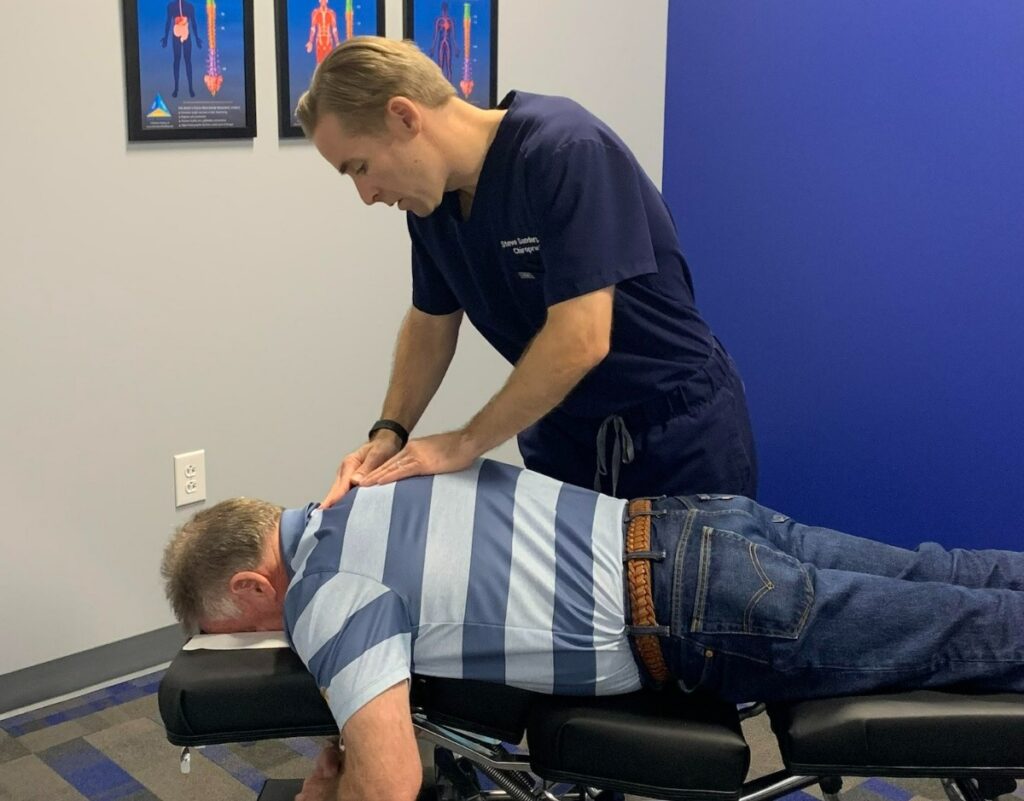
As a local chiropractor, I want to reassure you that if you’re dealing with back pain, you’re definitely not in this alone. Many individuals are looking for natural alternatives to alleviate their discomfort without turning to medication. Thankfully, there are numerous effective strategies you can consider.
One of the key aspects of managing back pain is the importance of posture. Simple adjustments in how you sit, stand, or lift can have a profound impact on your well-being. Additionally, incorporating specific exercises tailored to strengthen your back and core can further enhance your recovery.
Curious about which methods might be most effective for you? Let’s explore some practical and natural solutions that can help you find relief and improve your overall spinal health.
Maintain Good Posture
As a local chiropractor, I want to emphasize the importance of maintaining good posture for your overall health and well-being. When you sit or stand with proper alignment, you significantly reduce the strain on your back, which can help prevent discomfort and pain. Keeping your spine aligned helps to evenly distribute your body weight, making a world of difference in how you feel throughout the day.
For those of you who spend long hours at a desk, it’s crucial to keep your feet flat on the floor and your knees at a right angle. Adjusting your chair and monitor height can help you avoid slouching, which is a common issue that can lead to chronic pain.
When you’re walking, remember to keep your shoulders back and your head held high. Visualize a string pulling you upward from the top of your head. This not only enhances your posture but also gives a boost to your confidence, which is beneficial for both your mental and physical health.
If you’re finding it challenging to maintain awareness of your posture, consider setting reminders throughout the day. Regularly checking in with yourself and making necessary adjustments can be a game-changer.
Incorporate Regular Exercise
As a local chiropractor, I want to emphasize the importance of incorporating regular exercise into your daily routine to help relieve back pain and enhance your overall health. Engaging in physical activity plays a crucial role in strengthening the muscles that support your spine, which can significantly alleviate discomfort you may be experiencing.
I recommend focusing on low-impact exercises such as walking, swimming, or cycling. These activities are gentle on your back while still offering substantial benefits. Additionally, strength training is essential; exercises that target your core can provide improved stability and support for your spine.
Consider adding practices like yoga or Pilates to your routine. These disciplines promote flexibility and proper alignment, which can reduce tension in your back and contribute to better posture. Aim for at least 30 minutes of moderate exercise most days of the week.
It’s vital to listen to your body. If any activity causes pain, please stop and consult with a professional like myself. Gradually increasing the intensity of your workouts can help prevent injury, and remember, consistency is key.
Use Heat and Cold Therapy
As a local chiropractor, I want to share some effective strategies for managing back pain that can complement your overall care. One of the most beneficial methods is the use of heat and cold therapy, which you mightn’t be familiar with but can make a significant difference in your comfort and healing process.
Heat therapy is particularly useful for relaxing tight muscles and enhancing blood circulation, which in turn alleviates discomfort. You can easily incorporate this into your routine by using a warm towel, a heating pad, or even enjoying a warm bath. For optimal results, apply heat for about 15-20 minutes at a time, but be mindful not to exceed this duration to avoid overheating your skin.
Conversely, cold therapy serves a different purpose. It helps numb the painful area and reduces inflammation and swelling, which are common contributors to back pain. You can use ice packs or a bag of frozen vegetables wrapped in a cloth for this purpose. Just like with heat, aim for 15-20 minutes of application, and don’t forget to give your skin a break between sessions.
I encourage you to experiment with both heat and cold to discover what feels best for your body. Many patients find that alternating between the two therapies can provide the most effective relief.
Always listen to your body’s signals and adjust your approach as necessary. Incorporating these natural methods can enhance your recovery and support your chiropractic care journey.
Try Yoga and Stretching
As a chiropractor, I often emphasize the importance of incorporating yoga and stretching into your wellness routine, especially if you’re experiencing back pain. Many people view these practices solely as a way to enhance flexibility, but they can be pivotal in alleviating discomfort and promoting overall health.
Engaging in yoga and stretching can help to strengthen your core, improve your posture, and enhance blood circulation to your back muscles, which can all contribute to a healthier spine.
I recommend starting with gentle stretches like the cat-cow pose or child’s pose, which are excellent for relieving tension and increasing mobility. As you grow more comfortable, you may want to explore more advanced yoga poses that specifically target the lower back and hips, such as downward dog or pigeon pose.
It’s crucial to listen to your body during these practices; pushing beyond your limits can lead to further discomfort. Regular yoga practice not only fosters a stronger mind-body connection but also helps to reduce stress and tension—factors that can exacerbate back pain.
Explore Acupuncture
As a local chiropractor, I want to introduce you to a natural approach to relieving back pain: acupuncture. This ancient practice can be a valuable addition to your pain management strategy, especially if traditional methods haven’t provided the relief you seek.
Acupuncture involves the careful insertion of thin needles into specific points on the body, which can promote healing and reduce discomfort. Many of my patients find that it not only alleviates back pain but also contributes to their overall sense of well-being.
Here are some key benefits of acupuncture that I encourage you to consider:
- Pain Reduction: Acupuncture stimulates the nervous system, leading to the release of endorphins—your body’s natural painkillers—thereby helping to diminish pain.
- Increased Mobility: By relaxing tight muscles and improving blood circulation, acupuncture can enhance your range of motion, making daily activities easier and more enjoyable.
- Stress Relief: Many people experience stress, which can lead to muscle tension and exacerbate pain. Acupuncture can help lower stress levels, promoting relaxation and a sense of calm.
If you’re interested in incorporating acupuncture into your back pain relief plan, I recommend consulting with a licensed acupuncture practitioner.
It could provide a holistic approach that works in harmony with chiropractic care, helping you on your journey toward improved health and wellness.
Practice Mindfulness and Meditation
As a local chiropractor, I want to share the benefits of practicing mindfulness and meditation as part of your journey toward reducing back pain.
These techniques can significantly promote relaxation and mental clarity, which are essential for your overall healing.
I often recommend various guided meditation techniques that can easily fit into your daily routine.
By staying consistent with these practices, you can effectively manage your discomfort and improve your overall well-being.
Incorporating mindfulness into your life not only complements chiropractic care but also empowers you to take an active role in your health.
Let’s explore how these natural healing methods can work together to enhance your quality of life.
Benefits of Mindfulness
As a local chiropractor, I want to share with you some effective ways to alleviate back pain that you may not have considered yet. Incorporating mindfulness and meditation into your routine can significantly enhance your overall well-being and support your healing journey.
These practices can help you connect more deeply with your body and reduce stress, which is often a contributing factor to pain. Here are some key benefits of mindfulness that I encourage you to explore:
- Improved Focus: Mindfulness training sharpens your attention, allowing you to better manage pain signals and minimize distractions that can make your discomfort feel worse.
- Stress Reduction: Practicing mindfulness calms the mind, which can lower cortisol levels in your body. This reduction in stress hormones can help release tension in your back muscles and promote relaxation.
- Enhanced Emotional Resilience: Engaging in mindfulness regularly can help foster a positive mindset, making it easier for you to cope with discomfort and any setbacks you might encounter during your recovery process.
Guided Meditation Techniques
As a local chiropractor, I want to share with you how guided meditation techniques can be an effective complement to your chiropractic care for relieving back pain. Many people aren’t familiar with the benefits of incorporating mindfulness and relaxation into their healing routines.
These techniques can help you focus your mind and promote relaxation, which is essential for reducing tension in your back muscles.
To get started, find a quiet space where you can be undisturbed. You might consider using audio recordings or meditation apps that can guide you through your sessions.
During these meditations, allow yourself to visualize a pain-free back. As you take deep breaths, concentrate on letting go of any tightness or discomfort you may be feeling. Picture warmth and light washing over your back, easing your pain away.
By practicing guided meditation regularly, you can cultivate a greater sense of awareness and control over your body. This mindfulness can enhance the effects of your chiropractic adjustments and lead to lasting relief from back pain.
I encourage you to give it a try, as it can significantly enhance your overall well-being in conjunction with your chiropractic treatment.
Daily Practice Tips
As a local chiropractor, I want to share some valuable insights on how you can integrate mindfulness and meditation into your daily routine to support your overall well-being and help alleviate back pain.
Establishing a consistent practice can create positive habits that promote healing. Here are some suggestions to enhance your experience:
- Choose a peaceful environment: Find a quiet area where you can be undisturbed, allowing you to concentrate fully on your breath and thoughts. This will help reduce stress levels, which can contribute to muscle tension and discomfort in your back.
- Utilize guided resources: Consider exploring meditation apps or online videos specifically designed for beginners. These resources can provide structure and guidance, making it easier to stay committed to your practice and deepen your understanding of mindfulness.
- Incorporate gentle stretches: Before or after your meditation session, take a moment to engage in gentle stretches. This can help release built-up tension in your back and promote flexibility, further enhancing the benefits of your mindfulness practice.
By embracing these practices, you can support your body’s natural healing processes and work towards a pain-free lifestyle.
Adjust Your Sleeping Position
As a local chiropractor, I want to share with you the importance of adjusting your sleeping position to help manage back pain effectively. Many people may not realize that the way you sleep can significantly impact your spinal health.
Selecting the right mattress and utilizing appropriate pillow support techniques are essential for keeping your spine aligned during the night.
When your spine is properly aligned while you sleep, it can lead to improved comfort, reduced pain, and enhanced overall well-being.
I encourage you to consider how these adjustments could benefit you. Let’s delve into some practical tips on how to optimize your sleeping position for a healthier back.
Your journey to better spinal health starts with a good night’s sleep!
Optimal Mattress Selection
As a local chiropractor, I understand how vital it’s to choose the right mattress, especially if you’re experiencing back pain or seeking to improve your overall sleep quality.
A well-chosen mattress can significantly contribute to maintaining proper spinal alignment during your sleep, which in turn helps alleviate tension and discomfort in your body.
Here are some key points to consider when selecting a mattress that aligns with your health needs:
- Firmness Level: I often recommend a medium to firm mattress. This level of firmness provides the right amount of support for your back without being overly rigid, which can cause additional strain.
- Material Type: Consider a mattress made from memory foam or latex. These materials offer contouring support, which is essential for relieving pressure points that can lead to discomfort.
- Motion Isolation: If you share your bed with a partner, it’s important to select a mattress that minimizes motion transfer. This feature can help ensure that you both enjoy an uninterrupted night’s sleep, which is crucial for your body’s recovery and healing.
Remember, investing in a quality mattress is an important step toward better spinal health and overall wellness.
If you have any questions or need further guidance, feel free to reach out during your next visit!
Pillow Support Techniques
As a local chiropractor dedicated to helping you achieve optimal health and wellness, I want to emphasize the crucial role that proper pillow support plays in alleviating back pain. Many people overlook this aspect, but the right pillow can significantly impact your spinal alignment while you sleep.
When you rest, your pillow should help maintain the natural curve of your neck and spine.
For those of you who sleep on your back, I recommend using a medium-loft pillow. This type of pillow supports your head properly without causing it to tilt forward, which can lead to discomfort and misalignment.
If you’re a side sleeper, a firmer, higher pillow will be beneficial. It will fill the gap between your neck and the mattress, ensuring your spine remains aligned throughout the night.
On the other hand, stomach sleepers should consider using a thin, soft pillow, or possibly forgoing a pillow altogether. This approach can help prevent unnecessary strain on the neck.
By making a simple adjustment to your pillow, you can greatly enhance your comfort and potentially reduce back pain, leading to improved sleep quality.
As you explore natural healing methods, remember that a good night’s sleep, supported by the right pillow, is a vital component of your overall well-being.
Consider Herbal Remedies
As a local chiropractor, I often see patients who are exploring options beyond traditional treatments for back pain. Many have found that incorporating herbal remedies can provide valuable support in their journey toward healing.
Let’s discuss a few herbs that you might consider:
- Turmeric: This vibrant yellow spice is well-known for its anti-inflammatory properties. Adding turmeric to your diet, whether through cooking or as a supplement, can help reduce pain and swelling associated with back issues.
- Ginger: Another powerful root, ginger is celebrated for its ability to soothe muscle soreness and enhance blood circulation. You can easily enjoy ginger in teas or take it in capsule form for added benefits.
- Willow Bark: Often called “nature’s aspirin,” willow bark contains salicin, a compound that works similarly to over-the-counter pain relievers. It can be a natural option for alleviating discomfort.
Before you dive into herbal remedies, I always recommend discussing your plans with your healthcare provider, especially if you’re taking other medications.
With the right guidance and a holistic approach, these natural solutions can complement your chiropractic care and help you find the relief you’ve been looking for.
Stay Hydrated
As a local chiropractor, I want to emphasize the vital role that staying hydrated plays in your overall health and particularly in managing back pain. Many people may not realize that proper hydration is crucial for maintaining the health of your spinal discs. When you drink enough water, these discs can effectively maintain their structure and cushioning ability.
On the other hand, dehydration can lead to decreased disc height and increased pressure on your vertebrae, which can worsen your discomfort.
I encourage you to make it a regular practice to drink water throughout the day. Carrying a water bottle with you can be a great reminder, and setting alerts on your phone can help you stay on track. Aiming for at least eight 8-ounce glasses of water daily is a good goal, but you might need to adjust this based on your activity level and the climate you live in.
Additionally, incorporating hydrating foods—like fruits and vegetables—into your meals can further support your hydration needs.
Pay attention to what your body is telling you; if you feel thirsty, that’s your cue to drink more water. Staying well-hydrated not only helps flush out toxins but also reduces inflammation, offering you relief from discomfort.
Strengthen Core Muscles
As a local chiropractor, I want to emphasize the importance of strengthening your core muscles for overall health and well-being. A strong core is vital for alleviating back pain and enhancing your stability.
By supporting your spine, a well-conditioned core reduces strain on your back, making everyday activities more manageable and comfortable. You don’t need to commit to daily gym sessions; incorporating simple exercises into your routine can yield significant benefits.
Here are a few effective activities to get you started:
- Planks: This exercise involves holding a plank position, which effectively engages both your core and back muscles. It’s a fantastic way to build endurance and stability.
- Bridges: While lying on your back, lift your hips off the ground to strengthen your lower back and glutes. This movement isn’t only beneficial for your core but also helps improve your posture.
- Bicycle Crunches: This dynamic exercise targets your abdominal muscles and obliques, enhancing your core strength and stability. It’s a great way to work on your overall core fitness.
By integrating these exercises into your daily routine, you can support your spine, reduce discomfort, and promote a healthier lifestyle.
If you have any questions or need personalized guidance, feel free to reach out. Your journey to a stronger core starts here!
Conclusion
As a local Chiropractor, I want to share some natural methods that can help you alleviate back pain and enhance your overall well-being. One of the foundational aspects of good spine health is maintaining proper posture. I encourage you to be mindful of how you sit, stand, and move throughout your day. Staying active is crucial as well—engaging in regular physical activity can strengthen your back and support your spine.
In addition, practicing relaxation techniques can greatly benefit your body and mind. Techniques such as deep breathing, yoga, or even meditation can help reduce tension and stress that may contribute to back pain. It’s also important to hydrate adequately and consider incorporating anti-inflammatory herbs into your diet, as they can aid in reducing pain and inflammation.
Listening to your body is essential. If you experience discomfort or if something doesn’t feel right, please don’t hesitate to reach out for professional guidance. By embracing these natural strategies and considering the benefits of chiropractic care, you’ll be taking significant steps toward achieving a healthier, pain-free back.