
If you’ve ever stood up and felt the room spinning around you, you know just how unsettling vertigo can be. It can stop you mid-sentence, make you grab the nearest wall, or leave you afraid to move your head in certain directions. For many people here in Fort Worth, vertigo feels mysterious and frightening — especially when it keeps coming back. The good news is that understanding what causes vertigo is the first step toward finding real, lasting relief. And in many cases, conservative care like chiropractic treatment can play a meaningful role in your recovery.
What is vertigo? Vertigo is not simply feeling dizzy or lightheaded. It is a specific sensation that you or your surroundings are spinning, tilting, or moving when nothing is actually moving. It is most commonly caused by problems in the inner ear or disruptions in how the brain processes balance signals — and it can range from a brief annoyance to a condition that significantly affects daily life.
- Understanding Vertigo: More Than Just Dizziness
- What Causes Vertigo? The Most Common Triggers
- The Neck-Vertigo Connection You May Not Know About
- How Chiropractic Care Can Help with Vertigo
- Practical Tips for Managing Vertigo Day to Day
- When to See a Chiropractor for Vertigo
- Vertigo Types at a Glance
- Myths vs. Facts About Vertigo
- Final Thoughts from Cityview Chiropractic
Understanding Vertigo: More Than Just Dizziness
Many people use the words “dizzy” and “vertigo” interchangeably, but they actually describe two different experiences. General dizziness is a broad term that might mean feeling faint, unsteady, or woozy. Vertigo, on the other hand, is defined by that specific spinning or rotating sensation — as if the world around you is moving, or as if you are moving when you are perfectly still.
Vertigo is a symptom, not a diagnosis in itself. That means it is always pointing to an underlying cause, and identifying that cause is what allows for effective treatment. Episodes can last anywhere from a few seconds to several hours, and they are often triggered by head movements, changes in position, or sometimes no obvious trigger at all.
Here in Fort Worth, Dr. Steve Sanders at Cityview Chiropractic sees patients dealing with vertigo on a regular basis. It is one of those symptoms that can feel overwhelming but often has very treatable roots — especially when the musculoskeletal system is involved.
What Causes Vertigo? The Most Common Triggers
So what causes vertigo? The answer depends on the type. Vertigo is generally classified into two main categories: peripheral vertigo, which originates in the inner ear or the vestibular nerve, and central vertigo, which originates in the brain or central nervous system. The vast majority of vertigo cases — roughly the overwhelming portion — fall into the peripheral category.
Benign Paroxysmal Positional Vertigo (BPPV)
BPPV is the single most common cause of vertigo. It occurs when tiny calcium carbonate crystals called otoliths (or “ear rocks”) become dislodged from their normal position in the inner ear and migrate into the fluid-filled semicircular canals. When your head moves, these displaced crystals send incorrect signals to your brain about your body’s orientation, triggering that classic spinning sensation. Turning over in bed, looking up, or bending forward are frequent triggers for BPPV episodes.
Vestibular Neuritis and Labyrinthitis
These conditions involve inflammation of the vestibular nerve or the inner ear itself, often following a viral infection. Vestibular neuritis typically causes prolonged vertigo without hearing changes, while labyrinthitis may involve both vertigo and hearing symptoms. These forms of vertigo tend to be more intense in the early stages and gradually improve as the inflammation subsides.
Menière’s Disease
Menière’s disease is a chronic inner ear disorder associated with fluid buildup in the inner ear. It causes recurring episodes of vertigo, ringing in the ears (tinnitus), a feeling of fullness in the ear, and sometimes progressive hearing loss. Episodes can be unpredictable and are often significantly disruptive to daily activities.
Cervicogenic Dizziness
This is where chiropractic care becomes especially relevant. Cervicogenic dizziness — sometimes called cervical vertigo — arises from dysfunction in the cervical spine (the neck). Misalignments, muscular tension, or joint restrictions in the upper cervical region can interfere with the proprioceptive signals the brain relies on for balance. We’ll explore this connection in detail in the next section.
Other Contributing Factors
Less commonly, what causes vertigo may include migraines (vestibular migraine is increasingly recognized as a major trigger), certain medications, head injuries, or in rare cases, more serious neurological events. If you’ve experienced frequent headaches or migraines alongside your vertigo, that combination is worth discussing with a healthcare provider promptly.
The Neck-Vertigo Connection You May Not Know About
One of the most underappreciated causes of recurring dizziness and vertigo is dysfunction in the cervical spine. The upper neck, particularly the top two vertebrae (C1 and C2), has a uniquely dense supply of proprioceptors — sensory receptors that continuously communicate information about position and movement to the brain’s balance centers.
When the joints or muscles of the cervical spine are not moving properly — whether due to poor posture, old injuries, or chronic tension — those proprioceptive signals can become distorted. The brain receives conflicting information from the neck, the inner ear, and the eyes simultaneously, and vertigo or dizziness can result. This is one of the key reasons that neck pain and dizziness so often appear together.
It’s also worth noting that whiplash injuries — the kind commonly sustained in car accidents — can disrupt the delicate mechanics of the upper cervical spine in ways that contribute to ongoing vertigo. If you were in a collision and have since experienced episodes of dizziness, the two may very well be connected. Dr. Steve Sanders routinely evaluates patients with post-accident vertigo, and you can learn more about the relationship between car accidents and whiplash on our site.
How Chiropractic Care Can Help with Vertigo
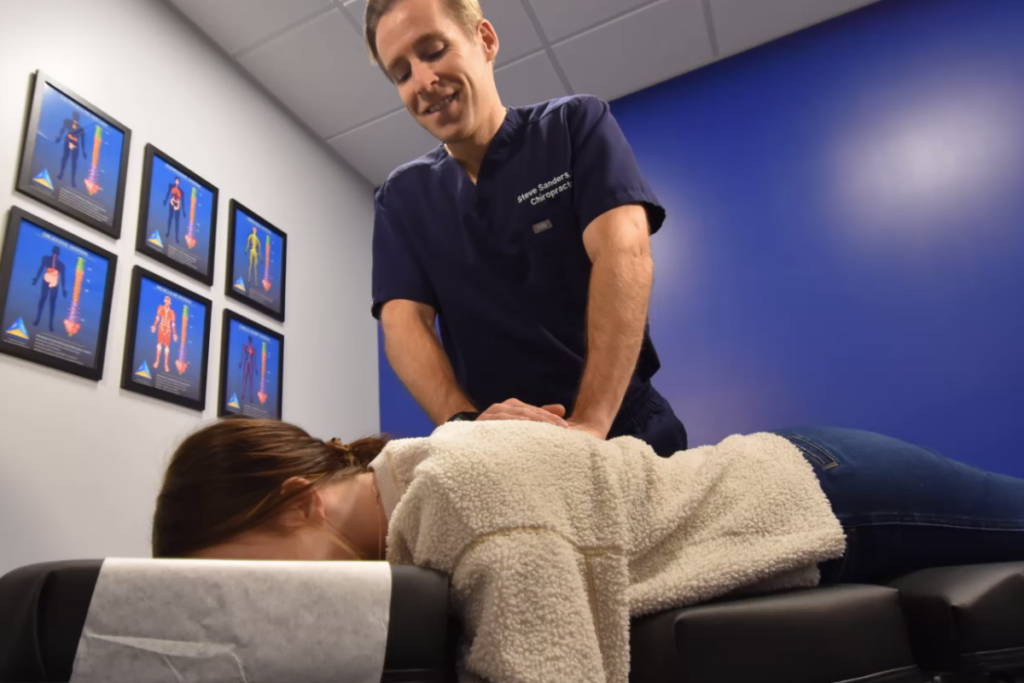
Chiropractic care approaches vertigo from a structural and neurological standpoint. Rather than masking symptoms, the goal is to identify and address the underlying mechanical contributors. At Cityview Chiropractic in Fort Worth, Dr. Steve Sanders uses a thorough evaluation process to determine whether your vertigo has a cervicogenic component, an inner ear component, or both.
Chiropractic Adjustments for the Upper Cervical Spine
When spinal misalignments or restricted joint motion in the upper cervical region are contributing to vertigo, gentle, targeted adjustments can help restore normal movement patterns. By improving the quality of the proprioceptive signals coming from the neck, chiropractic adjustments may reduce the frequency and intensity of vertigo episodes. Evidence in the chiropractic and manual therapy literature suggests that cervicogenic dizziness can respond positively to this kind of care.
The Epley Maneuver and Repositioning Techniques
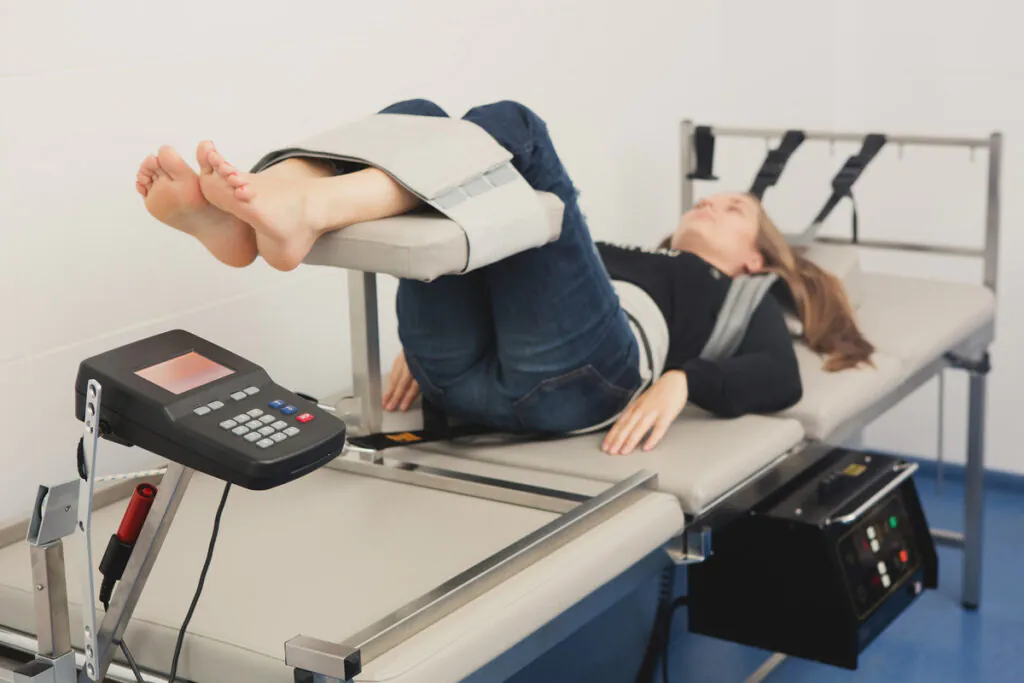
For BPPV specifically, a procedure called the Epley Maneuver is widely recognized as one of the most effective treatments available. This is a series of specific head and body movements designed to guide the displaced crystals back to their proper position in the inner ear. Dr. Steve Sanders is trained in vestibular repositioning techniques and may incorporate them into your care plan when BPPV is identified as the cause.
Soft Tissue Therapy and Rehabilitation
Tight or overactive muscles in the neck and suboccipital region can compound vestibular dysfunction. Myofascial release and other soft tissue techniques help reduce muscular tension that may be feeding into your symptoms. Combining this with physical therapy approaches for balance and vestibular rehabilitation can create a well-rounded strategy for recovery.
A Whole-Body Approach
Vertigo rarely exists in a vacuum. Many patients come in with a constellation of symptoms — dizziness, neck stiffness, shoulder tension, and headaches all at once. The comprehensive chiropractic care offered at Cityview Chiropractic takes that full picture into account, addressing the body as an interconnected system rather than treating symptoms in isolation.
Practical Tips for Managing Vertigo Day to Day
While professional evaluation and treatment are essential, there are also some practical steps you can take to reduce your risk of triggering episodes and support your recovery.
Move slowly and deliberately when changing positions, especially when getting out of bed in the morning. BPPV episodes are most commonly triggered by sudden positional changes, so taking a moment before rising can help. Sit on the edge of the bed for a few seconds before standing fully upright.
Be mindful of your sleep position. Sleeping on your back with a supportive pillow that keeps your neck in a neutral position can help reduce the strain on your cervical spine overnight. Avoid sleeping with your neck at an extreme angle or with too many pillows stacked high.
Reduce your intake of salt, caffeine, and alcohol if Menière’s disease is suspected. These substances can influence fluid levels and pressure within the inner ear and may contribute to the frequency of episodes. This is something Dr. Steve Sanders can discuss with you in the context of your full health history.
Stay hydrated and manage stress. Dehydration and high stress levels can both affect your vestibular system and make vertigo symptoms worse. Incorporating daily movement, even gentle walks, supports circulation and overall neurological function.
When to See a Chiropractor for Vertigo
If you are experiencing recurring episodes of dizziness or vertigo — particularly if they are brought on by head movements or changes in position — it is worth scheduling an evaluation with Dr. Steve Sanders at Cityview Chiropractic in Fort Worth. Many patients wait far longer than necessary to seek help, assuming vertigo will simply resolve on its own.
Chiropractic care may be especially appropriate when your vertigo is accompanied by neck stiffness or pain, a history of head or neck injury, or a pattern of symptoms that worsens with certain postures. If you’ve also been dealing with chronic vertigo symptoms and have not found lasting relief through other approaches, a chiropractic evaluation can provide a fresh perspective.
There are, however, red flags that indicate the need for immediate medical attention rather than chiropractic care. Seek emergency evaluation if your vertigo is accompanied by sudden severe headache, vision changes, difficulty speaking or swallowing, numbness or weakness in your face or limbs, or loss of consciousness. These symptoms may indicate a stroke or another serious neurological event that requires urgent medical care. Dr. Steve Sanders will always refer you appropriately when a condition falls outside the scope of chiropractic care.
Vertigo Types at a Glance
| Type of Vertigo | Primary Cause | Common Triggers | Chiropractic Role |
|---|---|---|---|
| BPPV | Displaced inner ear crystals | Rolling over in bed, looking up | Epley Maneuver / repositioning techniques |
| Cervicogenic Dizziness | Cervical spine dysfunction | Neck movements, poor posture | Spinal adjustments, soft tissue therapy |
| Vestibular Neuritis | Viral inflammation of vestibular nerve | Head movement, activity | Supportive care, vestibular rehab |
| Menière’s Disease | Excess inner ear fluid | Stress, salt, caffeine, alcohol | Lifestyle support, cervical care |
| Vestibular Migraine | Migraine-related vestibular dysfunction | Light, stress, hormonal changes | Cervical care, headache management |
Myths vs. Facts About Vertigo
Myth: Vertigo is just another word for feeling dizzy.
Fact: Vertigo is a specific symptom — the false sensation of spinning or movement — that is distinct from general dizziness, lightheadedness, or faintness. Understanding the difference matters because the causes and treatments are often very different.
Myth: Vertigo always comes from the ears.
Fact: While inner ear disorders are the most common cause of peripheral vertigo, the cervical spine plays a significant role in balance and spatial orientation. Dysfunction in the neck can produce dizziness and vertigo-like symptoms through disrupted proprioceptive signaling — a connection that is well-recognized in the chiropractic and manual therapy literature.
Myth: You just have to wait it out — there’s nothing that can be done.
Fact: Many forms of vertigo respond well to treatment. BPPV, for example, can often be effectively addressed with the Epley Maneuver in just one or a few sessions. Cervicogenic dizziness can improve significantly with chiropractic adjustments and targeted rehabilitation. There is no reason to simply endure vertigo without seeking an evaluation.
Myth: Chiropractic adjustments are unsafe for patients with vertigo.
Fact: When performed by a trained and experienced chiropractor, gentle cervical adjustments are considered a safe and appropriate conservative option for many vertigo patients. Dr. Steve Sanders conducts a thorough assessment before recommending any care, and treatment is always tailored to each patient’s individual needs and health history.
Myth: Vertigo only affects older adults.
Fact: While BPPV does become more common with age, vertigo can affect people of all ages. Younger patients may experience vestibular migraines, cervicogenic dizziness following sports injuries, or inner ear inflammation triggered by viral illness. Vertigo is not exclusively an older adult problem.
Final Thoughts from Cityview Chiropractic
Vertigo can feel isolating and scary — but it doesn’t have to control your life. Understanding what causes vertigo is empowering, and knowing that effective, non-invasive options exist can make a real difference in your outlook. Whether your vertigo stems from displaced inner ear crystals, cervical spine dysfunction, or a combination of factors, there is a clear path forward.
At Cityview Chiropractic in Fort Worth, TX, Dr. Steve Sanders is dedicated to helping patients in our community get to the root of their symptoms and find lasting, meaningful relief. We take the time to listen, evaluate thoroughly, and build a care plan that fits your life and your goals. Vertigo is one of many conditions where chiropractic care can offer a genuine, drug-free alternative to simply waiting and hoping things improve.
If you or someone you care about has been struggling with dizziness or vertigo, we invite you to reach out to us here at Cityview Chiropractic. Fort Worth residents deserve to feel steady, clear-headed, and confident in their own bodies — and that’s exactly what we work toward every day.
Frequently Asked Questions
Can a chiropractor actually treat vertigo?
Yes, in many cases. Chiropractors trained in vestibular techniques can perform repositioning maneuvers for BPPV and address cervicogenic dizziness through spinal adjustments and soft tissue therapy. The effectiveness depends on the underlying cause, which is why a thorough evaluation comes first.
How many chiropractic sessions does it take to improve vertigo?
It varies depending on the type and severity of vertigo. BPPV often responds within just a few sessions, while cervicogenic dizziness may require a more gradual course of care. Dr. Steve Sanders will outline a realistic timeline after your initial evaluation.
Is vertigo a sign of something serious?
Most cases of vertigo are not medically serious and have treatable causes. However, vertigo accompanied by sudden severe headache, speech difficulty, vision changes, or weakness in the limbs may signal a neurological emergency and requires immediate medical attention.
What causes vertigo to keep coming back?
Recurring vertigo is often a sign that the underlying cause has not been fully addressed. BPPV can recur, cervical spine dysfunction may persist without proper care, and chronic conditions like Menière’s disease involve ongoing management. Identifying and treating the root cause is key to reducing recurrence.
Can neck problems really cause vertigo?
Yes. The upper cervical spine is rich in proprioceptors that contribute to the brain’s sense of balance and spatial orientation. When the joints or muscles of the neck are not functioning properly, those signals can become disrupted, leading to dizziness and vertigo-like symptoms known as cervicogenic dizziness.
Should I see a chiropractor or a medical doctor for vertigo first?
Either can be a good starting point, depending on your symptoms. If your vertigo is position-related or associated with neck stiffness, a chiropractic evaluation is a logical first step. If symptoms are severe, prolonged, or accompanied by neurological signs, beginning with a medical evaluation is recommended. Dr. Steve Sanders will always coordinate referrals when appropriate.
TL;DR
- Vertigo is the sensation that you or your surroundings are spinning, and it is a symptom — not a diagnosis — that always has an underlying cause.
- The most common causes include BPPV (displaced inner ear crystals), cervicogenic dizziness (from neck dysfunction), vestibular neuritis, and Menière’s disease.
- The cervical spine plays an underappreciated role in balance, and dysfunction in the upper neck can directly contribute to vertigo symptoms.
- Chiropractic care — including spinal adjustments and vestibular repositioning techniques like the Epley Maneuver — can be an effective, non-invasive approach for many forms of vertigo.
- If you’re experiencing recurring dizziness or vertigo in Fort Worth, Dr. Steve Sanders at Cityview Chiropractic offers thorough evaluations and individualized care to help you find relief.