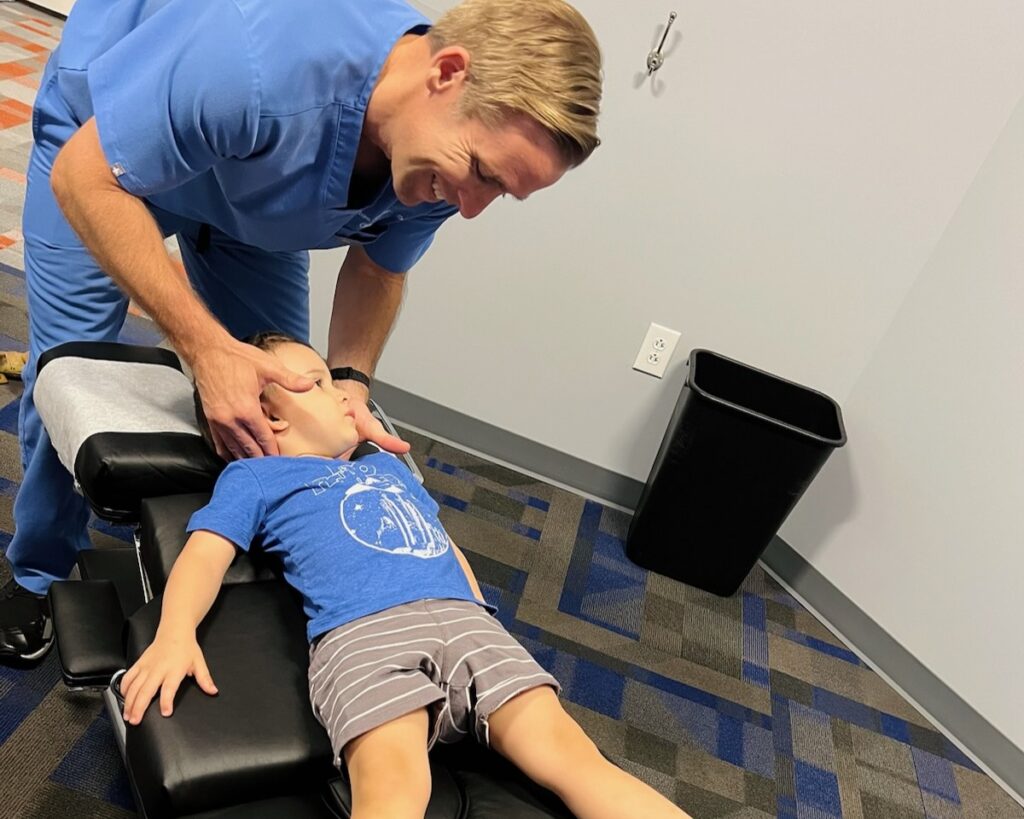
If you're experiencing sports-related back pain, you're certainly not alone, and it's crucial to find effective relief for both your performance and your overall health. As a local chiropractor, I want to share some valuable insights on natural healing and chiropractic care that can help you alleviate this discomfort.
First and foremost, consider incorporating a combination of regular stretching and strengthening exercises into your routine. These exercises not only promote flexibility but also improve your core stability, which is vital for supporting your spine during physical activity.
In addition to exercise, I recommend exploring the benefits of heat or cold therapy. These simple methods can provide immediate relief and help manage inflammation.
But there's more to recovery than just these techniques. Alternative therapies, such as chiropractic adjustments, can play a significant role in your healing process. By aligning your spine and improving your body's overall function, chiropractic care can help reduce pain and enhance your performance.
Lastly, don't overlook the importance of lifestyle modifications. Small changes in your daily routine can have a profound impact on your back health.
Let's work together to explore these various approaches that can pave the way for your recovery and well-being. Your journey to relief starts here!
Understanding Back Pain
As a local chiropractor, I want to shed light on a common challenge many athletes face: back pain. This discomfort often arises from the physical demands of various sports. Whether you're running, jumping, or lifting, your back can take on a lot of stress, leading to issues like muscle strains, ligament sprains, or even injuries to the spine itself.
It's important to recognize that back pain can manifest in different ways, ranging from mild discomfort to debilitating pain that can hinder your athletic performance.
Understanding how your body works is key to identifying the root causes of your pain. For instance, poor posture during training or competition can create imbalances, putting undue strain on your back. You might find that certain movements trigger your pain, signaling areas where your body may need more support or conditioning.
In my practice, I often see injuries stemming from overuse, especially when individuals push themselves beyond their limits without allowing for adequate recovery. It's crucial to pay attention to those early signs of discomfort; ignoring them can lead to chronic pain.
Listening to your body and addressing issues early on is essential for maintaining your health. Furthermore, factors like improper equipment or lack of warm-up can also contribute to back pain.
I encourage you to assess your gear and ensure it's appropriate for your sport. By recognizing the signs of back pain and understanding the mechanics behind it, you can take proactive steps towards prevention and treatment.
Chiropractic care offers natural healing solutions that can help alleviate pain, improve posture, and enhance your overall performance. Together, we can work towards minimizing the impact of back pain on your athletic journey and overall well-being.
Stretching Techniques
As a local chiropractor, I want to share some valuable insights about how stretching techniques can significantly help alleviate back pain, especially for those of you who are active in sports.
Understanding the importance of these techniques can be a game-changer for your back health.
Dynamic stretching is an excellent way to warm up your muscles before engaging in any physical activity. It prepares your body for movement, increases blood flow, and enhances overall performance.
On the other hand, static stretching is equally important; it focuses on improving your flexibility and relieving any muscle tension that may contribute to discomfort.
Incorporating both dynamic and static stretching into your routine can lead to better back health and improved athletic performance.
Remember, a well-stretched body is less prone to injuries and can recover more quickly.
If you have any questions about how to integrate these techniques into your daily life or would like personalized guidance, feel free to reach out.
Your journey to natural healing and optimal health starts with understanding the basics, and I'm here to help!
Dynamic Stretching Benefits
As a local chiropractor, I want to share with you the incredible benefits of dynamic stretching and how it can enhance your athletic performance while reducing the risk of injuries. Many people are unfamiliar with the concept of dynamic stretching, but it's an essential addition to any warm-up routine that prepares your muscles and joints for the demands of physical activity.
Unlike static stretching, which involves holding a position, dynamic stretching incorporates active movements. This approach not only improves your range of motion but also increases blood flow to your muscles. When you engage in dynamic stretches, you're actively warming up your body and activating the muscles you'll use in your sport or exercise.
For example, movements like leg swings and walking lunges can significantly enhance your agility and speed—two critical components in many sports that require quick, explosive movements. As a chiropractor, I emphasize the importance of these benefits, as improved coordination and balance can lead to better overall performance.
Additionally, dynamic stretching is a powerful tool for injury prevention. By engaging your muscles and joints in a controlled manner, you lower the chances of experiencing strains or sprains. This is particularly beneficial if you have a history of sports-related back pain, as it promotes flexibility and strength in your lower back and core muscles.
By incorporating dynamic stretching into your routine, you're not only setting yourself up for improved performance but also minimizing the risk of injuries.
Static Stretching Techniques
As a local chiropractor, I want to emphasize the importance of incorporating static stretching techniques into your routine, especially after your workouts. While dynamic stretching is crucial for warming up your muscles, static stretching plays a vital role in enhancing flexibility and aiding muscle recovery.
After you've completed your exercise, it's beneficial to spend some time on static stretches that focus on your back and the surrounding muscles. This practice can help alleviate tension, promote relaxation, and significantly reduce the risk of injury.
To perform static stretches effectively, aim to hold each position for 15 to 30 seconds without any bouncing. Pay special attention to areas such as your lower back, hamstrings, and hip flexors. One excellent example is the seated forward bend: sit on the floor with your legs extended in front of you, reach forward towards your toes, and allow yourself to feel the gentle stretch in your back and hamstrings.
Another stretch I recommend is the cat-cow stretch. Start on your hands and knees and alternate between arching your back upwards (like a cat) and then allowing it to sag downwards (like a cow), synchronizing your breath with each movement. This not only helps improve flexibility but also promotes spinal mobility.
Throughout each stretch, remember to breathe deeply. This deep breathing will help your body relax and enhance the benefits of the stretch. By consistently incorporating these static stretching techniques into your post-workout routine, you can experience improved flexibility and a reduction in back pain over time.
Incorporating static stretching into your regimen is an excellent way to support your overall athletic performance and recovery. As your chiropractor, I encourage you to make these stretches a regular part of your wellness routine for better health outcomes.
Strengthening Exercises
As a local chiropractor, I want to emphasize the importance of strengthening your back through targeted exercises for alleviating sports-related pain and enhancing your overall performance. A strong back supports your spine, which can help reduce the risk of injury and discomfort during your physical activities. By incorporating specific strengthening exercises into your routine, you can build resilience and improve your athletic capabilities naturally.
Let's start with some foundational exercises like the plank and bird-dog. The plank is a fantastic exercise that engages your core and back muscles, promoting stability. To perform a plank, lie face down and lift your body off the ground, resting on your forearms and toes. It's crucial to keep your body straight while holding the position for about 20-30 seconds. As you gain strength, you can gradually increase the duration.
The bird-dog exercise is also beneficial for balance and coordination. Start on your hands and knees; extend one arm forward while simultaneously extending the opposite leg back. Hold this position for a few seconds before switching sides.
In addition to these basic exercises, incorporating resistance training can further enhance your workout. Using resistance bands or weights can significantly strengthen your back. Exercises like bent-over rows and deadlifts specifically target the lower back and overall core strength. Just remember, proper form is essential to avoid strain and injury.
Lastly, consistency is vital in any exercise routine. Aim to perform these exercises at least two to three times a week. As you continue to strengthen your back, you may notice a reduction in pain and an improvement in your performance, whether on the field or court.
Stay committed to your health, and you'll experience the benefits of a stronger, healthier back. If you have any concerns or need personalized guidance, feel free to reach out to me for support!
Heat and Cold Therapy
As a local chiropractor, I want to share with you the benefits of heat and cold therapy for managing sports-related back pain. Many of my patients are unfamiliar with these natural healing methods, but they can be incredibly effective in helping you find relief and return to your activities more quickly.
When you apply heat to the affected area, it increases blood flow, which promotes healing by relaxing tight muscles and alleviating stiffness. You can use a heating pad, a warm towel, or take a warm bath for about 15 to 20 minutes.
Just be cautious not to use heat for too long, as excessive application can lead to burns or increased inflammation.
On the other hand, cold therapy is excellent for reducing inflammation and numbing sharp pain. Applying ice or a cold pack to your back constricts blood vessels and decreases swelling, making it particularly beneficial right after an injury or during flare-ups.
I recommend using cold therapy for 15 to 20 minutes at a time and allowing your skin to return to normal temperature between applications.
For enhanced relief, consider alternating between heat and cold therapy. Start with cold therapy to address inflammation and follow up with heat to relax the muscles.
Remember to always use a barrier, such as a cloth, between the heat or ice pack and your skin to avoid damage.
By incorporating these simple yet effective techniques into your recovery routine, you'll be taking an important step towards relieving your back pain and enhancing your overall well-being.
If you have any questions or would like to explore more natural healing options, feel free to reach out during your next visit. Your health is my priority!
Alternative Therapies
As a local chiropractor, I want to share with you how alternative therapies can be a game-changer for managing sports-related back pain. Many patients are often surprised to learn how these natural healing approaches can complement traditional treatments, offering effective relief and enhancing overall performance.
One of the most popular methods is acupuncture. This ancient practice targets specific points on your body to stimulate healing and reduce inflammation. Many athletes have found acupuncture to be particularly effective in relieving tension in their back muscles, allowing them to train and compete more comfortably.
Chiropractic care is another powerful tool in your toolkit. During your visit, I'll assess your spinal alignment and perform gentle adjustments to alleviate pressure on your nerves. This can lead to significant pain relief and enhanced mobility, helping you get back to the activities you love in no time.
Massage therapy is also essential for managing sports-related back pain. Regular sessions can reduce muscle tension, improve blood circulation, and promote relaxation. Whether you prefer deep tissue massage or more gentle techniques, working with a qualified therapist can greatly aid in your recovery.
Incorporating practices like yoga and Pilates into your routine can further strengthen your core and improve flexibility. These exercises focus on proper body mechanics, helping to prevent future injuries. Adding specific stretches and poses can lead to long-lasting relief from back pain.
Lastly, consider exploring herbal remedies and dietary supplements. For example, turmeric and ginger are known for their anti-inflammatory properties and can be beneficial additions to your diet. However, it's always important to consult with a healthcare professional before starting any new treatment.
Proper Posture
As a local chiropractor, I want to emphasize the importance of maintaining proper posture for preventing and alleviating sports-related back pain. Many people may not realize how crucial their body's alignment is when they stand, sit, or move. Poor posture, such as slouching or leaning too far forward, can place unnecessary strain on your back, leading to pain and discomfort.
To practice good posture, I recommend starting with a simple alignment check. Make sure your ears are aligned with your shoulders and your hips. When standing, distribute your weight evenly between both feet and keep your knees slightly bent. This position helps preserve the natural curve of your spine, which is vital for overall spinal health.
When it comes to sitting, choose a chair that offers support for your lower back. Keep your feet flat on the ground and avoid crossing your legs. This posture not only promotes comfort but also helps in maintaining a healthy spine.
During physical activities, it's important to be mindful of your posture as well. Whether you're running, lifting weights, or playing sports, engaging your core muscles can provide the stability and support your back needs. Be cautious about how you bend or twist your body; avoid excessive rotation and always bend at the hips and knees instead of the waist.
Incorporating regular posture checks into your daily routine can make a remarkable difference in your health. If you catch yourself slumping, take a moment to correct your alignment. This small adjustment can lead to improved comfort and a reduced risk of injury.
By prioritizing proper posture, not only will you support your back, but you'll also enhance your performance in sports.
As your chiropractor, I'm here to guide you on your journey to better posture and overall health through natural healing methods. Together, we can work to ensure your spine is in optimal condition, allowing you to enjoy all your favorite activities pain-free.
Lifestyle Modifications
As a local chiropractor, I want to share some valuable insights on how intentional lifestyle modifications can significantly reduce sports-related back pain and enhance your overall well-being.
Let's start by examining your daily routines. Many of us spend long hours sitting, which can lead to stiffness and discomfort. I encourage you to incorporate short movement breaks throughout your day. This simple adjustment can keep your muscles active and help prevent tightness.
Next, let's talk about physical activity. While regular exercise is crucial for maintaining a healthy body, it's equally important to use proper techniques to avoid injuries. Strengthening your core muscles is essential, as a robust core provides vital support for your spine.
I recommend incorporating exercises like planks and bridges into your workout regimen. Remember, it's also important to balance your strength training with flexibility exercises, such as stretching or yoga. These practices can help maintain your range of motion and alleviate tension in your muscles.
Nutrition is another key factor in managing pain and promoting healing. A well-balanced diet rich in anti-inflammatory foods—such as fruits, vegetables, nuts, and fatty fish—can have a positive impact on your back health.
Additionally, don't overlook the importance of staying hydrated. Proper hydration supports joint and muscle function, which is essential for an active lifestyle.
Sleep is often underestimated but plays a critical role in recovery. Aim for 7-9 hours of quality sleep each night to allow your body to heal. Creating a sleep-friendly environment—keeping your bedroom dark, cool, and quiet—can significantly enhance the quality of your rest.
Lastly, let's address stress. Chronic stress can lead to muscle tension and worsen back pain. I encourage you to explore relaxation techniques such as meditation, deep breathing exercises, or even gentle walks in nature.
These practices can help you manage stress effectively and contribute to your overall well-being.
Conclusion
As a local chiropractor, I want to share some valuable insights on managing sports-related back pain through natural healing methods. It's essential to adopt a holistic approach to your recovery. Incorporating regular stretching and strengthening exercises into your routine can significantly help alleviate discomfort. Additionally, utilizing heat or cold therapy can provide immediate relief and promote healing.
Exploring alternative treatments, such as chiropractic adjustments, can also be beneficial. These adjustments can help realign your spine and improve your overall function, allowing you to perform better in your sport.
Don't underestimate the importance of proper posture and making necessary lifestyle changes to support your back health. Simple adjustments in your daily habits can make a big difference in preventing and managing pain.
By implementing these strategies, not only will you find relief from your back pain, but you'll also enhance your athletic performance. Take proactive steps towards your recovery, and trust that your back will thank you for it! If you have any questions about chiropractic care or how it can aid in your healing process, feel free to reach out.