When you experience a sports injury, it's crucial to recognize that adjusting your recovery approach is not just a good idea—it's absolutely necessary. As a local chiropractor, I want to emphasize how customizing your rehabilitation to fit your individual needs can significantly enhance your healing process and help you avoid future complications. Understanding the importance of personalized recovery plans allows you to effectively navigate the challenges of your injury while maintaining your fitness levels without risking further harm.
So, what specific adjustments should you consider during your recovery? Incorporating chiropractic care can be a game changer. By addressing misalignments in your spine and joints, we can promote better movement, reduce pain, and enhance your overall healing. Additionally, we can guide you in implementing appropriate exercises and stretches tailored to your injury, which can support your recovery and prevent re-injury.
Moreover, it's essential to consider the mental aspect of recovery. A tailored approach not only aids in physical healing but also boosts your confidence and motivation as you progress. By working together, we can create a comprehensive recovery plan that addresses both your physical and mental wellness. Let's explore how these nuances in chiropractic care and natural healing can truly make a difference in your recovery journey.
Understanding Sports Injuries
As a local chiropractor, I believe it's crucial for both athletes and those who enjoy sports casually to understand the nature of sports injuries. Whether you're a weekend warrior or a seasoned competitor, injuries can manifest in various ways, such as sprains, strains, fractures, and concussions. By familiarizing yourself with these common injuries, you can recognize their symptoms and seek the appropriate care, which often includes natural healing methods.
You may have come across the terms acute and chronic injuries. Acute injuries occur suddenly, typically as a result of an accident or collision, while chronic injuries develop gradually, often due to repetitive stress on specific body parts. Understanding these differences can empower you to take proactive measures to prevent injuries, whether you're shooting hoops or training for a marathon.
It's also important to identify risk factors that can contribute to injury. As a chiropractor, I often see patients who experience injuries due to poor conditioning, insufficient warm-ups, or improper techniques. By addressing these areas and incorporating chiropractic care, you can significantly lower your risk of injury and enhance your overall performance.
Being aware of symptoms such as swelling, pain, or limited range of motion is vital. Recognizing these signs early allows you to respond effectively, as ignoring them can lead to more serious issues in the future. Chiropractic care can play a pivotal role in not only addressing these symptoms but also in fostering long-term health and wellness.
Lastly, staying informed about recovery techniques and rehabilitation strategies is essential. Knowledge about how your body heals and the benefits of natural approaches can empower you to protect yourself and improve your athletic experience.
Whether you're participating in sports for fun or competition, being proactive about understanding sports injuries and embracing chiropractic care is key to enjoying a long and healthy athletic journey.
The Importance of Personalized Recovery
As a local chiropractor, I want to emphasize the importance of personalized recovery plans for effectively healing from sports injuries. When you experience an injury, it's not simply about resting and waiting for time to pass. Every individual's body responds differently to injuries, and what benefits one athlete may not be suitable for another. By creating a recovery plan tailored specifically to your needs, we can address the unique aspects of your injury and overall physical condition, thereby enhancing your healing process.
When developing your personalized recovery approach, we consider various factors such as your specific sport, the type of injury you have sustained, and your current fitness level. This customized plan allows us to focus on the areas that require the most attention and helps you avoid common recovery pitfalls. For instance, if you have injured your knee, a generic stretching routine may not provide the relief you need. Instead, we can implement targeted exercises that strengthen your quadriceps and hamstrings, promoting a quicker and more effective recovery.
Another vital component of personalized recovery is tracking your progress. With a plan designed specifically for you, it becomes much easier to set realistic goals and make adjustments as you improve. We'll monitor how your body responds to different treatments and make necessary changes to ensure you're always on the right path towards recovery.
Ultimately, personalized recovery not only fosters faster healing but also prepares you to return to your sport stronger than before. By investing time in a tailored approach, you prioritize your long-term health and performance, paving the way for a more successful athletic journey.
As your chiropractor, I'm here to guide you through this process and support you every step of the way.
Modifying Training Routines
As a local chiropractor, I want to emphasize the importance of modifying your training routine following a sports injury to ensure a safe and effective recovery.
It's crucial to recognize that after an injury, your body has different needs, and pushing through pain can hinder your healing process. I advise you to consult with a qualified healthcare provider or trainer who can assess your current condition and limitations. Together, we can create a customized plan that focuses on rehabilitation while still allowing you to maintain your fitness.
In the initial stages of recovery, I recommend prioritizing low-impact exercises. Activities such as swimming or cycling can help preserve your cardiovascular fitness without putting undue strain on your injured area.
It's also beneficial to engage in gentle strength training that targets unaffected muscle groups, gradually reintroducing your injured area as it heals.
Incorporating flexibility and mobility exercises into your routine is essential for recovery and preventing future injuries. Stretching and yoga can enhance your range of motion and help you regain strength in a controlled manner, supporting the natural healing process.
Always listen to your body. If you experience pain or discomfort, it's important to modify your routine as needed.
Remember, recovery isn't a race; it's about returning to your sport stronger and healthier than before.
Tracking your progress can also be a great way to stay motivated. Setting small, achievable goals as you adjust your training routine can lead to significant improvements over time.
Celebrate your milestones to maintain a positive mindset. By making these thoughtful adjustments, you'll not only support your recovery but also establish a strong foundation for your return to peak performance in your sport.
Incorporating Specialized Therapies
As a local chiropractor, I want to share how incorporating specialized therapies into your recovery plan can significantly enhance your healing process after a sports injury. Our approach focuses on natural healing methods that target specific injuries while addressing both physical and functional aspects of your recovery.
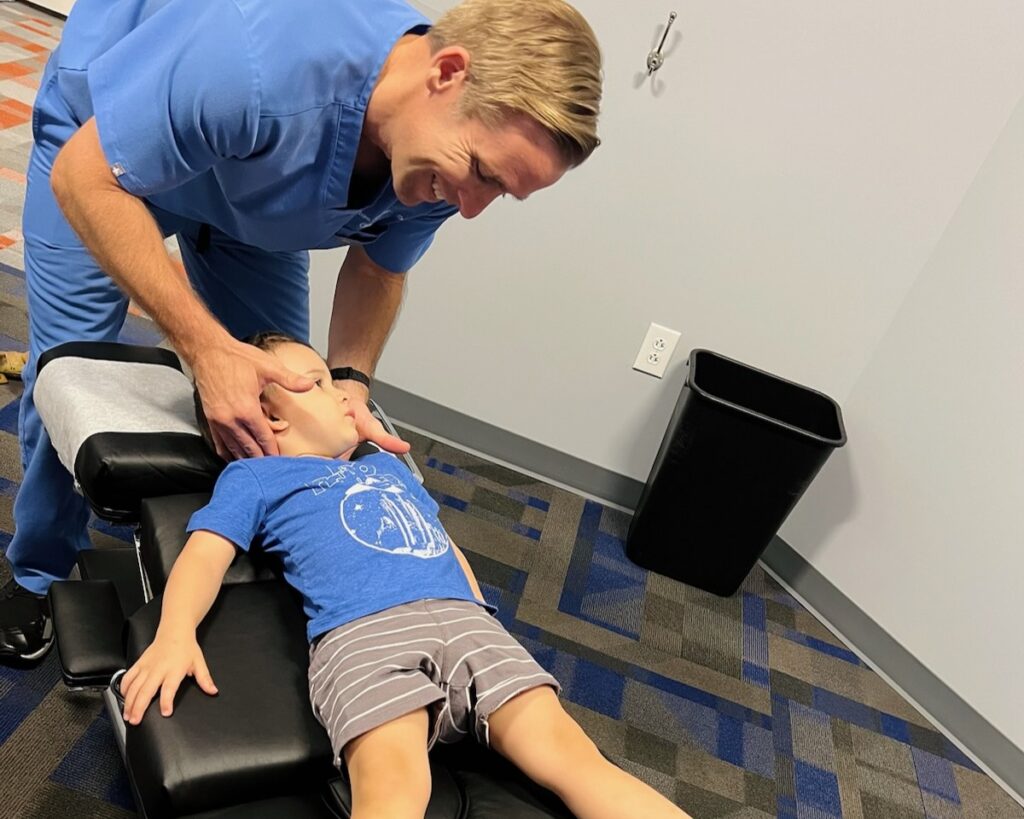
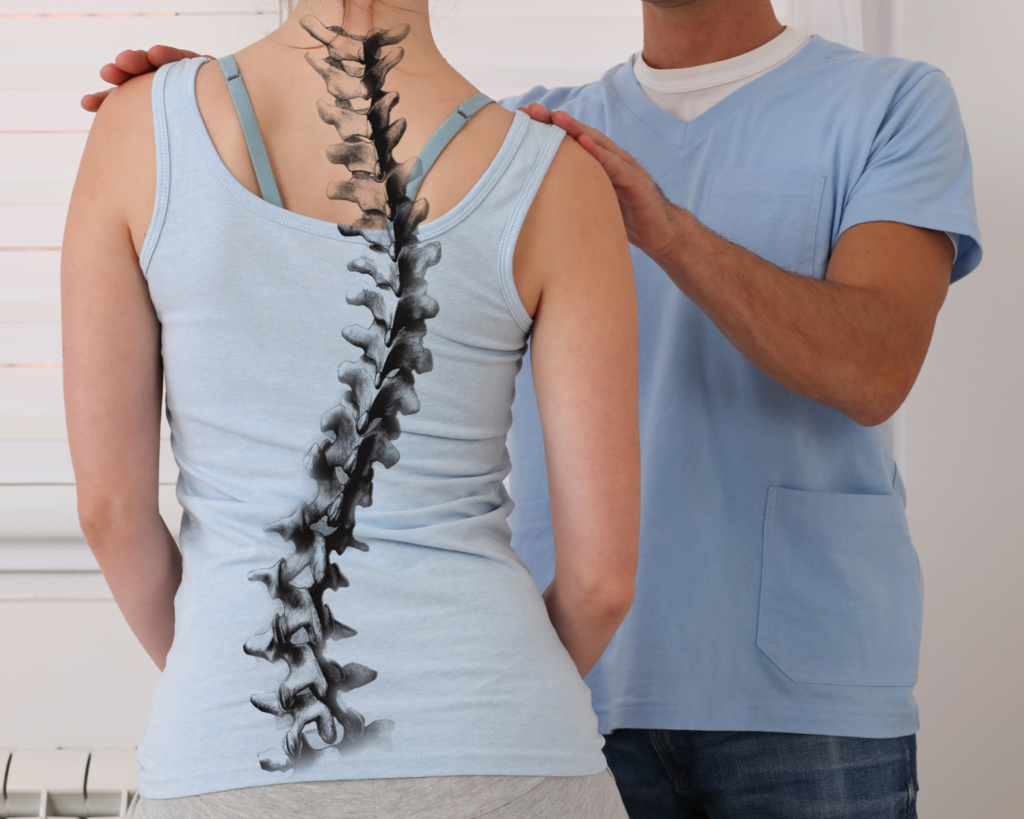
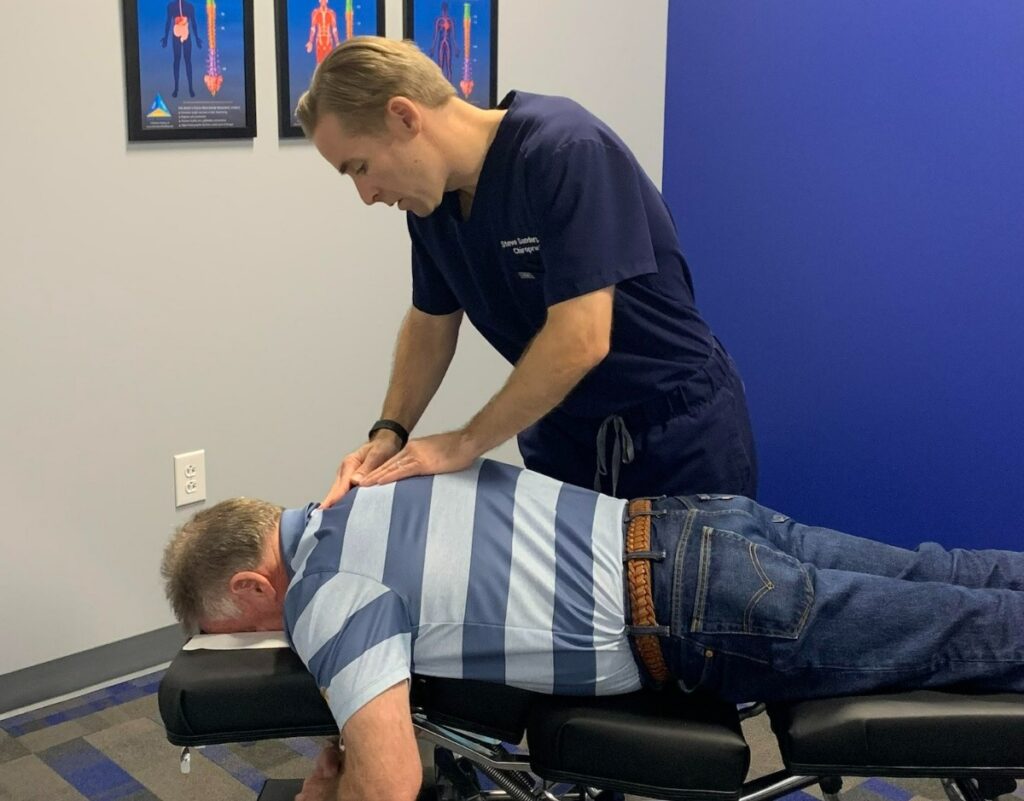
One of the key therapies we utilize is chiropractic care itself. By aligning your spine and correcting any misalignments, we can promote optimal function throughout your entire body. This personalized care helps improve your range of motion and reduces the risk of future injuries.
In addition to chiropractic adjustments, massage therapy is another effective option. Working with a licensed massage therapist can help alleviate muscle tension, reduce pain, and enhance circulation. The techniques used can be tailored specifically to your injury, facilitating a more efficient recovery.
Manual therapy is also an essential component of our recovery plans. This hands-on approach involves manipulating soft tissues and joints to relieve pain and restore function. When combined with chiropractic adjustments, manual therapy can greatly enhance your overall healing experience.
We also employ various modalities such as ultrasound therapy and electrical stimulation. These treatments are designed to reduce inflammation and promote tissue repair, helping to speed up your recovery process.
Another beneficial option is acupuncture, which can help relieve pain and stimulate healing by targeting specific points in your body.
Lastly, I can't stress enough the importance of nutritional therapy in your recovery. Proper nutrition is vital as it supports tissue repair and bolsters your immune system.
Addressing Mental Health in Recovery
Recovery from a sports injury involves more than just physical healing; mental health is a crucial component of the overall recovery process. As a local chiropractor, I often see how being sidelined can take an emotional toll that rivals the physical pain of an injury.
Feelings of frustration, anxiety, and even depression can arise when you're faced with the limitations of your condition. Acknowledging these emotions is an important step toward recovery.
It's beneficial to consider seeking support from mental health professionals, especially those who specialize in sports psychology. They can provide valuable coping strategies to help you manage your emotions, set achievable recovery goals, and maintain a positive outlook during your healing journey.
In addition, incorporating mindfulness practices, such as meditation or deep breathing exercises, can help you stay centered during these challenging times.
Furthermore, connecting with your teammates and coaches can foster a sense of community and understanding. Sharing your experiences and feelings with those who've been through similar situations can help combat feelings of isolation.
Participating in support groups, whether in-person or online, allows you to hear from others who've faced comparable challenges, providing a comforting perspective.
As a chiropractor, I'm here to support not only your physical recovery but also to encourage a holistic approach that includes mental well-being.
Together, we can work towards a comprehensive recovery that addresses both your body and mind.
Conclusion
As a local chiropractor, I want to emphasize the importance of adjusting your approach to sports injury recovery for a successful return to your favorite activities. By personalizing your recovery plan and incorporating chiropractic care into your routine, you can enhance your healing process. Modifying your training regimens and exploring specialized therapies, such as spinal adjustments and soft tissue work, can significantly support your recovery.
It's also vital to prioritize your mental well-being during this journey; the mind-body connection plays a crucial role in healing. Stay engaged with your healthcare team, including your chiropractor, and monitor your progress closely. Remember, a customized approach tailored to your specific needs can truly make a difference in your recovery. Embrace the natural healing process, and let us help guide you back to optimal performance.