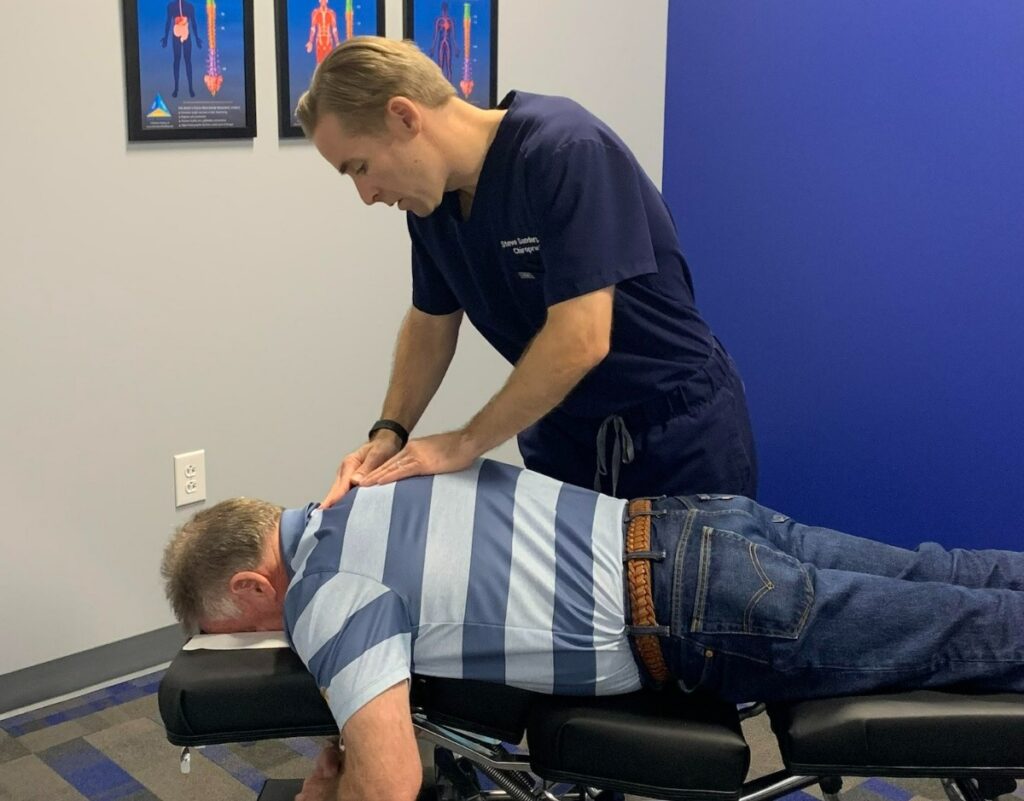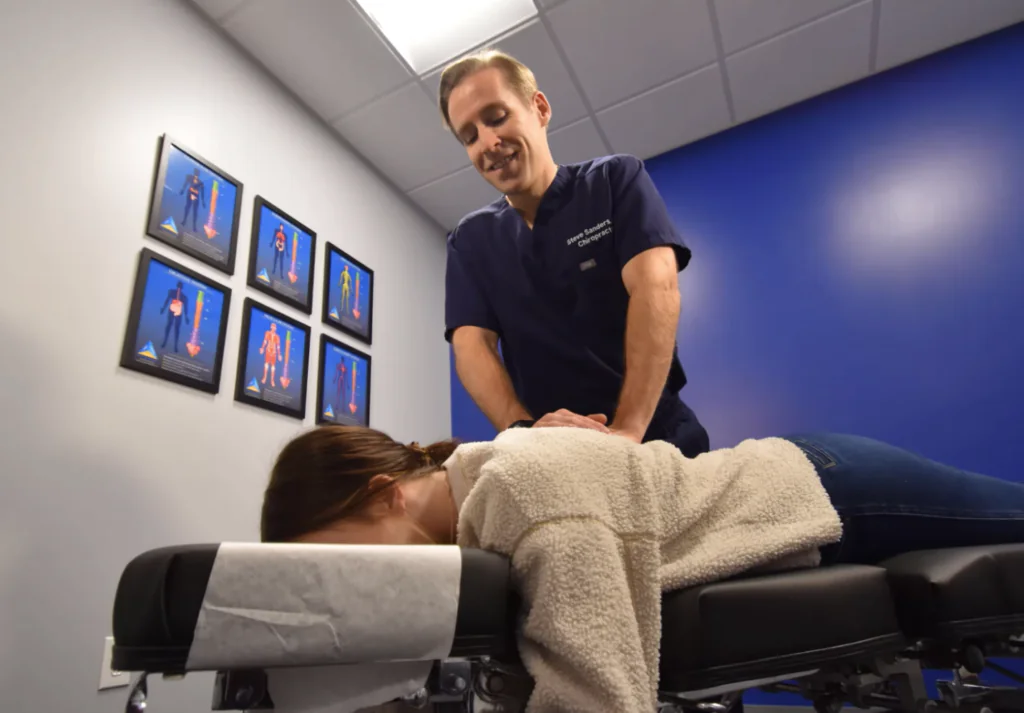
You might wonder how adjustments can greatly enhance your mobility and flexibility. When your body is misaligned or tense, it restricts your joints' ability to move freely, which can lead to discomfort and limitations in your daily activities. Adjustments target these issues, promoting ideal function and encouraging better movement patterns. But what exactly happens within your body during this process, and how does it translate into improved physical capabilities? Understanding the underlying mechanisms could change your approach to mobility and flexibility altogether.
Understanding Mobility and Flexibility
Understanding mobility and flexibility is fundamental for anyone looking to enhance their physical performance and overall well-being. Mobility refers to the ability of your joints to move freely through their full range of motion, while flexibility focuses on the length and elasticity of your muscles and connective tissues. Both aspects play a significant role in how well your body functions during daily activities and sports.
When you improve your mobility, you're fundamentally working on your joint function and the ability to move efficiently. This means you can perform movements with greater ease, reducing the risk of injury. On the other hand, enhancing your flexibility allows your muscles to stretch more effectively, which can lead to better posture and reduced muscle tension.
It's important to recognize that mobility and flexibility work hand in hand. If your mobility is limited, your flexibility training may not yield the desired results. Conversely, if your muscles are tight, it can restrict your joint movement. That's why incorporating both aspects into your fitness routine is essential.
You can boost your mobility through dynamic stretching, joint mobility exercises, and functional movements. For flexibility, static stretching and yoga can be particularly beneficial.
The Role of Body Alignment
Body alignment plays an essential role in maximizing your mobility and flexibility. When your body is aligned properly, it allows for efficient movement patterns, reducing unnecessary strain on your muscles and joints. This means that whether you're reaching for an object, bending down, or performing a physical activity, your body can function at peak performance without restriction.
Good alignment guarantees that your weight is distributed evenly, which helps you maintain balance and stability. If you've ever experienced tightness or discomfort during movement, it could be a sign that your alignment is off. By focusing on maintaining proper posture, you can enhance your overall physical performance.
Imagine standing tall with your shoulders back and your spine straight. This posture not only looks confident but also supports your body's natural biomechanics. It encourages your muscles to work in harmony, allowing for smoother shifts between movements. When everything's in place, you're less likely to overcompensate with certain muscle groups, which can lead to injuries over time.
You might also find that enhanced body alignment contributes to better breathing. When your rib cage is positioned correctly, your diaphragm can function effectively, providing you with the oxygen you need during physical activities.
Incorporating exercises that promote body awareness, like yoga or Pilates, can be beneficial. These practices help you identify misalignments and teach you how to correct them.
How Adjustments Relieve Tension
Adjustments can markedly relieve tension by targeting specific areas of tightness and misalignment in your body. When you experience discomfort or stress, it often manifests as tightness in your muscles and joints. Adjustments help to release this tension by realigning the spine and other joints, allowing your body to function more efficiently.
Think about how you feel after a long day of sitting or standing. Your muscles can become stiff, and your joints may ache. An adjustment can provide immediate relief. By applying precise pressure to specific points, a chiropractor can help release endorphins, your body's natural painkillers. This process not only alleviates discomfort but also encourages relaxation throughout your entire body.
Moreover, adjustments can break the cycle of tension buildup. When your body is aligned, it doesn't have to work as hard to maintain stability, which in turn reduces stress on your muscles. As you receive adjustments regularly, you'll likely find that you're less prone to tension-related issues. You may notice improved posture, increased relaxation, and overall well-being.
The beauty of adjustments lies in their ability to create a ripple effect. As tension in one area is relieved, it can lead to relaxation in surrounding muscles, promoting a more holistic sense of relief. This interconnectedness means that addressing one tight spot can help free up other areas, enhancing your overall mobility and flexibility.
Impact on Joint Functionality
When you think about joint functionality, proper alignment plays an essential role in how well your joints perform.
Adjustments can enhance your range of motion, helping you move more freely and comfortably.
Joint Alignment and Function
Proper joint alignment plays an essential role in maintaining ideal joint functionality. When your joints are aligned correctly, they can move through their intended range without unnecessary stress. This alignment reduces wear and tear on the cartilage and surrounding tissues, ensuring your joints function effectively.
When you adjust your posture or receive chiropractic adjustments, you're not just feeling better; you're actively enhancing the way your joints work together. Misalignment can lead to compensatory movements, which may cause strain in other areas of your body. By focusing on joint alignment, you can minimize the risk of injuries and improve overall joint health.
Good alignment also contributes to better biomechanics. When your joints are functioning properly, you'll notice improved stability and balance in your movements. This stability allows you to engage in physical activities more confidently, reducing the likelihood of falls or accidents.
Incorporating exercises that promote joint alignment into your routine can further enhance this functionality. You'll find that with improved alignment, your ability to perform daily tasks becomes easier and more efficient.
Prioritize your joint health, and you'll reap the benefits of better mobility and flexibility.
Increased Range of Motion
A greater range of motion greatly enhances joint functionality and overall mobility. When your joints can move freely and comfortably, you'll find it easier to perform daily activities, whether it's bending down to tie your shoes or reaching up to grab something from a high shelf.
With adjustments, you can access that potential, allowing your joints to function at their best.
You might notice that as your range of motion improves, you can engage in physical activities with greater ease. This increased flexibility can lead to better athletic performance, whether you're running, swimming, or playing sports.
Plus, it helps you maintain proper posture, which is vital for preventing injuries and ensuring your body operates efficiently.
Enhanced joint functionality also contributes to better coordination and balance. As your body becomes more accustomed to moving through its full range, you'll find that your movements feel more fluid and natural.
This not only boosts your confidence but also encourages you to stay active, further supporting your overall health.
Ultimately, embracing adjustments for increased range of motion can greatly elevate your quality of life and keep you moving with ease.
Reduced Pain and Discomfort
With adjustments, you can experience considerable reductions in pain and discomfort, directly enhancing joint functionality.
When your joints are misaligned or restricted, it can lead to inflammation and tension, limiting your movement and causing persistent pain. Adjustments help realign your joints, alleviating pressure on surrounding tissues and nerves, which considerably reduces discomfort.
As pain subsides, you'll notice improved mobility, allowing you to engage in daily activities with greater ease. This reduction in pain not only enhances your physical capabilities but also encourages a more active lifestyle. You might find yourself participating in exercises or activities that you previously avoided due to discomfort.
Moreover, addressing pain through adjustments promotes better circulation and nutrient delivery to your joints, which can expedite healing and support overall joint health. Fewer aches and pains mean you can focus on your tasks without the distraction of discomfort.
In essence, reduced pain and discomfort from adjustments can lead to a more functional and enjoyable life.
Nervous System and Movement
Your nervous system plays an essential role in how you move and maintain flexibility.
It sends signals that coordinate muscle actions and keep your body balanced during various activities.
Understanding this connection can help you improve your mobility and enhance your overall movement quality.
Nervous System Role
The nervous system plays an essential role in facilitating movement and maintaining flexibility throughout the body. It acts as the communication hub, sending signals between your brain and muscles. When you decide to move, your brain sends electrical impulses through the spinal cord and out to the relevant muscles, enabling them to contract and create movement. This intricate network guarantees that your body responds quickly and efficiently to your intentions.
Moreover, the nervous system helps to monitor and adjust muscle tension and coordination. By processing sensory information from your muscles and joints, it fine-tunes your movements, allowing for greater flexibility and adaptability. For instance, when you stretch, the nervous system detects changes in muscle length and tension, prompting your body to adjust accordingly.
Additionally, the nervous system's role in proprioception is imperative. Proprioceptors provide your brain with information about body position and movement, which helps you maintain balance and stability. This feedback loop is essential for fluid, coordinated movements, preventing injury, and enhancing overall mobility.
Movement and Flexibility
Understanding how the nervous system influences movement reveals its direct connection to flexibility. Your nervous system plays a vital role in how you perform physical activities, as it coordinates signals between your brain and muscles. When you move, your brain sends messages to your muscles, telling them when to contract and relax. This communication not only affects your range of motion but also your overall flexibility.
When you engage in stretching or other mobility exercises, your nervous system adapts by enhancing the efficiency of these neural pathways. As you practice, your body learns to move more fluidly, reducing tension and allowing for greater flexibility. This is why regular adjustments and mindful movements can impact your physical capabilities.
If you find yourself feeling stiff or restricted, it's often a signal from your nervous system that your body needs attention. By focusing on movement and flexibility, you can improve your neural connections, leading to better range of motion and less discomfort.
Ultimately, nurturing your nervous system through movement practices can transform how you feel in your body, enhancing your overall mobility and flexibility.
Enhancing Range of Motion
Many people overlook the importance of enhancing range of motion, yet it's essential for overall mobility and flexibility. When you improve your range of motion, you not only feel better, but you also reduce the risk of injuries and enhance your performance in daily activities and sports.
Here's why focusing on this aspect is important for you:
- Injury Prevention: Increased range of motion allows your joints and muscles to move more freely. This flexibility can help prevent strains, sprains, and other injuries that occur from tightness or stiffness.
- Improved Performance: Whether you're an athlete or just someone who enjoys staying active, better range of motion can greatly enhance your performance. You'll notice that movements become smoother and more efficient, allowing you to push your limits.
- Enhanced Posture: A greater range of motion contributes to better posture. When your muscles and joints function effectively, you're less likely to experience discomfort in your back or neck, which can be a result of tight or inflexible muscles.
To enhance your range of motion, consider incorporating stretching, yoga, or dynamic warm-ups into your fitness routine.
These activities can help lengthen your muscles and improve joint mobility. Remember, improving your range of motion is a key component in boosting your overall flexibility and mobility, making it an essential focus in your journey towards better physical well-being.
Adjustments in Physical Therapy
Addressing your mobility and flexibility often leads to the need for adjustments in physical therapy, especially when injuries or chronic pain arise. These adjustments focus on realigning your body, improving function, and alleviating discomfort. Physical therapists utilize various techniques, such as manual therapy, stretching, and exercises, to help restore your range of motion and reduce tension in your muscles and joints.
When you experience tightness or limited movement, your therapist will assess your specific needs, identifying areas that require adjustment. By applying targeted pressure or gentle manipulation, they can release muscle tightness, enhance joint mobility, and promote proper alignment. This process not only helps in immediate pain relief but also supports your long-term recovery.
Incorporating adjustments into your physical therapy plan can greatly enhance your overall performance in daily activities. You'll likely notice improved flexibility, which allows you to move more freely and confidently. As you progress through your therapy sessions, your therapist will continually evaluate your response to adjustments, ensuring that your treatment remains effective and tailored to your evolving needs.
Furthermore, these adjustments can help prevent future injuries by addressing underlying issues that may have contributed to your pain or restricted movement. By committing to regular physical therapy with adjustments, you're investing in your mobility and flexibility, paving the way for a healthier, more active lifestyle.
Whether you're recovering from surgery or managing chronic conditions, these adjustments play a critical role in your rehabilitation journey.
Benefits of Chiropractic Care
Chiropractic care offers numerous benefits that can greatly enhance your overall well-being. By focusing on the spine and nervous system, chiropractic adjustments can lead to significant improvements in your health.
Here are three key benefits you can experience:
- Pain Relief: Chiropractic adjustments are well-known for alleviating pain in various areas, including the back, neck, and joints. By realigning your spine, these adjustments can reduce pressure on nerves, leading to decreased pain levels and discomfort.
- Improved Mobility: Regular chiropractic visits can enhance your flexibility and range of motion. As your spine and joints become properly aligned, you'll find it easier to perform everyday activities, whether it's bending down to tie your shoes or reaching for something on a high shelf.
- Enhanced Overall Health: Beyond just physical relief, chiropractic care can boost your overall well-being. By optimizing your nervous system function, you may experience improved immune response, better sleep quality, and increased energy levels.
This holistic approach guarantees that your body operates more efficiently.
Yoga Adjustments for Flexibility
To enhance flexibility, incorporating yoga adjustments into your routine can be incredibly beneficial. These adjustments help you deepen your poses and align your body more effectively, allowing you to stretch further while minimizing the risk of injury. When you receive a gentle nudge or guidance from an instructor, it can shift your awareness and help you access areas of tightness that might be holding you back.
During your practice, pay attention to how your body responds to various adjustments. For example, if you're in a forward fold, a slight adjustment in your hips or spine can create more space, enabling you to elongate your hamstrings and back muscles. This awareness not only improves your flexibility but also enhances your overall yoga experience.
It's important to communicate with your instructor about what feels comfortable for you. If something doesn't feel right, don't hesitate to speak up. A good instructor will tailor adjustments to meet your individual needs and guarantee that you feel safe while exploring new depths in your practice.
Incorporating props, like blocks or straps, can also play an essential role in flexibility. They allow you to modify poses and gradually work on stretching those tight muscles without straining.
Long-Term Effects on Performance
When you focus on mobility and flexibility, you can experience significant long-term benefits for your performance.
Improved range of motion and enhanced muscle coordination can lead to better results in your activities.
Plus, these adjustments play an essential role in preventing injuries, keeping you active and engaged for the long haul.
Improved Range of Motion
An improved range of motion can greatly enhance your performance in various physical activities. When your joints can move more freely, you'll notice significant benefits in how you train and compete.
Here are three key ways this improvement can impact your performance:
- Increased Efficiency: With a greater range of motion, your movements become smoother and more fluid. This efficiency reduces energy expenditure, allowing you to sustain your efforts longer.
- Reduced Injury Risk: Enhanced flexibility and mobility help protect your joints and muscles from strains and sprains. When your body moves as it should, you're less likely to encounter setbacks due to injuries.
- Improved Technique: Whether you're lifting weights, running, or participating in a sport, a better range of motion allows for more precise movements. This precision can lead to superior performance and quicker results in your training.
Ultimately, incorporating adjustments that promote an improved range of motion can be a game-changer for your physical endeavors.
Enhanced Muscle Coordination
Enhanced muscle coordination plays an essential role in your long-term performance across various physical activities. When you undergo adjustments, they not only improve your flexibility but also enhance the way your muscles work together. This leads to better synchronization between muscle groups, allowing you to execute movements more efficiently.
As your coordination improves, you'll notice that your body can respond more quickly and accurately to changes in your environment. Whether you're playing sports, dancing, or simply engaging in daily tasks, enhanced coordination means you can perform movements with greater ease and control. This effectiveness reduces energy expenditure, letting you maintain stamina over longer periods.
Moreover, improved coordination can lead to more effective training sessions. You'll find that you can focus on your technique rather than struggling with basic movements. This focus allows you to push your limits, helping you achieve your performance goals faster.
In the long run, enhanced muscle coordination not only boosts your physical abilities but also builds your confidence in your movement patterns. You'll feel more capable, empowered, and ready to tackle challenges, ultimately elevating your overall performance.
Injury Prevention Benefits
Injury prevention is essential for maintaining long-term performance and overall well-being. When you prioritize adjustments that enhance mobility and flexibility, you're actively reducing your risk of injuries that can sideline you for extended periods.
Here are three key benefits of injury prevention:
- Improved Recovery Time: By maintaining ideal flexibility and mobility, your body can recover faster from physical exertion. This means less downtime and more time spent training or competing.
- Enhanced Performance: Staying injury-free allows you to consistently push your limits, whether you're running, lifting, or participating in sports. You'll notice that you can perform at your best with fewer setbacks.
- Reduced Chronic Pain: Preventive adjustments help minimize wear and tear on your muscles and joints. This not only prevents acute injuries but also decreases the likelihood of developing chronic pain issues that can affect your quality of life.
Conclusion
To sum up, adjustments play a crucial role in enhancing your mobility and flexibility by realigning your body and relieving tension. When your joints function at their best, you'll experience improved movement patterns and reduced discomfort. This not only boosts your physical capabilities but also supports better posture and a lower risk of injury. By incorporating adjustments into your routine, you're investing in a healthier, more active lifestyle that keeps you feeling your best. Embrace the benefits and enjoy the freedom of movement!