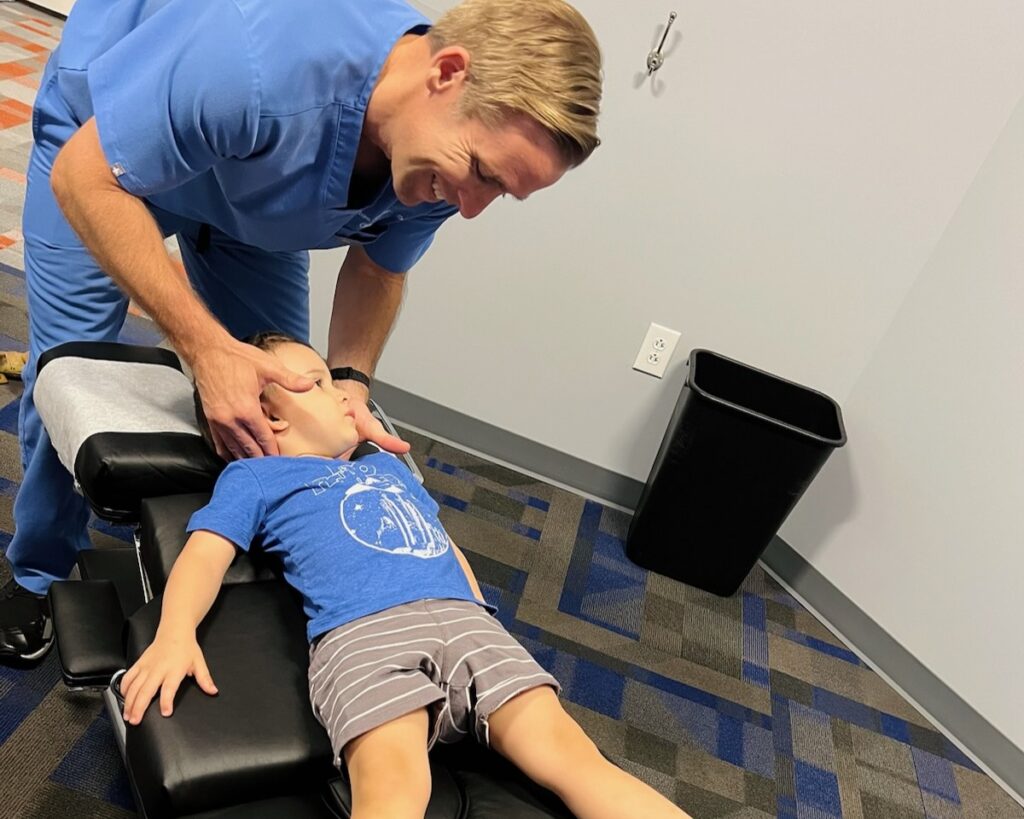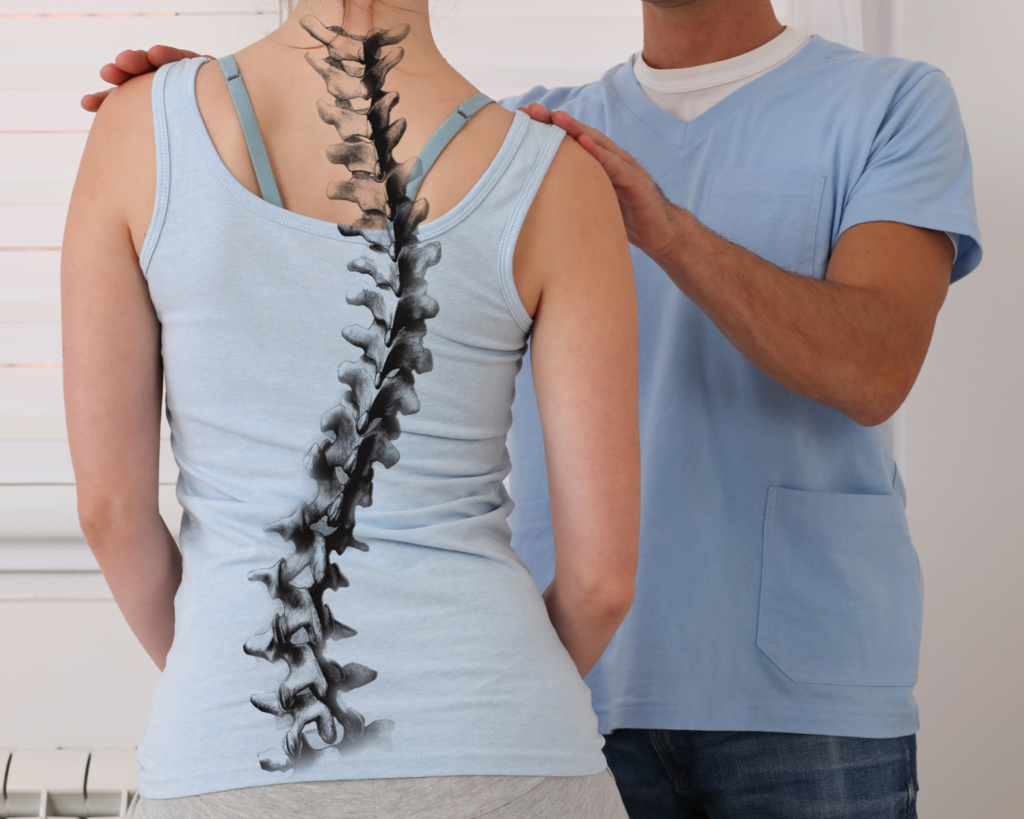
Chronic back pain can be incredibly frustrating and can leave you feeling confused about why it persists. As your local chiropractor, I want to help you understand that this pain often arises from a combination of physical issues, lifestyle choices, and even emotional factors. It’s crucial to recognize the different elements contributing to your discomfort. Sometimes, the key to alleviating your pain isn’t just in treatment methods, but also in identifying your personal triggers. Let’s dive into the complexities that may be keeping your back pain alive and explore how chiropractic care and natural healing approaches can play a role in your recovery. Understanding your body and how it responds to various factors is essential in your journey towards relief.
Understanding Chronic Back Pain
Chronic back pain can be incredibly frustrating and debilitating, especially when it persists for months or even years. Many of my patients often struggle to identify the exact cause of their discomfort, as chronic pain usually arises from a combination of factors.
It’s important to understand that it’s not solely about an injury or strain; elements like lifestyle choices, posture, and even stress levels can significantly contribute to your pain.
As a chiropractor, I want to emphasize that chronic pain isn’t just a physical issue. Your emotional well-being and mental health can greatly affect how you perceive and manage pain. Feelings of anxiety or depression are common among those with chronic pain, and they can make your experience even more challenging.
To effectively address your chronic back pain, it’s essential to identify patterns, triggers, and behaviors associated with your discomfort. One helpful tool is keeping a pain journal, where you can track what alleviates or worsens your symptoms. This insight is invaluable, as it empowers you to take proactive steps toward relief and recovery.
At my practice, we focus on natural healing approaches that can help restore balance and function to your body.
Common Underlying Medical Conditions
As a local chiropractor, I want to help you understand how various underlying medical conditions can contribute to persistent back pain. Many people may not be aware that issues such as herniated discs, arthritis, and spinal stenosis can lead to ongoing discomfort in the back.
For instance, if you have a herniated disc, the cushioning between your vertebrae can press on nearby nerves, causing pain that doesn’t seem to go away. Arthritis can lead to joint inflammation, resulting in stiffness and discomfort in your back.
Additionally, spinal stenosis narrows the spinal canal, which may put pressure on the spinal cord and nerves, leading to significant pain.
Other conditions like scoliosis and osteoporosis can also be contributing factors. Scoliosis can create an uneven alignment in your spine, and osteoporosis weakens your bones, making them more prone to fractures.
If you believe that an underlying medical condition may be the source of your back pain, I encourage you to seek a consultation with a healthcare professional.
As a chiropractor, I focus on natural healing and can help you explore how understanding the root cause of your pain can lead to more effective relief. Together, we can work towards restoring balance and health in your body.
The Role of Lifestyle Choices
As a local chiropractor, I want to emphasize how your daily habits can significantly influence your back pain.
Many people don’t realize that prolonged sitting, slouching, and a lack of regular exercise can worsen discomfort in the back. It’s essential to understand that these lifestyle choices play a crucial role in your overall spinal health.
By making some simple adjustments, such as improving your posture, taking regular breaks to move around, and incorporating gentle exercises into your routine, you can enhance your back health and reduce pain.
Let’s work together to identify small changes that can lead to big improvements in your well-being.
Sedentary Behavior Impact
As a local chiropractor dedicated to educating my patients, I want to highlight an often-overlooked aspect of your health: the impact of a sedentary lifestyle on chronic back pain. Many people don’t realize that spending long hours sitting can significantly weaken your back muscles and lead to stiffness. This lack of movement can negatively affect the health of your spine and may intensify any existing discomfort.
Here are some important factors to consider:
- Muscle Atrophy: When your muscles aren’t engaged, they become weaker, which means they offer less support to your spine.
- Decreased Flexibility: Sitting for extended periods can cause your muscles to tighten up, leading to discomfort and a limited range of motion.
- Poor Circulation: Reduced movement can affect blood flow, which is essential for healing and recovery.
- Weight Gain: Carrying extra weight puts additional strain on your back, which can worsen pain and discomfort.
Incorporating regular movement into your daily routine is crucial for improving your back health and alleviating pain.
Whether it’s taking short breaks to stretch, going for a walk, or engaging in exercises that strengthen your back, these changes can make a significant difference.
Poor Posture Habits
As a local chiropractor, I want to share with you how poor posture habits can significantly affect your back health. Many of us spend long hours hunched over our desks or peering down at our phones without realizing the toll it takes on our spines and muscles. This habitual slouching places unnecessary strain on your back, which can lead to chronic pain and discomfort over time.
You may not even be aware of how often you find yourself in these positions, but being mindful of your posture is crucial for your well-being. I encourage you to make a conscious effort to sit up straight, keep your shoulders back, and ensure your ears are aligned with your shoulders.
When standing, it’s important to distribute your weight evenly across both feet to maintain balance and support.
By actively working to correct your posture throughout the day, you can significantly reduce your risk of developing back pain. Remember, good posture isn’t just about looking confident; it plays a vital role in your overall health.
If you have any questions or need further guidance on how to improve your posture and enhance your spine’s health, please feel free to reach out. Together, we can work towards a healthier, pain-free life!
Inadequate Exercise Routine
As a local chiropractor, I want to emphasize that maintaining good posture is just one aspect of ensuring your back health. An inadequate exercise routine can significantly impact your overall well-being, especially when it comes to your spine.
If you’re not engaging in regular physical activity, you may experience persistent back pain due to weak muscles and limited flexibility.
Let me share with you four essential benefits of incorporating a proper exercise routine into your lifestyle:
- Strengthens Core Muscles: A robust core is vital for supporting your spine. By strengthening these muscles, you can alleviate pressure on your back and improve stability.
- Improves Flexibility: Regular stretching is crucial for enhancing your range of motion. This helps to prevent stiffness and discomfort, making everyday movements easier.
- Promotes Good Posture: Engaging in regular exercise helps reinforce proper alignment of your spine, which is essential for maintaining good posture throughout your daily activities.
- Boosts Blood Circulation: Increased physical activity enhances blood flow, delivering essential nutrients to the spinal structures. This aids in recovery and can significantly reduce pain.
I encourage you to prioritize exercise as part of your routine to support your back health naturally.
If you have any questions about how to get started or how chiropractic care can complement your exercise regimen, feel free to reach out!
Emotional Stress and Its Impact
As a local chiropractor, I want to help you understand the important connection between emotional stress and chronic back pain. Many people may not realize how much emotional stress can influence physical symptoms, creating a challenging cycle that can be tough to break.
When stress levels rise, your body often reacts by tensing up, leading to muscle tightness and discomfort in your back and other areas. Worry and anxiety about your pain can also heighten your symptoms, making you feel even more overwhelmed.
This emotional state may cause you to avoid activities you once enjoyed, which can weaken your muscles further and exacerbate your pain. Recognizing the link between your emotional well-being and physical health is crucial.
As part of your chiropractic care, I encourage you to explore stress management techniques such as mindfulness, meditation, and deep breathing exercises. These practices can help reduce tension in your body and provide relief from pain.
By addressing emotional stress, you’re taking a significant step toward breaking the cycle of pain. Remember, your mind and body are interconnected, and nurturing both aspects can lead to improved health and a better quality of life.
Together, we can work towards holistic healing that encompasses both physical adjustments and emotional support.
The Importance of Posture
As your local chiropractor, I want to emphasize the crucial role posture plays in maintaining your spine health.
Adopting correct sitting habits isn’t just about comfort; it’s about preventing strain on your back and ensuring long-term wellness.
By being mindful of your posture while sitting, you can significantly reduce the risk of chronic pain developing over time.
Remember, taking care of your spine today can lead to a healthier tomorrow!
If you have any questions about improving your posture or how chiropractic care can help, feel free to reach out.
Correct Sitting Habits
As a local chiropractor, I want to emphasize the importance of adopting correct sitting habits, especially for those who may not be familiar with the benefits of chiropractic care and natural healing.
Believe it or not, your sitting posture can significantly affect your overall spinal health and contribute to chronic back pain. Here are four essential tips to help you sit correctly and support your back:
- Feet Flat: Ensure your feet are flat on the ground or resting on a footrest. This simple adjustment promotes stability and helps distribute your weight evenly, reducing strain on your back.
- Knees at Hip Level: It’s crucial to keep your knees level with or slightly below your hips. This alignment helps maintain the natural curve of your spine and prevents unnecessary pressure on your lower back.
- Back Support: Use a chair that provides good lumbar support, or consider adding a cushion to support your lower back. This will help you maintain proper posture and alleviate discomfort during long periods of sitting.
- Screen Height: Position your computer screen at eye level to prevent straining your neck and back. This not only promotes comfort but also encourages a healthier sitting posture.
By following these tips, you can help protect your spine and improve your overall well-being.
Impact on Spine Health
As a local chiropractor, I want to emphasize the importance of maintaining proper sitting habits for your spinal health. Many people are unaware that slouching or hunching over can place undue strain on your spine, which may lead to chronic pain over time.
When you practice good posture, you help keep your spine aligned, which reduces pressure on the discs and nerves. This alignment not only alleviates discomfort but also promotes better circulation and muscle function, ultimately helping to prevent fatigue.
To enhance your posture, it’s essential to choose a chair that provides support for your lower back and ensures that your feet are flat on the ground. Position your computer screen at eye level to avoid craning your neck.
By incorporating these simple adjustments into your daily routine, you can have a significant positive impact on your spinal health and decrease your risk of experiencing persistent back pain. Remember, even small changes can lead to substantial long-term benefits for your spine’s well-being.
If you’re looking for natural healing solutions, I encourage you to explore chiropractic care as part of your journey to better health.
Effects of Inactivity and Sedentary Behavior
As a local chiropractor, I want to help you understand how inactivity and sedentary behavior can significantly impact your back health.
Many of you may not realize that sitting for long periods or avoiding physical activity can create a cycle of discomfort that can be difficult to break.
When your body remains still, your muscles weaken, and your spine loses its natural support, which can lead to increased pain and limited mobility.
Here are some common effects of inactivity that you may experience:
- Muscle Weakness: When you don’t move regularly, the muscles that support your back can weaken. This makes it more challenging for your spine to maintain proper alignment and stability.
- Reduced Flexibility: A lack of physical activity can cause your joints to become stiff and your muscles to tighten. This stiffness can contribute to heightened discomfort in your back.
- Poor Posture: Sedentary lifestyles often lead to slouching or poor posture. Over time, this can put additional strain on your back, exacerbating any existing pain.
- Weight Gain: Inactivity can also contribute to weight gain, which places extra pressure on your back and can further intensify your discomfort.
As your chiropractor, I encourage you to incorporate more movement into your daily routine.
Simple changes like short walks or stretching can make a big difference in your overall back health.
Remember, chiropractic care can also help restore alignment and improve function.
Let’s work together to break the cycle of pain and promote a healthier, more active lifestyle!
Misdiagnosis and Inadequate Treatment
As a local chiropractor, I want to shed light on the often-overlooked issues of misdiagnosis and inadequate treatment when it comes to chronic back pain.
Many individuals suffer unnecessarily because their healthcare providers may attribute their pain to common conditions like muscle strain or arthritis without fully investigating the underlying causes. This can lead to ineffective treatments that merely mask the symptoms, leaving you in a frustrating cycle of pain.
When a diagnosis is incorrect, it can significantly delay your access to the appropriate care you truly need. That’s where chiropractic care can make a difference. We focus on understanding the root causes of your pain, not just the symptoms.
If you’re finding that treatments aren’t yielding the relief you desire, I encourage you to advocate for yourself. Seeking a second opinion or requesting more comprehensive evaluations can be crucial steps in your healing journey.
Understanding the true source of your discomfort is essential for effective management. At our practice, we emphasize the importance of natural healing and holistic approaches to care.
The Connection Between Sleep and Pain
As a local chiropractor, I want to share with you an important connection that many people may not realize: the quality of your sleep has a significant impact on your experience of chronic back pain.
If you’re struggling with pain, understanding how sleep affects your body can be a crucial part of your healing journey. Here are some key ways that sleep and pain are intertwined:
- Muscle Recovery: Deep sleep is vital for muscle repair. When you don’t get enough restful sleep, your body can’t effectively heal, which can lead to increased discomfort in your back.
- Pain Sensitivity: A lack of quality sleep can make you more sensitive to pain. This means that even minor aches can feel much worse when you’re sleep-deprived.
- Stress Levels: Sleep deprivation increases stress hormones, which can intensify your perception of pain and create more tension in your back. Reducing stress through better sleep can significantly improve your pain management.
- Inflammation: Poor sleep can lead to higher levels of inflammation in the body, which is often a contributing factor to chronic pain conditions. By prioritizing your sleep, you might help reduce this inflammation.
Understanding this connection is essential for anyone dealing with back pain. Improving your sleep quality could be a key element in effectively managing your discomfort and enhancing your overall well-being.
If you have questions about how chiropractic care can support you in this process, feel free to reach out!
Strategies for Managing Chronic Back Pain
As a local chiropractor, I want to emphasize the importance of managing chronic back pain effectively to help you regain your quality of life. One of the foundational steps is incorporating regular physical activity into your daily routine. Engaging in low-impact exercises such as walking, swimming, or yoga not only strengthens your back but also enhances your flexibility, which is crucial for overall spinal health.
It’s vital to maintain good posture, whether you’re sitting or standing, as this can significantly reduce strain on your back. Simple adjustments to your daily habits can lead to substantial improvements.
I recommend consulting with a chiropractor who can develop a personalized care plan tailored to your specific needs. While medications may provide temporary relief, I urge you to consider natural alternatives like chiropractic adjustments, heat therapy, or acupuncture, which can be very effective in managing pain without the side effects often associated with long-term medication use.
In addition to physical treatments, incorporating mindfulness and relaxation techniques, such as meditation, can assist you in addressing the emotional aspects of pain. These practices can help you cultivate a more positive mindset, which is essential in your healing journey.
Lastly, I encourage you to connect with support groups or seek professional counseling. Sharing experiences with others who understand what you’re going through can provide both emotional relief and practical advice.
Conclusion
As a local chiropractor, I want to emphasize the importance of understanding the various factors that contribute to your chronic back pain. It’s not just about a single issue; many elements can play a role, including underlying medical conditions, lifestyle habits, and even emotional stress. By recognizing these factors, you can take proactive steps toward finding relief.
Good posture is crucial, as it helps to support your spine and reduce strain. Staying active through gentle exercises can also keep your back muscles strong and flexible. Additionally, ensuring that you get quality sleep is vital for your body to heal and recover.
If you feel that your pain has been misdiagnosed or inadequately treated, I encourage you to seek a second opinion. As a chiropractor, I focus on natural healing methods that can help restore balance to your body and alleviate pain. With the right strategies and support tailored to your needs, you can regain control over your pain and significantly improve your quality of life. Remember, you don’t have to face this journey alone; I’m here to help guide you toward a healthier, pain-free future.