As a local chiropractor, I often meet athletes who are navigating the challenging journey of recovering from sports injuries. Many of you may be exploring various therapies to help speed up your recovery, and I want to introduce you to the benefits of chiropractic care. This natural healing approach not only addresses pain but also plays a vital role in enhancing overall athletic performance.
Chiropractic therapy utilizes several reliable methods aimed at restoring your body's balance and functionality. For instance, spinal adjustments can improve your alignment, which is crucial for optimal movement and performance. Additionally, we create personalized treatment plans tailored specifically to your needs, ensuring that we address the unique aspects of your injury and recovery process.
But how do these chiropractic techniques work together to facilitate your recovery? Let's delve into the top ten ways chiropractic therapy can support your journey back to peak performance, helping you not only heal faster but also thrive in your athletic endeavors.
Spinal Adjustments for Alignment
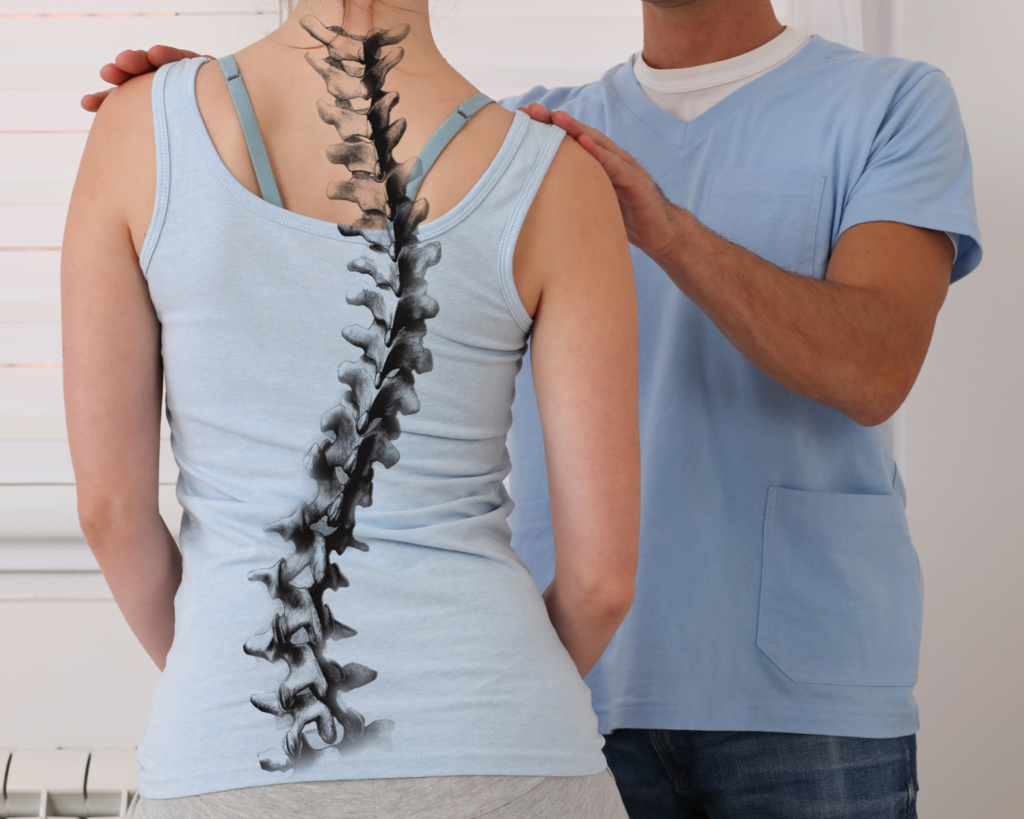
As a local chiropractor, I want to emphasize the crucial role that spinal adjustments play in helping you achieve optimal alignment and improve your overall performance, especially after a sports injury. If you're experiencing pain or discomfort, it's often due to misalignments in your spine, which can exacerbate your condition, restrict your mobility, and hinder your athletic abilities.
By incorporating regular spinal adjustments into your wellness routine, you can address these misalignments, alleviating pain and enhancing your range of motion.
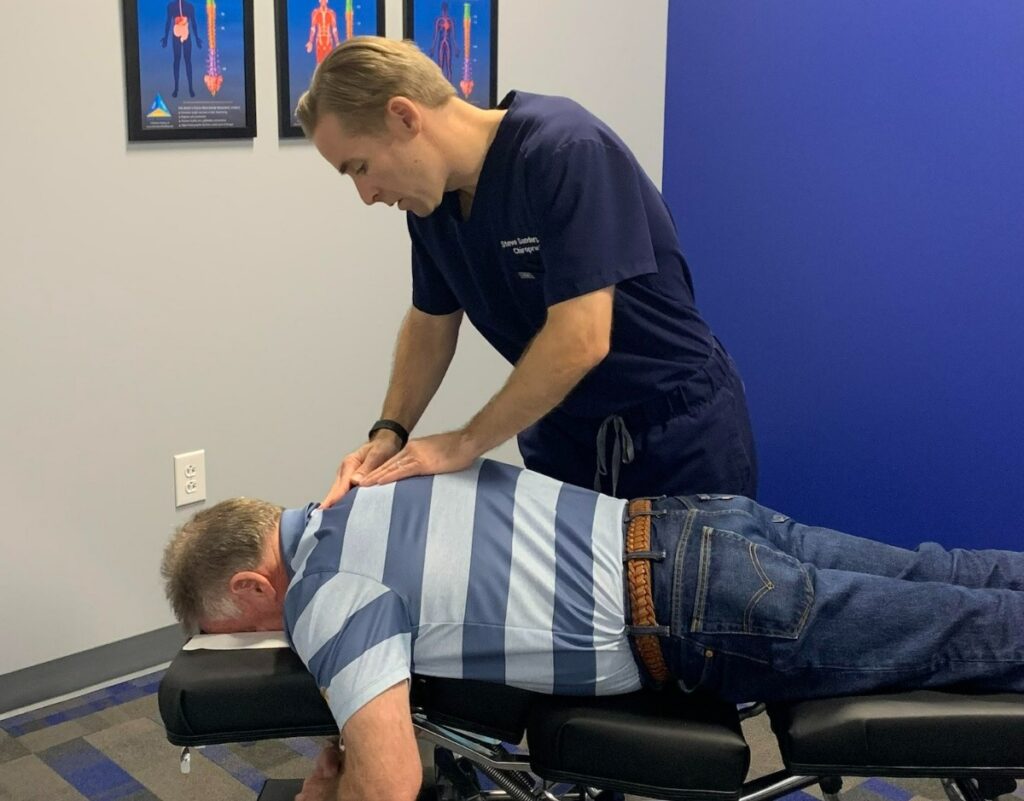
During a spinal adjustment, I apply controlled force to specific joints in your spine, which helps realign your vertebrae. This process promotes proper posture and reduces strain on your muscles and ligaments. Many of my patients report a significant decrease in pain and tension following adjustments, enabling them to return to their favorite sports and activities more quickly.
In addition to relieving pain, spinal adjustments can greatly improve your body's biomechanics. A well-aligned spine allows your nervous system to function optimally, enabling your body to respond more effectively during physical activities. This enhanced communication between your brain and body translates to improved coordination and balance—key attributes for any athlete.
Moreover, maintaining proper spinal alignment is essential for injury prevention. When your spine is aligned, it provides better support to your body's structure, significantly reducing the risk of strain during workouts or competitions.
By prioritizing spinal adjustments in your recovery journey, you're not just focusing on immediate relief; you're laying the groundwork for long-term success in your sport.
So, if you're new to chiropractic care, I encourage you to consider the powerful benefits of a well-aligned spine. It can be a vital part of your recovery process and a key component in achieving peak performance.
Let's work together to enhance your health and athletic potential!
Enhanced Blood Circulation
As a local chiropractor, I want to share with you the importance of enhanced blood circulation in your recovery from sports injuries. Many people may not realize how vital blood flow is for healing and reducing inflammation. When blood circulation improves, it brings essential nutrients and oxygen right to the injured areas, which promotes tissue repair and speeds up recovery.
In my practice, I use various chiropractic techniques to stimulate circulation, which is crucial for your healing process. One of the most common methods is spinal adjustments. By aligning your spine and joints, we can enhance your body's ability to function effectively, including its blood circulation. Proper alignment reduces nerve interference, allowing vital signals to travel freely throughout your body. This improved communication helps your cardiovascular system work better, ensuring that more blood reaches the areas that need it most.
Additionally, I often incorporate soft tissue techniques such as massage into our sessions. These methods are designed to enhance circulation even further. By breaking down adhesions and scar tissue, we improve the flexibility of the affected area. As circulation improves, many patients experience reduced swelling, less stiffness, and a noticeable increase in their range of motion.
Integrating chiropractic therapy into your recovery plan not only promotes enhanced blood circulation but also creates an environment that supports healing. By focusing on improving blood flow, you're taking a significant step toward a faster and more effective recovery from your sports injuries.
This proactive approach can make a tremendous difference in getting you back to your game, stronger and healthier than ever. If you have any questions or want to learn more about how chiropractic care can help you, please feel free to reach out!
Pain Relief Techniques
As a local chiropractor, I want to help you understand the importance of effective pain relief techniques when recovering from a sports injury. Many people are unfamiliar with how chiropractic care and natural healing methods can support your recovery journey.
Manual manipulation, for instance, is a key component of chiropractic care that can realign your spine and joints, promoting better function and reducing discomfort.
Soft tissue therapy, another technique I utilize, targets the muscles and connective tissues to alleviate tension and promote healing.
Additionally, there are various modalities, such as ultrasound or electrical stimulation, that can further ease your pain and enhance mobility.
By exploring these methods, you can't only regain your strength but also experience a more holistic approach to healing.
I encourage you to consider these natural techniques as part of your recovery plan. Together, we can work towards reducing your pain and getting you back to doing what you love.
Manual Manipulation Benefits
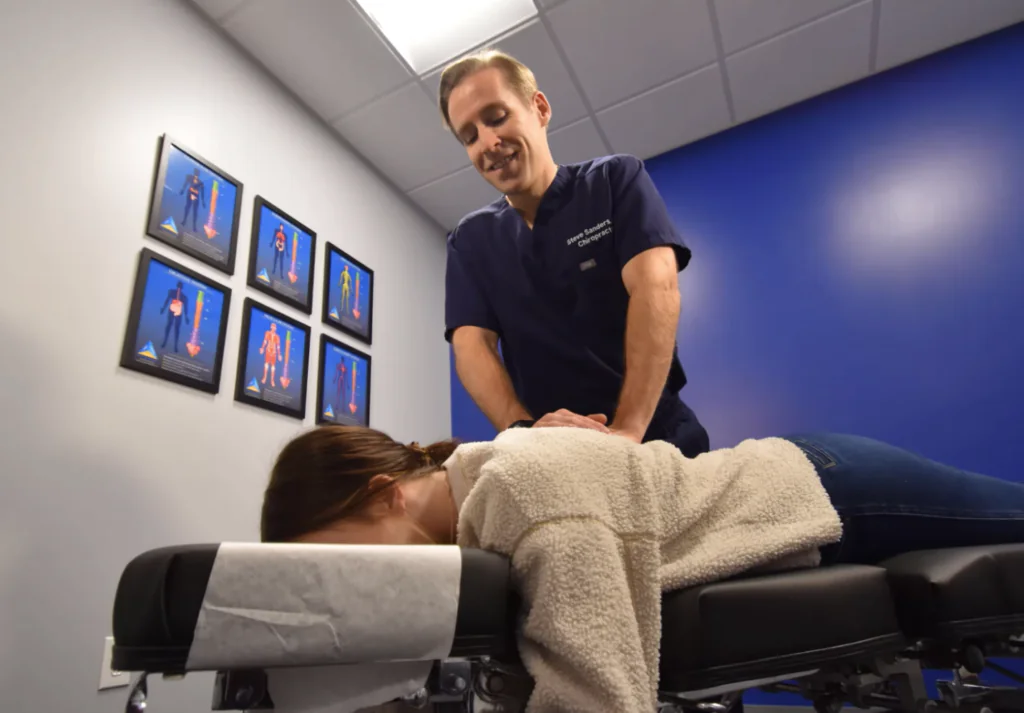
As a local chiropractor, I want to share with you the numerous benefits of manual manipulation, especially for athletes recovering from sports injuries. Many people are unfamiliar with how this technique works and how it can aid in pain relief. During a session, I use my hands to gently adjust your spine and other joints, helping to restore proper alignment. This realignment can significantly alleviate pain and tension in the areas affected by injury.
When your joints regain their mobility through manual manipulation, you may notice an enhancement in your overall range of motion. This is particularly important for athletes, as it helps you return to your sport more swiftly and effectively. Additionally, this technique fosters improved blood circulation in the injured areas, which is vital for healing as it ensures that essential nutrients and oxygen reach where they're needed most.
You might also find that muscle tension and spasms, which often accompany sports injuries, start to dissipate with manual manipulation. By addressing these concerns, I can help you feel more comfortable during your recovery process.
Another significant advantage is that this approach can decrease your reliance on pain medications that often carry unwanted side effects. By choosing manual manipulation, you're selecting a natural and holistic method to manage pain while concentrating on your rehabilitation.
Ultimately, my goal is to help you get back in the game faster and in better health. If you have any questions about how chiropractic care can assist you, please don't hesitate to reach out!
Soft Tissue Therapy
As a local chiropractor, I want to help you understand the vital role soft tissue therapy plays in alleviating pain and promoting recovery, especially for athletes. This therapy goes beyond manual adjustments by focusing specifically on your muscles, tendons, ligaments, and fascia. Sometimes, injuries require more than just adjustments; that's where soft tissue therapy comes in.
Through specialized techniques, we apply targeted pressure and movements to break down adhesions and scar tissue, which can significantly improve your flexibility and reduce pain. During your sessions, you may experience a variety of methods such as massage, myofascial release, or trigger point therapy. Each of these techniques aims to relieve muscle tightness and tension, enhance circulation, and facilitate more effective healing for your body.
Additionally, you might notice a decrease in inflammation and an improvement in your range of motion, both of which are crucial for getting you back to your sport or daily activities. It's essential for you to communicate openly with me about your specific pain points and recovery goals. This allows me to tailor the soft tissue therapy to best meet your individual needs.
Incorporating soft tissue therapy into your recovery plan not only accelerates healing but also plays a key role in preventing future injuries. By doing so, you can stay active for longer and perform at your best.
I'm here to guide you through this process and help you on your journey to natural healing.
Modalities for Pain Relief
As a local chiropractor, I want to share how utilizing various modalities for pain relief can significantly aid your recovery from sports injuries.
Many people aren't familiar with the techniques we use in chiropractic care, so let me explain some effective options that can help manage your pain.
One method we often use is electrical stimulation. This technique involves applying low-voltage currents to relieve pain and stimulate your muscles. You might feel a gentle tingling sensation, which can effectively reduce muscle spasms and improve circulation in the affected area.
Another approach is ultrasound therapy, which uses sound waves to penetrate deep into your tissues. This method promotes tissue repair and reduces swelling, making it especially helpful if you're experiencing chronic pain or inflammation.
Cold laser therapy is also a popular option among athletes. This technique employs low-level lasers to stimulate cellular function, helping to reduce pain without causing any discomfort. Many of my patients report that this method significantly speeds up their recovery time.
By incorporating these modalities into your chiropractic care, we create a well-rounded approach to your healing process.
Addressing pain from multiple angles not only provides relief but also enhances your overall performance.
If you're curious about which of these techniques might work best for your specific situation, please don't hesitate to reach out. I'm here to help you on your journey to recovery and wellness!
Improved Range of Motion
As a local chiropractor, I want to take a moment to educate you about how chiropractic therapy can significantly enhance your range of motion, especially if you're an athlete recovering from a sports injury. When injuries occur, it's common for your body to react with stiffness or limited mobility, which can hinder your performance. This is where chiropractic care comes in.
Through specialized techniques, we focus on addressing the root causes of your movement restrictions. By performing spinal adjustments and joint mobilization, we work to align your spine and joints, relieving tension and allowing your body to move more freely. Many of my patients experience notable improvements in their athletic performance and daily activities as a result of these treatments.
In addition to adjustments, I also incorporate tailored stretching and strengthening exercises that cater to your unique needs. These exercises not only help to improve your range of motion but also facilitate the healing process by boosting blood circulation and reducing inflammation.
With regular chiropractic care, you may find that your body becomes more adaptable, making it easier for you to execute complex movements required in your sport.
It's important to recognize that improving your range of motion isn't solely about physical flexibility; it's also about building confidence in your movements. When you can move without pain or restriction, you're more inclined to push your limits and excel in your athletic endeavors.
If you're on the road to recovery from a sports injury, I encourage you to consider chiropractic therapy as a valuable resource to enhance your range of motion and expedite your return to peak performance. Let's work together to get you back to doing what you love!
Muscle Rehabilitation Strategies
As your local chiropractor, I'm here to guide you through your recovery journey, especially after you've enhanced your range of motion. The next essential step involves effective muscle rehabilitation strategies.
These strategies aim to strengthen the muscles around your injured area, which can lead to a quicker recovery and better overall performance. Here are three key approaches I recommend:
1. Targeted Strengthening Exercises: It's crucial to incorporate exercises that specifically focus on the muscles affected by your injury. Utilizing resistance bands, weights, or even bodyweight exercises can help you build strength gradually.
I'll work with you to determine the right exercises tailored to your specific injury, ensuring we create a safe and effective rehabilitation plan.
2. Progressive Muscle Relaxation: This technique is designed to alleviate muscle tension and encourage relaxation, which is vital for your recovery.
By systematically tensing and then relaxing each muscle group, we can enhance blood flow and reduce pain, making it easier for your body to heal naturally.
3. Therapeutic Stretching: Stretching plays a key role in maintaining flexibility and preventing stiffness after an injury.
I encourage gentle stretching routines as part of your rehabilitation plan. We'll focus on stretches that address both the injured muscles and the surrounding areas, allowing for a comprehensive approach to your recovery.
Injury Prevention Education
As a local chiropractor, I want to emphasize the importance of understanding injury prevention principles, especially for those who engage in physical activities. Proper biomechanics and body mechanics are crucial not only for enhancing your performance but also for ensuring your safety. When you learn how to move efficiently, you significantly reduce your risk of strain and injury.
A fundamental aspect of injury prevention is mastering your warm-up routine. This goes beyond just breaking a sweat; it's about preparing your muscles and joints for the demands placed on them during your activities. I recommend incorporating dynamic stretches and mobility exercises into your routine to boost blood flow and enhance flexibility.
Strength and stability are also key components in preventing injuries. Focusing on building a strong core and strengthening supporting muscle groups creates a solid foundation for your movements, enhancing your balance and control. Engaging in tailored strength-training exercises can lower your injury risk significantly.
Don't overlook the importance of recovery practices. Ignoring rest and recovery can lead to overuse injuries, which can be quite debilitating. Ensure that you're allowing adequate rest days and consider utilizing techniques such as foam rolling and stretching to alleviate muscle tension and promote healing.
Finally, it's essential to stay informed about the common injuries associated with your specific sport or activity. By understanding the signs and symptoms, you can take proactive steps to address potential issues before they escalate, keeping your body healthy and functioning optimally.
As your chiropractor, I'm here to support you in your journey towards a healthier, injury-free lifestyle.
Personalized Treatment Plans
As a local chiropractor, I want to share some insights about the importance of personalized treatment plans for athletes recovering from sports injuries. Many people may not realize that a one-size-fits-all approach simply doesn't work when it comes to recovery. Each athlete's body is unique, and it's vital that your recovery plan reflects that individuality.
Personalized treatment plans are essential to ensure you receive the most effective care tailored to your specific needs, goals, and the type of injury you're facing. Here's how I typically approach this process in my practice:
- Individualized Assessment: When you come in for an evaluation, I'll conduct a thorough assessment of your injury. This includes understanding your medical history, the physical demands of your sport, and any past injuries you may have experienced. This detailed evaluation is crucial in helping me understand your unique situation and how best to support your recovery.
- Custom Treatment Protocols: After assessing your condition, I'll design a treatment plan specifically for you. This may include a combination of chiropractic adjustments to realign your spine, rehabilitative exercises to strengthen affected areas, and even nutritional advice to support your healing process. Each element of your plan is tailored to address your specific injury and improve your overall performance.
- Ongoing Monitoring and Adjustments: Recovery isn't a linear process; it requires constant attention and adaptation. That's why I emphasize the importance of regular follow-ups. These check-ins allow me to monitor your progress and make any necessary adjustments to your treatment plan, ensuring you remain on track for a successful recovery.
By focusing on a personalized approach, I aim to help each athlete not only recover from their injuries but also enhance their performance and prevent future issues.
If you're dealing with a sports injury or simply curious about how chiropractic care can aid in your recovery, I'm here to help guide you on your journey to wellness.
Stress Reduction Methods
As a local chiropractor, I want to emphasize that recovering from a sports injury goes beyond just physical rehabilitation; managing stress during this time is crucial for a successful recovery. When you find yourself sidelined, it's common to experience anxiety and frustration, which can impede your healing process. That's why incorporating stress reduction methods into your recovery plan is essential to maintaining a positive mindset and promoting healing.
One effective strategy you can adopt is mindfulness and meditation. Just a few minutes each day dedicated to focusing on your breath or visualizing your recovery can foster a sense of calm. If you're new to meditation, there are numerous apps and guided sessions available that can help you ease into this practice.
Additionally, engaging in light physical activity—provided it doesn't interfere with your healing—is another powerful way to reduce stress. Gentle yoga or stretching can stimulate the release of endorphins, which are natural mood boosters and can help alleviate stress. However, I always recommend consulting with me or your chiropractor before initiating any new routines to ensure they're safe and appropriate for your specific recovery.
Never underestimate the importance of social support during this time. Surrounding yourself with friends and family who understand your journey can offer invaluable emotional relief. Sharing your feelings and receiving their encouragement can significantly enhance your mental state and overall recovery experience.
Lastly, I encourage you to explore relaxation techniques, such as deep breathing exercises or progressive muscle relaxation. These methods can effectively ease tension and anxiety, making your recovery smoother.
Nutritional Guidance
As a local chiropractor, I want to emphasize the importance of proper nutrition for anyone recovering from a sports injury. Your diet plays a vital role in the healing process, and understanding what to include in your meals can significantly enhance your recovery.
When you're healing, your body requires specific nutrients to repair tissues, reduce inflammation, and restore strength. Here are three essential components to focus on:
- Protein: Adequate protein intake is crucial for muscle repair and growth. I recommend incorporating lean sources of protein into your diet, such as chicken, fish, beans, and legumes. These foods are instrumental in rebuilding damaged tissues and assisting in your overall recovery.
- Omega-3 Fatty Acids: These healthy fats are known for their anti-inflammatory properties and can significantly promote healing. You can find omega-3 fatty acids in fatty fish like salmon, as well as in walnuts and flaxseeds. Adding these foods to your meals can support a quicker recovery process.
- Fruits and Vegetables: These are packed with vitamins, minerals, and antioxidants that can strengthen your immune system and help fend off infections. I encourage you to eat a variety of colorful fruits and vegetables to ensure you're getting a broad spectrum of nutrients. Leafy greens, berries, and citrus fruits are especially beneficial during your healing journey.
By focusing on these nutritional components, you can enhance your recovery and complement the chiropractic care you receive.
Sports-Specific Conditioning
As a local chiropractor, I want to emphasize the importance of sports-specific conditioning for athletes recovering from injuries. This focused approach not only helps you regain strength, flexibility, and endurance, but it also tailors your training to meet the unique demands of your sport. Rather than simply returning to your previous level of performance, sports-specific conditioning aims to optimize your abilities and significantly reduce the risk of future injuries.
When you engage in sports-specific conditioning, you're actively refining skills that are directly applicable to your sport. For example, if you're a runner, it's essential to include exercises that boost your speed, agility, and leg strength. Conversely, a football player might benefit from drills designed to enhance lateral movement and explosive power. By targeting specific muscle groups and movement patterns, you're effectively preparing your body for the unique challenges that come with your sport.
As your chiropractor, I can assist in identifying any imbalances or weaknesses that may have developed due to your injury. Together, we can create a personalized conditioning program that addresses these concerns, ensuring a safe and effective return to peak performance.
Regular assessments and adjustments to your regimen will help us track your progress and make necessary modifications as you recover.
Incorporating sports-specific conditioning into your recovery strategy not only helps you regain your previous capabilities but also enhances your overall athletic performance. Our goal is for you to come back not just as you were, but stronger and more resilient, ready to excel in your sport.
Embrace this vital aspect of your recovery journey, and let's work together to help you achieve your athletic goals.
Conclusion
As a local chiropractor, I want to share how chiropractic therapy can be a valuable resource for anyone recovering from sports injuries. Our approach is holistic, meaning we consider your entire body and how it functions together. By focusing on spinal adjustments, we can help alleviate pain and improve your overall mobility, allowing you to get back on your feet more quickly.
In addition to adjustments, we create personalized treatment plans tailored to your specific needs, ensuring that you're not only healing but also enhancing your athletic performance. We incorporate strategies such as muscle rehabilitation and nutritional guidance into our programs. This comprehensive approach guarantees that your recovery is well-rounded, addressing both physical and nutritional aspects of healing.
By embracing these reliable chiropractic methods, you'll not only recover from your injury but also strengthen your body to prevent future issues. I encourage you to explore the benefits of chiropractic care as your journey to peak health begins here!