If you're dealing with persistent back pain, it's crucial to explore effective non-invasive solutions that can genuinely make a difference in your life. You might find that physical therapy, chiropractic care, and mindfulness techniques offer the relief you seek without resorting to medication or surgery. Each approach has unique benefits that address not just the symptoms but the underlying issues as well. Curious about how these methods can work together to enhance your daily well-being? Let's take a closer look at each one and discover the potential they hold for your recovery.
Physical Therapy
When it comes to managing back pain, physical therapy can be your best ally. This hands-on approach focuses on building strength, improving flexibility, and enhancing mobility, all of which are vital for relieving discomfort and preventing future issues. A skilled physical therapist will assess your condition and tailor a program specifically for your needs.
During your sessions, you'll engage in exercises designed to target the muscles surrounding your spine, helping to stabilize and support it. This strengthens your core, which is essential for maintaining proper posture and reducing strain on your back.
You'll also learn valuable techniques for managing pain, including stretches that can alleviate tension and improve your range of motion.
One of the key benefits of physical therapy is that it empowers you with knowledge and tools to take charge of your own recovery. You won't just be a passive recipient of treatment; you'll actively participate in your healing process.
Your therapist may also educate you on lifestyle changes, such as ergonomic adjustments and proper lifting techniques, to prevent further injury.
Moreover, physical therapy often includes modalities like heat, cold therapy, or electrical stimulation, which can help reduce pain and inflammation.
By committing to this course of treatment, you're investing in a long-term solution rather than temporary relief.
Chiropractic Care
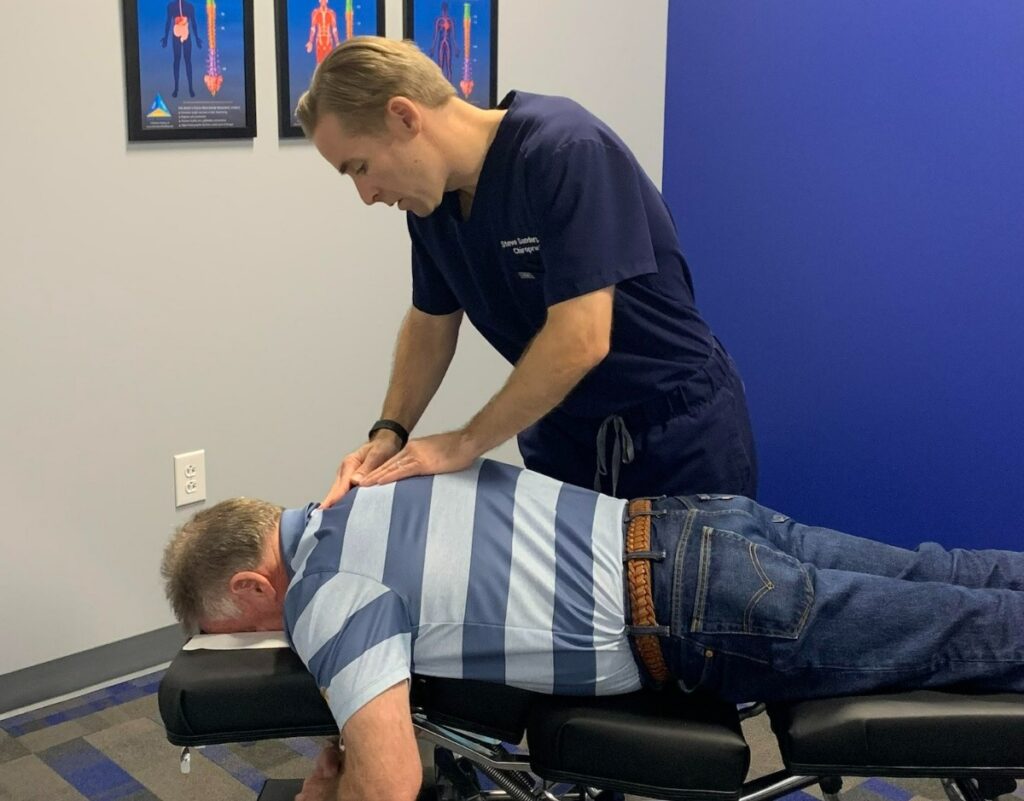
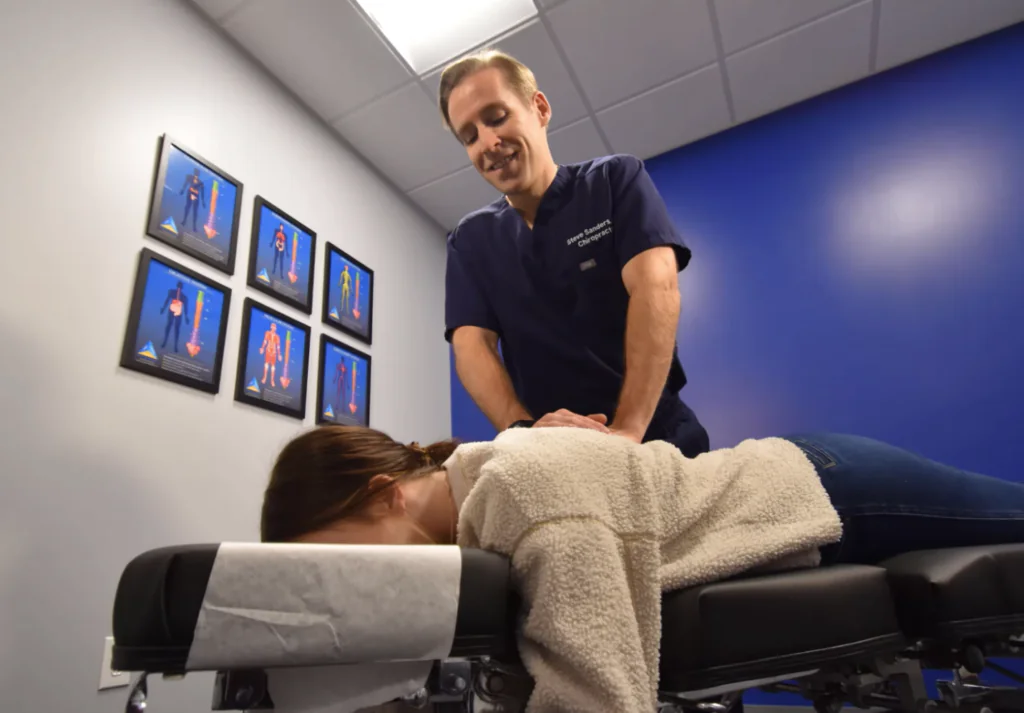
For those seeking relief from back pain, chiropractic care offers a hands-on approach focused on spinal health. By using manual manipulation techniques, chiropractors aim to align your spine, improve mobility, and reduce pain. This method can be particularly effective for those suffering from musculoskeletal issues.
When you visit a chiropractor, you can expect a thorough assessment that may include:
- Physical Examination: Your chiropractor will evaluate your posture, range of motion, and any discomfort you experience. This helps them understand the root cause of your pain.
- Spinal Adjustments: These adjustments involve applying controlled force to specific joints, restoring proper alignment and function. Many patients report immediate relief following adjustments.
- Personalized Treatment Plans: Your chiropractor will create a tailored plan that may include follow-up visits, exercises, and lifestyle advice. This holistic approach guarantees that you're not just managing symptoms but addressing underlying issues.
Chiropractic care isn't just about quick fixes; it's about fostering long-term health. Regular adjustments can help prevent future back pain and improve your overall well-being.
Many individuals find that chiropractic care complements other non-invasive treatments, enhancing their recovery journey. If you're ready to take a proactive step toward relief, consider consulting a chiropractor. They'll guide you in achieving a pain-free life and restoring your quality of life, allowing you to return to the activities you love.
Mindfulness and Relaxation Techniques
Incorporating mindfulness and relaxation techniques into your routine can greatly alleviate back pain. These practices help you connect with your body and reduce stress, which often contributes to muscle tension and discomfort. By fostering a sense of awareness, you can better identify and address the physical sensations associated with your back pain.
Start with mindful breathing exercises. Find a quiet space, sit comfortably, and focus on your breath. Inhale deeply through your nose, allowing your abdomen to expand, and exhale slowly through your mouth. This simple practice calms your mind and promotes relaxation throughout your body. Aim for five to ten minutes each day to establish a consistent routine.
Next, consider incorporating progressive muscle relaxation. This involves tensing and then relaxing specific muscle groups, starting from your toes and moving up to your head. As you focus on each area, pay attention to the sensations of tension and release. This technique not only alleviates physical discomfort but also enhances your awareness of how stress affects your body.
Yoga and gentle stretching can also be beneficial. These practices improve flexibility and strengthen the muscles that support your spine. Try a few simple poses, like Child's Pose or Cat-Cow, to release tension.
Finally, meditate regularly. It can help you cultivate a state of calm and improve your overall emotional well-being. By integrating these mindfulness and relaxation techniques into your daily routine, you'll likely find significant relief from back pain while enhancing your quality of life.
Conclusion
Incorporating physical therapy, chiropractic care, and mindfulness techniques into your routine can markedly improve your back pain management. By actively engaging in these non-invasive solutions, you empower yourself to regain control over your health and well-being. Each approach offers unique benefits, helping you build strength, achieve proper alignment, and reduce stress. Take the first step towards a pain-free life by exploring these effective strategies and find the combination that works best for you.