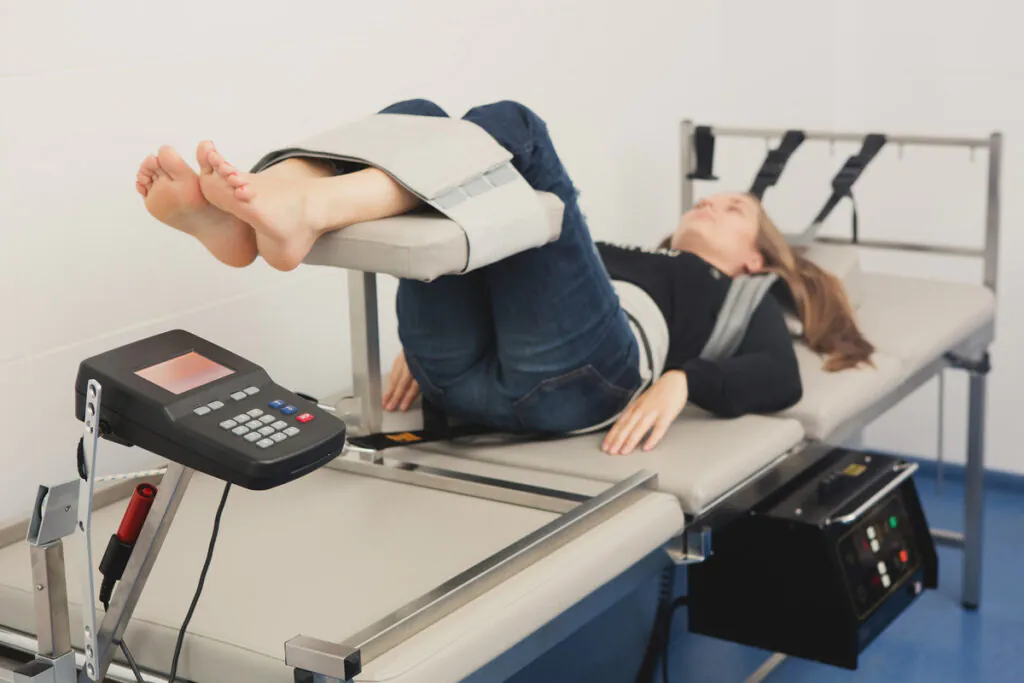
As a local chiropractor, I want to share some effective recovery strategies for those dealing with a sports injury. It's important to understand that your healing process goes beyond just rest; quality sleep and a balanced diet are crucial for recovery. A structured rehabilitation program, which we can tailor to your needs, will help you regain strength and mobility.
In addition to these fundamental aspects, utilizing ice and compression can significantly alleviate symptoms and reduce inflammation. I often emphasize the importance of maintaining a positive mindset during recovery—this can greatly influence your healing journey. If you're unsure how to foster this positivity, I can guide you through techniques that can help.
Let's explore these five essential steps together so you can feel empowered and informed on your path to recovery. Remember, your health is a journey, and I'm here to support you every step of the way.
Prioritize Rest and Sleep
As a local chiropractor, I want to emphasize the importance of prioritizing rest and sleep when recovering from a sports injury. Your body has an incredible ability to heal itself, but it needs time and the right conditions to do so effectively. Rest and quality sleep are crucial components of your healing journey, as they allow your body to repair damaged tissues and regain strength.
During deep sleep, your body releases growth hormones that are essential for muscle repair and regeneration. If you don't give yourself enough rest, you could hinder your recovery process. I understand that it might be tempting to push through the discomfort or rush back to your usual activities, but this could lead to setbacks that may prolong your healing.
It's important to listen to your body. If you're feeling fatigued, I encourage you to take a step back and allow yourself the rest you need. Aim for a consistent sleep schedule that provides you with 7-9 hours of quality sleep each night. Establishing a calming bedtime routine—whether it's reading, gentle stretching, or practicing meditative breathing—can signal to your body that it's time to relax and prepare for restorative sleep.
Additionally, don't shy away from short naps during the day if you find yourself feeling tired. These power naps can replenish your energy and enhance your focus.
Creating a sleep-friendly environment is also vital; ensure that your bedroom is dark, quiet, and cool to facilitate better sleep quality.
Incorporating rest into your daily routine isn't just beneficial—it's essential for a successful recovery. By prioritizing sleep and allowing your body the downtime it requires, you'll pave the way for a quicker and more effective healing process.
Follow a Balanced Diet
As a local chiropractor, I want to emphasize the importance of a balanced diet while you focus on recovering from a sports injury. Proper nutrition is crucial for healing and can significantly enhance your recovery process. By incorporating a variety of foods into your daily meals, you ensure that your body receives the essential vitamins, minerals, and nutrients necessary for optimal healing.
Start with lean proteins such as chicken, fish, eggs, and legumes. These foods play a critical role in repairing tissues and building muscle, which is vital after an injury. Additionally, don't overlook the benefits of healthy fats. Foods like avocados, nuts, seeds, and olive oil can help reduce inflammation, which is often a part of the healing process. Together, these nutrients contribute to your body's natural healing abilities.
Fruits and vegetables are also key players in recovery. They're rich in antioxidants that help combat inflammation and support healing. Aim to fill half your plate with a colorful array of fruits and vegetables. Dark leafy greens, berries, and citrus fruits are particularly beneficial due to their high vitamin C content, which is essential for collagen formation and tissue repair.
Hydration is another critical aspect of a balanced diet. Water is essential for transporting nutrients throughout your body and flushing out toxins. I recommend aiming for at least eight glasses of water a day, adjusting your intake based on your activity level and the climate you're in.
Finally, it's important to listen to your body. If you find that certain foods leave you feeling sluggish or unwell, it may be time to make some dietary adjustments. By prioritizing a balanced diet, you're giving your body the best chance to recover quickly and fully, allowing you to return to your favorite activities sooner.
Implement Rehabilitation Exercises
As a local chiropractor, I want to emphasize the crucial role that rehabilitation exercises play in your recovery from sports injuries, alongside maintaining a balanced diet. These exercises are essential in rebuilding strength, enhancing flexibility, and restoring function to the affected area. It's vital to begin these exercises as soon as I give you the green light, ensuring that you don't hinder your healing process.
Start with gentle stretches and range-of-motion exercises. These foundational movements help prevent stiffness and promote blood flow to the injured area. Focus on slow, controlled movements that don't cause pain, and gradually expand your range as you become more comfortable. Listen to your body; if anything feels off, please reach out to me for guidance.
As you gain strength, we can incorporate more targeted strength-building exercises. This may involve using resistance bands, your body weight, or light weights—tailored to your injury and fitness level. It's important to engage both the injured area and its supporting muscles to ensure a well-rounded recovery.
For those dealing with lower limb injuries, we should also include balance and stability exercises in your regimen. These will help restore your body's sense of position and movement (proprioception) and significantly reduce the risk of re-injury.
Remember, consistency is key! Establishing a regular schedule for your rehabilitation exercises will help you track your progress and stay motivated.
Lastly, I highly recommend considering working together in a personalized rehabilitation program. As your chiropractor, I can design a plan that specifically addresses your unique needs and provide you with guidance on proper techniques. This tailored approach can greatly enhance your recovery journey, allowing you to bounce back stronger and more resilient than ever.
Use Ice and Compression
As a local chiropractor, I want to share some essential techniques for managing pain and reducing swelling after a sports injury. One of the most effective methods is the combination of ice therapy and compression, which can significantly aid in your recovery.
When you experience a sports injury, applying ice as soon as possible is crucial. Ice therapy helps by constricting blood vessels, which reduces blood flow to the injured area and minimizes swelling. I recommend wrapping ice or a cold pack in a thin towel to avoid frostbite, and placing it gently on the affected area for about 15 to 20 minutes every hour during the first 48 hours post-injury.
It's important to remember that you should never apply ice directly to your skin. The goal is to keep the area cool while ensuring your comfort. If you notice any excessive redness or a tingling sensation, remove the ice immediately.
In addition to ice, compression is a vital component in managing swelling and providing support for the injured area. Using an elastic bandage or a compression wrap, apply gentle pressure to the injury. It should be snug but not overly tight—your fingers should still be able to move freely, and you shouldn't feel any tingling.
For optimal results, consider combining ice and compression. After you've applied ice, keeping the compression wrap on for a few hours can help maintain pressure and support as you heal.
While these methods are beneficial during the initial recovery phase, I encourage you to consult a healthcare professional if your symptoms persist or worsen.
Stay Mentally Positive
As a local chiropractor, I want to emphasize the vital role that maintaining a positive mindset plays in your recovery from a sports injury. Your mental state is intricately linked to your physical healing, and embracing a positive outlook can significantly enhance your rehabilitation process. When you focus on the positives, you're more inclined to actively participate in your recovery, which can lead to better adherence to rehabilitation protocols and a quicker return to your favorite activities.
Staying mentally positive is essential in managing the frustrations that often accompany being sidelined. Rather than fixating on what you can't do, consider redirecting your attention to what you can do to support your healing journey. This could involve working on your nutrition, studying techniques that can improve your performance, or developing mental strategies that will serve you when you return to your sport. Such a proactive mindset can help distract you from negative thoughts and empower you to take charge of your recovery.
Moreover, a positive mindset can alleviate stress and anxiety—two factors that can be detrimental to your healing process. When negativity creeps in, your body can produce stress hormones that may hinder recovery. By incorporating practices such as gratitude, visualization, or mindfulness, you can foster a more positive environment that supports your body's natural healing abilities.
I also encourage you to surround yourself with supportive friends, family, and teammates. Sharing your recovery journey with those who understand can provide motivation, encouragement, and a sense of community, making the process feel less isolating.
Ultimately, embracing a mentally positive attitude isn't just about feeling good; it's a crucial component of a holistic recovery strategy. By focusing on progress and embracing the journey, you may find that your healing process accelerates.
Conclusion
As a local chiropractor, I want to guide you through five essential steps to enhance your recovery from sports injuries. First and foremost, prioritize rest and quality sleep; your body needs this time to heal effectively. Next, nourish yourself with a balanced diet rich in nutrients to support your recovery process. It's also crucial to stay committed to your rehabilitation exercises, which can be tailored to your specific needs through chiropractic care.
In addition, don't underestimate the benefits of ice and compression, as they play a significant role in managing swelling and discomfort. Most importantly, maintaining a positive mindset and setting realistic, achievable goals can make a big difference in your recovery journey. With dedication, proper guidance, and the right support, you'll be able to return to your favorite activities even stronger and faster than before. Remember, chiropractic care offers natural healing methods that can significantly aid in your recovery.