
If you’ve been dealing with that deep, burning ache that shoots down your leg, you already know how much sciatica can disrupt your daily life. Simple things — getting out of bed, walking to the car, sitting through a meeting — can feel like enormous challenges. The good news is that you don’t have to just push through it or rely on pain medication indefinitely. Sciatica treatment in Fort Worth is more accessible and more effective than many people realize, and understanding what to expect can make the entire process feel a lot less overwhelming.
At Cityview Chiropractic in Fort Worth, TX, Dr. Steve Sanders works with patients experiencing sciatica every week. Whether your symptoms are brand new or you’ve been dealing with leg pain and numbness for months, this guide will walk you through what sciatica actually is, what causes it, and how chiropractic care fits into an effective recovery plan.
What Is Sciatica?
Sciatica is not a diagnosis on its own — it’s a symptom. It refers to pain, tingling, numbness, or weakness that travels along the path of the sciatic nerve, which runs from your lower back through your hips and buttocks and down each leg. Most people feel it on one side of the body. The discomfort can range from a mild ache to a sharp, electric sensation that makes it hard to move normally.
What Causes Sciatica?
Understanding the root cause of your sciatica is the first step toward real relief. The sciatic nerve is the longest and widest nerve in the human body, and it can become irritated or compressed at several different points along its path. The underlying cause matters because it shapes what kind of treatment is most appropriate.
One of the most common culprits is a herniated or bulging disc in the lumbar spine. When the soft inner material of a spinal disc pushes outward, it can press directly against the sciatic nerve root. If you’ve been curious about how this type of injury develops, our article on herniated disc treatment goes into greater detail about the mechanics involved.
Another frequent cause is spinal stenosis, which is a narrowing of the spinal canal that puts pressure on the nerves running through it. Piriformis syndrome — where the piriformis muscle in the buttock tightens or spasms and irritates the sciatic nerve — is often mistaken for disc-related sciatica. Degenerative disc disease, bone spurs, and even pregnancy can all trigger sciatic nerve irritation as well.
Here in Fort Worth, many patients who come to Cityview Chiropractic with sciatica symptoms have been sitting for long stretches at a desk, doing physical labor, or recovering from a car accident. If your sciatica followed a vehicle collision, it’s worth reading about whiplash treatment and the broader effects that trauma can have on spinal alignment and nerve function. Understanding the specific type and cause of your sciatica also helps — and our resource on the different types of sciatica and their common causes is a great place to start.

Recognizing Sciatica Symptoms
Sciatica has a fairly recognizable pattern, but it can also be tricky to distinguish from other sources of leg or back pain. Knowing what to look for helps you communicate clearly with your care provider and get the right kind of help faster.
The hallmark symptom is pain that starts in the lower back or buttock and radiates down one leg, sometimes all the way into the foot. Many patients describe it as a sharp, shooting pain or a burning sensation. Others feel persistent numbness, tingling, or a pins-and-needles feeling along the leg. In more severe cases, muscle weakness can develop, making it difficult to lift the foot or stand for long periods.
Sciatica symptoms often worsen with prolonged sitting, bending forward, coughing, or sneezing — all of which increase pressure on the spinal discs and nerve roots. If you’ve noticed that your pain gets significantly worse after sitting at your desk, our article on why back pain gets worse after sitting may give you some useful context. Not all leg pain is sciatica, though — there are other conditions that can mimic it closely, and our guide on sciatica vs. other causes of leg pain can help you sort through the differences.
How Chiropractic Care Helps With Sciatica
Chiropractic care is one of the most widely recommended conservative, non-surgical approaches for sciatica. The goal is to address the underlying mechanical cause of nerve irritation — not just to mask the pain. When the spine is misaligned or a joint is not moving properly, surrounding structures like muscles, discs, and nerves can all be affected. Restoring proper alignment and mobility can reduce pressure on the sciatic nerve and allow the body’s natural healing processes to take over.
Research suggests that spinal manipulation — the hands-on adjustment technique used by chiropractors — can help reduce sciatica-related pain and improve function. The American College of Physicians (ACP) and other leading organizations include spinal manipulation among the recommended first-line, non-invasive treatments for low back pain with radiating symptoms. Evidence indicates it works particularly well when combined with other supportive therapies.
At Cityview Chiropractic, Dr. Steve Sanders takes an individualized approach. No two sciatica cases are identical, and what’s causing one person’s symptoms may be completely different from what’s driving another person’s. A thorough evaluation helps identify the root cause so that care can be targeted and effective. This may include chiropractic adjustments, soft tissue work, rehabilitative guidance, and additional therapies as appropriate.
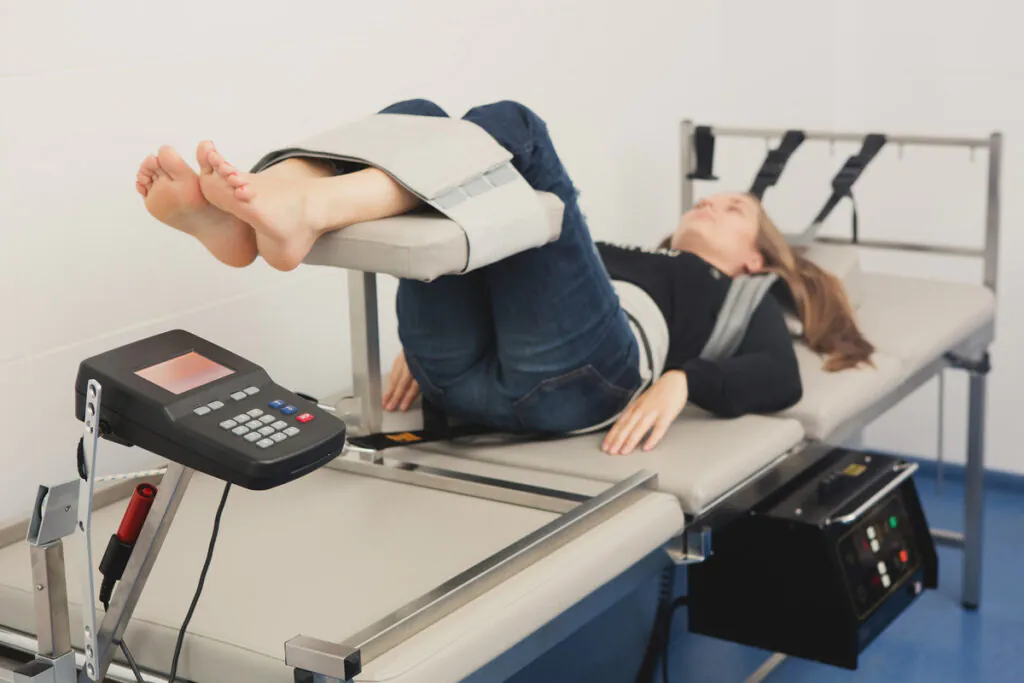
For patients whose sciatica involves significant disc compression, spinal decompression therapy may also be a valuable part of the care plan. This non-surgical traction-based technique gently stretches the spine to reduce disc pressure and encourage retraction of herniated material away from sensitive nerve roots.
What to Expect During Sciatica Treatment in Fort Worth
One of the most common questions patients ask is simply: “What is this going to look like?” Knowing what to expect removes a lot of the anxiety around starting care.
Your first visit at Cityview Chiropractic will begin with a comprehensive consultation. Dr. Steve Sanders will ask about your symptoms, when they started, what makes them better or worse, and your overall health history. This conversation matters because sciatica can stem from several different causes, and the right approach depends on a thorough understanding of your specific situation.
After the consultation, Dr. Sanders will perform a physical and orthopedic examination. This may include movement tests, neurological assessments, and postural analysis. If imaging such as X-rays is warranted, that will be discussed with you at that point. Once the evaluation is complete, you’ll receive a clear explanation of what’s likely causing your symptoms and what a realistic care plan looks like — including how many visits may be needed and what results you can reasonably expect.
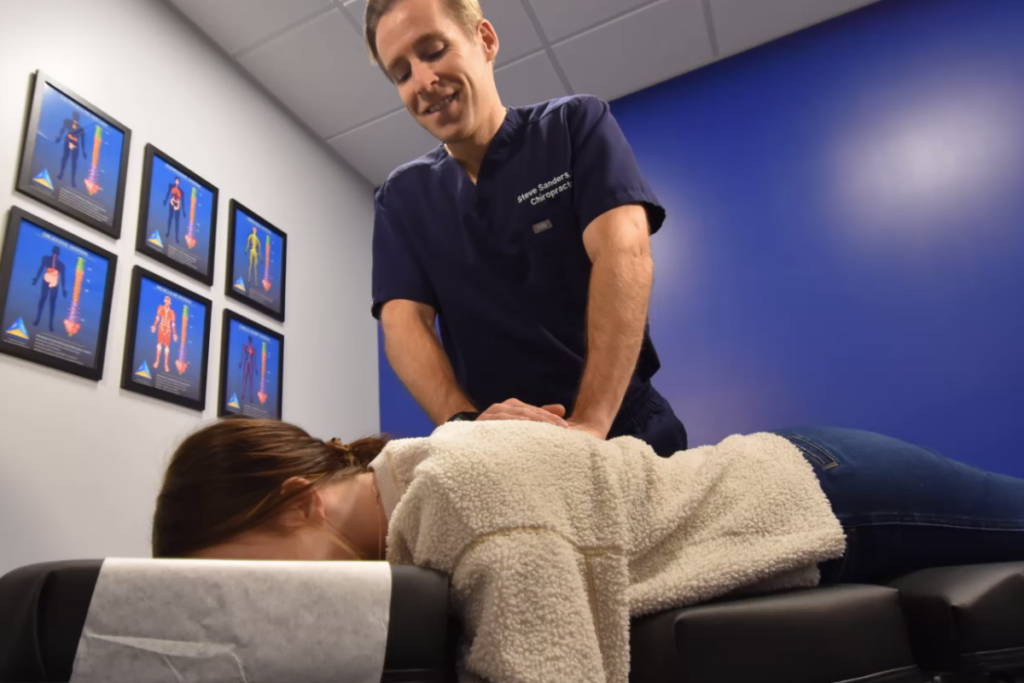
Chiropractic adjustments for sciatica are generally gentle and targeted to the affected spinal segments. Patients often report feeling relief relatively quickly, though the number of sessions needed varies widely depending on the severity and underlying cause of the nerve irritation. Alongside adjustments, your care plan may incorporate physical therapy exercises to strengthen the muscles that support your lower back and reduce the likelihood of recurrence.
Practical Tips for Managing Sciatica at Home
Professional care is the foundation of sciatica recovery, but what you do between visits matters too. There are several evidence-aligned strategies that can support your healing and help you feel more comfortable day to day.
Movement is generally better than rest for sciatica. Prolonged bed rest can actually worsen symptoms over time by allowing muscles to stiffen and weaken. Gentle walking is one of the best things you can do — it promotes circulation, maintains mobility, and keeps the spine active without overloading it.
-
Avoid prolonged sitting: If your job requires long hours at a desk, try to stand and walk for a few minutes every 30–45 minutes. Sitting compresses the lumbar discs and can aggravate sciatic nerve irritation significantly.
-
Mind your sleeping position: Sleeping on your side with a pillow between your knees can reduce pressure on the lower spine and keep your hips aligned. Avoid sleeping flat on your stomach, which tends to hyperextend the lumbar spine.
Applying ice during the first 48–72 hours of a flare-up can help reduce inflammation around the nerve. After that window, gentle heat may help relax tight surrounding muscles. When bending to pick things up, hinge at the hips and keep your back straight rather than rounding forward — this simple habit protects the discs in your lower spine every single day.
It’s also worth paying attention to your overall spinal health on a broader level. Patients who invest in wellness chiropractic care often find they’re better equipped to prevent future flare-ups because small alignment issues are caught and corrected before they become bigger problems.
When to See a Chiropractor for Sciatica
Many people wait far too long before seeking help for sciatica. If your symptoms have been present for more than a few days and aren’t improving on their own, that’s a reasonable signal to have a professional evaluation. Sciatica rarely resolves by itself when there’s an underlying structural issue contributing to the nerve irritation.
You should seek care sooner rather than later if your pain is severe enough to interfere with sleep or daily activities, if you’re experiencing progressive numbness or weakness in the leg, or if symptoms are spreading or intensifying. These signs suggest that nerve involvement may be more significant and that conservative treatment should begin promptly.
There are also red flag symptoms that require immediate medical attention rather than chiropractic care. Loss of bladder or bowel control, numbness in the groin or inner thigh area (saddle anesthesia), or sudden severe weakness in both legs are serious neurological warning signs that warrant emergency evaluation. Dr. Steve Sanders and the team at Cityview Chiropractic will always communicate clearly if your presentation requires a referral or co-management with another provider.

Sciatica at a Glance: Common Causes and Their Characteristics
|
Cause |
How It Irritates the Sciatic Nerve |
Common Patient Profile |
Chiropractic Relevance |
|---|---|---|---|
|
Herniated Lumbar Disc |
Disc material presses on nerve root |
Adults 30–50, desk workers, heavy lifters |
High — adjustments and decompression often help |
|
Spinal Stenosis |
Narrowed canal compresses nerve |
Older adults, age-related degeneration |
Moderate — gentle mobilization and decompression |
|
Piriformis Syndrome |
Muscle spasm pinches the nerve |
Runners, cyclists, sedentary individuals |
High — soft tissue work and alignment correction |
|
Degenerative Disc Disease |
Disc height loss narrows foramen |
Middle-aged to older adults |
Moderate — decompression and stabilization exercises |
|
Pregnancy-Related Sciatica |
Uterine pressure and postural shift |
Second and third trimester women |
High — gentle prenatal adjustments are safe and effective |
Pregnant patients dealing with sciatica deserve a special mention here. Hormonal changes and postural shifts during pregnancy commonly trigger sciatic nerve irritation, and it can be incredibly uncomfortable. Dr. Steve Sanders offers prenatal chiropractic care that is tailored to the unique needs of expecting mothers, using modified techniques that are safe and gentle throughout all trimesters.
Myths vs. Facts About Sciatica
Myth: Sciatica always requires surgery to fix.
Fact: The vast majority of sciatica cases respond well to conservative, non-surgical care. Surgery is typically considered only when conservative treatments have been exhausted and there is progressive neurological compromise. Chiropractic care, physical therapy, and spinal decompression are effective first-line options for most patients.
Myth: Rest is the best treatment for sciatica.
Fact: While rest may be necessary in the acute phase, prolonged inactivity can actually prolong recovery. Evidence consistently shows that staying gently active — with guided movement and appropriate care — leads to faster and more complete improvement than bed rest alone.
Myth: Sciatica only affects older people.
Fact: While degenerative changes in the spine become more common with age, sciatica can affect adults of any age — including young, active individuals. Disc herniation, piriformis issues, and postural problems are not exclusive to older patients. Dr. Steve Sanders sees sciatica patients across a wide range of ages here in Fort Worth.
Myth: If the pain goes away on its own, the problem is resolved.
Fact: Sciatica symptoms can ease temporarily without the underlying mechanical issue being corrected. Without addressing the root cause, flare-ups tend to recur — and often with increasing severity. A proper evaluation helps determine whether a structural problem still needs to be addressed.
Myth: Chiropractors only treat back pain.
Fact: Chiropractic care addresses the entire musculoskeletal and nervous system. At Cityview Chiropractic, Dr. Steve Sanders treats a wide range of conditions including hip pain, pinched nerves, and more — all of which can be interconnected with spinal health and sciatica.
Final Thoughts From Cityview Chiropractic
Sciatica can feel relentless, but it doesn’t have to be permanent. Here in Fort Worth, patients who come through the doors of Cityview Chiropractic often arrive frustrated, exhausted, and unsure of where to turn. Our goal is to give you honest answers, a clear plan, and the kind of individualized care that actually gets to the root of the problem.
Dr. Steve Sanders has helped many members of the Fort Worth community find real, lasting relief from sciatic pain without surgery or ongoing reliance on medication. If you’re ready to understand what’s causing your symptoms and explore a drug-free path forward, Cityview Chiropractic is here for you. You can also learn more about your specific sciatica symptoms and treatment options on our dedicated sciatica treatment page.
You deserve to move freely and live without that constant, nagging pain. We’d be glad to help you get there.
Frequently Asked Questions About Sciatica Treatment in Fort Worth
How long does it take for chiropractic care to help sciatica?
Recovery timelines vary depending on the underlying cause and severity of nerve irritation. Some patients notice significant improvement within a few weeks of starting care, while others with more complex or long-standing issues may require a longer course of treatment. Dr. Steve Sanders will give you a realistic timeline based on your specific evaluation findings.
Is chiropractic care safe for sciatica?
Yes — chiropractic care is widely recognized as a safe, non-invasive option for sciatica when performed by a qualified chiropractor following a proper assessment. As with any form of care, treatment is tailored to what is appropriate for your individual condition and health history.
Can sciatica come back after treatment?
It can, particularly if the underlying lifestyle or structural factors that contributed to it aren’t addressed. Ongoing wellness care, proper posture habits, core strengthening, and ergonomic awareness all play a role in preventing recurrence. Dr. Steve Sanders will discuss maintenance strategies with you as part of your care plan.
What’s the difference between sciatica and general back pain?
General back pain stays localized in the back, while sciatica refers to pain, numbness, or tingling that radiates along the sciatic nerve’s path — typically down one leg. The two can occur together, which is why a thorough orthopedic evaluation is important for an accurate diagnosis. Our back pain treatment page offers additional context on different types of spinal pain.
Do I need an X-ray or MRI before seeing a chiropractor for sciatica?
Not necessarily. Many cases of sciatica can be evaluated and treated effectively without advanced imaging, especially if the presentation is clear and symptoms are recent. If Dr. Steve Sanders determines that imaging is needed to rule out more serious causes or guide treatment decisions, he will discuss that with you directly.
Can sciatica affect both legs at the same time?
True sciatica typically affects only one leg at a time, as it usually results from nerve compression at a single spinal level on one side. Bilateral leg symptoms can occur but may indicate a different or more serious condition, and they should be evaluated promptly by a qualified healthcare provider.
TL;DR — Key Takeaways
-
Sciatica is nerve pain that radiates from the lower back down the leg, caused by compression or irritation of the sciatic nerve — most often from a herniated disc, spinal stenosis, or piriformis syndrome.
-
Chiropractic care is a well-supported, non-surgical approach to sciatica that addresses the root mechanical cause rather than just masking symptoms.
-
At Cityview Chiropractic in Fort Worth, Dr. Steve Sanders provides individualized sciatica treatment that may include spinal adjustments, spinal decompression, and physical therapy exercises.
-
Staying gently active, avoiding prolonged sitting, and maintaining proper posture at home can all support your recovery between visits.
-
Seek care sooner rather than later — especially if symptoms are severe, spreading, or affecting your daily life. Red flag symptoms like loss of bladder or bowel control require emergency medical attention.